Why Product Claims Deserve Structured Skepticism
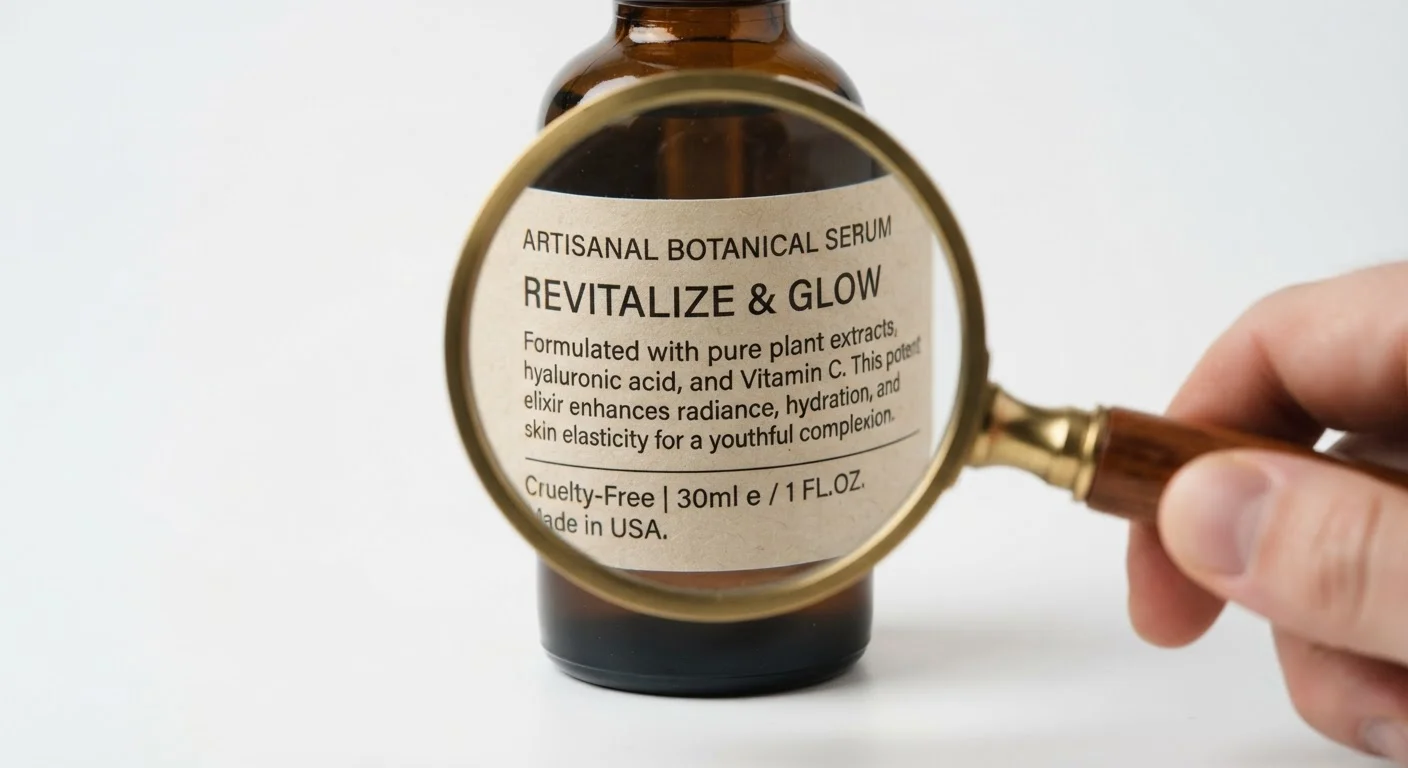
Product pages, packaging, and advertisements are built around persuasion. The language is carefully chosen to generate confidence - not necessarily to give you accurate, complete information. Phrases like "doctor-recommended," "scientifically formulated," or "up to 3× more effective" are designed to feel credible while remaining almost impossible to verify at a glance.
That gap between impression and reality is where many shopping mistakes happen. The good news: a handful of disciplined questions, applied consistently, can expose weak claims before they cost you money. This checklist gives you exactly that framework.
For a broader pre-purchase process, see our structured research checklist that covers quality, seller reputation, and return policies in one place.
Understanding the Claim Itself
Evaluating the Evidence
Checking Certifications and Endorsements
Cross-Referencing Outside the Product Listing
How to Use This Checklist Effectively
You don't need to run through every question for every item you buy. Use your judgment: a low-stakes impulse purchase warrants lighter scrutiny than a health product, an expensive appliance, or anything you'll rely on regularly. Prioritise the must items for any significant decision and layer in the should and nice-to-have questions when the stakes are higher.
"Clinically Proven" Doesn't Mean What You Think
The phrase "clinically proven" has no standardised legal definition in most consumer product contexts outside pharmaceuticals. It can refer to a single internal test with a handful of participants. Always ask what was tested, by whom, and under what conditions - not just whether a study exists.
Claims that rely on emotional language, urgency, or vague superlatives deserve the most scrutiny. If a product listing reads like an advertisement rather than a specification sheet, slow down. Our guide on filtering signal from noise explains how to identify genuinely useful data in crowded, sponsored environments.
Once you've evaluated claims, apply the same discipline to the reviews supporting them. Our breakdown of what makes a product review trustworthy will sharpen your ability to separate genuine feedback from promotional noise.
Search engine (separate browser tab)
Lets you research claims in a neutral context, free from the retailer's curated product environment.
Government or regulatory agency websites (e.g., FTC, FDA)
Useful for verifying whether health, safety, or performance claims fall within regulated language standards.
Independent consumer testing organisations
Provide third-party product assessments that aren't tied to advertising relationships.
Academic or scientific database search tools
Help you locate peer-reviewed research behind any cited study, so you can assess quality and independence.