Why Maintenance Habits Matter From Day One
A car is one of the most mechanically complex things most people own - and one of the most financially significant. For new drivers, the temptation is to focus entirely on the driving itself, treating the vehicle as a given. In reality, how you care for a car in its first years of ownership shapes its reliability, safety, and long-term cost.
Neglected maintenance doesn't just shorten a vehicle's life. It can compromise handling and braking at the worst possible moment, and it tends to convert small, inexpensive problems into large, disruptive ones. Understanding the full cost of car ownership from the start puts you in a much stronger position to budget and plan.
The good news: most foundational maintenance is straightforward. You don't need mechanical expertise - just consistency and a little knowledge about what to look for.
The Checks Every New Driver Should Know
Several routine checks require no special tools and can be done in a driveway in under ten minutes. Making these a monthly habit catches the majority of developing problems before they escalate.
Dipstick
A long, thin rod inserted into the engine that lets you check the oil level and condition without any tools other than a clean rag.
Tire tread depth
The depth of the grooves on a tire's surface. Adequate tread channels water away and maintains grip; worn tread significantly increases stopping distance on wet roads.
OBD diagnostic code
A fault code stored by a vehicle's onboard computer when it detects a problem. A mechanic reads these codes with a scanner to identify the source of a warning light.
Service interval
The mileage or time period between scheduled maintenance visits, as specified by the vehicle manufacturer in the owner's manual.
Coolant
A liquid that circulates through the engine to regulate temperature and prevent overheating. Also called antifreeze, it requires periodic inspection and replacement.
Brake fluid
A hydraulic fluid that transmits the force from your brake pedal to the actual braking components at each wheel. Low or contaminated brake fluid can reduce braking effectiveness.
Engine Oil
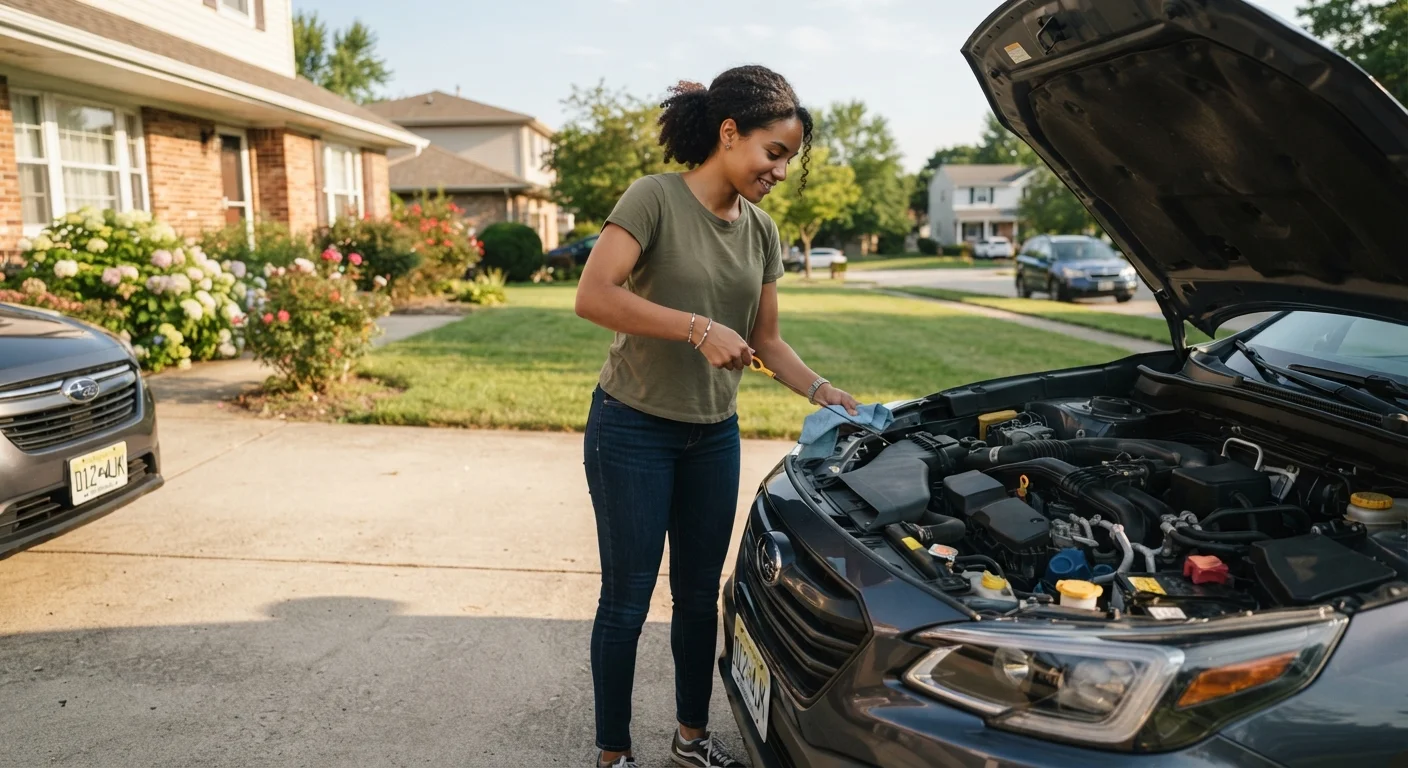
Oil lubricates moving engine parts and prevents overheating from friction. Check the level monthly using the dipstick, and watch for oil that looks very dark or gritty - a sign it's overdue for a change. Your owner's manual specifies the correct oil grade and change interval for your engine.
Tire Pressure and Condition
Under-inflated tires wear unevenly, reduce fuel efficiency, and affect handling. Check pressure with a gauge when tires are cold, comparing against the figure on the driver's door jamb sticker. Also inspect the tread depth and look for cracks, bulges, or embedded objects. Tires with insufficient tread are a genuine safety risk in wet conditions.
Lights
Walk around the vehicle periodically to verify that headlights, brake lights, turn signals, and reverse lights all function. A burned-out brake light is not only a safety hazard - it's a ticketable offense in most states.
Fluid Levels
Beyond oil, check coolant, brake fluid, and windshield washer fluid. Most reservoirs are clearly labeled under the hood. Low brake fluid can indicate worn brake pads or a leak - both warrant prompt attention from a mechanic.
Make a Monthly Walkabout Your Habit
Set a recurring reminder on the first of each month for a five-minute walkaround: check tire appearance, test all lights, and pop the hood to glance at fluid levels. Catching small issues early - a slow tire leak, a dim bulb - almost always costs less to fix than waiting until something fails. Pairing it with a routine activity like a weekend errand makes it easier to sustain.
Following a Service Schedule
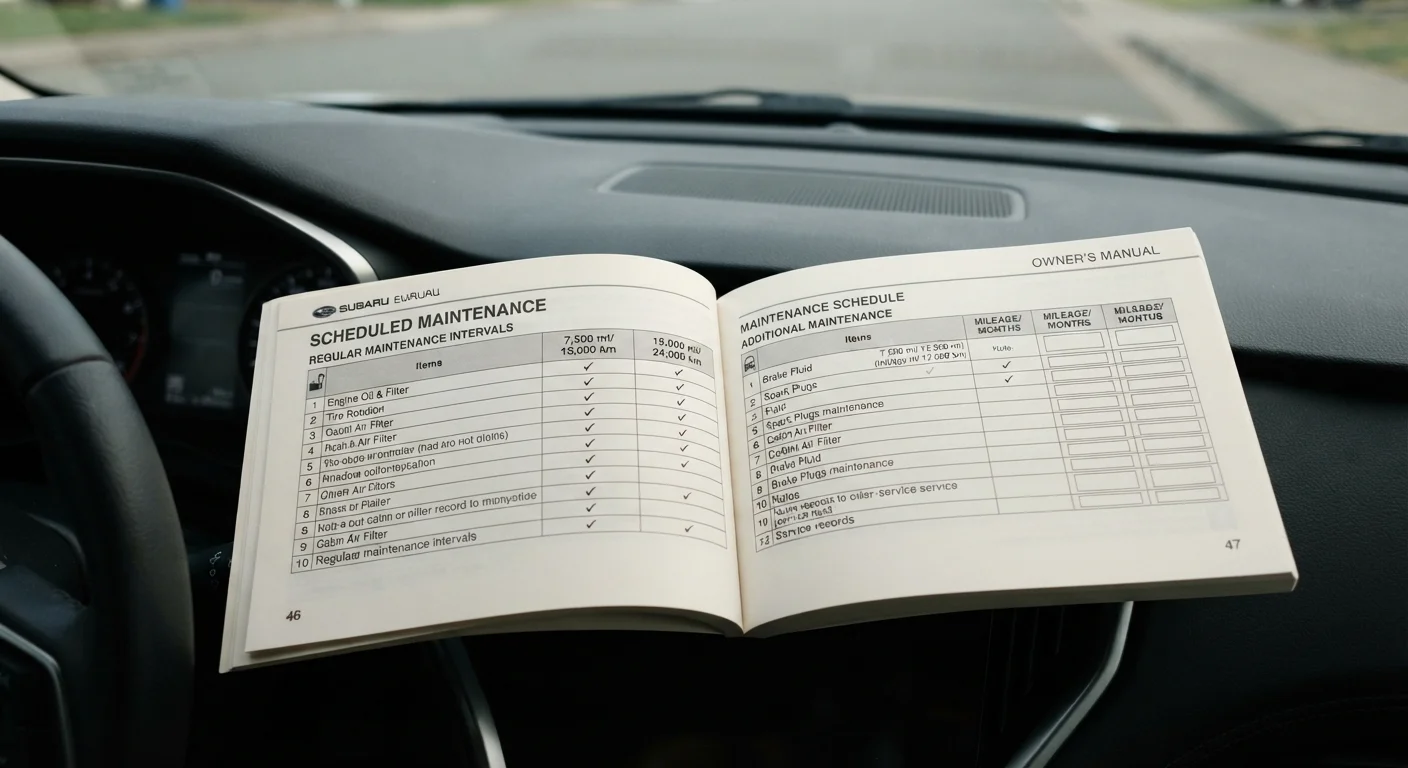
Every vehicle comes with a manufacturer-recommended service schedule that lays out what should be inspected or replaced at specific mileage or time intervals. This schedule - found in your owner's manual - is the single most reliable source of maintenance guidance for your specific car. Many drivers skip or delay scheduled services without realising the cumulative effect on the vehicle.
Common scheduled items include oil and filter changes, air filter replacement, spark plug replacement, transmission fluid, coolant flush, and brake inspection. Intervals vary significantly by vehicle make, model, and engine type, which is why reading the maintenance sections of your owner's manual is worth the time.
Keep a simple written or digital log of every service performed - date, mileage, and what was done. This log is also valuable evidence of good care if you sell the vehicle later.
Outdated Advice Is Common - Check Your Manual
You may hear that oil should be changed every 3,000 miles, or that certain additives are essential. Many of these rules of thumb come from an earlier era of engine technology. Modern vehicles and synthetic oils often allow significantly longer intervals. The only guidance you should trust for your car is the one in its owner's manual - not generalised advice. Our article on car maintenance myths covers several of the most persistent ones.
When to Call a Professional
New drivers sometimes hesitate to visit a mechanic, unsure whether a symptom warrants a trip. The general rule: when in doubt, get it checked. A brief diagnostic inspection is almost always cheaper than a repair delayed too long.
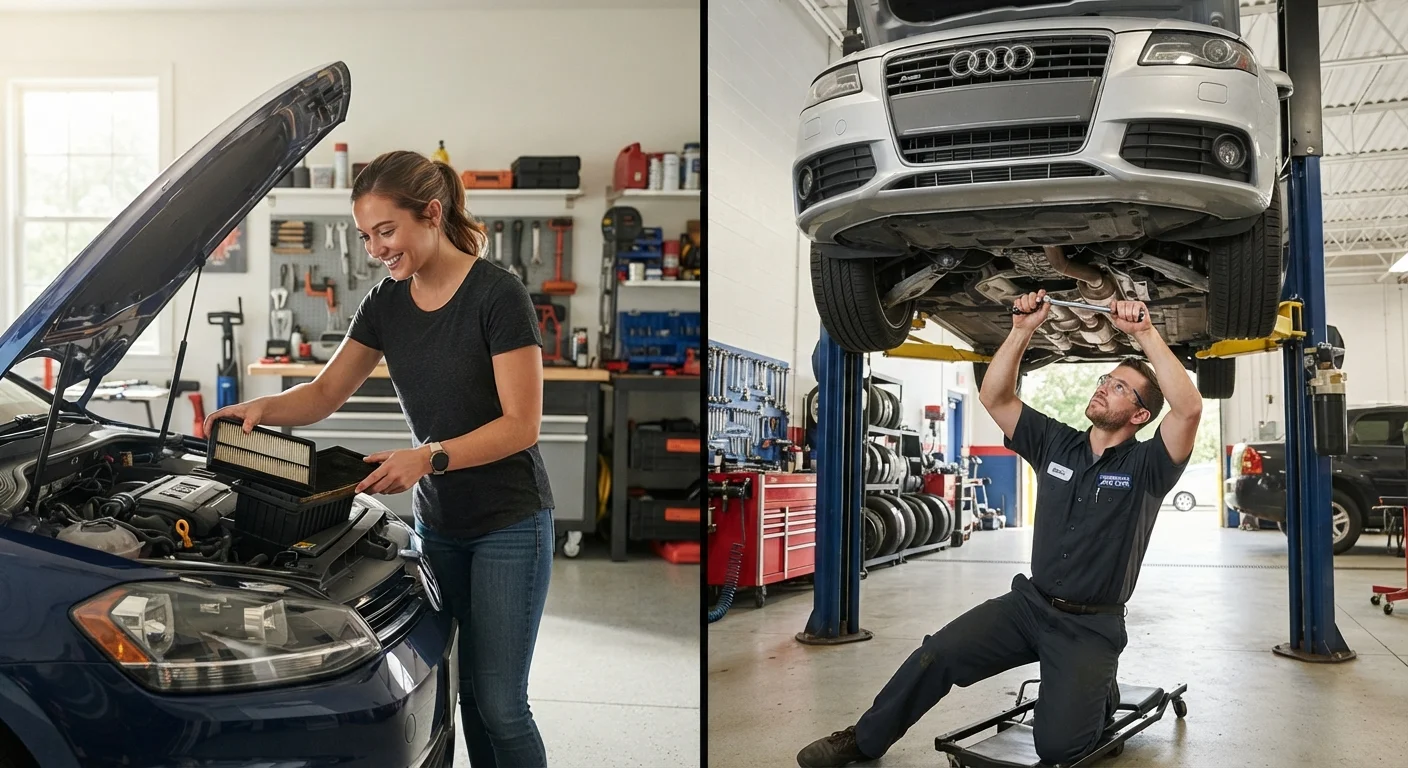
Tasks like brake work, suspension repairs, electrical diagnostics, and anything involving the fuel or cooling system should always go to a qualified mechanic. These systems interact in ways that make amateur intervention genuinely risky. For a clearer framework on which jobs stay in the driveway and which go to the shop, see our guide on DIY vs. professional car maintenance.
Dashboard warning lights - especially the check engine, oil pressure, temperature, and brake warning lights - should never be dismissed or covered with tape. Each signals a specific fault category, and a shop can read the diagnostic codes quickly to identify the cause.
Never Ignore an Oil Pressure or Temperature Warning
If the oil pressure light or engine temperature warning illuminates while driving, pull over safely as soon as possible and switch off the engine. Continuing to drive with either of these active can cause severe - and very expensive - engine damage within minutes. These are not alerts to investigate at your next convenient stop; they require immediate action. Call for roadside assistance if needed rather than risking further damage.
Building Habits That Last
The most effective maintenance routines are simple and consistent, not complex and occasional. A few practical approaches help new drivers stay on track:
- Set calendar reminders for monthly fluid and tire checks, and for upcoming scheduled services based on your mileage.
- Read your owner's manual. Most drivers never open it - the ones who do have a meaningful advantage in understanding their specific vehicle.
- Note anything unusual - new sounds, smells, handling changes, or warning lights - and report them at your next service visit even if they've stopped.
- Budget for maintenance proactively. Knowing that tires, brakes, and oil changes are recurring costs makes them easier to handle. Our article on keeping vehicle ownership costs manageable offers strategies for the longer view.
Good driving habits complement good maintenance habits. Understanding what new drivers commonly get wrong in their first year helps you protect both your vehicle and your safety on the road.
Maintenance isn't a chore reserved for experienced owners - it's one of the first and most important responsibilities that comes with driving. Starting those habits now, before anything goes wrong, is the approach that keeps vehicles reliable and costs predictable for years ahead.