What Actually Defines Each Experience
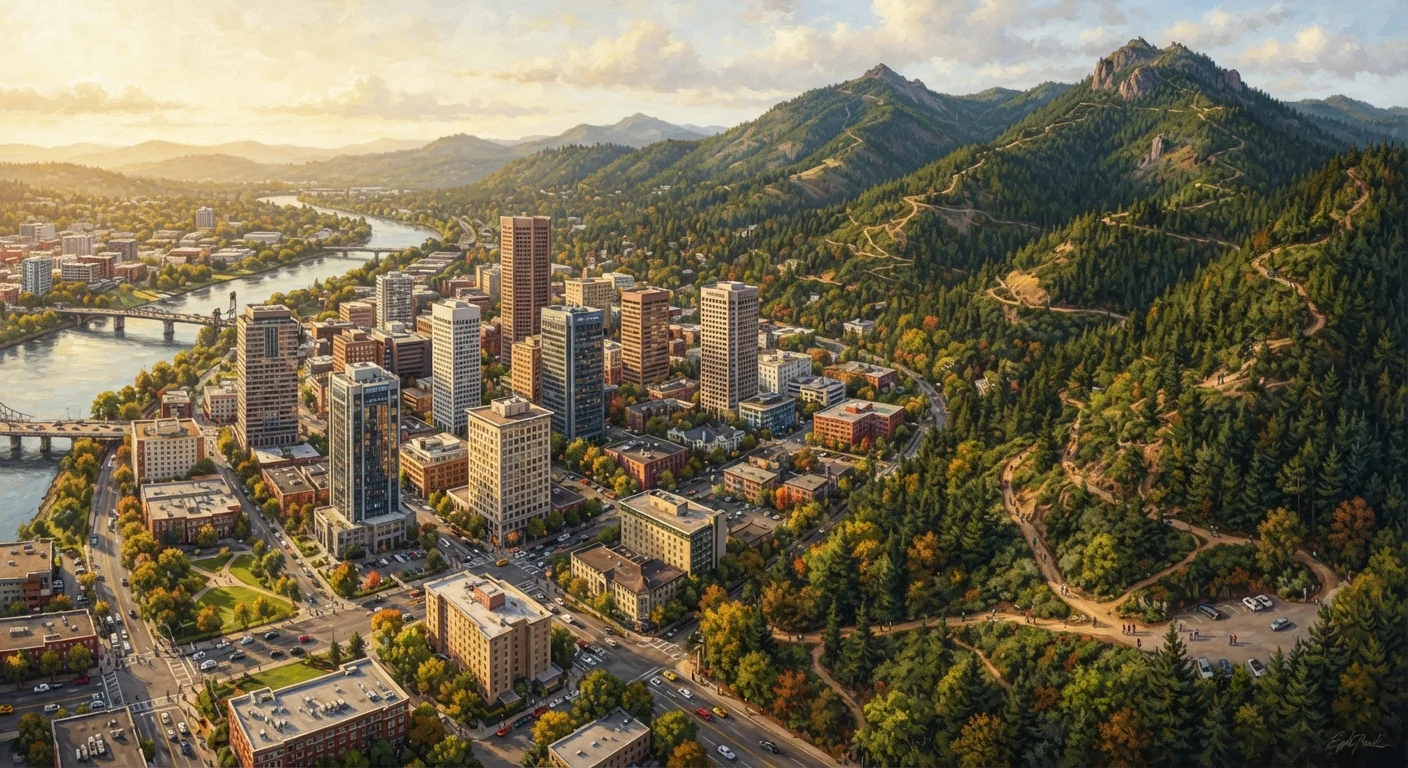
A city break centers on density - the ability to move between neighborhoods, museums, restaurants, and live venues within a compact area. American cities like New Orleans, Chicago, San Francisco, and Nashville each carry a distinct cultural fingerprint. The reward is variety: you can eat from three continents, catch live music, and walk through a century of architecture in a single afternoon.
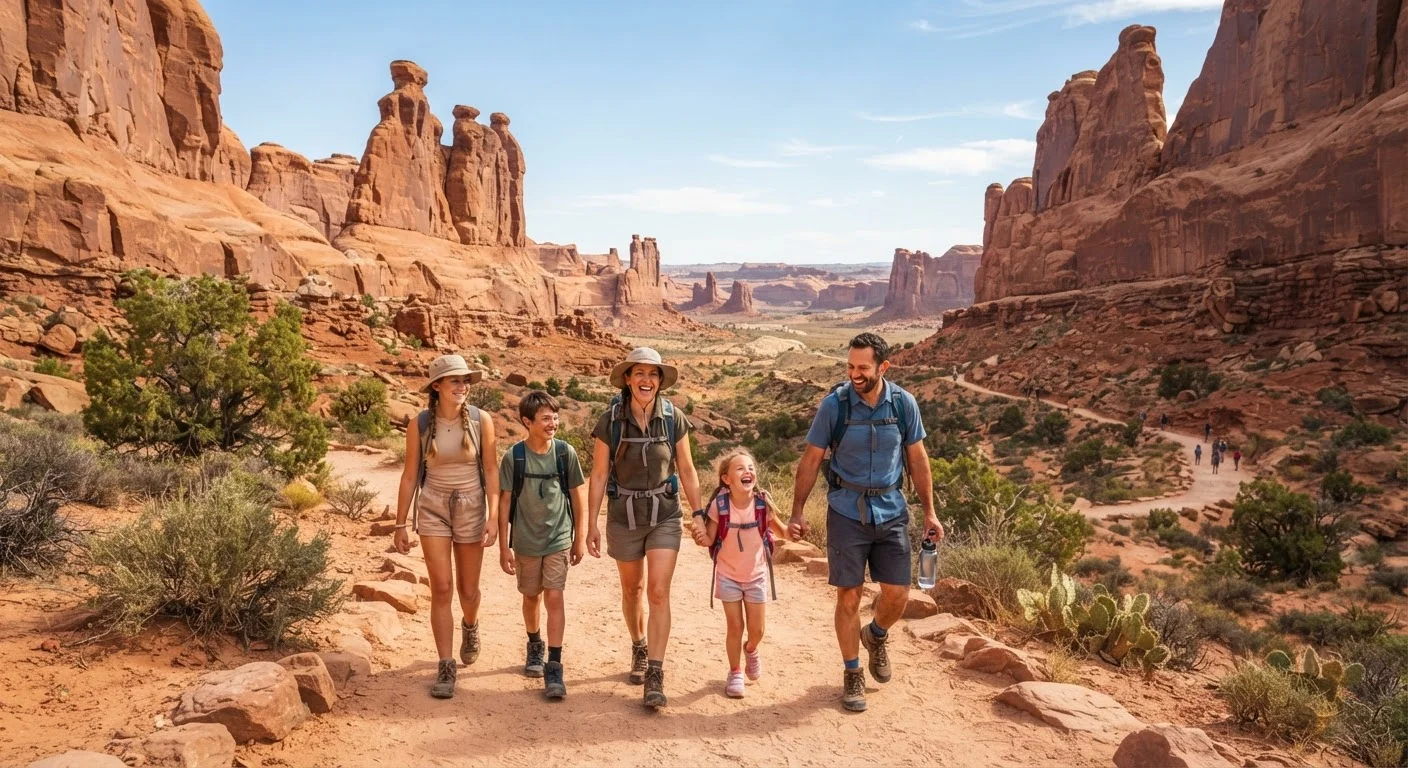
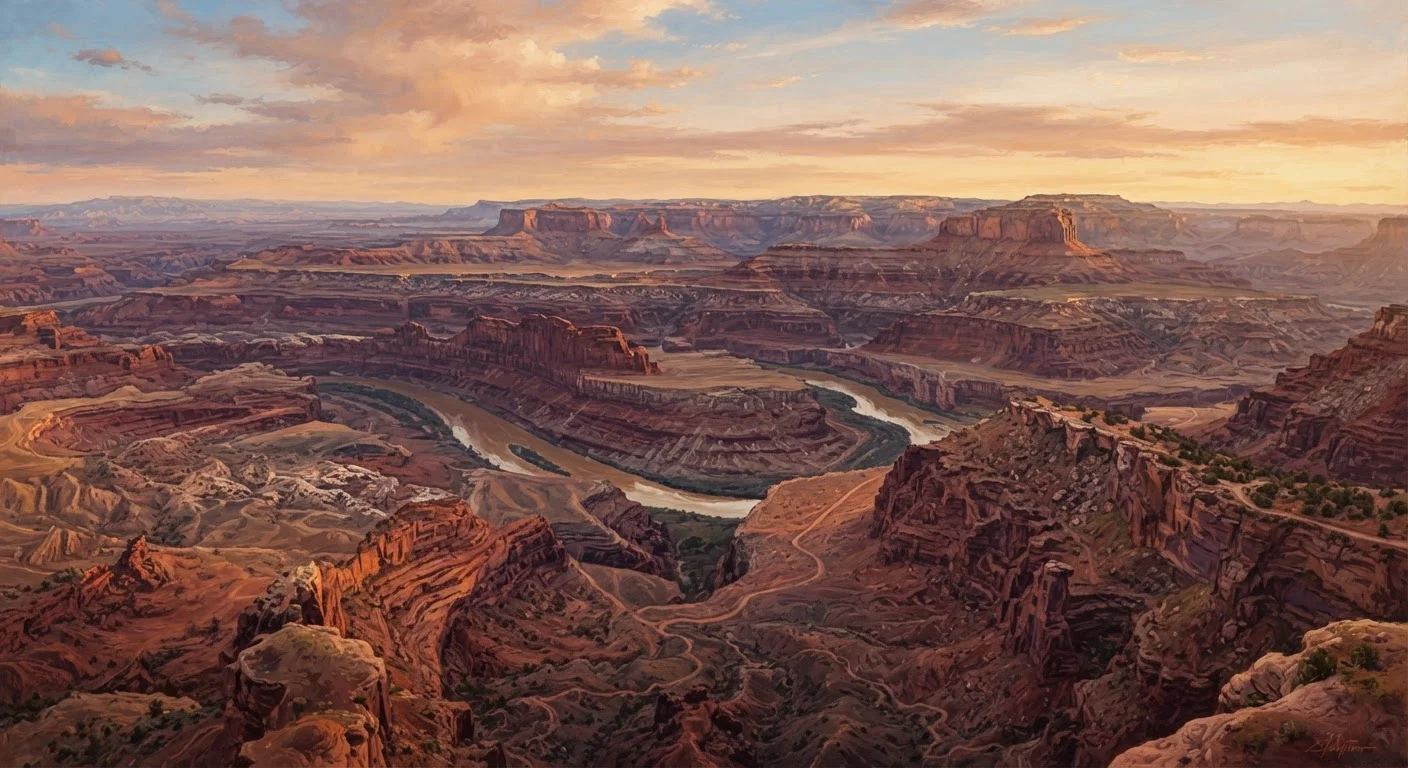
A nature escape centers on space and environment. Whether you're camping in the Smokies, backpacking in Glacier, or road-tripping through the Southwest's canyon country, the defining quality is immersion in landscape rather than human-made infrastructure. The US national park system alone spans over 84 million acres - a staggering canvas for outdoor exploration. For a regional breakdown of what different parks actually deliver, see America's National Parks: What Each Region Actually Offers.
| Criterion | City Break | Nature Escape |
|---|---|---|
| Planning lead time | Short to moderate | Moderate to long |
| Permit requirements | Rarely required | Often required (parks, campsites) |
| Physical demands | Low to moderate | Moderate to high |
| Gear needed | Minimal | Significant (footwear, layers, camping) |
| Accommodation variety | High (hotels, hostels, rentals) | Limited (lodges, campgrounds, cabins) |
| Best trip length | 2-5 days | 4-10 days |
| Cell service & connectivity | Reliable | Often limited or absent |
| Family-friendliness | High - amenities accessible | Variable - depends on ages and terrain |
Planning, Logistics, and Cost Differences
City trips tend to be more logistically forgiving. Hotels, transit, restaurants, and activities are bookable on shorter timelines, and itineraries can flex as you go. If you want to think through how to structure days without over-scheduling, our guide to building flexible travel itineraries walks through exactly that.
Nature escapes, by contrast, typically demand more lead time. Popular national parks like Yosemite, Zion, and Acadia require timed-entry permits that sell out weeks or months ahead. Campsite reservations, gear preparation, and understanding trail regulations all add layers that urban trips don't. Skipping this groundwork is one of the most common reasons nature trips go sideways - see our piece on mistakes that derail national park visits for specifics.
84M+
Acres in the US national park system
The National Park Service manages over 84 million acres across more than 400 sites nationwide, according to NPS published data.
330+
Incorporated US cities with over 100,000 residents
According to US Census Bureau data, the country has well over 300 cities large enough to support a full urban travel itinerary.
Cost profiles also differ. City trips concentrate spending on accommodation and dining, which can run high in premium markets. Nature trips shift cost toward gear, permits, and transport - particularly if you're driving to remote trailheads. Our road trip vs. flying comparison can help you think through how to get there affordably.
Matching Your Travel Style to the Right Destination
The honest answer is that neither trip type is universally superior - they serve different psychological needs. City breaks are energizing; nature escapes are restorative. Knowing which one you actually need on a given trip matters more than defaulting to habit.
Consider your travel group carefully. Solo travelers often find nature escapes liberating, while groups with mixed fitness levels may struggle with trail-heavy itineraries. Couples might find either works well. For families, the destination type can shift dramatically depending on kids' ages - a toddler and a teenager have almost nothing in common in terms of what makes a trip work.
The Hybrid Option Is Real
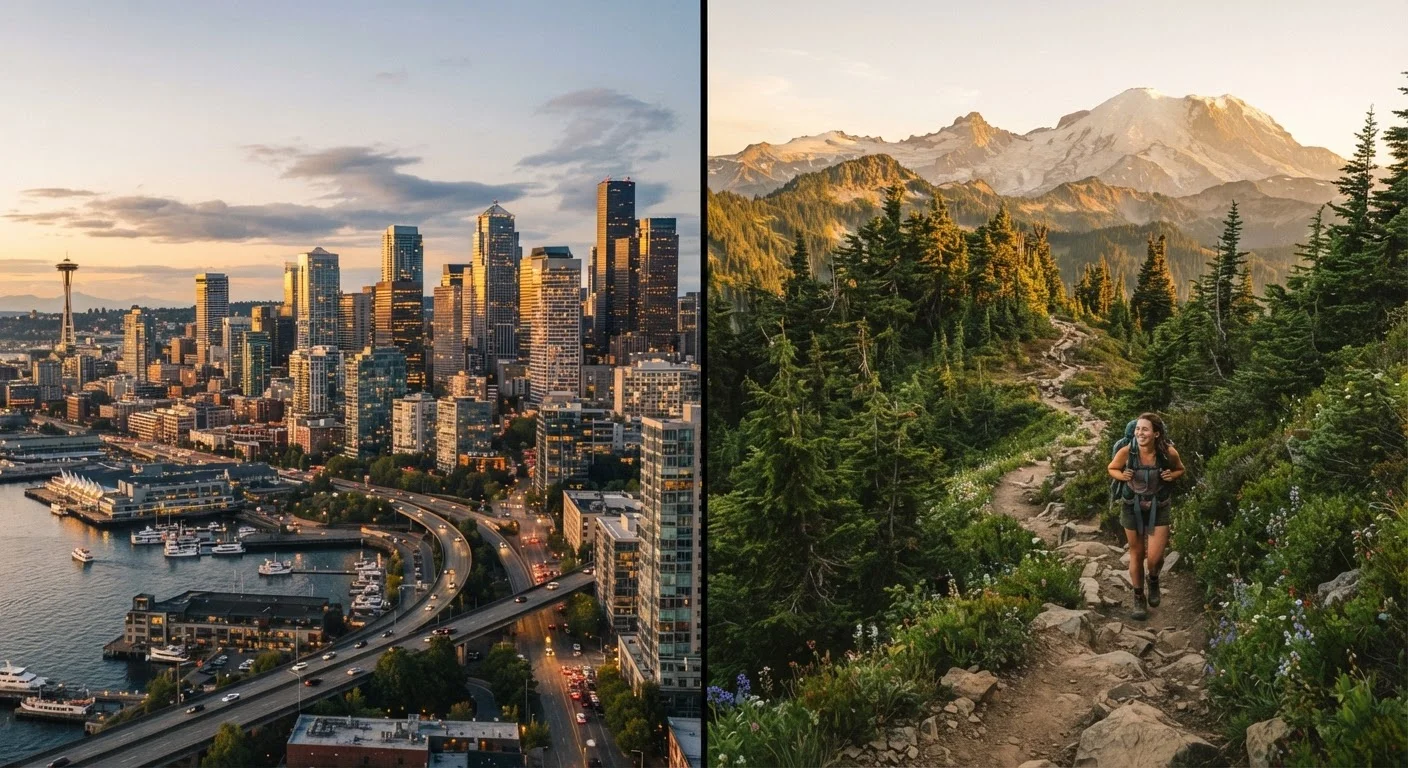
Several American cities sit at the edge of serious wilderness, effectively offering both trip types in a single destination. Denver provides Rockies trailhead access within an hour; Anchorage borders vast wilderness; Asheville, NC is surrounded by the Blue Ridge. If you can't choose, these hybrid destinations let you test both without committing to either extreme.
Timing is another variable worth taking seriously. Coastal cities on the Atlantic and Pacific have distinct high seasons that affect crowds and pricing. Nature destinations have their own rhythms - snowpack, wildfire season, and wildlife migration patterns all shape what you'll actually experience. Our seasonal timing guide breaks this down region by region.
And if you're unsure whether a traditional city or a traditional wilderness trip is the right frame, consider that many American regions blur the line entirely. The Southwest, for instance, offers geology and Indigenous history alongside small-city cultural depth - for a sense of how distinctive that feels, our Southwest feature is a useful reference. Wherever you land, part of the adventure is figuring out what kind of traveler you are - and the US has enough variety to let you keep finding out.