Why Preparation Makes or Breaks a National Park Trip
America's 400-plus national park units draw tens of millions of visitors each year - and the most breathtaking destinations tend to be the most demanding to navigate. Yosemite Valley in July, the South Rim of the Grand Canyon on a holiday weekend, or the Narrows at Zion after overnight rainfall: each scenario rewards the prepared and humbles the unprepared.
This checklist covers the five preparation layers that matter most: reservations and permits, research and planning, gear, safety and regulations, and vehicle logistics. Whether you're heading to a marquee destination or a lesser-known gem, running through these items before you leave home dramatically reduces the chance your trip goes sideways. For a look at what can go wrong without this prep, see our article on common national park visit mistakes.
If you're driving to the park - as most visitors do - also run through a long road trip vehicle checklist before you leave the driveway.
Timed-Entry Permits Sell Out Fast
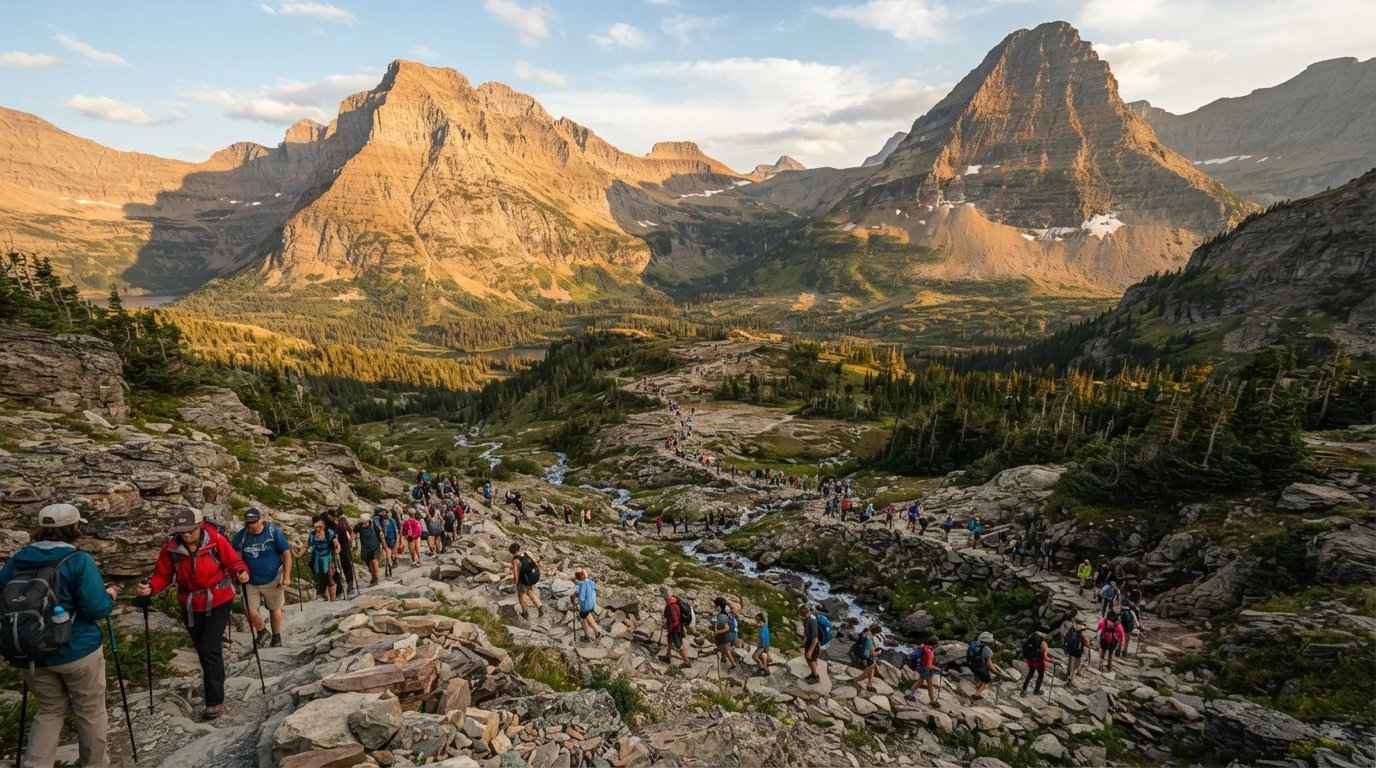
Parks like Glacier, Arches, and Rocky Mountain have required timed-entry reservations during peak season - and those slots routinely sell out within minutes of release. Check reservation windows on Recreation.gov months before your planned visit. Arriving without a required permit can mean being turned away at the entrance gate.
Don't Rely Solely on Your Smartphone
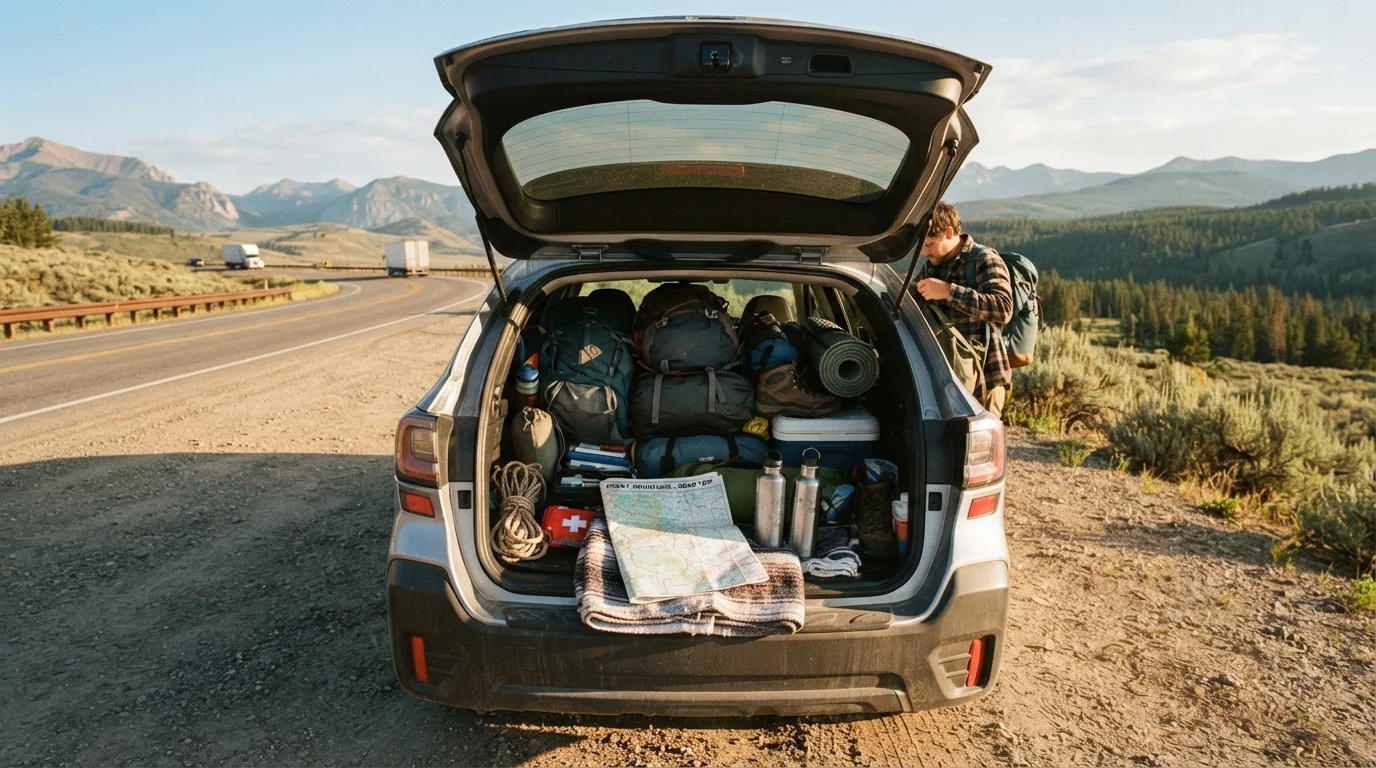
Cell coverage disappears quickly once you leave the visitor center area in most parks. Apps that require a live connection will fail mid-trail. Download offline maps, save emergency contacts locally, and carry a paper map as a genuine backup - not an afterthought.
Tools You'll Need Before You Arrive
A handful of digital and physical resources do most of the heavy lifting when it comes to national park preparation. Get familiar with these before you start booking anything.
Recreation.gov
Book campsite reservations, timed-entry permits, and backcountry permits for national parks and other federal lands.
NPS App
Access official park maps, trail guides, ranger programs, and real-time alerts - with some offline functionality.
AllTrails (or similar offline map app)
Download trail maps for offline use where cell service is unavailable inside the park.
America the Beautiful Annual Pass
Provides fee-free entry to all federal fee-charging lands for 12 months, often paying for itself in a single visit.
Personal Locator Beacon (PLB) or Satellite Communicator
Enables two-way messaging and emergency SOS signaling in areas with no cellular coverage.
All permit-based reservations flow through Recreation.gov. The NPS app and a solid offline mapping tool are non-negotiable for any park with unreliable cell service - which is most of them. A satellite communicator is worth serious consideration for backcountry itineraries more than a few miles from a trailhead.
The Full Preparation Checklist
Work through these items in order - reservations must happen first, sometimes weeks or months out, while packing and safety prep can happen in the days before departure. Use this alongside the broader general pre-trip checklist to make sure no category gets skipped.
Reservations & Permits
Research & Planning
Gear & Packing
Safety & Regulations
Vehicle & Logistics
Always Tell Someone Your Itinerary
Before entering backcountry or remote trail systems, share your complete plan - trailhead name, planned route, campsite locations, and expected return date - with a trusted contact who is not on the trip. If you are overdue, they should know exactly who to call and where to direct search and rescue. This simple step has saved lives.
A Note on Leave No Trace and Park Etiquette
National parks exist because generations of Americans chose to protect them. Leave No Trace (LNT) isn't a suggestion - it's the operating principle that keeps these landscapes viable for future visitors. The seven LNT principles include traveling on durable surfaces, disposing of waste properly, leaving what you find, minimizing campfire impact, respecting wildlife, and being considerate of other visitors.
Rangers actively enforce rules around feeding wildlife, picking vegetation, and going off-trail in sensitive areas. Fines are real. More importantly, the cumulative impact of small infractions - a shortcut through meadow grass here, a wildflower picked there - adds up across millions of annual visitors. Come curious, come respectful, and you'll leave having genuinely contributed to the place rather than diminished it.
This checklist fits into a larger framework of domestic trip planning. If you're building an itinerary from scratch, the end-to-end US domestic travel planning guide is a strong starting point, and the Trip Planning hub has resources covering every stage of preparation.