Why a Morning Routine Is Different from an Evening One
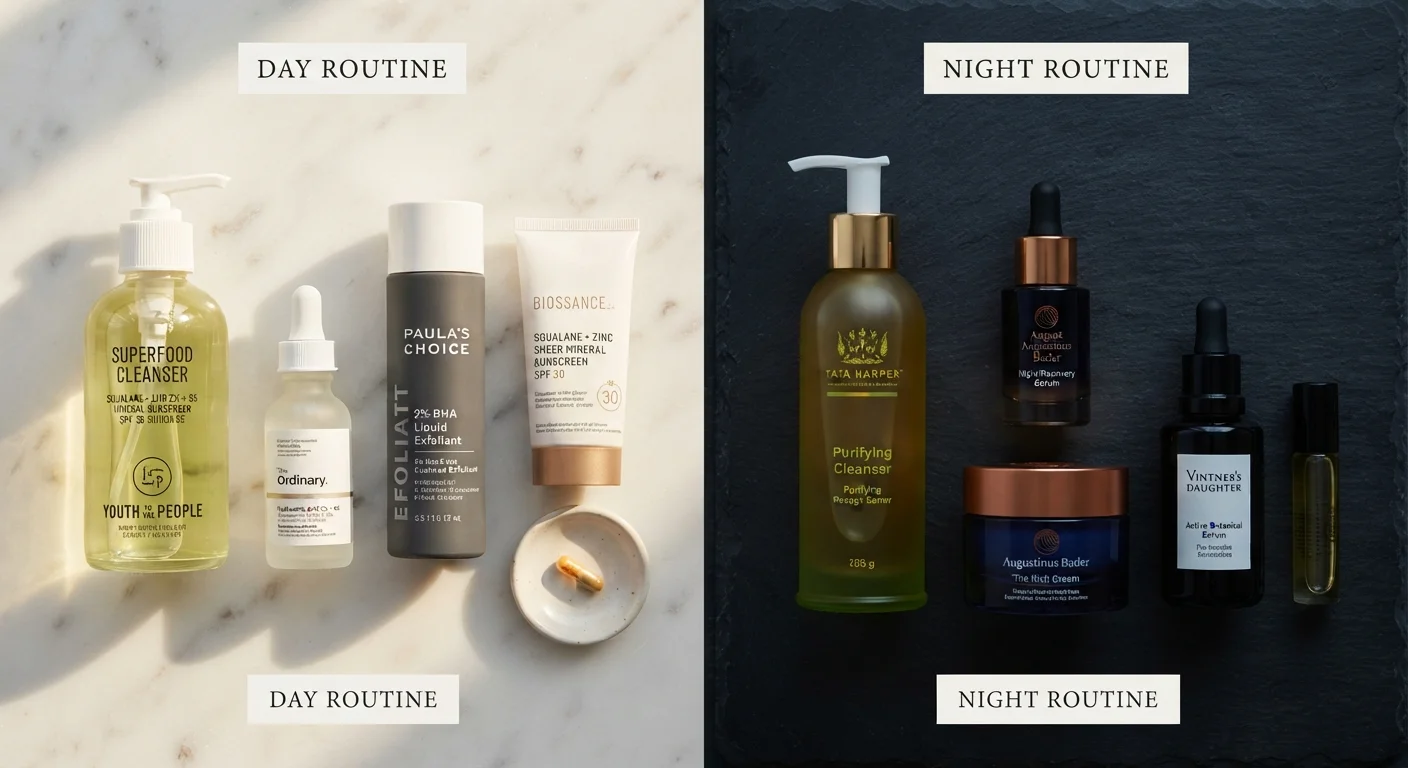
Your skin doesn't behave the same way at 7 a.m. as it does at 10 p.m., and your routine should reflect that. During the day, skin is on defense - facing UV radiation, pollution, wind, and whatever else the environment throws at it. At night, it shifts into repair mode. That's why the products you reach for in the morning have a different job than the ones you use before bed.
The short version: mornings are about protection, evenings are about repair. Ingredients like retinol and strong chemical exfoliants belong at night because they can make skin more sun-sensitive. Your morning lineup, on the other hand, should always end with sunscreen. Our guide on daytime vs. nighttime routines digs deeper into why the two should never be swapped.
For beginners, recognizing this distinction immediately helps you make smarter decisions about which products and steps belong where - without trial and error.
The Core Four: Steps Every Beginner Needs
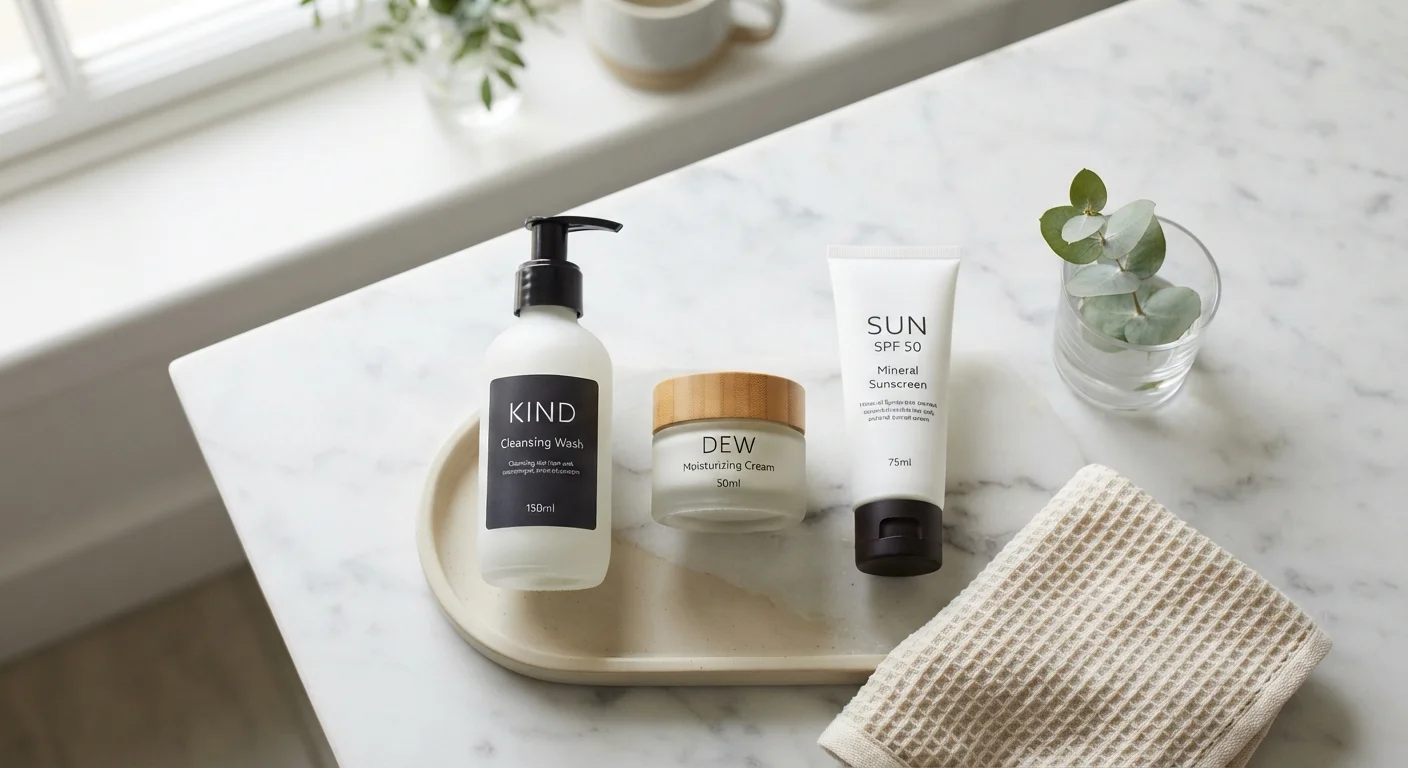
You don't need a 10-step shelf to have healthy, well-cared-for skin. These four steps form the foundation that most dermatologists point to as genuinely useful for everyday morning care:
Broad-spectrum SPF
A sunscreen that protects against both UVA rays (which cause aging and deep skin damage) and UVB rays (which cause sunburn). Look for SPF 30 or higher for everyday use.
Non-comedogenic
A product formulated to not clog pores. Important for anyone prone to breakouts, especially when choosing moisturizers or sunscreens.
Skin barrier
The outermost layer of skin that keeps moisture in and irritants out. A healthy skin barrier is the foundation of balanced, resilient skin.
pH balance
Skin has a slightly acidic natural pH. Cleansing can temporarily disrupt this, and toners help restore it so subsequent products absorb more effectively.
Antioxidant
An ingredient (like vitamin C) that helps neutralize free radicals - unstable molecules from pollution and UV exposure that can damage skin cells over time.
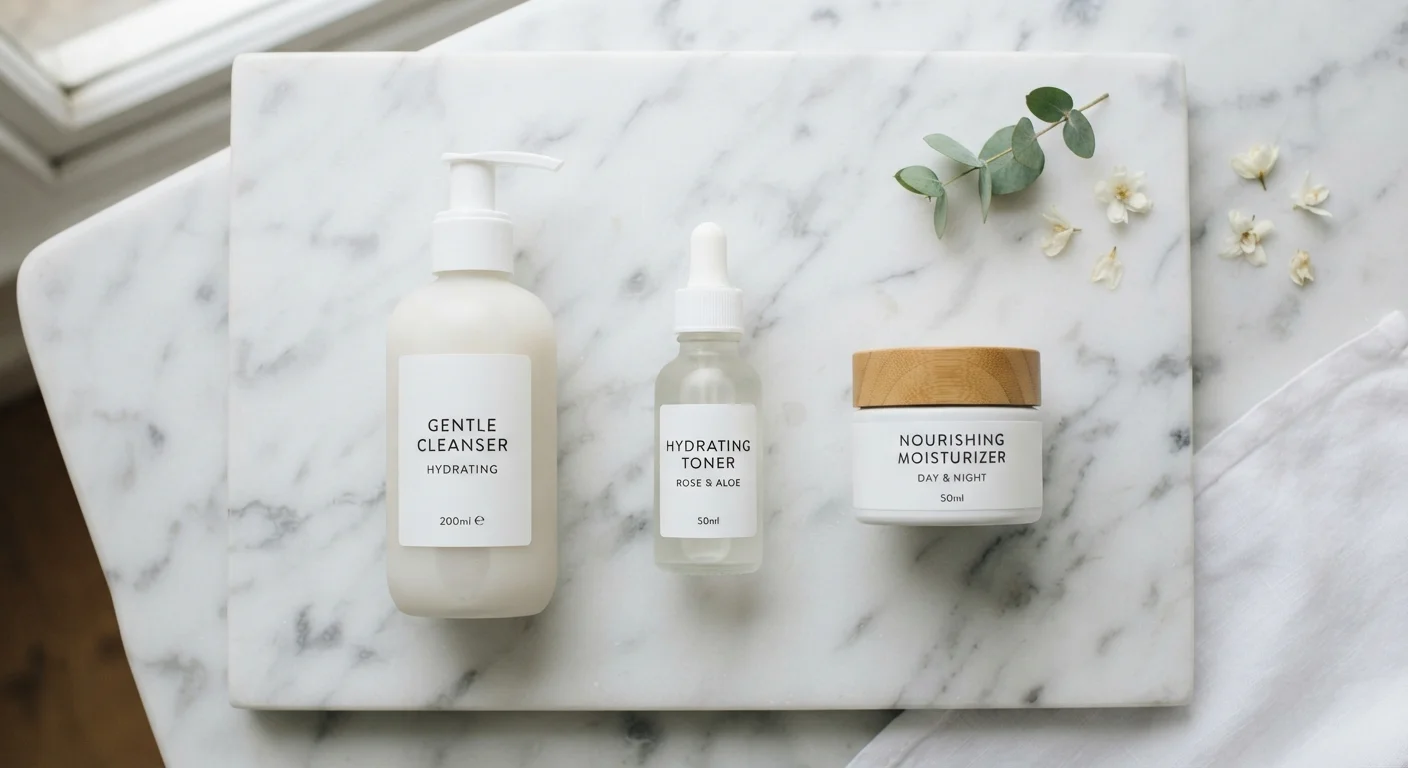
- Cleanser - Removes overnight oils and any residue from sleep. Look for a gentle, non-stripping formula appropriate for your skin type. If your skin feels tight after washing, the cleanser may be too harsh.
- Toner - Often optional for beginners, but useful for balancing skin's pH after cleansing and prepping it to absorb what comes next. Alcohol-free formulas are kinder to most skin types.
- Moisturizer - Keeps the skin barrier hydrated and functioning well. Even oily skin benefits from a lightweight, non-comedogenic moisturizer. Skipping this step can actually cause skin to produce more oil to compensate.
- Sunscreen (SPF 30 or higher) - This is non-negotiable. Broad-spectrum SPF protects against both UVA and UVB rays. It's widely considered the most effective anti-aging step you can take. Apply it as the final step in your morning routine, every single day.
To understand what each of these steps is actually accomplishing at a skin-science level, our explainer on cleanser, toner, and moisturizer covers the mechanics clearly.
This article is for general informational purposes only and is not a substitute for personalized dermatological advice. If you have a skin condition or concern, please consult a qualified healthcare professional.
Getting the Order Right
Sequence is more important than most beginners realize. The general rule is to apply products from thinnest to thickest consistency - this allows lighter, water-based formulas to absorb into skin before heavier creams or oils create a barrier on top.
Apply Sunscreen Generously - It Matters
Most people apply far less sunscreen than needed to reach the labeled SPF. Dermatologists generally recommend about a nickel-sized amount for the face alone. Don't forget the neck, ears, and the back of hands if they'll be exposed.
A reliable morning sequence looks like this:
- Cleanser (rinse off)
- Toner (if using - pat in gently)
- Serum (if using - a few drops, pressed in)
- Moisturizer (apply while skin is still slightly damp)
- Sunscreen (last step, applied generously)
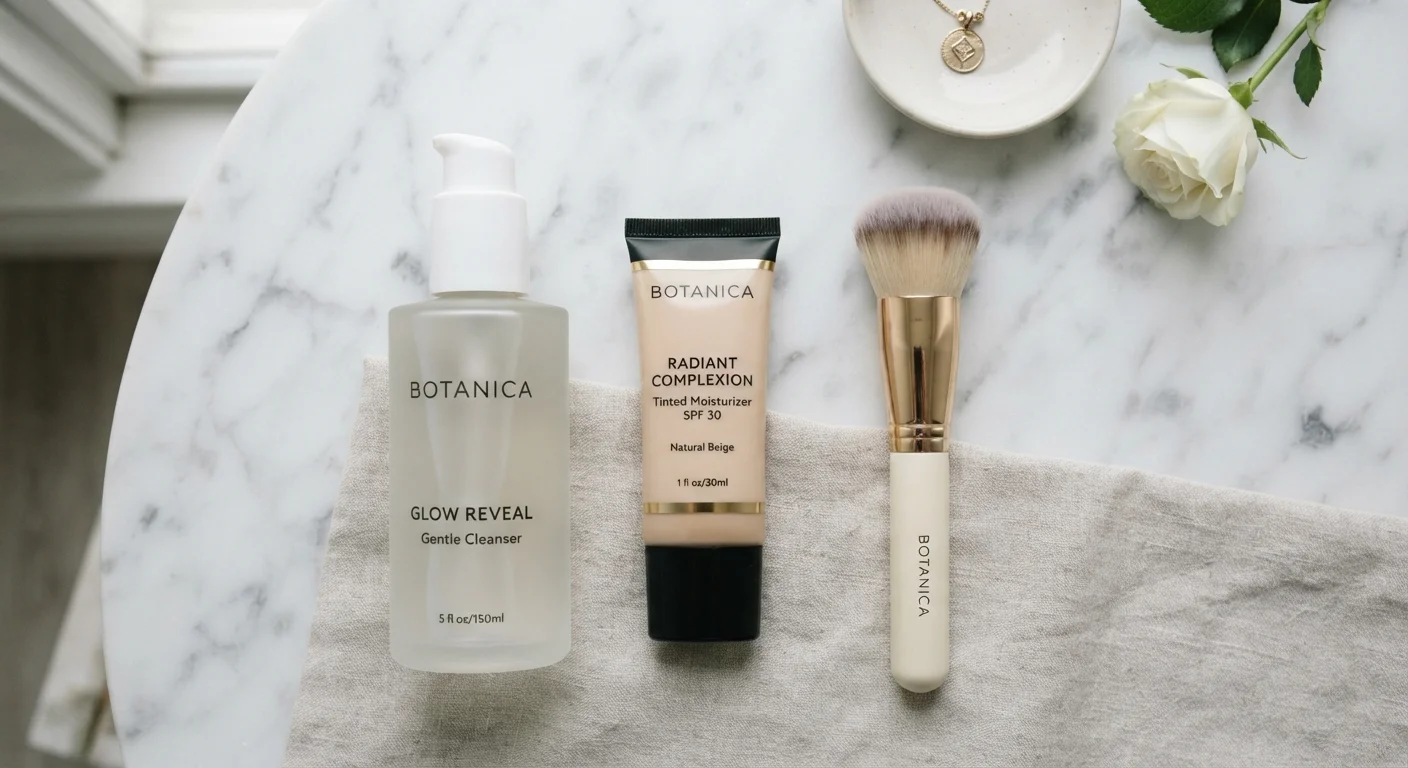
If you plan to wear makeup after your skincare, let your sunscreen absorb for a minute or two before applying anything on top. Our skin prep guide for makeup wearers explains how this layering directly affects how your foundation sits and lasts.
For a more detailed breakdown of why layering order affects absorption and efficacy, see our guide to layering skincare products in the right order.
Adding Optional Steps When You're Ready
Once your core four feel effortless and consistent, you can explore additions - but there's no rush. The most common optional upgrades for a morning routine include:
- Vitamin C serum - A popular antioxidant that can help even skin tone and add a layer of environmental protection. Applied before moisturizer.
- Eye cream - Addresses the delicate under-eye area. Not essential, but useful if that's a concern for you.
- Facial oil - Can be mixed into moisturizer or applied over it for extra nourishment. Works better for dry skin types.
Don't Stack Too Many Actives at Once
Combining multiple active ingredients (like vitamin C, niacinamide, and exfoliating acids) without knowing how they interact can cause redness, sensitivity, or breakouts. Start with one optional product at a time and give your skin time to adjust before adding another.
The key with any new addition is patience. Introduce one product at a time, give it a few weeks, and watch how your skin responds before layering in anything else. Our guide to introducing new skincare products walks through patch testing and smart cycling so you don't accidentally overwhelm your skin barrier.
If you're completely new to having any routine at all, starting from zero is a great companion read - no judgment, no complicated regimens.
Common Beginner Mistakes to Avoid
Even a simple routine can go sideways with a few common missteps. Here's what to watch for:
- Skipping sunscreen on cloudy days. UV rays penetrate cloud cover. SPF is a year-round, every-day commitment - not just for beach days.
- Over-cleansing. Washing your face more than twice a day can strip the skin barrier and trigger excess oil production or irritation.
- Switching products too fast. Give any new product at least four weeks before judging whether it's working. Skin changes gradually.
- Applying products to completely dry skin. Most moisturizers work best on slightly damp skin, helping lock in hydration rather than trying to add it.
- Buying more before mastering the basics. A consistent three-step routine beats an inconsistent ten-step one every time.
If mornings feel rushed, your skincare routine fits into the bigger picture of getting ready efficiently. Our head-to-toe morning checklist can help you sequence everything - hair, skin, and makeup - so nothing gets skipped even when time is short.