Why a Pre-Purchase Checklist Pays Off
Online shopping removes the ability to physically inspect a product, read the room of a store, or ask a knowledgeable salesperson a follow-up question. That information gap is where regret - and sometimes financial loss - enters the picture. A structured research routine closes that gap before money changes hands.
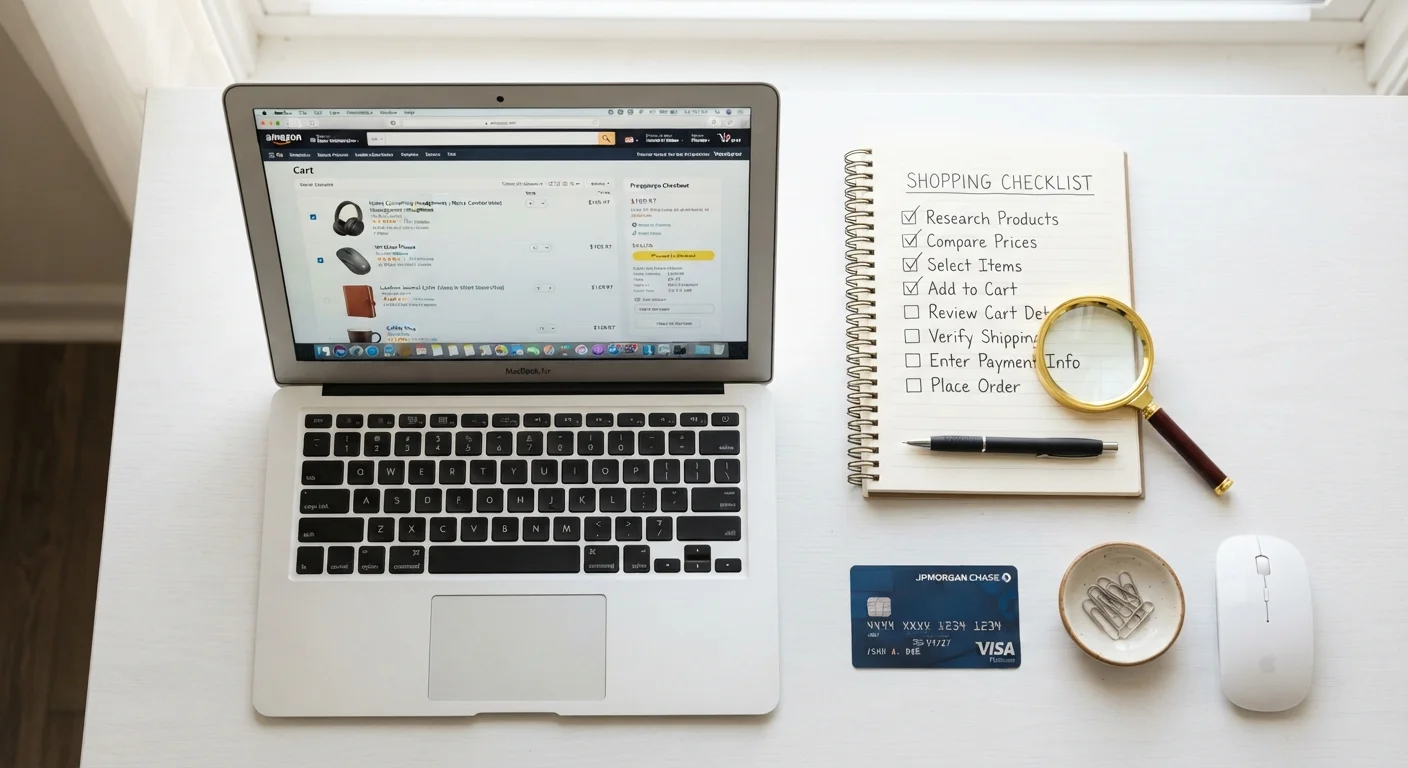
This checklist is designed to work for any online purchase, from a $12 phone case to a $1,200 appliance. The stakes change; the core questions don't. Use it as a literal checklist the first few times, and the habits will eventually become second nature.
If you're newer to shopping online and want broader context before diving in, see our complete guide to researching products online for a full walkthrough from search to checkout.
Product Verification
Review and Rating Analysis
Seller Reputation
Policies and Purchase Terms
Payment Safety
Tools That Make This Research Faster
You don't need specialized software to complete this checklist - most of the work relies on free, widely available resources. However, a few specific tools make the process significantly more efficient.
WHOIS Domain Lookup
Check when an unfamiliar website's domain was registered - very new domains can signal a temporary or fraudulent storefront.
Browser's Incognito/Private Mode
Search for products and prices without personalization influencing results, giving you a clearer picture of standard pricing.
Better Business Bureau (BBB) Search
Look up a seller's complaint history and accreditation status in the U.S. to gauge their track record with customers.
Independent Review Platforms
Access consumer reviews from outside the retailer's own ecosystem to reduce the effect of curated or moderated on-site ratings.
Once you've confirmed product quality and seller legitimacy, it's also worth verifying you're getting reasonable value. Our pre-purchase savings checklist covers that angle before you finalize any order.
Red Flags That Should Stop the Purchase
Some findings during your research aren't just yellow flags - they're reasons to walk away entirely. Recognizing these patterns quickly protects both your wallet and your personal data.
Pressure Tactics Are a Warning Sign
Countdown timers, 'only 2 left' notices, and pop-ups demanding immediate action are designed to shortcut your judgment. Legitimate sellers rarely require you to decide in seconds. If a site is using aggressive urgency cues, slow down rather than speed up - and complete your research before proceeding.
Too-Good-to-Be-True Pricing
A price dramatically below every other seller for the same product is not automatically a deal - it may indicate a counterfeit item, a bait-and-switch listing, or a non-existent product. Compare pricing across several sources and treat extreme outliers as a prompt for deeper investigation, not a reason to buy immediately.
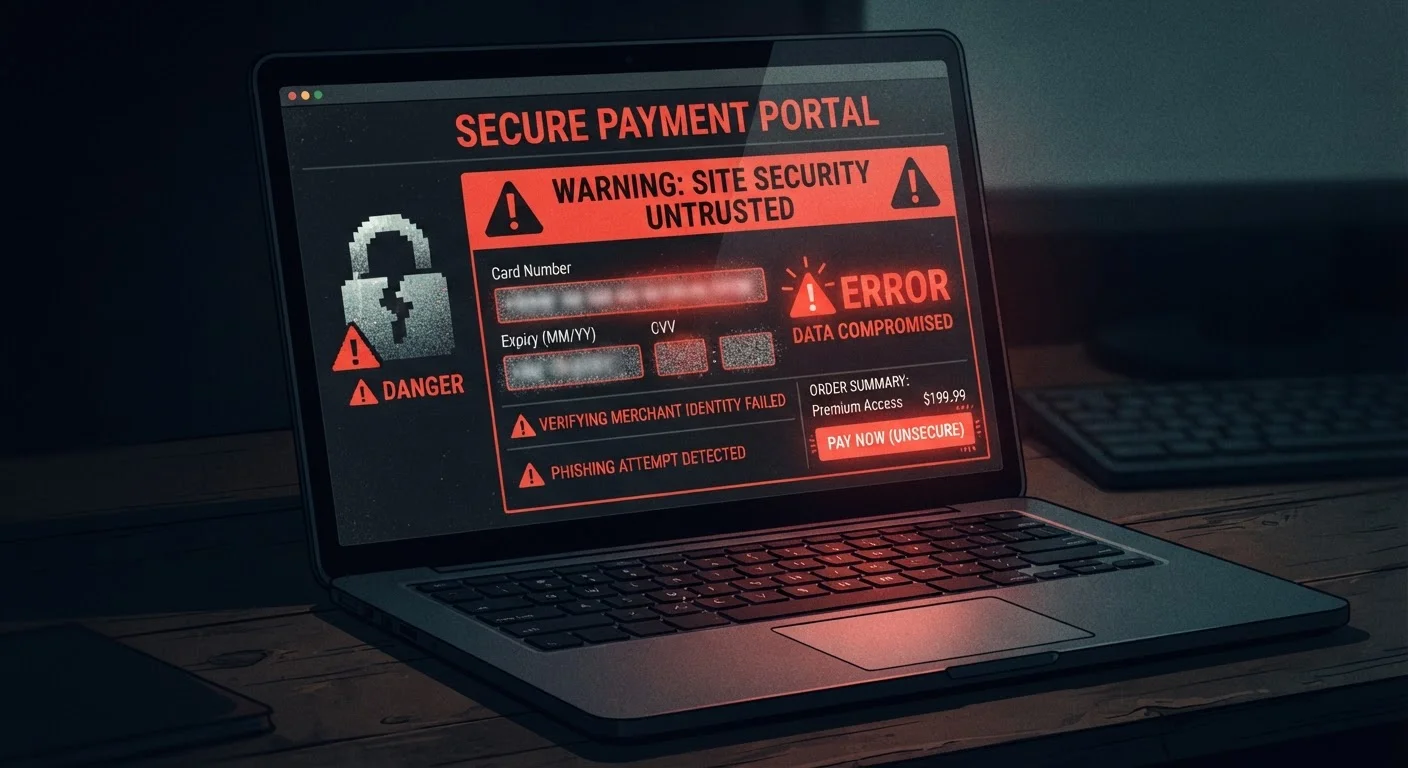
Understanding how deceptive sellers operate in detail can also sharpen your instincts. Our article on how online shopping scams are structured breaks down the tactics used, from fake storefronts to counterfeit checkout pages.
For unfamiliar retailers specifically, it's worth spending extra time on store-level scrutiny. See our guide on evaluating a new online store before you buy for a structured approach. And before you enter any payment details, run through the pre-purchase security checklist to verify site legitimacy. More safe online buying practices are available across our resource hub.
Never Wire Money or Use Gift Cards to Pay
Sellers who request payment via wire transfer, peer-to-peer payment apps without buyer protection, or retail gift cards are using methods that are nearly impossible to reverse if something goes wrong. These payment requests are a strong indicator of fraud. Stick to payment methods with documented dispute and chargeback processes.