Why Region Matters More Than You Think
The United States operates more than 400 national park units, but lumping them together as a single category misses the point entirely. The experience of standing in a Utah canyon has almost nothing in common with picking your way across an Alaskan glacier or listening to spring peepers in the Great Smoky Mountains. Region shapes terrain, climate, wildlife, crowd levels, and the kind of preparation you'll need - which makes knowing your geography half the battle before you book a single reservation.
Whether you're drawn to dramatic geology, old-growth forests, or wide-open tundra, a regional lens helps you match expectations to reality. Not sure if a nature escape even fits your travel style? Getting specific about which kind of nature you want is the first filter to apply.
| Total NPS units | More than 400 (National Park Service) |
| Most visited park | Great Smoky Mountains (NPS annual visitation data) |
| Largest national park | Wrangell-St. Elias, Alaska (~13.2 million acres) (National Park Service) |
| Peak visitor season (most parks) | June-August (NPS visitation statistics) |
| America the Beautiful Pass | Annual pass covering entrance fees at federal lands (USGS/NPS) |
| Free entrance days per year | Several designated fee-free days annually (National Park Service (dates vary by year)) |
The Southwest: Geology as the Main Event
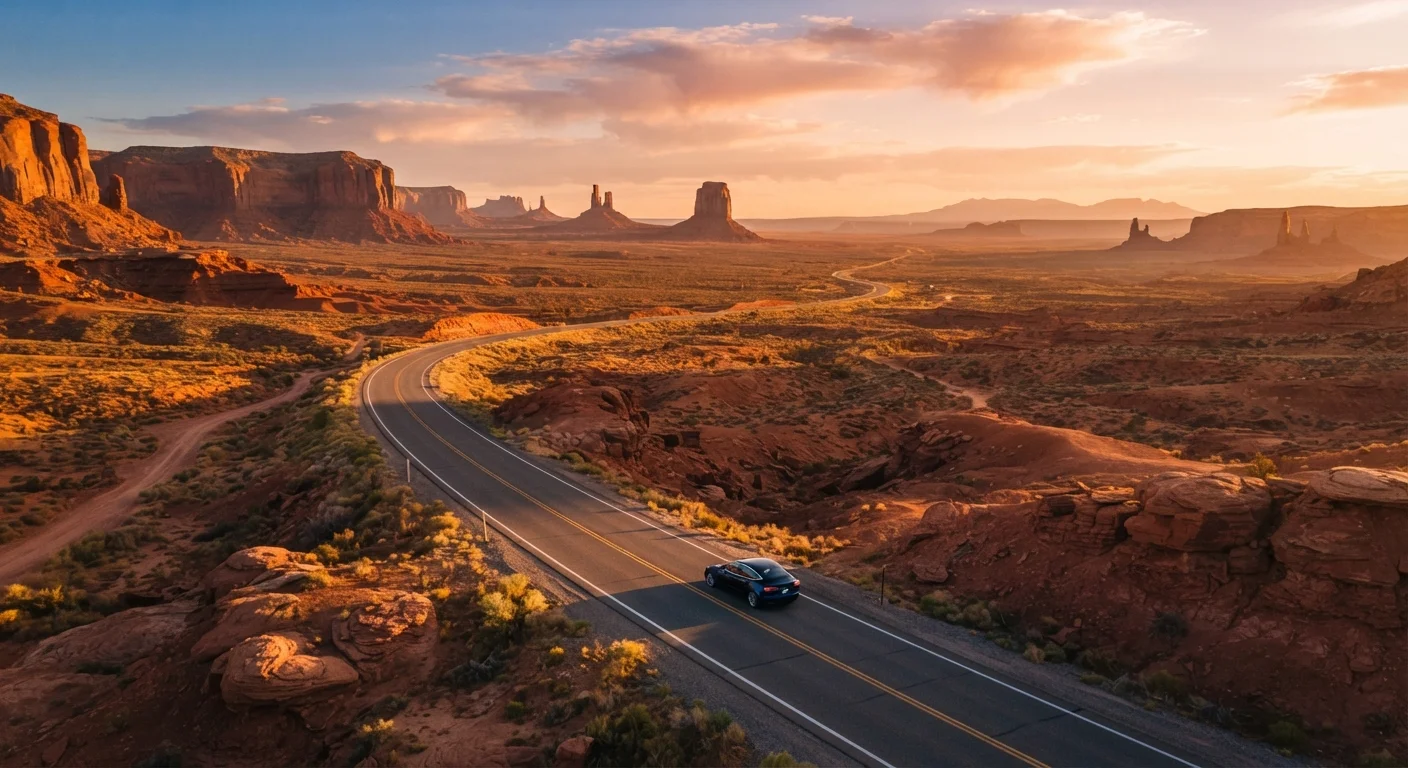
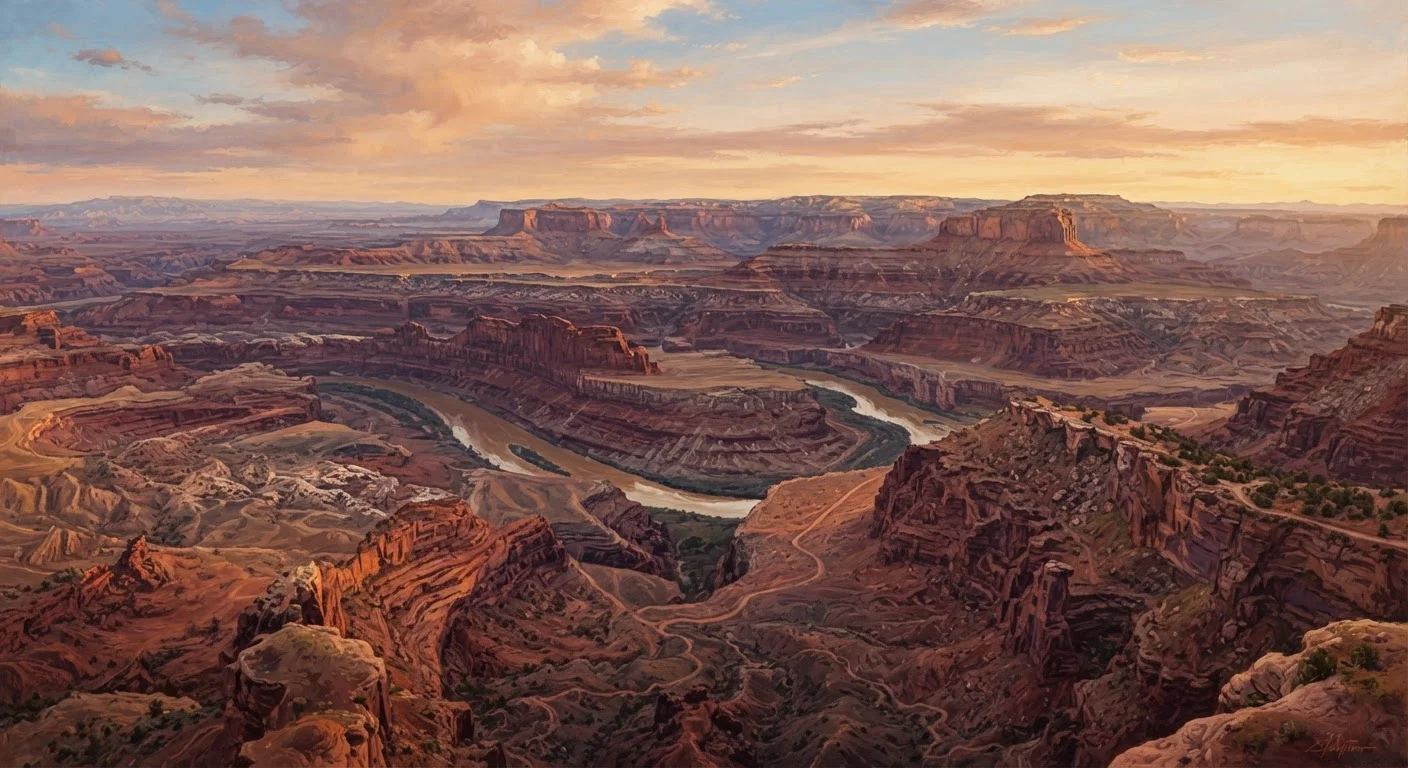
The Colorado Plateau and surrounding desert country host some of the most visually arresting parks in the system - Grand Canyon, Zion, Bryce Canyon, Arches, and Canyonlands among them. What defines this region is exposed sedimentary geology: millennia of uplift, erosion, and color banding rendered in sandstone, limestone, and shale. The palette runs from deep crimson to pale cream, and at dawn or dusk the rock practically glows.
Visitors should understand that heat is a genuine hazard in summer months. Many parks now issue heat advisories and restrict strenuous trail access midday. Spring and fall are widely considered the most comfortable windows. Water capacity, sun protection, and realistic trail-distance planning matter more here than almost anywhere else. Underestimating distances and water needs is among the most common ways Southwest park visits go wrong.
Colorado Plateau
A high-elevation plateau region spanning parts of Utah, Arizona, Colorado, and New Mexico, known for its dramatically eroded canyon landscapes and exposed geological layers.
Temperate rainforest
A forest ecosystem in a temperate climate zone that receives exceptionally high annual rainfall, supporting dense vegetation, mosses, and high biodiversity. Olympic National Park contains one of the rare examples in North America.
Geothermal feature
A surface expression of underground heat, including geysers, hot springs, fumaroles, and mud pots. Yellowstone National Park hosts the world's largest concentration of geothermal features.
Backcountry
Remote, undeveloped areas within a park that lack paved roads and standard visitor facilities, typically accessed by trail, waterway, or small aircraft, and requiring more self-sufficiency from visitors.
Acclimatization
The physical process by which the body adjusts to lower oxygen levels at higher elevations. Ascending too quickly without acclimatizing can cause altitude sickness.
The Pacific Northwest and Alaska: Scale That Humbles
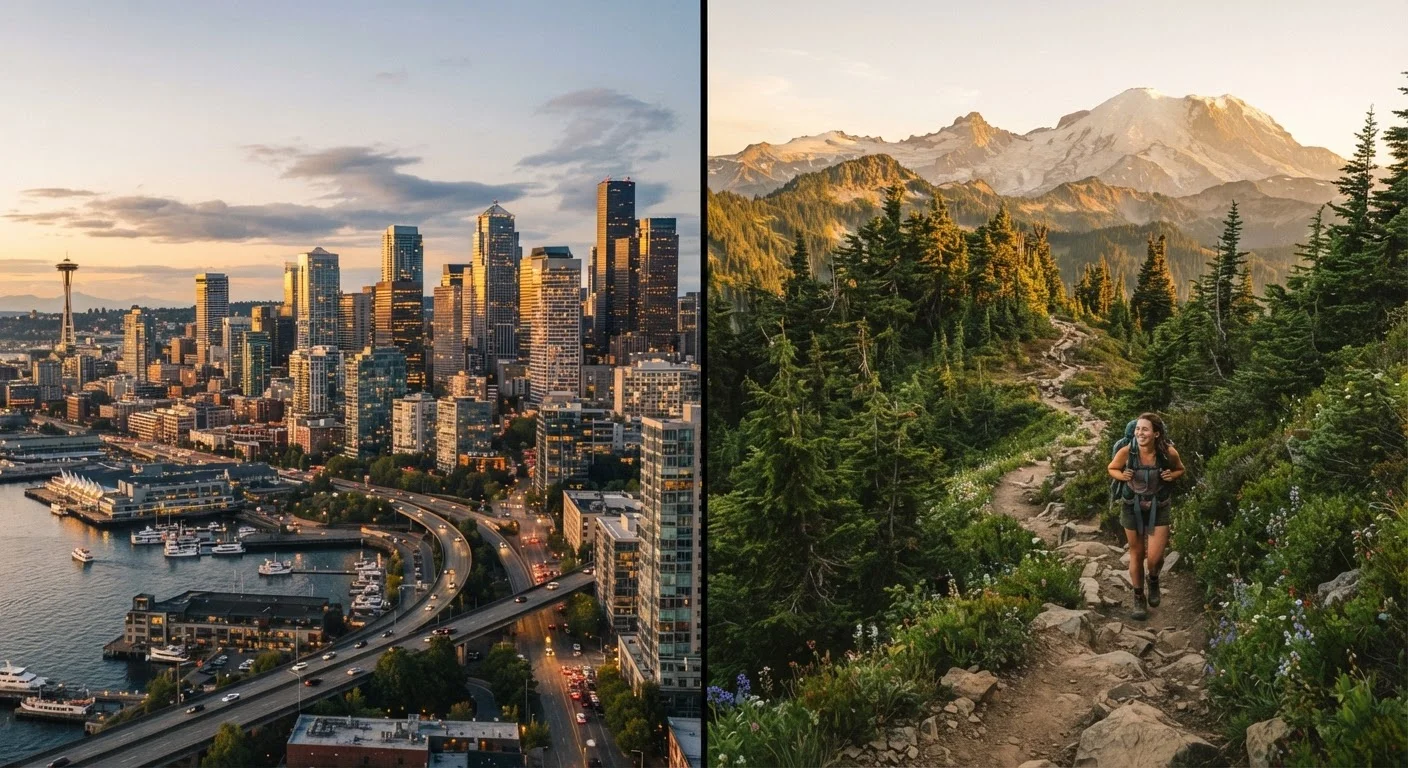
Olympic, North Cascades, Crater Lake, and Rainier define the Pacific Northwest offering: temperate rainforests dripping with moss, volcanic peaks, and an almost eerie blue-green color palette that feels nothing like the Southwest. Rainfall is a constant companion in many of these parks, particularly on Washington's Olympic Peninsula, which supports one of the few temperate rainforests in North America.
Push further north to Alaska and the scale shifts to something beyond most lower-48 frames of reference. Denali, Wrangell-St. Elias, and Kenai Fjords offer wilderness that is largely roadless and genuinely remote. Infrastructure is minimal by design; many visitors access the interior by small aircraft, river, or on foot. Wildlife encounters - bears, moose, wolves, marine mammals - are common and require informed, respectful behavior. Always consult NPS guidelines and local rangers on current conditions before entering Alaskan backcountry.
The Rockies and Great Plains: Elevation and Open Sky
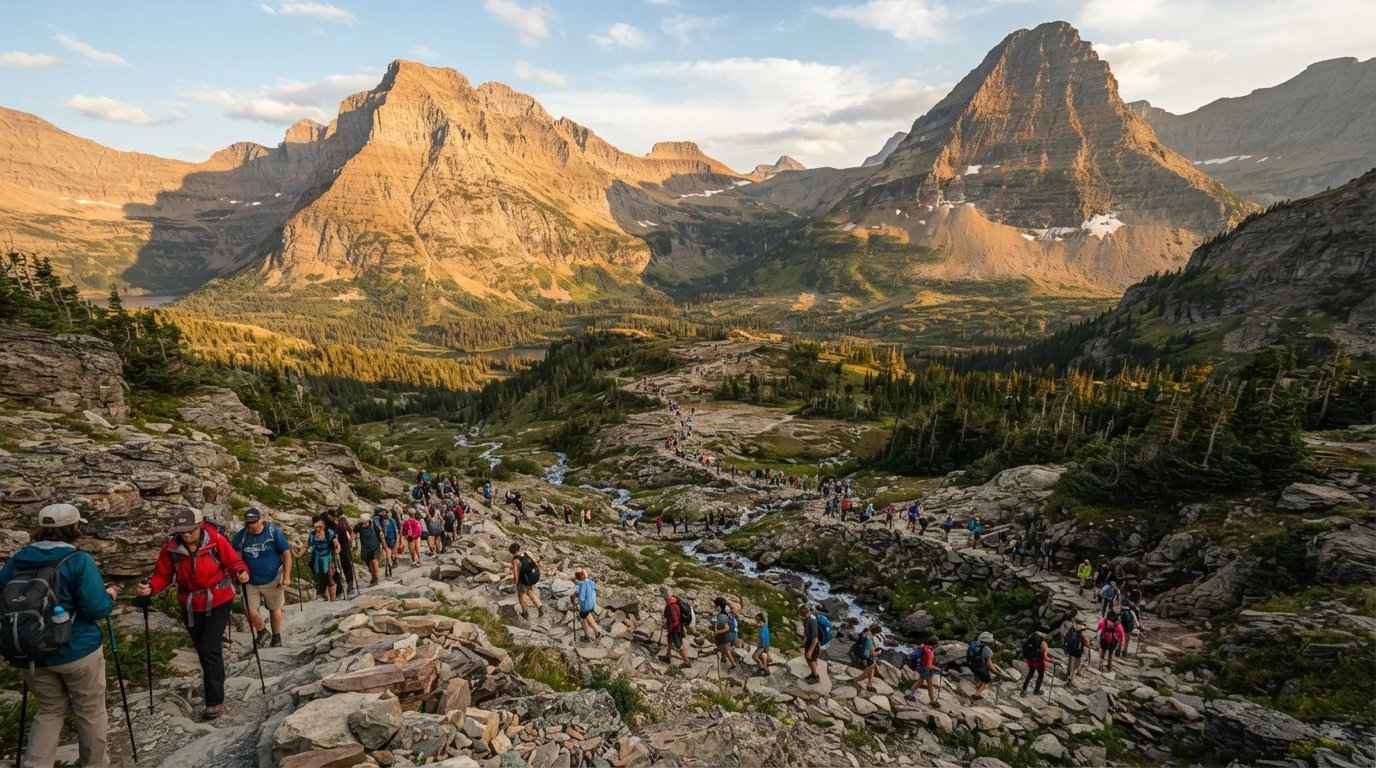
Rocky Mountain, Grand Teton, Glacier, Yellowstone, and Badlands form the spine of this region. Yellowstone is the headline act - the world's largest active geothermal system, with geysers, hot springs, and wildlife density (bison, wolves, grizzlies) that is genuinely rare. Grand Teton's jagged peaks rise abruptly from a flat valley floor with almost no transition, creating one of the most recognizable skylines in the American West.
Altitude is the defining variable in the Rockies. Many trailheads sit above 9,000 feet; visitors arriving from sea level should allow time to acclimatize before attempting strenuous hikes. The Great Plains units like Badlands and Theodore Roosevelt are less trafficked, offering a different kind of solitude - fossil beds, eroded buttes, and vast grassland horizons. Planning a route through multiple regions? See our cross-country road trip planning guide for structuring an itinerary across park clusters.
325M+
Annual visits across all NPS units
According to National Park Service visitation statistics, the park system collectively draws hundreds of millions of visits each year.
~84M acres
Total land managed by the NPS
The National Park Service manages roughly 84 million acres of land across the United States, including territories.
63
Designated national parks (not total NPS units)
Of the 400+ NPS units, 63 carry the specific designation of 'national park,' a distinction based on size, ecological significance, and Congressional designation.
The East and Southeast: Accessibility and Ancient Forests
The eastern parks are often dismissed as secondary, which is a mistake. Great Smoky Mountains is the most visited national park in the system - year after year - and for good reason: it's accessible to a huge portion of the US population, free to enter, and rich in biodiversity. Acadia in Maine delivers coastal drama and fall foliage in equal measure, while Shenandoah's Skyline Drive offers an approachable entry point for first-time park visitors.
What defines this region ecologically is moisture and biological diversity. The southern Appalachians are among the most species-rich temperate forests on Earth. The Everglades, a subtropical wetland ecosystem in Florida, operates on its own terms entirely - flat, flooded, and best navigated by canoe or kayak. Before you arrive anywhere in this region - or any region - work through a solid preparation checklist covering reservations, gear, and seasonal considerations. Each park has its own entry and permit logistics, and assumptions borrowed from one region rarely translate cleanly to another.