How Each Type Actually Works
The most fundamental difference between physical and chemical sunscreens is their mechanism of action - in plain terms, what they actually do when UV light hits your skin.
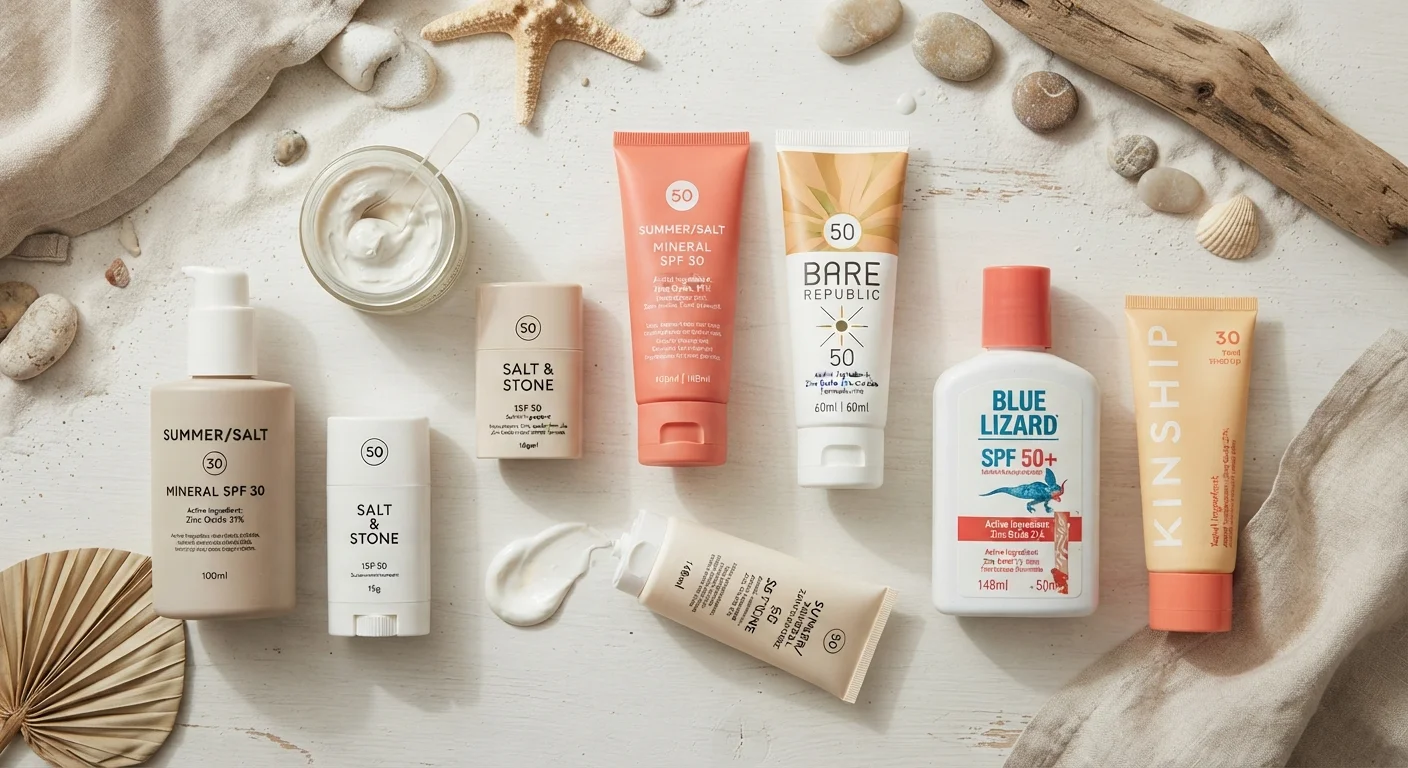
Physical (mineral) sunscreens use active ingredients - most commonly zinc oxide, titanium dioxide, or a combination of both - that sit on the outer layer of skin and act like a mirror. They scatter and reflect ultraviolet rays before those rays can penetrate. Because the barrier is formed the moment the product dries, protection is essentially immediate.
Chemical sunscreens work differently. Their active ingredients - such as avobenzone, oxybenzone, octinoxate, or homosalate - are absorbed into the skin, where they act like UV sponges. When UV rays hit, these molecules absorb the energy and convert it into a small amount of heat, which then dissipates. The skin itself is never directly struck by the radiation.
Both approaches are proven methods of UV protection. The FDA regulates both categories and requires sunscreens to meet established safety and efficacy standards. Neither type guarantees zero UV exposure - proper application and reapplication are essential for either formula to perform as labeled.
| Criterion | Physical (Mineral) Sunscreen | Chemical Sunscreen |
|---|---|---|
| Active Ingredients | Zinc oxide, titanium dioxide | Avobenzone, oxybenzone, octinoxate, etc. |
| How It Works | Reflects and scatters UV rays | Absorbs UV rays, converts to heat |
| Time to Protection | Immediate on application | ~15-20 min after application (traditional guidance) |
| Texture & Finish | Thicker; may leave white cast | Lightweight; sheer finish |
| Skin Sensitivity | Generally gentler for sensitive skin | May irritate very reactive skin types |
| Wears Under Makeup | Can affect makeup color payoff | Blends easily under makeup |
| Broad-Spectrum Coverage | Yes (zinc oxide covers UVA + UVB) | Yes (when formulated with correct filters) |
| Reapplication Needed | Every 2 hours (or after swimming/sweating) | Every 2 hours (or after swimming/sweating) |
Skin Type, Texture, and Real-World Wearability
Beyond chemistry, the experience of wearing each type day-to-day matters just as much as how they function.
Mineral sunscreens tend to be thicker. The trade-off for their gentleness is that they can feel heavier on the skin and may leave a chalky white cast - a well-documented challenge for people with medium to deep complexions. Newer mineral formulas are improving on this with finely milled particles and tinted options, but it remains something to be aware of.
Chemical sunscreens are typically thinner and more cosmetically elegant. They absorb quickly, feel lightweight, and are unlikely to affect makeup. The downside is that some chemical filters - particularly oxybenzone - have been associated with skin sensitivity reactions in certain individuals, though this is not universal. If you have reactive skin, patch testing any new formula is always a smart first step.
SPF 30
Minimum SPF recommended by dermatologists
The American Academy of Dermatology recommends SPF 30 or higher for daily sun protection, regardless of sunscreen type.
2 hours
Maximum time before reapplication is needed
Both physical and chemical sunscreens require reapplication every two hours of sun exposure, and more frequently after swimming or heavy sweating.
~1 oz
Amount needed to cover the whole body
Most people apply far less than the recommended amount, which significantly reduces actual SPF performance regardless of the formula used.
It's also worth noting that the terms "clean" and "mineral" are sometimes used interchangeably in marketing - but they aren't the same thing. For a deeper look at how beauty label language can be misleading, see our guide to clean beauty ingredient labels.
This article is for general informational purposes only and is not a substitute for professional dermatological or medical advice. Consult a qualified dermatologist for personalized skincare recommendations.