Why "Clean" Doesn't Mean What You Might Think
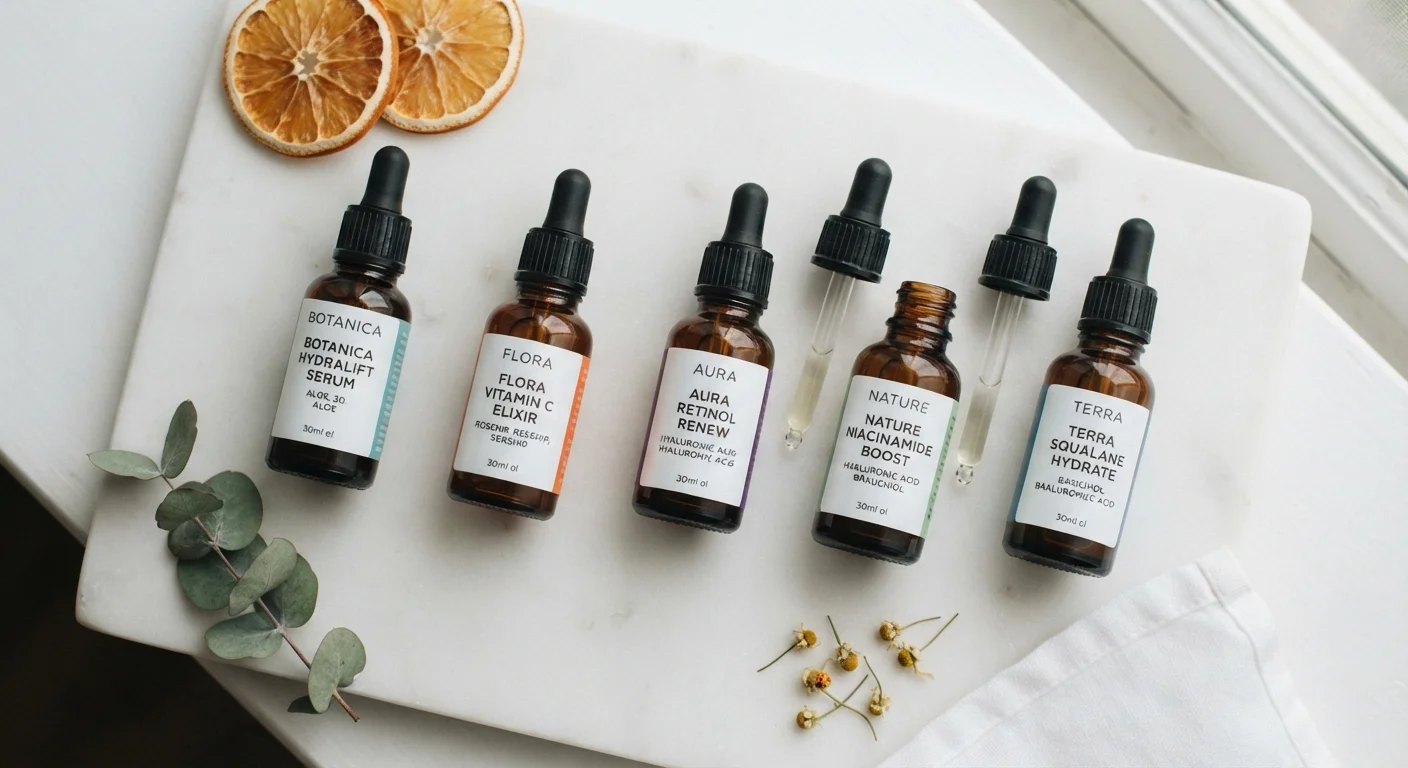
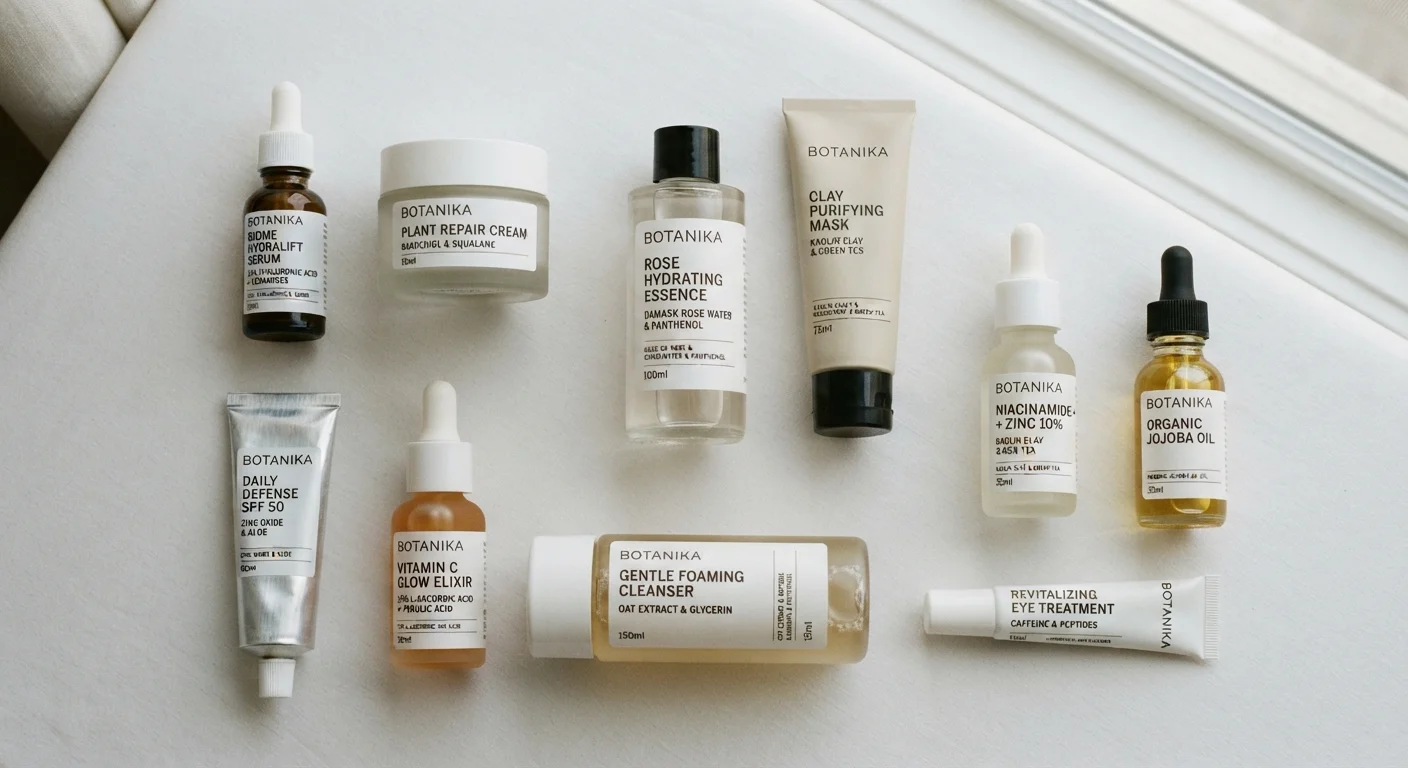
Walk into any beauty aisle and you'll see labels shouting "clean," "green," "non-toxic," and "all-natural." These terms feel reassuring - but in the U.S., they carry no legal weight. The FDA does not define or certify these claims for cosmetics, which means every brand gets to write its own rulebook.
One retailer's "clean" standard might ban 1,500 ingredients; another's might exclude fewer than 50. A product marked "natural" might still contain synthetic preservatives. Understanding this gap between marketing language and actual formulation is the foundation of smarter beauty shopping.
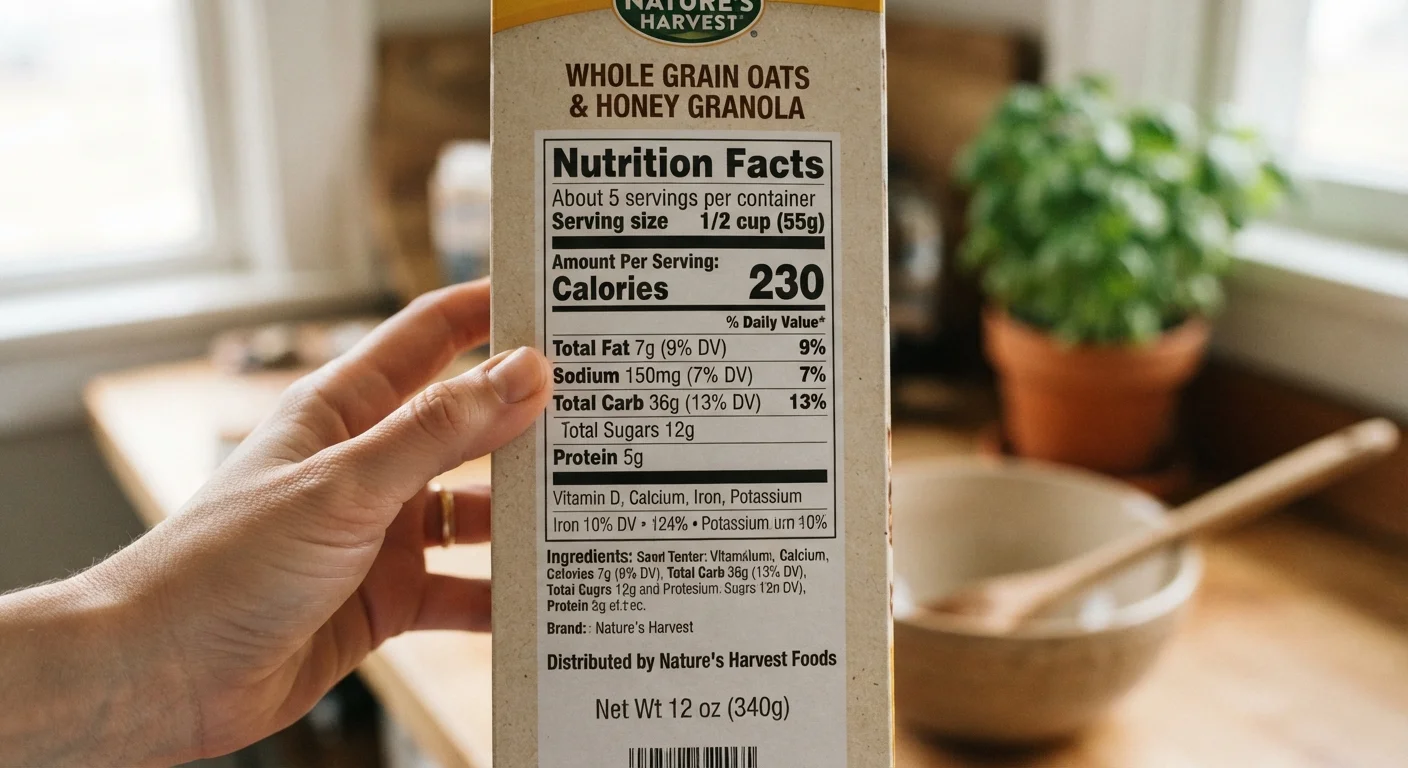
This doesn't mean these products are bad - it means the label alone tells you very little. The real information is in the ingredient list. For a useful comparison, think about how regulated nutrition labeling works versus how open beauty labeling remains - see our guide on reading a nutrition facts label for context on how structured disclosure differs.
"Natural" Doesn't Equal Risk-Free
Some of the most potent allergens in cosmetics come from natural sources - essential oils, botanical extracts, and plant-derived compounds can all cause reactions in certain individuals. The origin of an ingredient (plant vs. lab) is not a reliable proxy for its safety profile on your skin. When in doubt, patch testing on a small area of skin before full use is a practical precaution.
How to Actually Read a Cosmetic Ingredient List
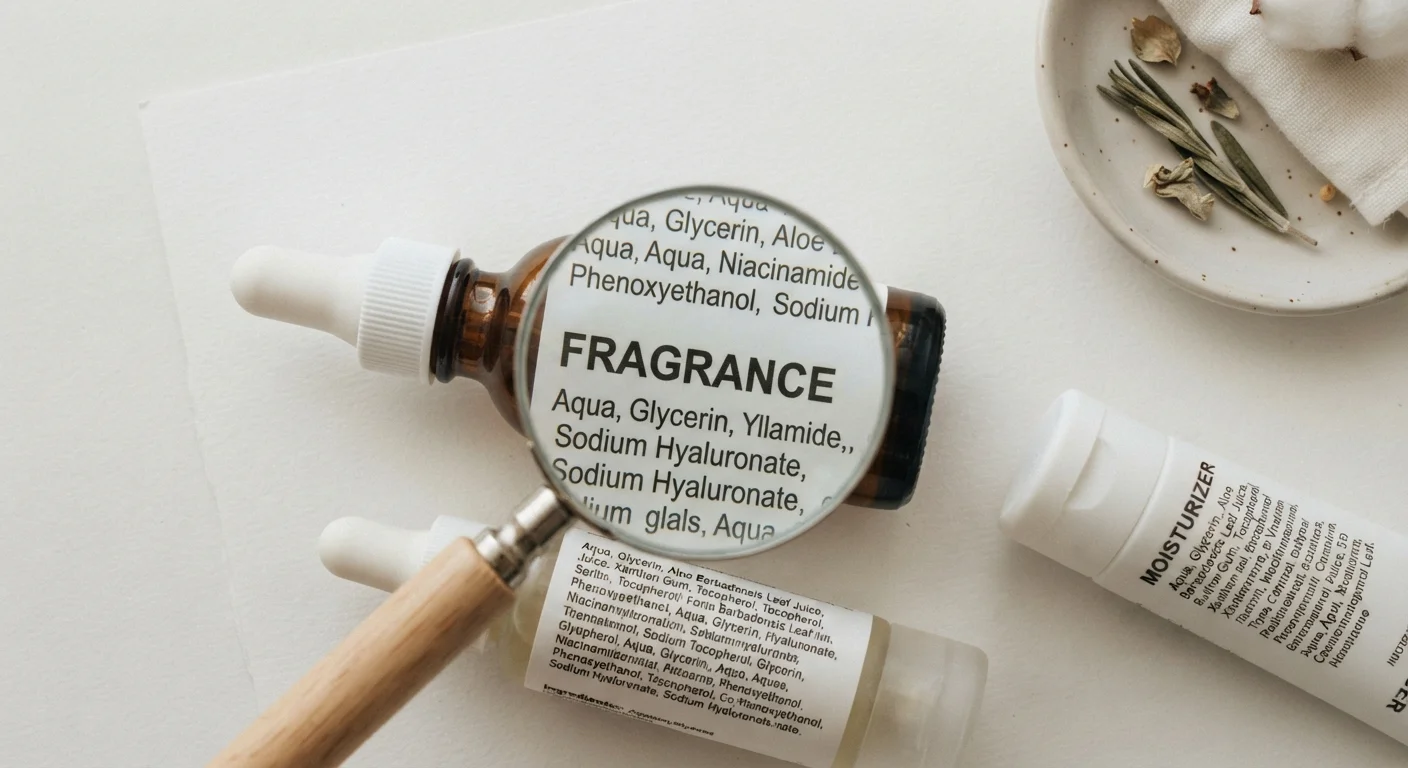
U.S. cosmetic labels are required to list ingredients using INCI names - the International Nomenclature of Cosmetic Ingredients - in descending order by concentration. The first ingredient on the list is present in the highest amount; ingredients near the bottom are typically present at less than 1%, often listed in any order after that threshold.
A few things this tells you right away:
- Water (Aqua) is the base of most leave-on and rinse-off products, so seeing it first is completely normal.
- Active or beneficial ingredients that appear near the end of the list are present in very small amounts - which may or may not be effective depending on the ingredient and concentration needed.
- Preservatives, fragrances, and colorants typically appear toward the bottom, even though they can have significant effects on sensitive skin.
For a deeper look at what specific active ingredients actually do, our plain-English glossary of skincare actives breaks down the most common ones in straightforward terms.
Use an Ingredient Decoder Tool
Several free online databases - such as those maintained by cosmetic science organizations - let you search INCI ingredient names and see what each one is and what function it serves. Running an unfamiliar ingredient through one of these tools takes about 30 seconds and can clarify a lot of label confusion quickly. It's a habit worth building, especially if you have specific skin concerns.
The Fragrance Loophole - and Why It Matters
One of the most significant gaps in cosmetic labeling is the word "fragrance" (or "parfum"). Under current U.S. rules, manufacturers can list fragrance as a single ingredient without disclosing the individual compounds it contains - which can number in the dozens.
This matters because fragrance is one of the most common causes of contact dermatitis and skin sensitivity. Some fragrance compounds are allergens at certain concentrations. If you have reactive or sensitive skin, learning to spot fragrance - including "natural fragrance" and essential oils, which carry their own sensitization potential - is genuinely useful.
Our article on fragrance in skincare covers what the label actually includes and when avoiding it is most relevant. Also worth remembering: your skin's reaction to any ingredient isn't just about what you put on it - factors like stress, diet, and environment also play a role, as explored in factors that quietly affect your skin.
1,400+
Ingredients restricted or banned in EU cosmetics
The European Union's Cosmetics Regulation restricts or bans over 1,400 substances from cosmetic products, compared to a much smaller number under U.S. FDA rules - illustrating why global regulatory context matters when evaluating label claims.
~30
Ingredients banned or restricted by FDA in cosmetics
As of available public FDA guidance, the U.S. restricts or bans far fewer cosmetic ingredients than many other countries, which is one reason "clean beauty" standards emerged as a market-driven concept.
1 in 4
Americans report sensitive or reactive skin
Surveys suggest roughly one in four U.S. adults identify as having sensitive skin, making ingredient transparency a practical concern for a significant portion of beauty consumers.
Common Label Claims - Decoded
Beyond "clean," a handful of other claims appear frequently. Here's what they typically mean in practice:
- "Dermatologist tested"
- A dermatologist was involved in some testing, but the scope, sample size, and outcomes aren't disclosed. It's not a certification.
- "Hypoallergenic"
- No FDA standard governs this term. It generally implies a lower likelihood of allergic reaction, but no product can be guaranteed allergy-free for everyone.
- "Non-comedogenic"
- Formulated to be less likely to clog pores. Testing methods vary and there's no universal standard - though for acne-prone skin, it's still a useful signal to look for.
- "Organic" or "made with organic ingredients"
- USDA organic certification can apply to cosmetics when agricultural ingredients are involved, but full organic certification for cosmetics is rare and costly. Products may use organic ingredients without the full certification.
Understanding these distinctions helps you cut through label noise and focus on what's actually in a product. For more on how ingredient and formulation labels work across categories, see our broader skincare basics hub.