Why Your Skin Notices Every Season Change
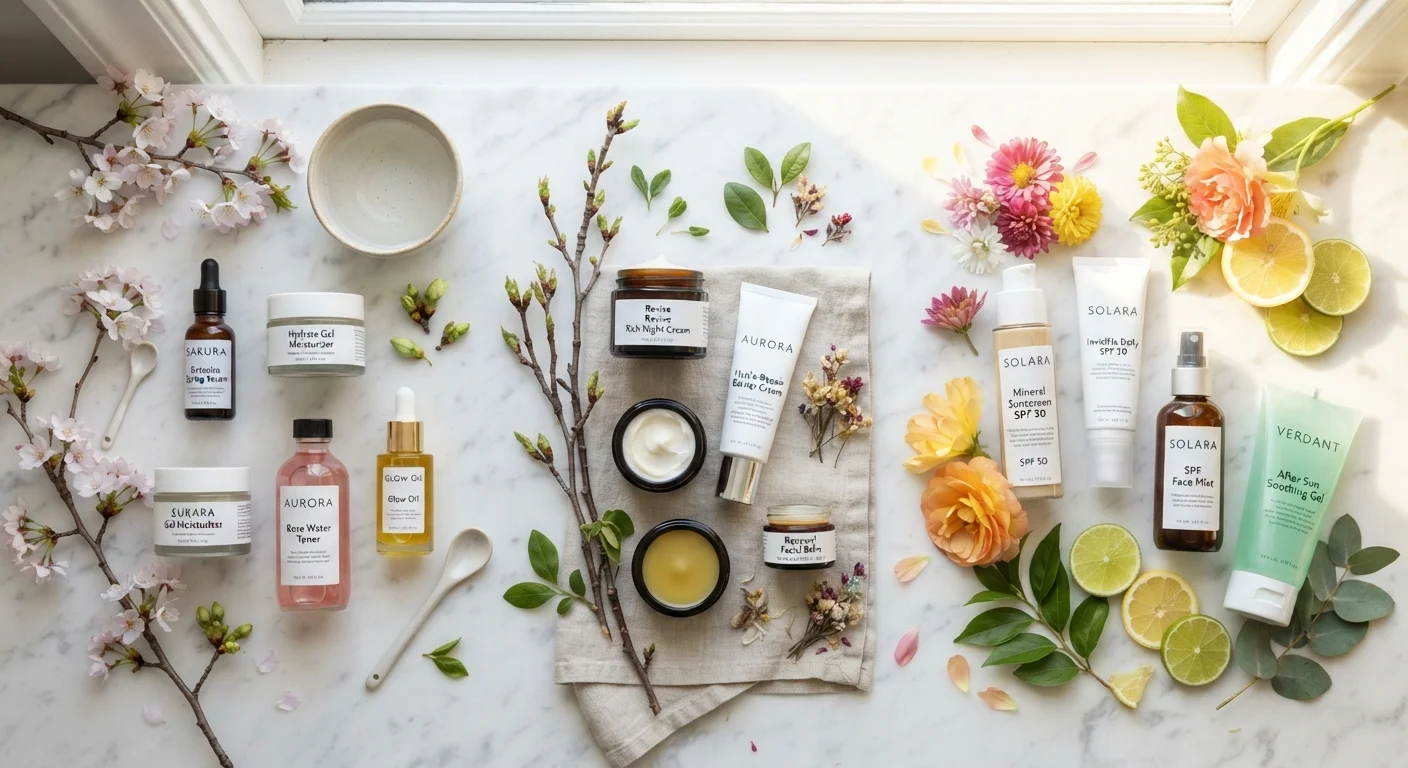
Think of your skin as a living barometer. Cold, dry air strips moisture; humid heat can trigger excess oil and congestion; UV intensity fluctuates even when temperatures feel mild. What worked beautifully in October may feel suffocating in July - and that's completely normal.
A seasonal skincare audit isn't about buying a new routine from scratch. It's a structured check-in: examine what your skin is actually doing right now, identify what's no longer serving it, and make targeted swaps. The same logic applies to your wardrobe - just as you'd consult a seasonal wardrobe checklist, your skin benefits from a deliberate, step-by-step reassessment rather than a reactive overhaul.
Environmental factors quietly shape skin health in ways that go beyond what you apply topically. Indoor heating, water hardness, stress, and sleep all play a role - a point explored further in our article on factors that quietly affect your skin. This checklist focuses on what you can audit and adjust on your own.
Resist the urge to overhaul everything at once
Changing multiple products simultaneously makes it nearly impossible to identify what's helping or causing a reaction. Aim to swap or introduce no more than one product at a time, leaving at least two weeks between changes. Sudden, sweeping routine changes are one of the most common causes of unexpected skin flare-ups during seasonal transitions.
What You'll Need Before You Start
Gather a few simple tools before working through the checklist. You don't need a dermatology degree - just honest observation and a few minutes of focused attention.
Good natural lighting or a magnifying mirror
Helps you accurately observe skin texture, tone changes, and any new concerns before the audit.
A simple notebook or notes app
Record what's working, what needs adjusting, and products flagged for replacement so you have a clear action list.
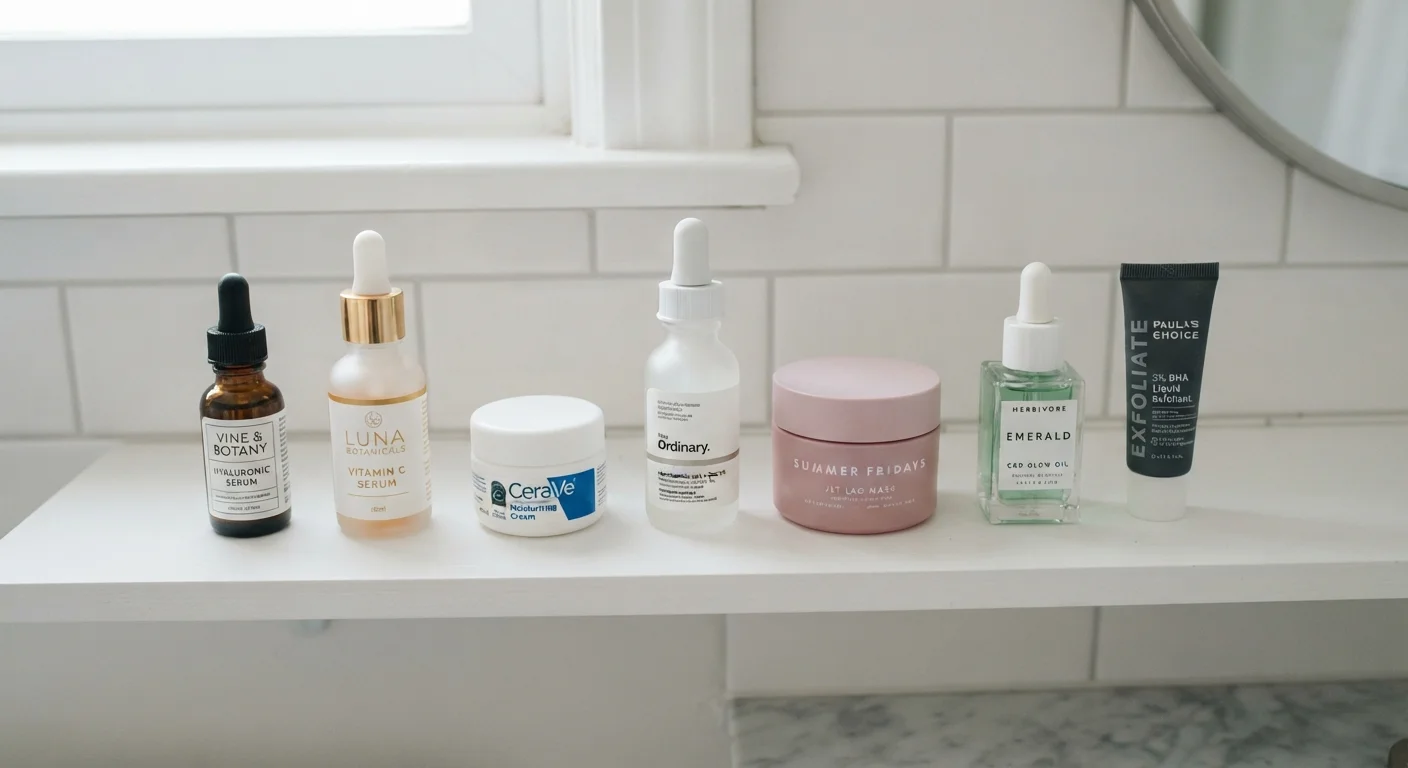
Current skincare product lineup
Have all your existing products accessible so you can check formulas, expiry dates, and PAO symbols during the audit.
A local humidity and temperature reference
Knowing your current and upcoming seasonal climate conditions helps you make informed decisions about formula weights and UV protection.
The Seasonal Skincare Audit Checklist
Work through each group in order. For each item, note a quick status: Still working, Needs adjusting, or Replace. Resist the urge to change everything at once - staggering product introductions makes it far easier to spot what's helping or causing a reaction. Our guide on introducing new skincare products safely walks through patch testing and product cycling in detail.
Observe Your Current Skin State
Audit Your Cleanser
Reassess Moisture and Hydration
Review Sun Protection
Evaluate Active Ingredients
Check Lifestyle and Environmental Factors
SPF Is Non-Negotiable in Every Season
UV radiation contributes to cumulative skin damage regardless of season, cloud cover, or temperature. Broad-spectrum sun protection should remain a fixed part of your morning routine year-round - this is one step that should not be skipped or swapped out during a seasonal audit. If you have specific concerns about sun sensitivity or skin conditions, speak with a dermatologist.
Putting Your Audit Into Action
Once you've flagged what needs adjusting, prioritize must items first - particularly SPF and your core moisturizer. Give any new product at least two to three weeks before judging its effect on your skin. Seasonal changes can cause temporary skin responses (mild dryness or brief breakouts) that resolve on their own as your skin adapts to new humidity or temperature levels.
Also consider how your routine timing fits your skin's natural rhythm. If you haven't thought about it, it's worth reading about why daytime and nighttime routines differ - the ingredients best suited to each shift with the seasons too. And if you're layering multiple products, sequence matters: see our overview on layering skincare in the right order to make sure actives are absorbing effectively.
Repeat this audit every time your climate shifts noticeably - typically at least twice a year, but more often if you travel between climates or experience significant weather swings. Small, deliberate adjustments made consistently tend to produce more stable skin than dramatic seasonal overhauls.
This article is for general informational and educational purposes only and is not a substitute for professional dermatological or medical advice. If you have a skin condition, persistent symptoms, or concerns about a new product's effects, consult a qualified dermatologist or healthcare provider.