Why Fabric Matters More Than You Think
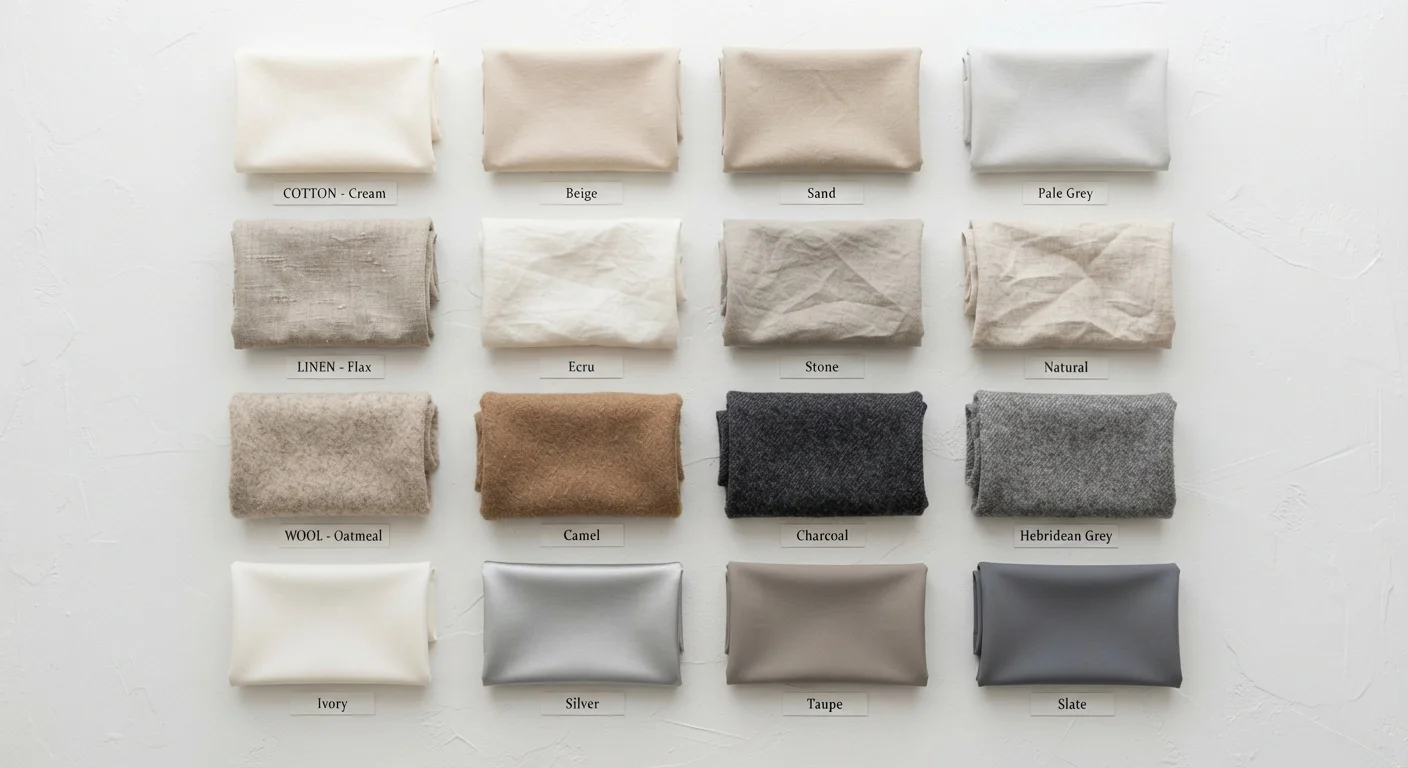
You've probably pulled a shirt off the rack, loved the color, and then realized it felt scratchy, clingy, or sweaty the moment you actually wore it. That's a fabric problem - and it's one of the most common (and fixable) frustrations in everyday dressing. Knowing what the four most common fabrics - cotton, linen, polyester, and wool - actually feel like to wear helps you shop smarter, dress more comfortably, and build a wardrobe that truly works for your life.
| Most Breathable Natural Fiber | Linen |
| Most Common Everyday Fabric | Cotton |
| Best for Wrinkle Resistance | Polyester |
| Naturally Temperature-Regulating | Wool (especially merino) |
| Fabric That Softens Most with Washing | Linen |
| Most Durable for High-Use Garments | Polyester and polyester blends |
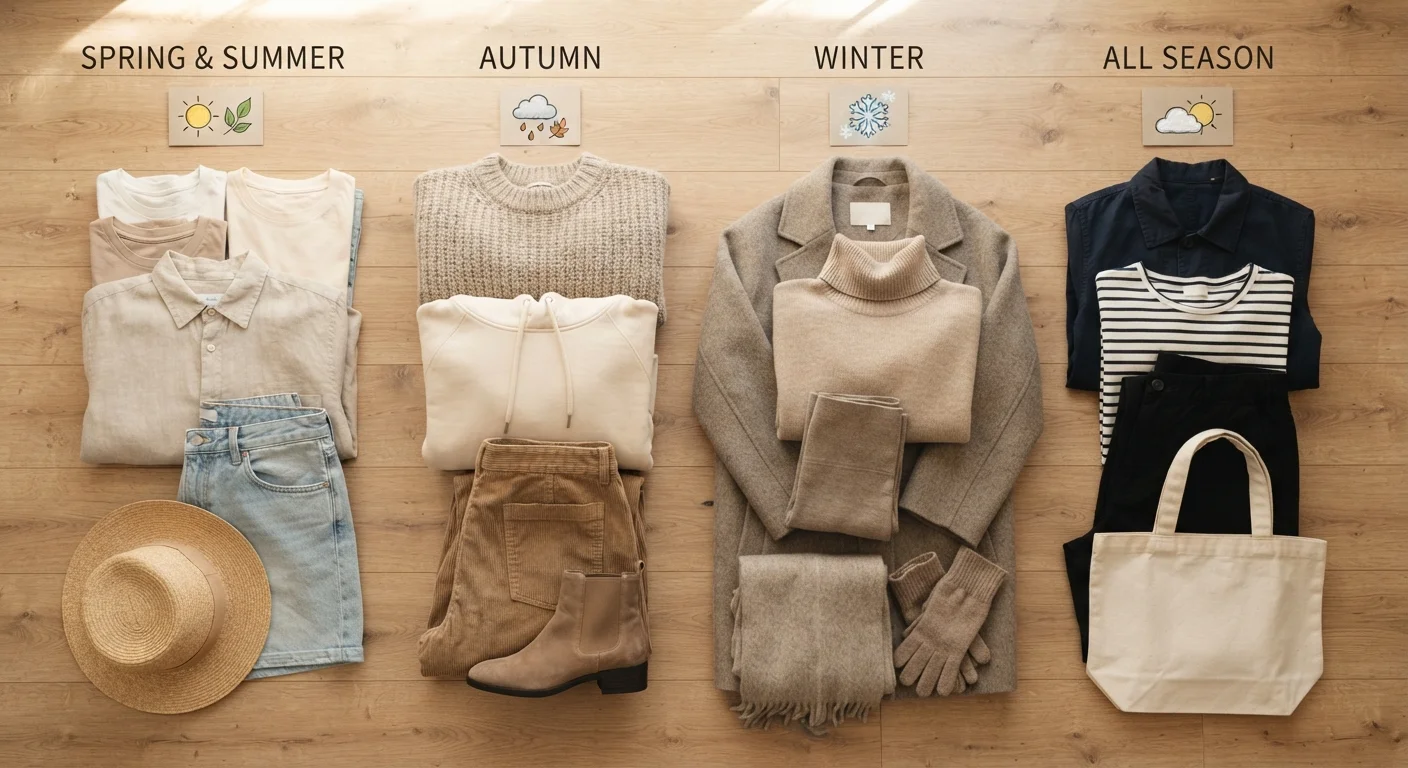
For guidance on pairing fabric choices with different weather conditions, check out how fabric and layering work across seasons.
Cotton: The Everyday Workhorse
Cotton is the fabric most of us grew up wearing, and for good reason. It's soft against skin, breathable, and relatively easy to care for. Because cotton is a natural fiber, it absorbs moisture well - meaning it pulls sweat away from the body rather than trapping it. That makes it a reliable choice for everyday basics like t-shirts, underwear, and casual button-downs.
The trade-off? Cotton wrinkles easily and can shrink in the wash if not handled correctly. Heavier cotton weaves (like denim or canvas) are more structured and durable; lighter weaves (like jersey or voile) drape softly and feel almost airy. If you run warm or live somewhere humid, cotton is generally a comfortable, low-fuss option.
Linen: Breezy but Honest About Its Quirks
Linen is made from the flax plant and is widely considered one of the most breathable fabrics available. It's stiffer than cotton at first, but softens with each wash. Linen feels cool and slightly textured against the skin - that subtle roughness is part of its charm, though sensitive skin types may find it less comfortable in tight fits.
Here's the honest part: linen wrinkles aggressively. If you wear a linen blazer for more than twenty minutes, it will have creases. Many linen fans simply embrace this as part of the fabric's relaxed, lived-in aesthetic. Linen is especially well-suited to warm weather - it's a staple fabric in summer wardrobes for good reason.
Linen Wrinkles Are a Feature, Not a Flaw
Linen's tendency to crease is an inherent property of the flax fiber - it cannot be fully engineered out without blending. Many style guides encourage embracing linen's relaxed texture as part of a casual, effortless aesthetic. If wrinkles bother you, look for linen-cotton blends, which soften the effect while retaining much of the breathability.
Polyester: Practical and Often Misunderstood
Polyester gets a bad reputation, but it's worth understanding what it actually does well. As a synthetic fabric, polyester is durable, wrinkle-resistant, and holds color vibrantly. It's also quick-drying and resilient to stretching and shrinking - qualities that make it a go-to for activewear and easy-care clothing.
Where polyester falls short is breathability. It doesn't absorb moisture the way natural fibers do, which can feel warm or clammy in hot weather if the garment isn't engineered with ventilation in mind. That said, modern moisture-wicking polyester blends used in athletic wear are specifically designed to manage sweat. In colder months or as a base layer, polyester can actually help retain body heat effectively.
~60%
Share of global fiber production that is synthetic
According to Textile Exchange's Preferred Fiber & Materials Market Report, synthetic fibers - primarily polyester - account for the majority of global fiber output.
2-3×
Longer lifespan of wool garments vs. many synthetics when properly cared for
The International Wool Textile Organisation notes that high-quality wool garments typically outlast many synthetic alternatives when given appropriate care.
Wool: More Versatile Than Its Reputation Suggests
Many people assume wool means itchy and hot - but that's a generalization worth revisiting. The feel of wool depends heavily on the grade and type. Fine merino wool, for example, is soft enough to wear directly against the skin and is naturally temperature-regulating, meaning it keeps you warm when it's cold and releases heat when you're active. Coarser wool blends are better suited for outer layers like coats and structured blazers.
Wool is also naturally moisture-wicking and odor-resistant, which is why it's a favorite material for travel clothing and outdoor gear. The main care consideration: most wool garments should be hand-washed or dry-cleaned to prevent felting (shrinking and matting together). Wool is a longer-term investment, but when cared for properly, it lasts for years.
Blends and What to Look for on the Label
Many garments combine multiple fibers to balance the strengths of each. A cotton-polyester blend, for instance, tends to be softer than pure polyester while resisting wrinkles better than pure cotton. A wool-synthetic blend may offer warmth with easier care instructions. Reading the fiber content label before purchasing gives you a quick preview of how a garment will feel, behave, and age.
There's no universally "best" fabric - the right choice depends on your climate, lifestyle, activity level, and how much care you're willing to give a garment. Treat fabric knowledge as a tool, not a rulebook, and you'll find getting dressed becomes a lot more intuitive.
Natural fiber
A fabric material derived from plants or animals, such as cotton (plant), linen (flax plant), or wool (sheep). Natural fibers are generally breathable and biodegradable.
Synthetic fiber
A man-made fabric material produced from chemical processes, such as polyester or nylon. Synthetics are often more durable and wrinkle-resistant than natural fibers but tend to breathe less.
Moisture-wicking
The ability of a fabric to draw sweat away from the skin and toward the outer surface of the garment where it can evaporate. Common in athletic and performance fabrics.
Felting
A process where wool fibers mat together due to heat, agitation, or improper washing, causing the garment to shrink and lose its original texture permanently.
Fiber blend
A fabric made from two or more different fiber types woven or knit together. Blends are designed to combine the best properties of each fiber - for example, softness from cotton and durability from polyester.
Weave
The pattern in which threads are interlaced to form a fabric. The weave affects how a fabric drapes, breathes, and wears - for example, a loose weave creates a lighter, airier feel.