Why First-Time Buyers Keep Getting Surprised
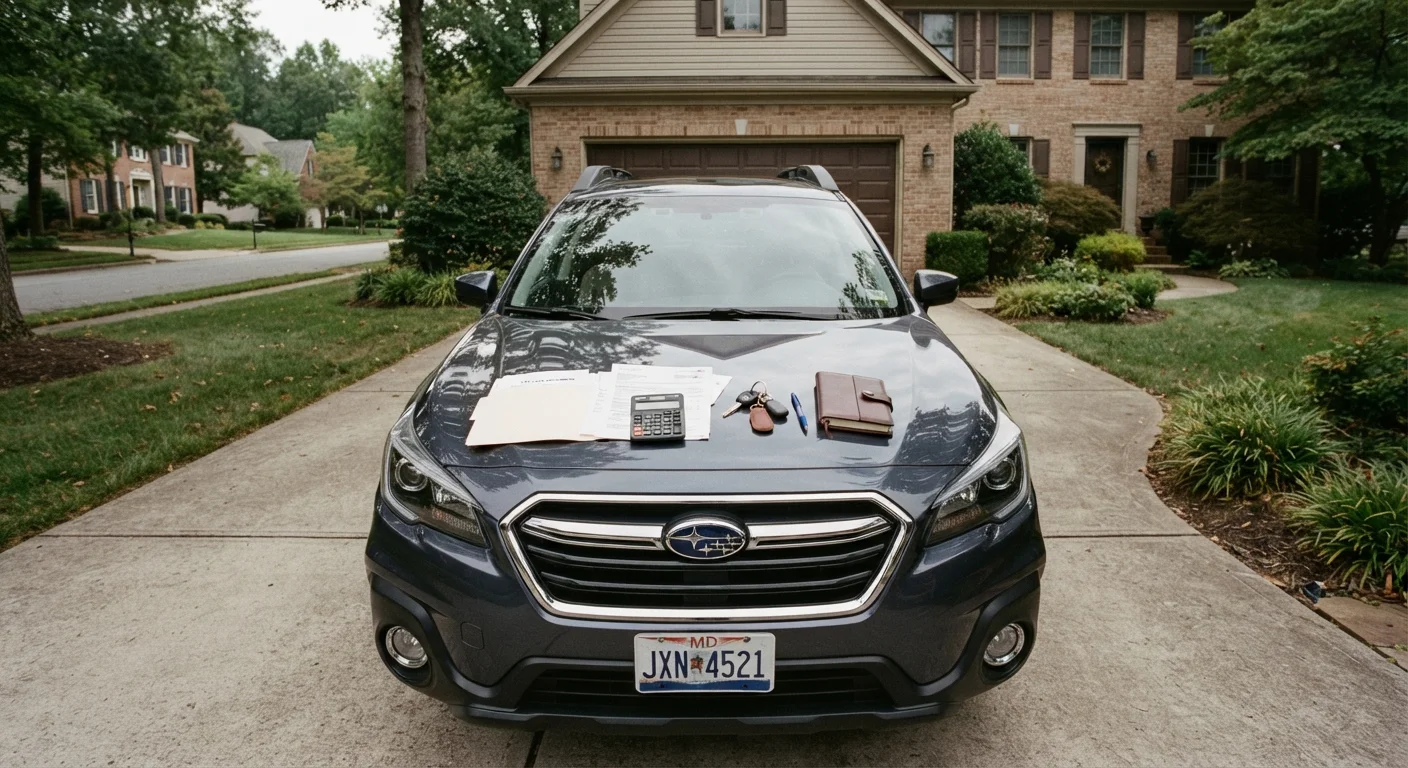
For most first-time car buyers, the negotiation ends at the monthly payment. If the number fits the budget, the deal feels done. But that payment - covering only the loan principal and interest - often represents less than half of what the vehicle will actually cost to own each month. The gap between perceived cost and real cost is where financial strain quietly takes root.
The expenses that catch new owners off guard aren't obscure. They're predictable, recurring, and well-documented - they're simply not part of the sales conversation. Understanding them before signing is the most straightforward way to avoid them. Our pre-purchase financial readiness checklist can help you map these costs before you commit.
Treating the monthly loan payment as the total cost of ownership.
Why it happens: Lenders and dealerships frame affordability around the monthly payment, which makes it easy to ignore the layered costs sitting on top of it.
Overlooking state and local registration and titling fees.
Why it happens: These fees vary significantly by state and are rarely highlighted during the sales process, yet they can add hundreds of dollars at purchase and recur annually.
Skipping gap insurance on a financed vehicle with a small down payment.
Why it happens: Gap insurance - which covers the difference between what you owe on a loan and what the car is worth if it's totaled - sounds optional, but new vehicles depreciate faster than loans pay down.
Failing to budget for tire replacement and wear.
Why it happens: Tires aren't part of standard scheduled maintenance reminders, so new owners rarely think about them until a set needs replacing - often at a cost of $600-$1,200 or more for four tires.
Underestimating how much depreciation affects long-term ownership value.
Why it happens: Depreciation is invisible day-to-day, so buyers rarely feel it - until they go to sell or trade in and discover the vehicle is worth far less than anticipated.
Assuming fuel costs will stay predictable and low.
Why it happens: Fuel economy estimates on window stickers reflect test conditions, not real-world driving. Buyers often anchor on best-case MPG figures without accounting for their actual commute, load, or driving style.
The Numbers Behind the Surprise
~$12,000
Estimated average annual cost to own a vehicle in the US
According to AAA's annual Your Driving Costs study, total ownership costs - including depreciation, insurance, fuel, and maintenance - average around $12,000 per year for a typical new vehicle.
20%+
Value a new car can lose in its first year
Industry data consistently shows many new vehicles depreciate by 15-25% in the first year alone, which significantly affects resale value and loan-to-value ratios.
$1,771
Average annual US auto insurance premium
Bankrate's analysis of insurance rate data indicates the national average annual auto insurance cost exceeded $1,700, though rates vary sharply by state, age, and driving history.
These figures illustrate why budgeting for ownership - not just a loan payment - is essential. A vehicle that looks affordable at the point of purchase can stretch a budget significantly once all recurring costs are factored in. For a structured approach to projecting your actual annual spend, see our guide on building a realistic annual car budget.
Don't Rely on Dealer Financing Comparisons Alone
Dealer finance offices present monthly payment options in ways that can obscure the true loan cost - particularly when loan terms are extended to lower the monthly figure. A 72- or 84-month loan may appear affordable monthly but results in paying significantly more in interest and increases the risk of being "underwater" on the loan. Always calculate the total loan cost - principal plus all interest - before agreeing to terms, and consider getting a pre-approval from your own bank or credit union for comparison. This is general financial information; consult a qualified financial professional for guidance specific to your situation.
Many of the same blind spots that affect car buyers also show up in general household budgeting. If you're new to tracking expenses, the Budgeting Basics hub offers useful frameworks to get started. And if you want a broader picture of what ownership really costs over time, our breakdown of the true cost of owning a car in the US is a natural next step.