The Case for Doing It Yourself
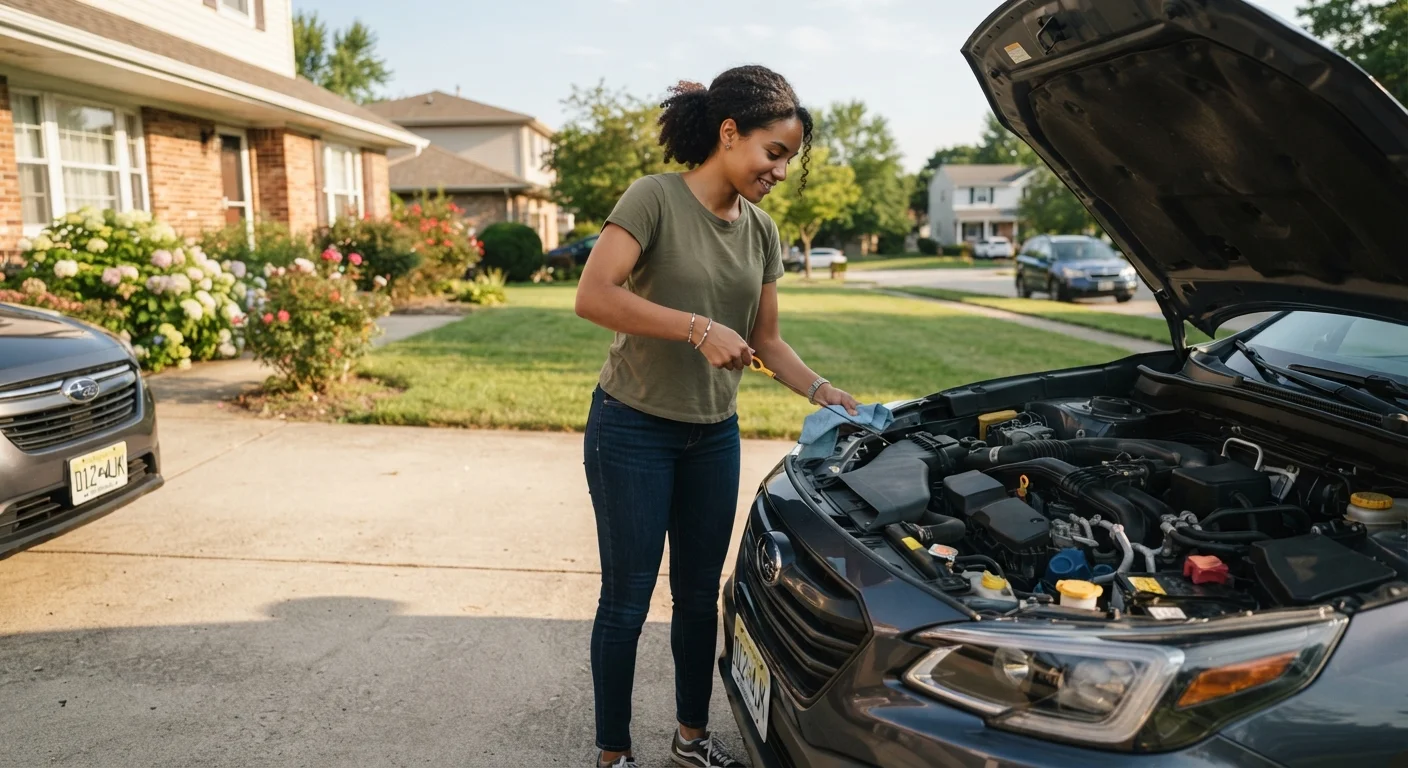
Handling basic maintenance at home offers genuine advantages - lower labor costs, scheduling flexibility, and a deeper familiarity with how your vehicle operates. Routine tasks such as replacing engine air filters, swapping wiper blades, changing cabin air filters, topping off washer fluid, and checking tire pressure require minimal tools and carry low mechanical risk when performed carefully.
Reduces labor costs on routine, low-risk tasks
Shop labor rates in the U.S. commonly range from $80 to $150 per hour. Simple jobs like air filter swaps or wiper changes take minutes at home and require inexpensive parts.
Builds familiarity with your vehicle
Regularly inspecting and servicing your own car helps you notice early warning signs - unusual wear, fluid leaks, or component deterioration - before they escalate.
Flexible scheduling with no appointment needed
DIY maintenance fits into your own timeline rather than a shop's availability, which is particularly useful for time-sensitive checks like pre-trip tire inspections.
Immediate feedback on vehicle condition
Hands-on inspection gives you direct, real-time insight into what your vehicle needs - rather than relying solely on a shop's written estimate.
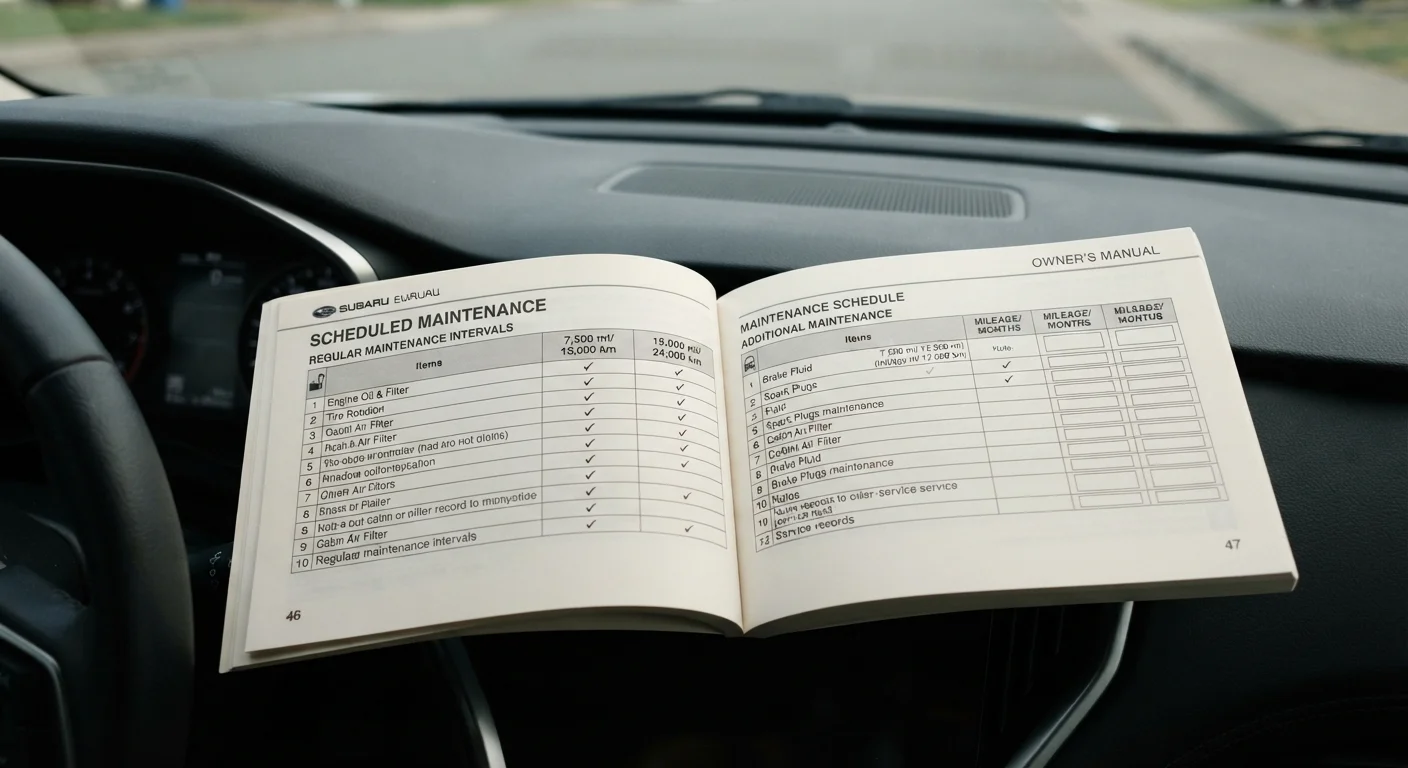
For newer drivers building their automotive confidence, these low-stakes jobs are a logical starting point. Our guide for new drivers outlines which habits matter most early on. And before attempting any task, always cross-reference the procedures and intervals in your owner's manual - it contains vehicle-specific guidance that generic advice cannot replicate.
Where DIY Maintenance Falls Short
The line between manageable and risky shifts quickly when safety-critical systems are involved. Brake pad replacement, rotor resurfacing, suspension component swaps, timing belt service, and anything touching the airbag or ABS systems require precise torque specifications, specialized diagnostic tools, and a working knowledge of failure consequences. An improperly bled brake line or an incorrectly reinstalled caliper can compromise stopping power in ways that aren't immediately obvious.
Mistakes on safety systems carry serious consequences
Errors involving brakes, steering, or suspension don't just damage your vehicle - they can create unsafe conditions on the road that put you and others at risk.
Many repairs require specialized tools or diagnostics
Modern vehicles rely on OBD-II scanners, torque wrenches, and manufacturer-specific software for accurate diagnosis and repair - equipment most home garages don't have.
Improper work can void warranty coverage
Certain repairs performed outside a licensed facility or without OEM-spec parts may affect powertrain or component warranty terms, depending on your vehicle's coverage agreement.
Risk of misdiagnosis without professional training
Symptoms like vibration or noise can stem from multiple causes; replacing parts based on guesswork without systematic diagnosis often leads to unnecessary costs.
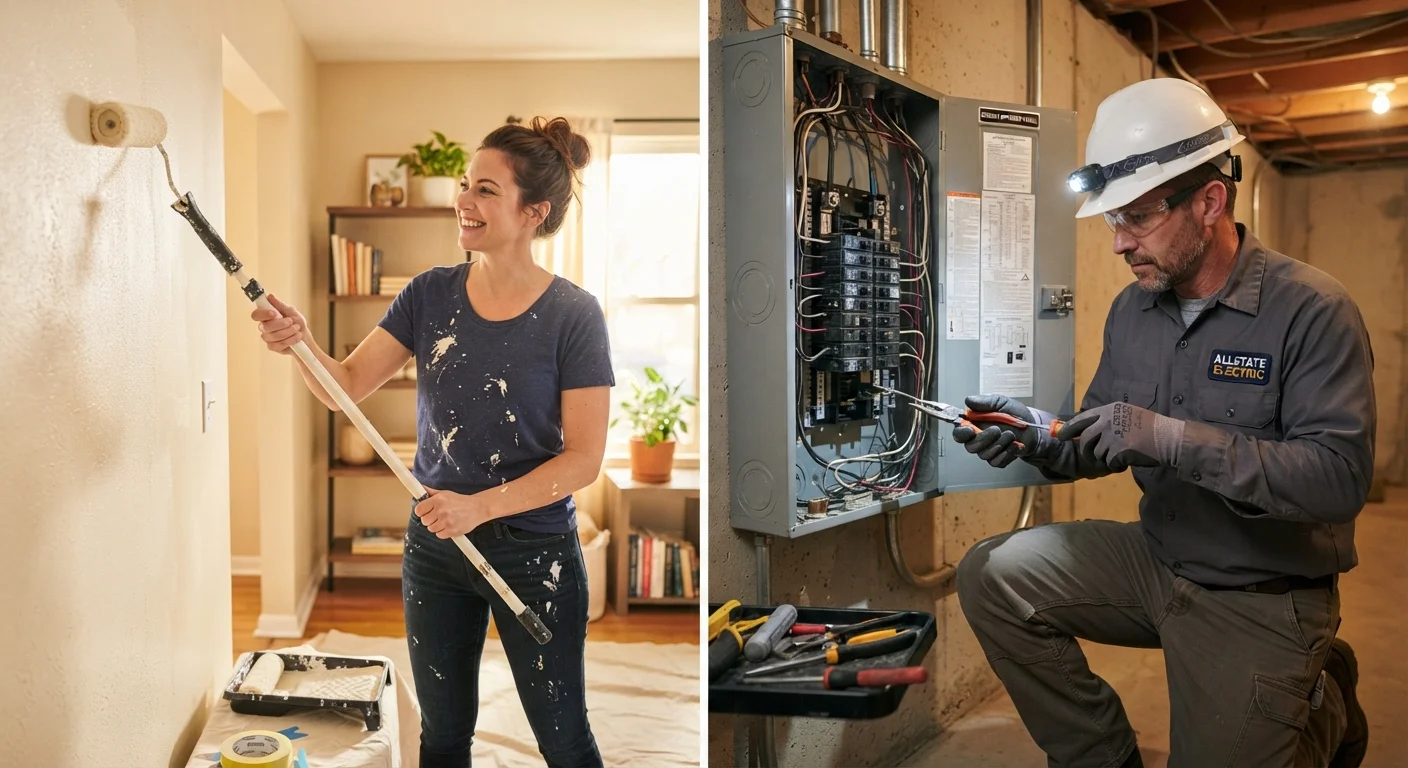
There's also the question of liability and emissions compliance. In many U.S. states, certain modifications or repairs that affect emissions systems must meet regulatory standards - work done incorrectly can cause a vehicle to fail inspection. The framework for knowing when to call a professional applies just as much to vehicles as it does to home repairs: complexity, safety stakes, and required certifications are all deciding factors.
A Practical Framework for Drawing the Line
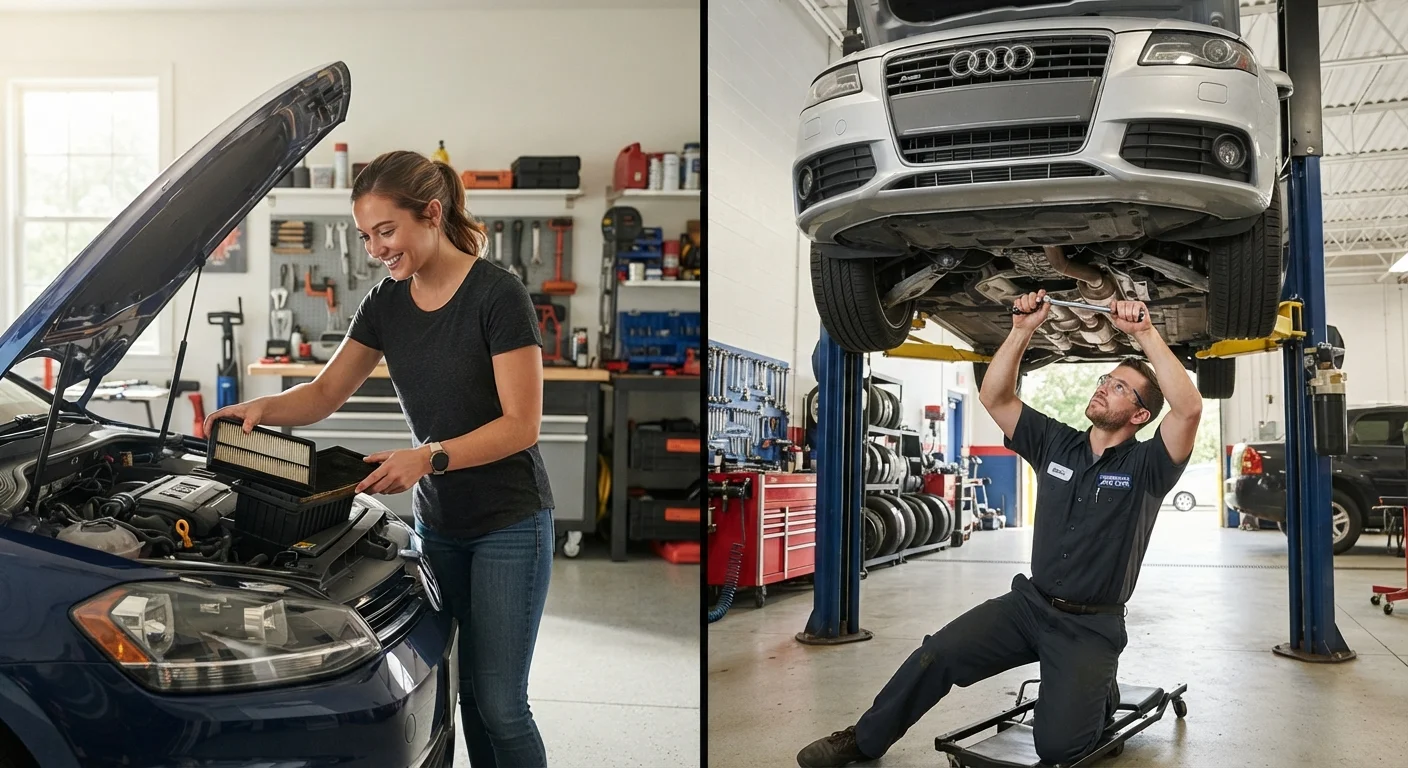
A useful mental model: if a task requires lifting the vehicle for extended periods, involves hydraulic or compressed-gas systems, requires dealer-level scan tools, or if an error could directly affect vehicle control - steer it toward a licensed technician. Tasks you can complete with basic hand tools, without disabling safety systems, and with a clear path to verify the result yourself are generally good DIY candidates.
When in Doubt, Get a Second Opinion
If you're unsure whether a job is within your skill level, many independent mechanics offer inspection-only appointments for a modest diagnostic fee. Getting a professional assessment before attempting a complex repair can prevent costly mistakes. Some community colleges and adult education programs also offer basic automotive courses that cover hands-on diagnostic skills.
$80-$150
Typical U.S. shop labor rate per hour
According to general industry ranges cited by automotive consumer organizations, labor costs vary significantly by region and shop type.
~30%
Share of vehicle repairs DIY-able by most drivers
Industry estimates suggest roughly a third of common maintenance items - filters, fluids, wipers - fall within reach of a careful home mechanic with basic tools.
Keep in mind that "saving money" on a DIY repair only holds if the repair is done correctly the first time. A misdiagnosed problem or an improperly installed component can multiply original costs significantly. When evaluating a job, factor in not just the parts and your time, but the realistic risk of having to pay a shop to undo and redo the work.