Why Checking Fluids Between Service Visits Matters
Scheduled service appointments handle major maintenance milestones, but a lot can change in the weeks or months between visits. Fluids get consumed, contaminated, or can develop slow leaks that never trigger a dashboard warning light until real damage has already begun. Building a simple habit of checking your vehicle's fluids regularly is one of the most cost-effective things any driver can do.
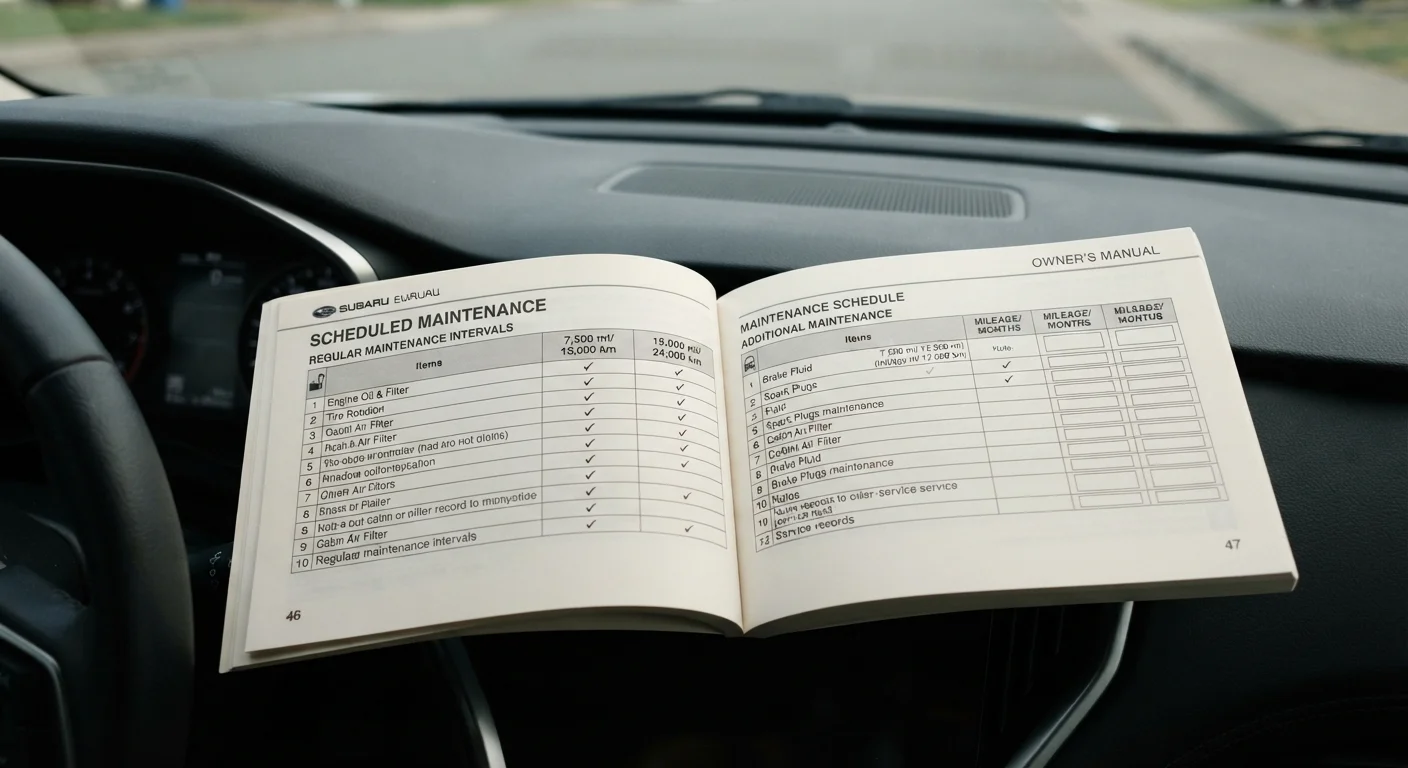
This checklist walks through the six fluids worth inspecting between professional service visits: engine oil, coolant, brake fluid, power steering fluid, transmission fluid, and windshield washer fluid. Each check is straightforward - most require nothing more than a clean rag and a few minutes with the hood up. For vehicle-specific reservoir locations, dipstick markings, and recommended fluid types, your owner's manual is always the authoritative source.
Lint-free rags or paper towels
Needed to wipe dipsticks clean for accurate oil and transmission fluid readings.
Flashlight or work light
Helps locate reservoirs and read fluid colors clearly in a dim engine bay.
Vehicle owner's manual
Provides exact fluid specifications, reservoir locations, and dipstick procedures for your specific vehicle.
Fluid top-off supplies (correct oil grade, coolant type, washer fluid)
Allows you to restore levels on the spot if a fluid is low during your check.
Nitrile gloves
Protects skin from engine fluids, some of which are irritants or toxic if absorbed.
The Fluid-Check Checklist
Work through these checks on a level surface with the engine off and cooled down (unless a step specifies otherwise). Most fluids have visible reservoirs with MIN and MAX markings; a dipstick is used for oil and sometimes transmission fluid.
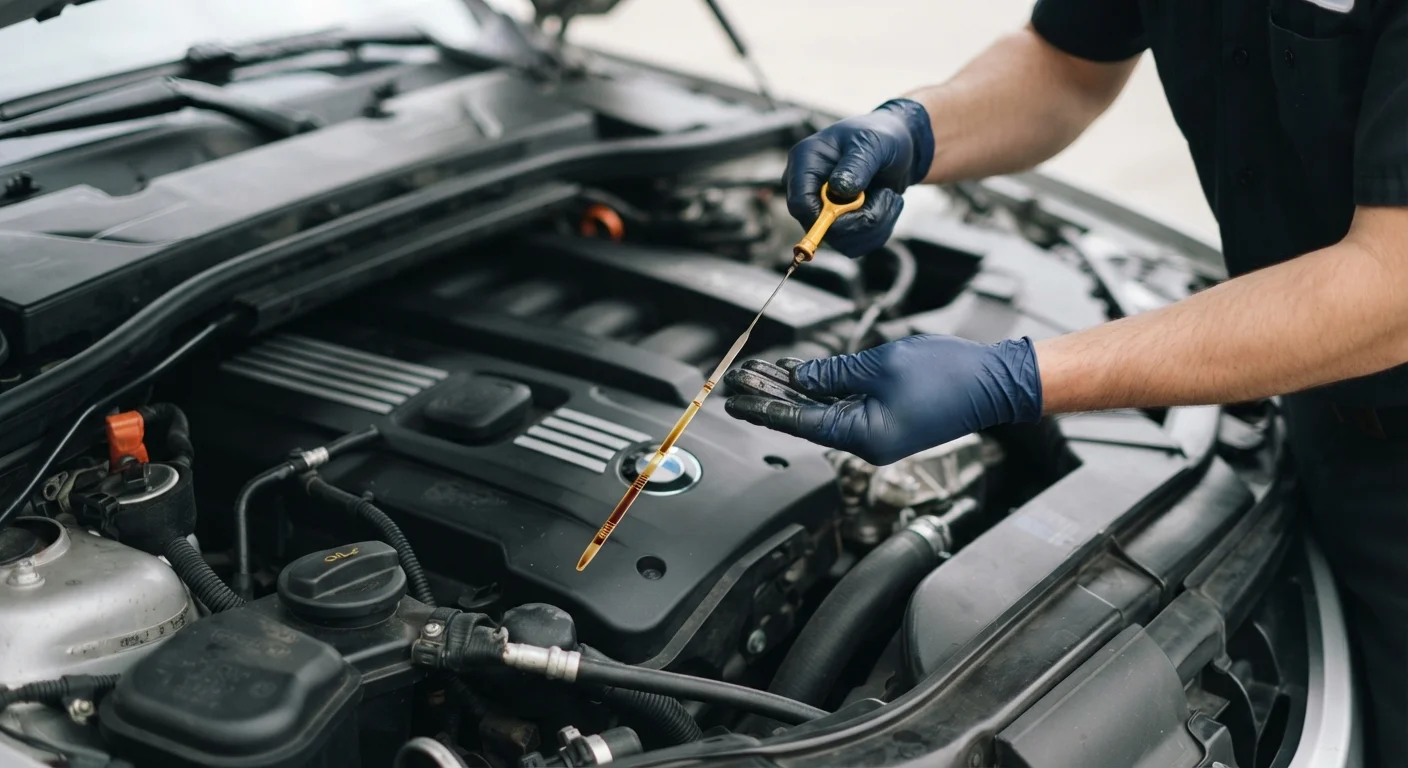
Engine Oil
Coolant (Engine Coolant / Antifreeze)
Brake Fluid
Power Steering Fluid
Transmission Fluid
Windshield Washer Fluid
Never Open a Hot Coolant Cap
The cooling system operates under pressure. Opening the radiator cap or coolant reservoir cap on a warm or hot engine can release scalding steam and fluid, causing serious burns. Always wait at least 30-60 minutes after the engine has been running before touching any cooling system component. When in doubt, wait longer.
Understanding What You're Looking At
Level is only part of the story. Fluid condition is equally important and easy to assess once you know what to look for.
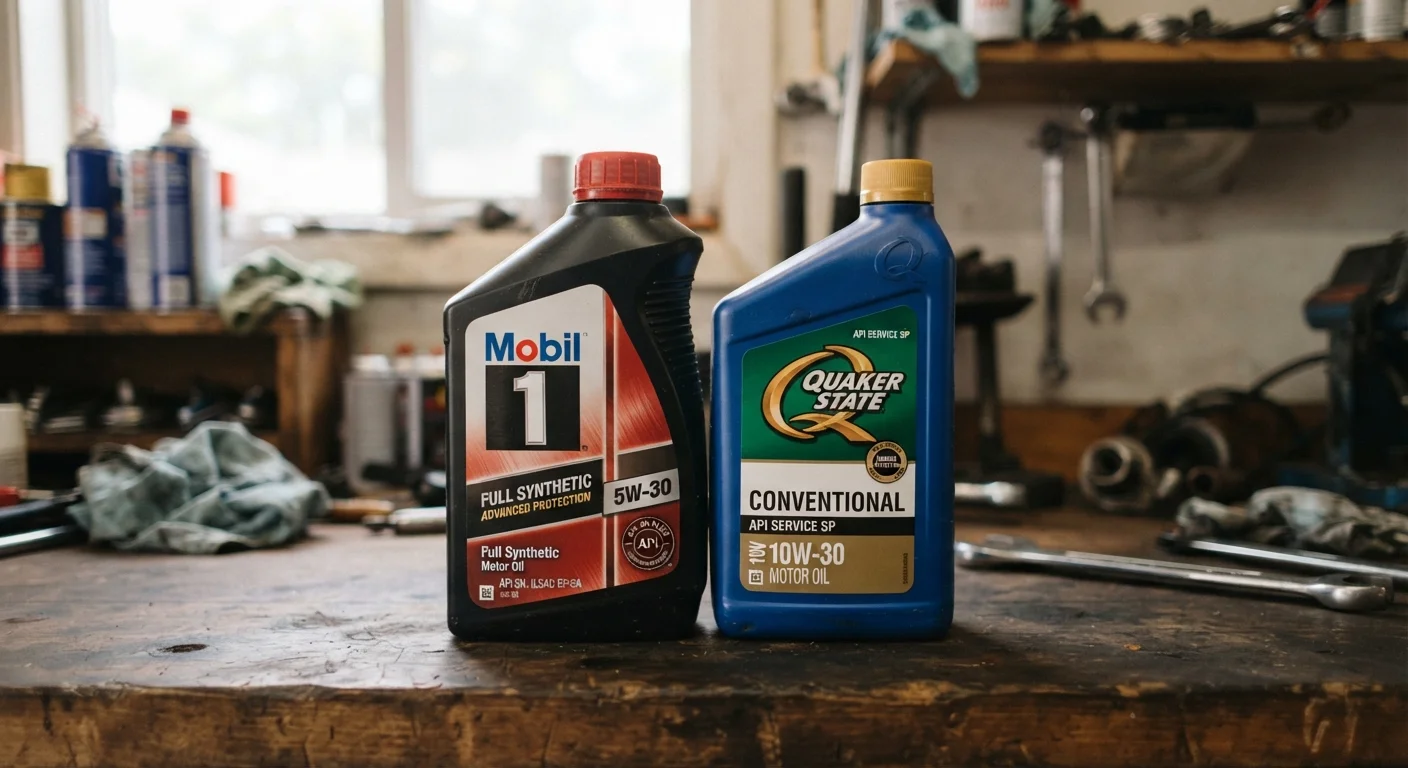
- Engine oil: Fresh oil is amber-colored. Dark brown or black oil isn't necessarily a problem in conventional oil, but a gritty or milky appearance signals contamination and warrants prompt attention. For a deeper look at change intervals, see our comparison of synthetic vs. conventional motor oil.
- Coolant: Should appear bright (green, orange, or pink depending on type) and translucent. Rusty, oily, or murky coolant is a warning sign.
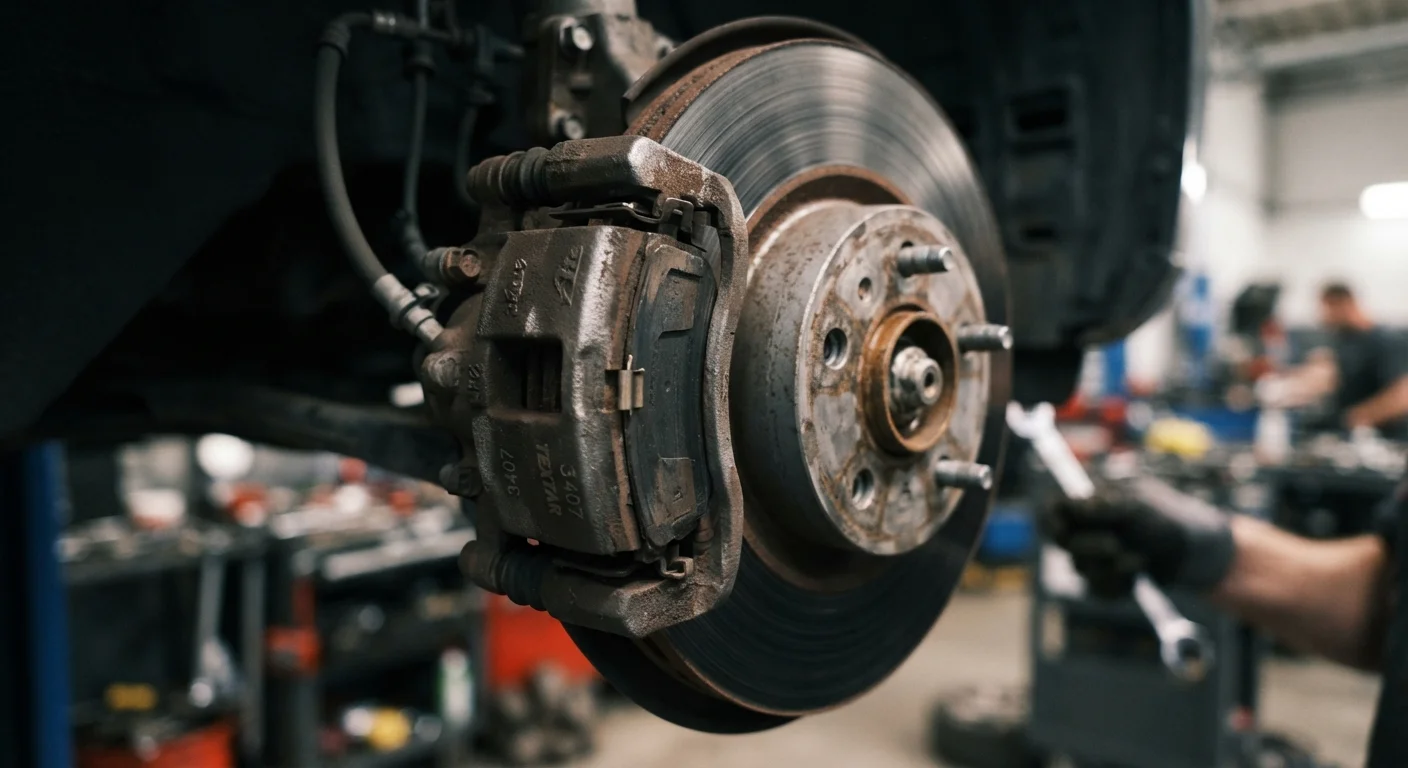
- Brake fluid: New fluid is nearly clear to pale yellow. Fluid that has turned dark brown has absorbed moisture and should be replaced by a professional. If your brakes have also been making noise, read about when brake squealing is serious before your next drive.
- Power steering fluid: Should be clear or slightly amber. Foamy or dark fluid points to a leak or degradation.
- Transmission fluid: Healthy fluid is bright red. Pink or light brown is normal wear; black or burned-smelling fluid needs professional evaluation.
Low Brake Fluid Is Not Always a DIY Fix
A consistently low brake fluid level may signal worn brake pads - which is normal - or it may indicate a leak in the hydraulic system, which is not. Do not simply top off brake fluid and assume the problem is solved. If the level drops again or if you notice any changes in braking feel, have a qualified mechanic inspect the system before driving further.
If you find that multiple fluids are consistently low or discolored, bring those findings to your next service visit - or sooner. A well-prepared service appointment is more productive when you can describe exactly what you observed.
Planning a long drive soon? These fluid checks are also a key part of the pre-road-trip checklist every driver should run through before leaving the driveway. You can also reference the broader maintenance schedule guide to see how fluid checks fit into your vehicle's full service timeline.