Where the Idea Comes From
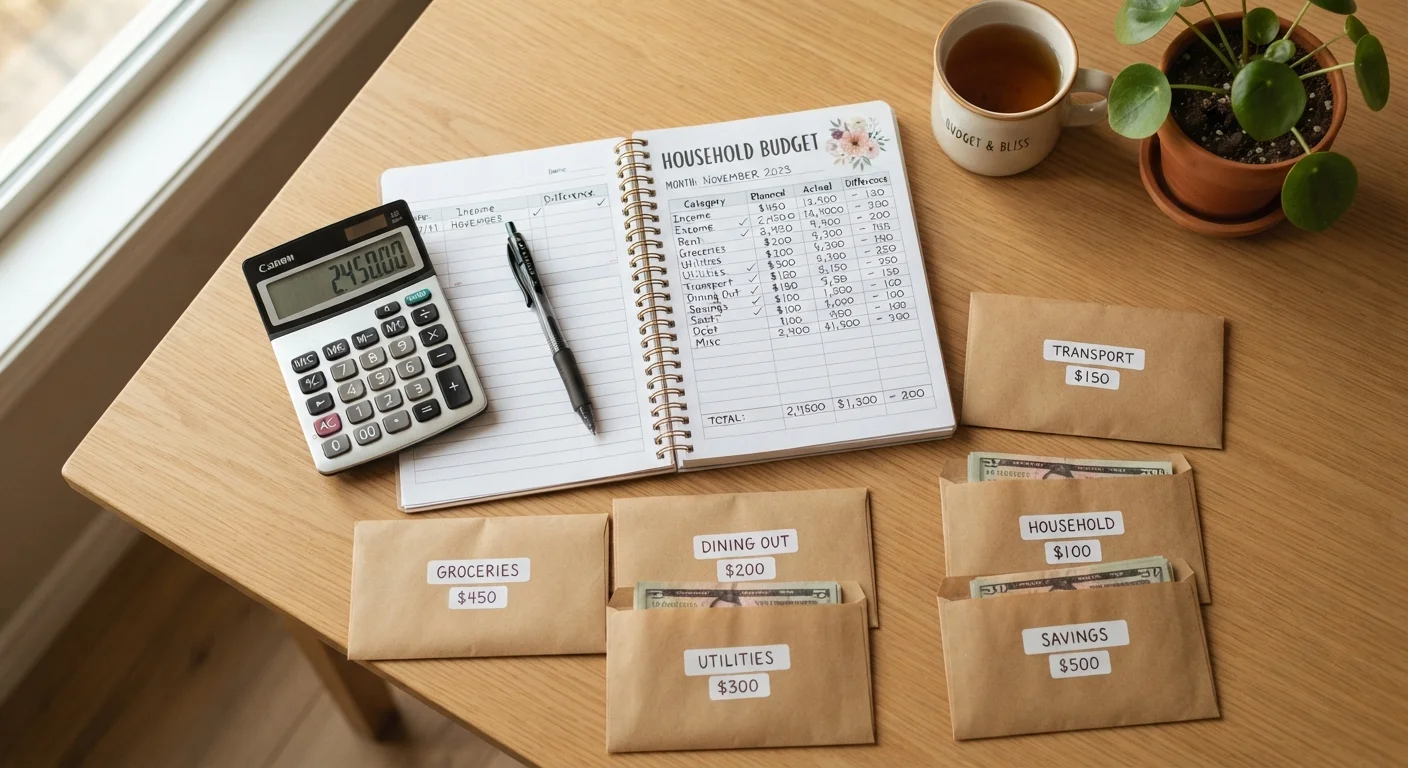
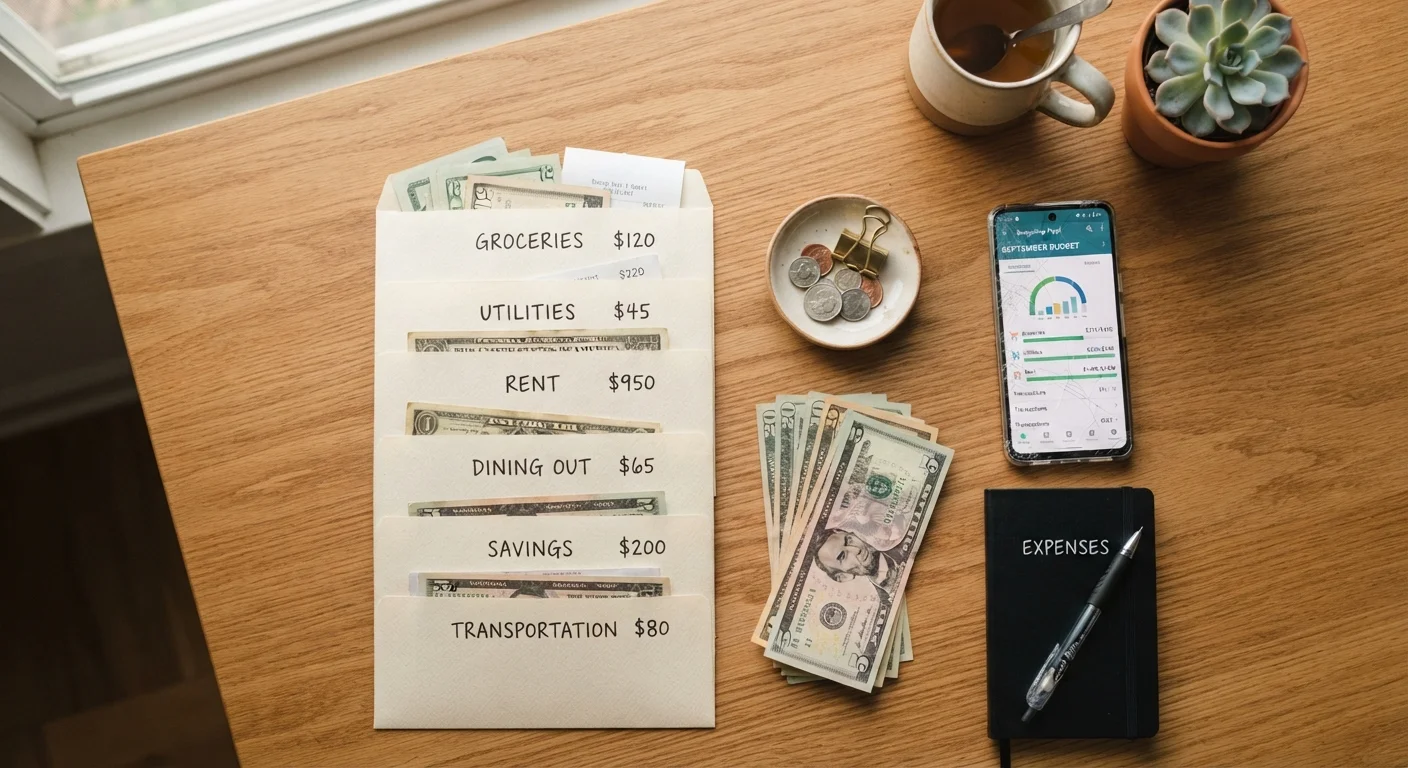
Long before budgeting apps existed, households managed spending the same way: cash arrived, got divided into envelopes labeled for groceries, rent, and household needs, and each envelope held a hard limit. Once the grocery envelope was empty, that was the grocery budget for the month. No overdraft. No ambiguity.
The approach was practical because cash is finite and visible. You can feel an envelope getting thin. That physical feedback - absent when swiping a card or tapping a phone - is precisely what made the system effective for generations of households operating without formal financial tools.
Before attempting any budgeting system, it helps to understand your actual spending patterns first. Our guide on tracking where your money goes walks through how to record income and expenses without any special tools - a useful step before setting category limits you'll actually be able to stick to.
How It Works in Practice
The mechanics are straightforward. At the start of each budget period - typically a month - you list every spending category you want to manage. You then assign a dollar amount to each category based on your income and priorities. In a physical system, you'd put that cash in labeled envelopes. In a digital system, you'd record those amounts in an app, spreadsheet, or bank sub-account.
As you spend, you deduct from the appropriate envelope. Groceries go against the grocery envelope. A dinner out comes from the dining envelope. When a category hits zero, spending in that category is done for the period - unless you consciously decide to move money from another envelope to cover it.
That last part matters. Moving money between envelopes isn't failure; it's a deliberate trade-off. You're choosing to spend more on one thing by spending less on another. That decision-making process - making trade-offs visible and intentional - is what separates envelope budgeting from simply hoping your balance doesn't hit zero.
Start With Just Two or Three Envelopes
New budgeters often get overwhelmed trying to track every spending category at once. Consider starting with only the two or three categories where you most frequently overspend - groceries, dining, or entertainment are common choices. Once those feel manageable, you can add more categories gradually.
Envelope budgeting works best alongside a clear understanding of which expenses are fixed and which vary. See our guide to fixed, variable, and discretionary spending for definitions and examples that apply directly to setting up your categories.
Adapting the System to Cards and Apps
Most Americans don't pay for groceries with cash. They swipe cards, tap phones, or click through checkout screens - which removes the physical friction that made envelope budgeting intuitive. But the logic still applies; it just requires a different implementation.
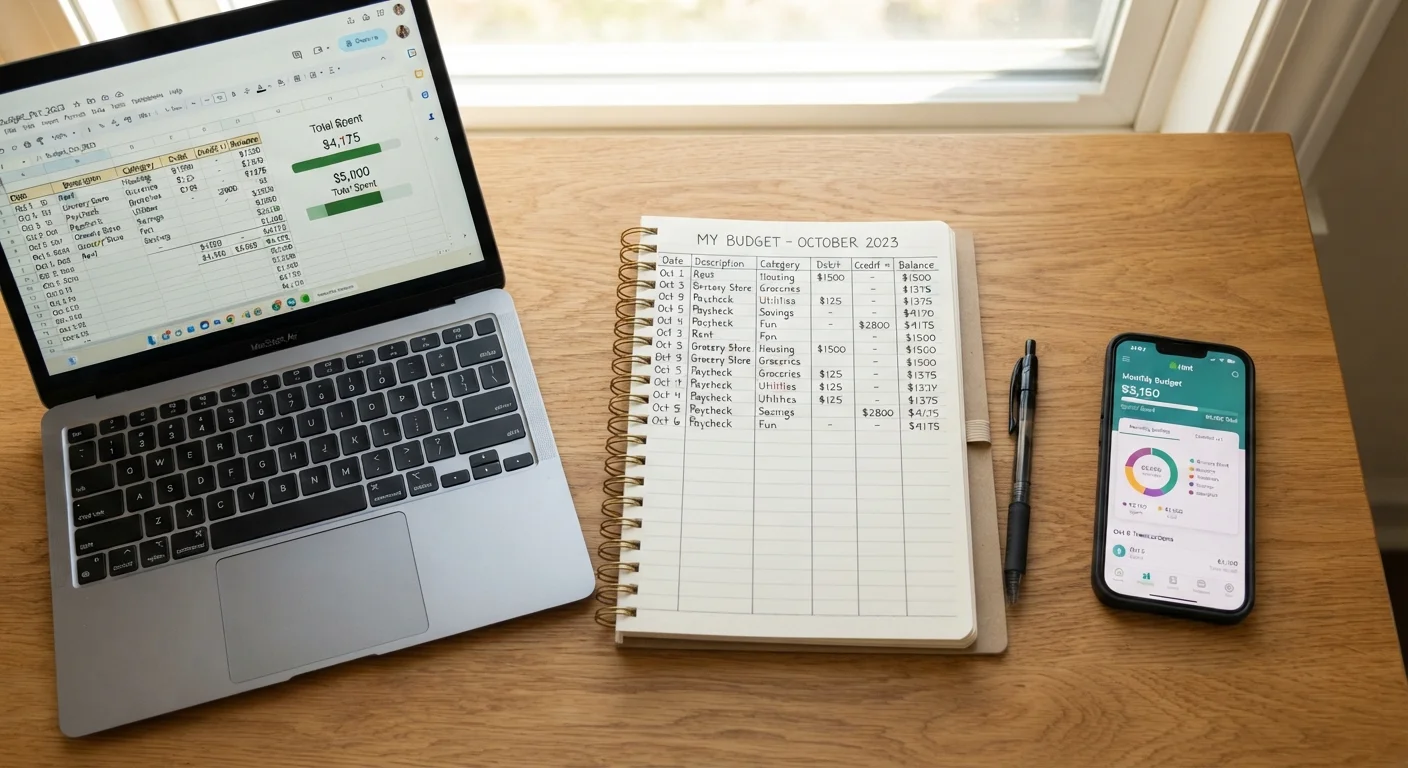
Several budgeting apps replicate the envelope structure digitally, letting you assign income to categories and track spending against each limit in real time. Some banks offer sub-accounts or savings buckets that function similarly. A simple spreadsheet can do the same job manually. The format is less important than the behavior: assigning money to categories before spending it, and checking balances before purchases rather than after.
~40%
Americans with a detailed monthly budget
Gallup polling has consistently found that fewer than half of American adults report keeping a detailed household budget, suggesting most spending goes untracked against a plan.
$6,440
Average annual U.S. household food spending
According to the U.S. Bureau of Labor Statistics Consumer Expenditure Survey, food at home and dining out combined represent one of the largest discretionary spending categories - and a prime candidate for envelope-style tracking.
If you're weighing different tools and formats, our comparison of pen-and-paper budgeting versus spreadsheets versus apps breaks down the trade-offs for different kinds of people and habits.
One practical note on digital payments: using cards and digital wallets for everyday purchases doesn't conflict with envelope budgeting, but it does mean your "envelope balance" exists only in a spreadsheet or app rather than your hand. That shift requires more discipline to check regularly. Some people keep the method hybrid - using cash for the one or two categories where they tend to overspend most, and tracking digitally for the rest.
What Envelope Budgeting Is - and Isn't - Good For
Envelope budgeting is particularly well-suited to variable, discretionary spending: groceries, dining, entertainment, clothing, and personal care. These are the categories where spending is a choice made repeatedly throughout the month - exactly where a visible limit changes behavior.
It's less useful for fixed expenses. Your rent, car payment, or insurance premium is the same every month; assigning those to an envelope adds process without changing anything. Most people who use envelope budgeting track fixed bills separately and apply the envelope system only to the variable portion of their spending.
Envelope Budgeting Doesn't Replace a Full Budget
Assigning spending categories is only one part of budgeting. You still need an accurate picture of your total income, your fixed expenses, and any irregular costs - like annual insurance premiums or car maintenance - before envelope amounts will reflect your real financial situation. Use the monthly budget setup checklist as a companion resource when getting started.
The system also doesn't address saving goals on its own - though it can. Creating an envelope specifically for savings (or a short-term goal) and treating it as a non-negotiable category is a way to build saving into the structure. The Saving & Goals hub covers practical approaches to connecting budgeting habits to longer-term financial targets.
Travelers sometimes find envelope logic useful on trips as well - allocating a set amount for food, activities, and incidentals before departure. More on that in our piece on keeping a trip on budget once you've left home.
This article is for general informational and educational purposes only and does not constitute personalized financial advice. Readers should consult a qualified financial professional for guidance specific to their circumstances.