
Why Travel Budgets Unravel After Departure
Most travel budgets are built carefully at home - flights, accommodation, maybe a rough daily allowance - and then quietly abandoned once the trip begins. The culprit is rarely one big splurge. It's the accumulation of small, unconsidered decisions: the airport snack, the taxi instead of the bus, the souvenir impulse buy, the restaurant chosen because everyone was too tired to walk further.
Understanding where budgets leak is the first step toward plugging them. Research consistently points to a few repeat offenders: ground transportation, food and drink, and entry fees or activity costs that weren't fully priced out in advance. If you've already noticed these patterns in your day-to-day finances, these overlooked budget categories are worth reviewing before your next trip - many apply directly to travel planning.
The good news: you don't need rigid control. You need reliable awareness.
Log every expense on the day it happens, not at the end of the trip.
Memory is optimistic - most people underestimate spending when they reconstruct it later. Daily logging keeps your running total accurate and makes it obvious when a category is drifting before the damage compounds.
Set a realistic daily allowance for discretionary spending and treat it as a soft cap.
Fixed accommodation and transport costs are usually predictable; food, activities, and incidentals are where budgets get loose. A per-day discretionary number gives you a decision anchor without eliminating flexibility.
Identify your two or three non-negotiable splurges before the trip and protect budget space for them.
Trying to restrict everything tends to backfire - when fatigue hits, willpower erodes and impulsive spending spikes. Knowing in advance which experiences are worth the premium prevents both overspending and the frustration of feeling deprived.
Use a dedicated travel card or account so trip spending is visually separated from everyday finances.
When travel expenses mix with regular banking, it becomes almost impossible to know where you stand. A separate account or a card loaded with your trip allocation makes overages instantly visible.
Research the realistic cost of local ground transportation before you arrive.
Airport transfers, taxis, and rideshares are among the most frequently underestimated line items in travel budgets. Knowing the typical fare range in advance prevents both overpaying and being caught without enough local currency.
The Practices That Actually Keep Spending on Track
These approaches aren't about restriction - they're about staying connected to your numbers so small deviations don't compound into regret.
Currency, Cards, and the Invisible Fees
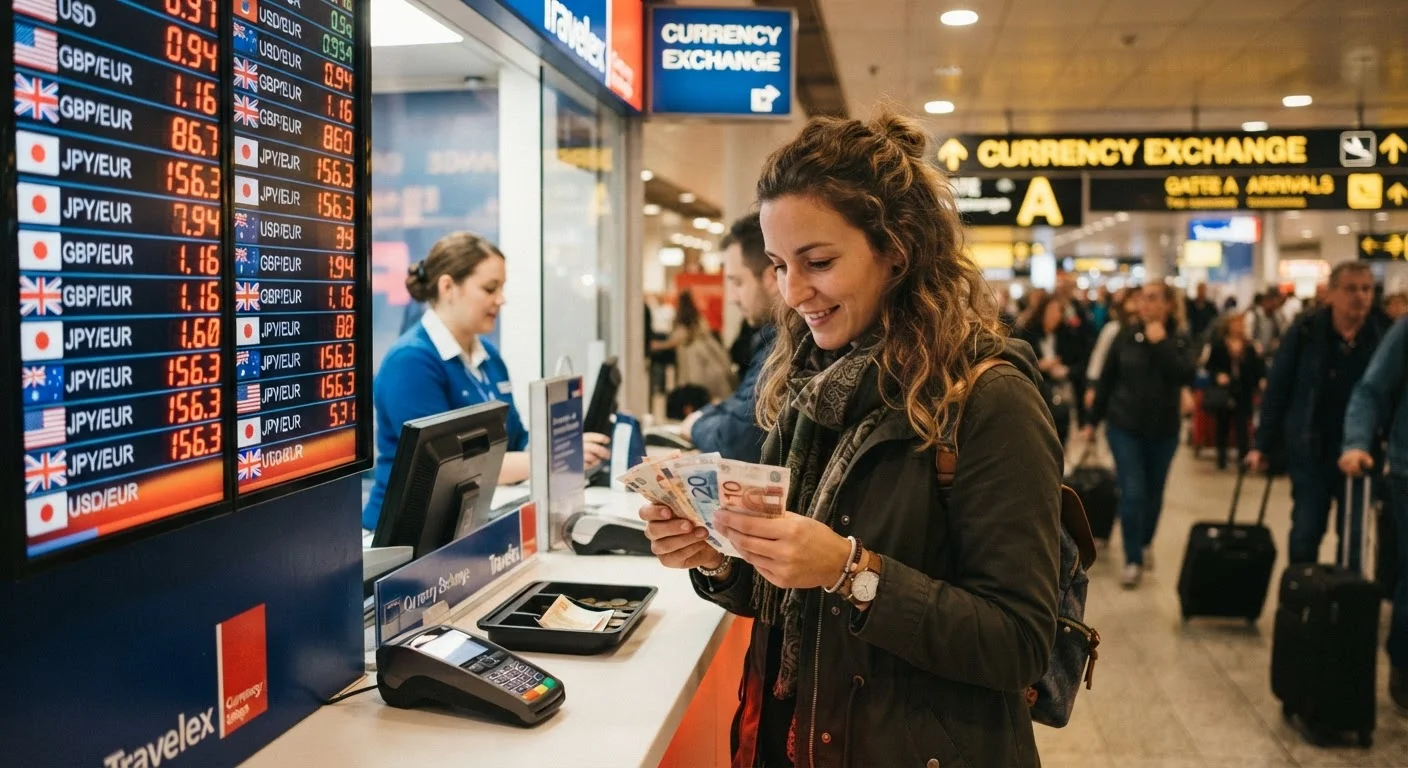
Financial friction is one of the most underestimated budget threats abroad. When a card reader abroad offers to charge you in US dollars instead of the local currency - a process called dynamic currency conversion (DCC) - the convenience typically comes with a marked-up exchange rate set by the merchant's bank, not yours. Choosing to pay in the local currency is generally the lower-cost option, though it's worth understanding all the factors involved. For a fuller picture of how foreign exchange actually works, see what really eats into your money during currency exchange.
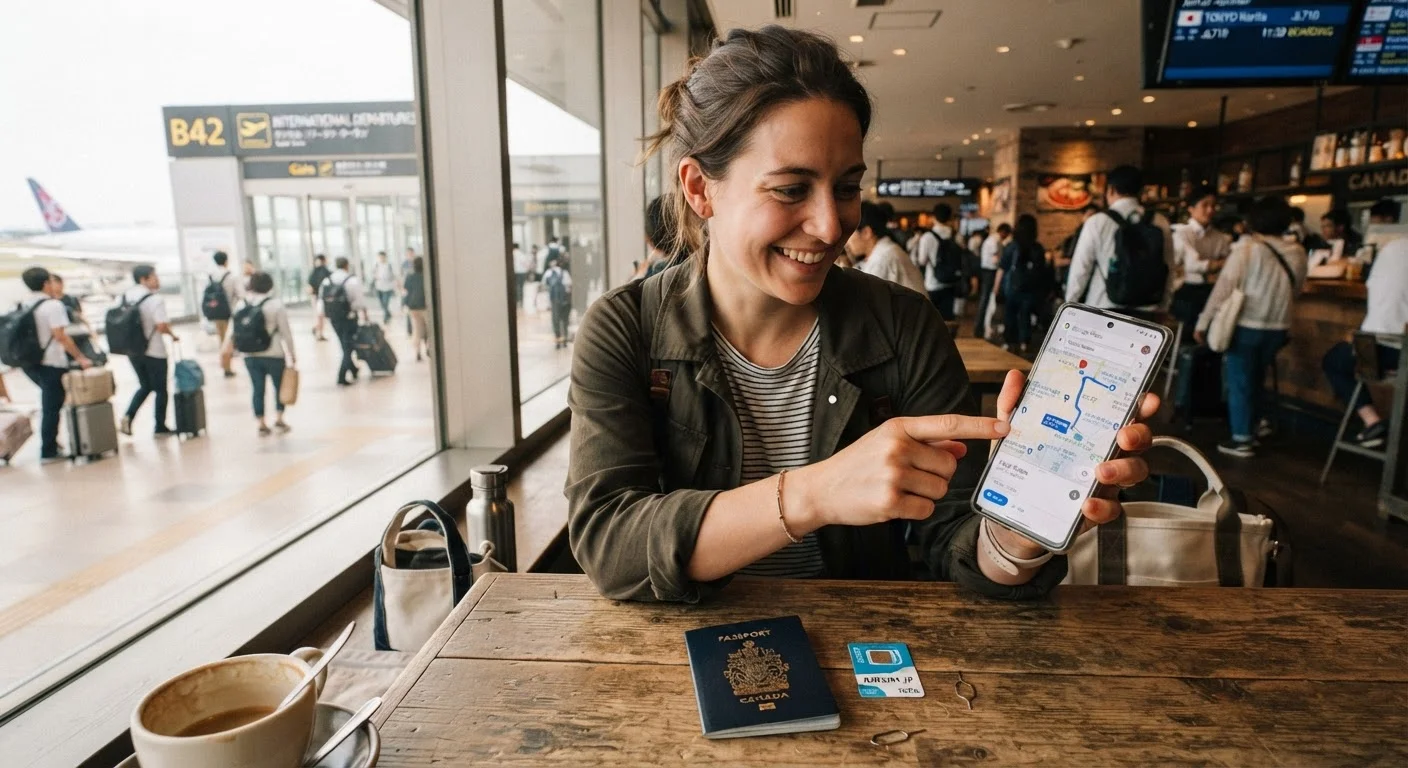
Similarly, staying connected abroad can generate surprise charges. If you haven't sorted out your phone plan before departure, the roaming vs. local SIM trade-offs are worth understanding - unexpected data fees are a common source of bill shock when travelers return home.
Dynamic Currency Conversion: What to Watch For
When a card terminal abroad offers to process your payment in US dollars, this is called dynamic currency conversion (DCC). While it may feel convenient, the exchange rate applied is typically set by the merchant's bank and can be less favorable than the rate your own card would apply. As a general practice, selecting the local currency option and letting your home bank handle the conversion tends to yield a better rate - but verify the terms of your specific card, as results can vary.
For travelers heading outside US borders, international travel planning resources cover a wide range of logistical and cultural considerations that affect both experience and cost.
When Things Don't Go to Plan
Even the most carefully researched trips encounter disruption - a delayed flight that requires an unplanned hotel night, a wallet left at a restaurant, a sudden illness. These moments are where travelers without contingency reserves tend to reach for credit. Understanding the kinds of disruptions that derail trips can help you prepare more realistically; why well-researched trips still go sideways is a useful read before departure.
Building even a modest cash buffer - a general rule of thumb travelers use is 10-15% of total trip cost - gives you options when the unexpected happens. It's not pessimism; it's the difference between a manageable hiccup and a financial stressor that follows you home. For ongoing perspective on keeping debt from creeping up after a trip, principles for managing debt over time offers a grounded starting point.
Pack Lighter to Spend Smarter
Overpacking is a budget issue as much as a comfort one. Checked baggage fees, overweight charges, and the logistical friction of hauling too much all add up. Packing light without leaving essentials behind walks through a category-by-category approach to trimming what you carry - and what you spend getting it there.
~30%
Average budget overrun on discretionary travel spending
Travel industry surveys frequently find that vacationers spend roughly a quarter to a third more than planned, with food and activities as the primary drivers.
2 min
Time needed for a daily expense check-in
Financial behavior researchers note that brief, consistent review habits are more effective at curbing overspending than longer, infrequent audits.