
Why Month Two Is the Real Test
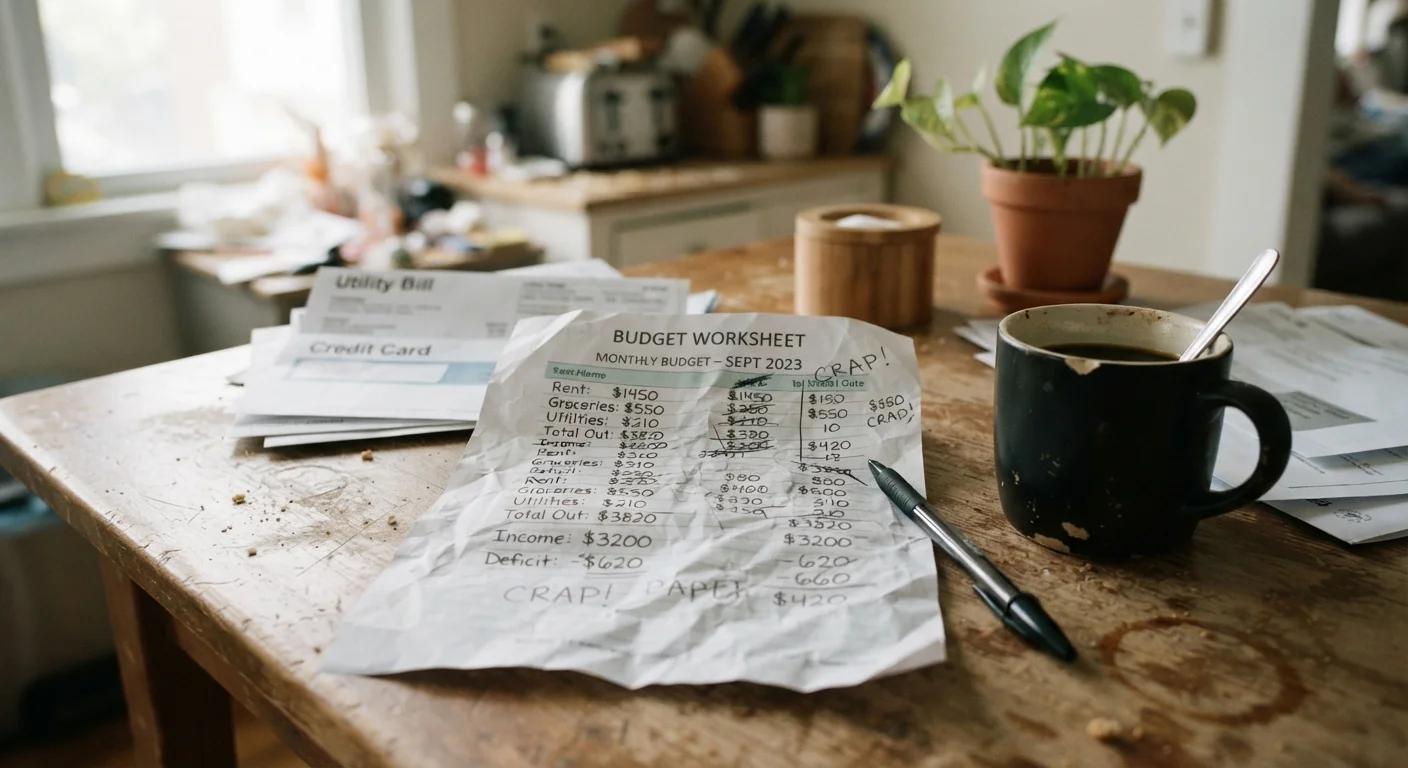
Month one of a new budget often feels manageable. You are motivated, paying close attention, and the numbers are fresh. Then month two arrives - and with it, a car registration fee, an annual subscription renewal, a birthday dinner, or an unexpected medical copay. Suddenly, the budget that seemed to work last month is already broken.
This pattern is remarkably common and largely predictable. The good news is that understanding why first budgets fall apart makes it far easier to build one that actually holds. The mistakes below are not signs that budgeting is wrong for you - they are design problems that can be corrected.
If you are curious about the broader misconceptions that stop people from starting in the first place, the common budgeting myths article addresses those head-on.
The Most Common Mistakes That Derail New Budgets
Each of the patterns below has a clear cause and a practical fix. Recognizing them in your own approach is the first step toward a budget that survives contact with real life.
Building the budget entirely around month one's expenses.
Why it happens: The first month you track spending, you naturally capture what happened that month - but many real costs only appear quarterly or annually.
Estimating spending based on what you wish you spent, not what you actually spend.
Why it happens: Most people anchor their grocery or dining estimates to an ideal week rather than reviewing actual bank or card statements from prior months.
Creating a budget so tight that any deviation feels like failure.
Why it happens: New budgeters often treat a strict budget as more credible, associating strictness with discipline. In practice, it leaves no margin for normal life.
Abandoning the budget after the first overage instead of adjusting it.
Why it happens: Many first-time budgeters treat going over in one category as evidence that budgeting does not work for them, rather than as data to learn from.
Leaving out irregular but predictable expenses entirely.
Why it happens: Categories like gifts, car maintenance, annual fees, and seasonal costs are easy to overlook because they do not appear on a typical monthly statement.
For a deeper look at specific categories that tend to slip through the cracks entirely, the expenses people consistently forget article is worth reading alongside this one.
Building a Budget That Can Bend Without Breaking
A durable budget is not one that accounts for every dollar perfectly - it is one that can absorb surprises without requiring you to start over. A few structural habits make this possible.
~33%
Adults with a written household budget
Gallup polling has consistently found that fewer than one in three American adults maintains a detailed household budget, suggesting most people are working without a formal system.
3-6 months
Time to form a consistent financial habit
Behavioral research generally suggests that new financial routines take several months to feel automatic, underscoring why early-stage persistence matters most.
First, treat your budget as a living document. Review it weekly for the first two months, even briefly. If a category is consistently off, adjust the allocation rather than ignoring the gap. Second, build an irregular-expenses fund from the start - estimate your known annual one-time costs, divide by 12, and set that amount aside monthly. Third, give yourself a realistic discretionary cushion. A budget with zero breathing room trains you to view every small purchase as a failure.
If your income varies month to month, these strategies become even more important. The approaches for budgeting on irregular income can help you adapt these principles to an unpredictable paycheck.
Don't Skip the Mid-Month Check-In
Waiting until the end of the month to review spending means you find out too late to course-correct. A quick mid-month look at two or three high-variable categories - dining, groceries, entertainment - gives you time to adjust before the month closes. This single habit catches most overspending before it becomes a problem.
Budgeting is ultimately a goal-setting tool. Connecting your budget to specific savings targets - whether an emergency fund, a vacation, or paying down debt - gives you a concrete reason to keep at it when motivation dips. Explore concepts in the Saving & Goals section for frameworks that tie budgeting to broader financial direction.
This article is for general informational purposes only and does not constitute personalized financial advice. Consult a qualified financial professional for guidance tailored to your specific circumstances.