Why Review Sections Are Worth Scrutinizing
Online reviews are the closest most shoppers get to word-of-mouth advice before buying. But review manipulation is widespread - from sellers paying for five-star posts to automated systems flooding product pages with generic praise. The result is a signal that looks trustworthy on the surface but can mislead even experienced shoppers.
The habits that help shoppers research products effectively include reading reviews critically, not just counting stars. Understanding what distorted review sections actually look like is the starting point. Below are the warning signs that most shoppers scroll past.
A tight cluster of reviews posted in a short window
Legitimate products accumulate reviews gradually over time as more customers receive and use them. When you see a product with dozens of reviews all posted within a span of a few days - especially near the product's launch or around a specific date - that pattern suggests coordinated posting rather than organic buyer feedback.
Sort reviews by date rather than by helpfulness or rating. If the timeline looks like a spike followed by silence, pay attention to what those clustered reviews actually say. They tend to be vague, positive, and structurally similar.
Organic reviews spread out over time; clustered bursts suggest coordinated posting.
Reviews that describe feelings but not the product
Authentic reviews usually reference specific features, use cases, or comparisons - a shopper saying the zipper feels flimsy, the battery lasts two days, or the color matches the website photo. Fake or incentivized reviews tend to be emotionally effusive but vague: "Amazing product! So happy I bought this!" with no detail about what the product actually is or does.
When a review could apply to nearly any product in any category, that's a sign it wasn't written by someone who actually used the item. Scan for specificity as a credibility proxy.
If a review could apply to any product, it probably wasn't written by a real buyer.
No verified purchase labels on positive reviews
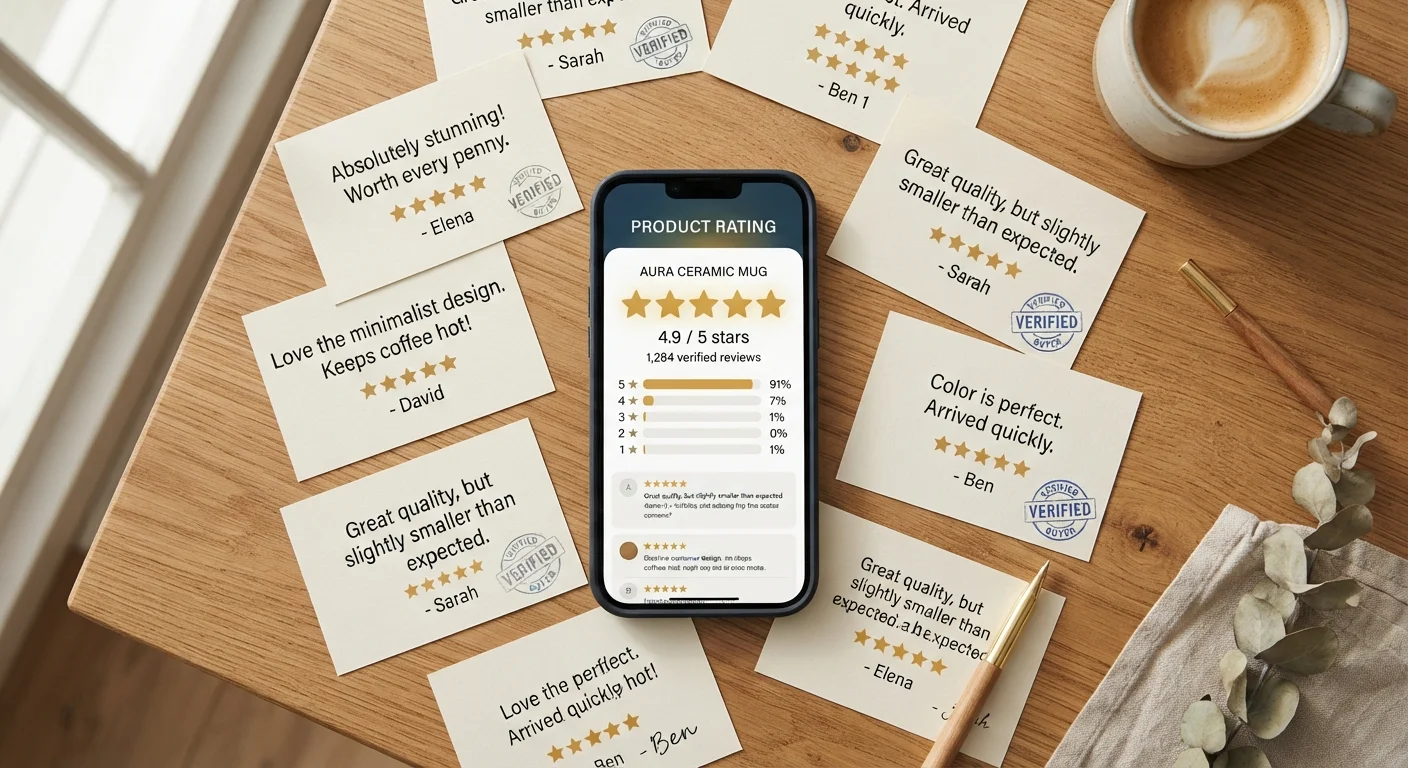
Most major platforms attach a "verified purchase" or equivalent label when a review comes from an account that actually bought the product through that platform. When a product's five-star reviews are mostly unverified while its critical reviews are mostly verified, that inversion is significant.
Unverified reviews aren't automatically fake - someone who received a gift or bought elsewhere may still leave a genuine review - but a lopsided pattern where praise is unverified and complaints are verified deserves attention. This is one of the quickest filters to apply.
A pattern of unverified praise alongside verified criticism is a meaningful credibility inversion.
One-star reviews that are missing or suspiciously thin
Virtually every product with a meaningful volume of reviews will have at least some negative feedback - even excellent products attract buyers with mismatched expectations. A product with hundreds of reviews and almost no one-star or two-star entries is statistically unusual and worth questioning.
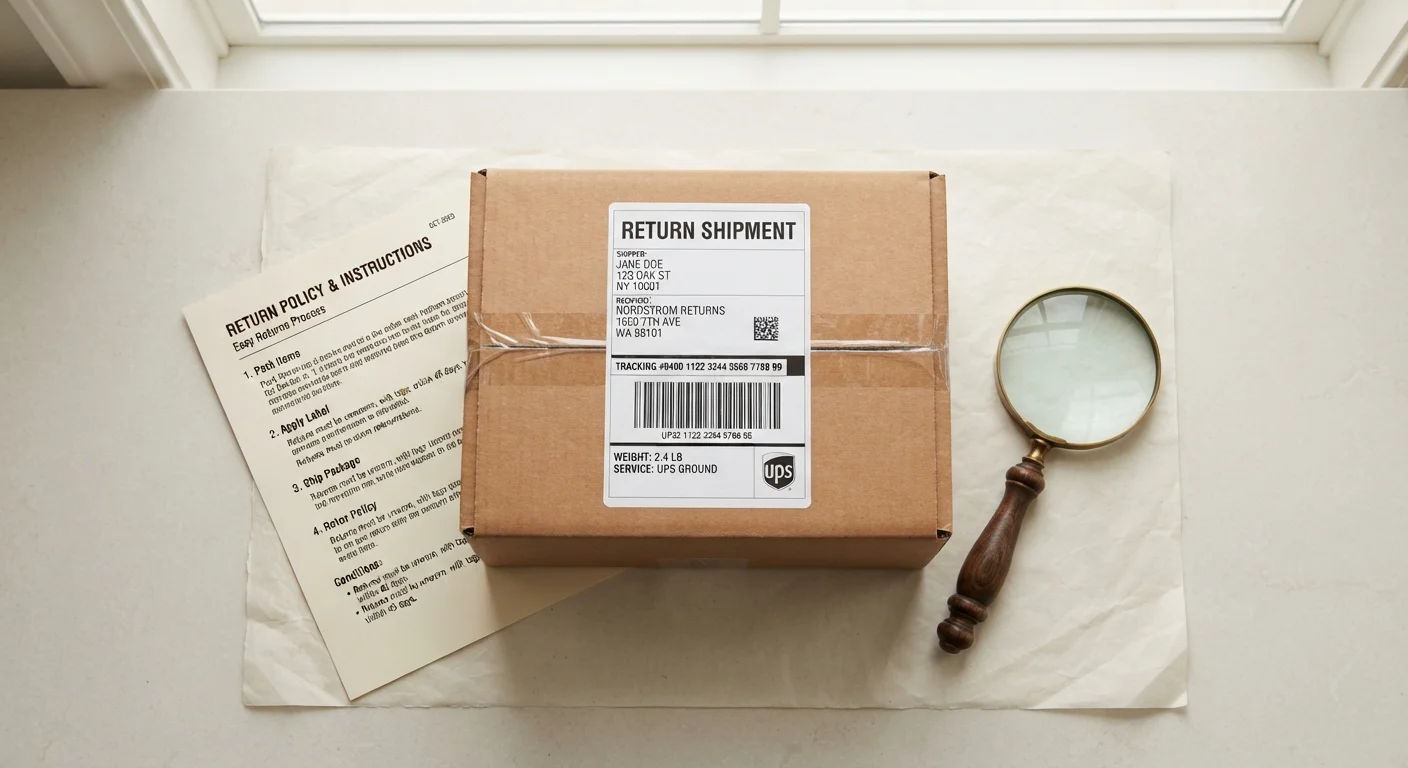
Some platforms allow sellers to flag and have reviews removed, and some review manipulation services specifically target the removal of critical feedback. A missing lower end of the rating curve, rather than reassuring you, should prompt a closer look at where those critical voices went. Also consider what return policies reveal about product quality - sellers with weak products often pair thin negative reviews with restrictive return windows.
The absence of negative reviews on a high-volume product is unusual enough to warrant suspicion.
Seller responses that deflect rather than resolve
How a seller responds to critical reviews reveals a great deal about how they handle problems after purchase. Responses that dismiss complaints, ask reviewers to contact support without ever resolving the issue publicly, or respond with identical templated language to every negative post are warning signs worth noting.
Genuine sellers typically acknowledge specific complaints and offer visible resolution. Evasive or hostile responses to legitimate criticism suggest that post-sale support will be similarly frustrating. This connects directly to the broader concern of how online shopping scams are structured - poor dispute handling is a common feature across problematic sellers.
Dismissive or templated responses to complaints suggest post-sale support will be just as evasive.
Reviewer profiles that look newly created or generic
On platforms that allow you to view reviewer profiles, it's worth clicking through on a few. Accounts created recently, with only one or two reviews - all for similar product categories from unfamiliar sellers - fit the profile of fake reviewer networks. Legitimate reviewers tend to have a varied review history spanning multiple product types and time periods.
You don't need to vet every reviewer. But if the top helpful reviews on a product all come from accounts created within the same month, each with a single review, that is a pattern rather than a coincidence. These profile checks take seconds and can save you from a poor purchase.
Newly created profiles with only one or two similar reviews are a telltale pattern of fake reviewer networks.
How to Use These Signals Together
No single red flag is definitive on its own - sellers can have a few clustered reviews for legitimate reasons, and one unanswered complaint doesn't mean a bad product. The pattern matters. When two or more of these signals appear together, treat that as a meaningful cue to look harder before committing.
Use the review filter tools platforms provide
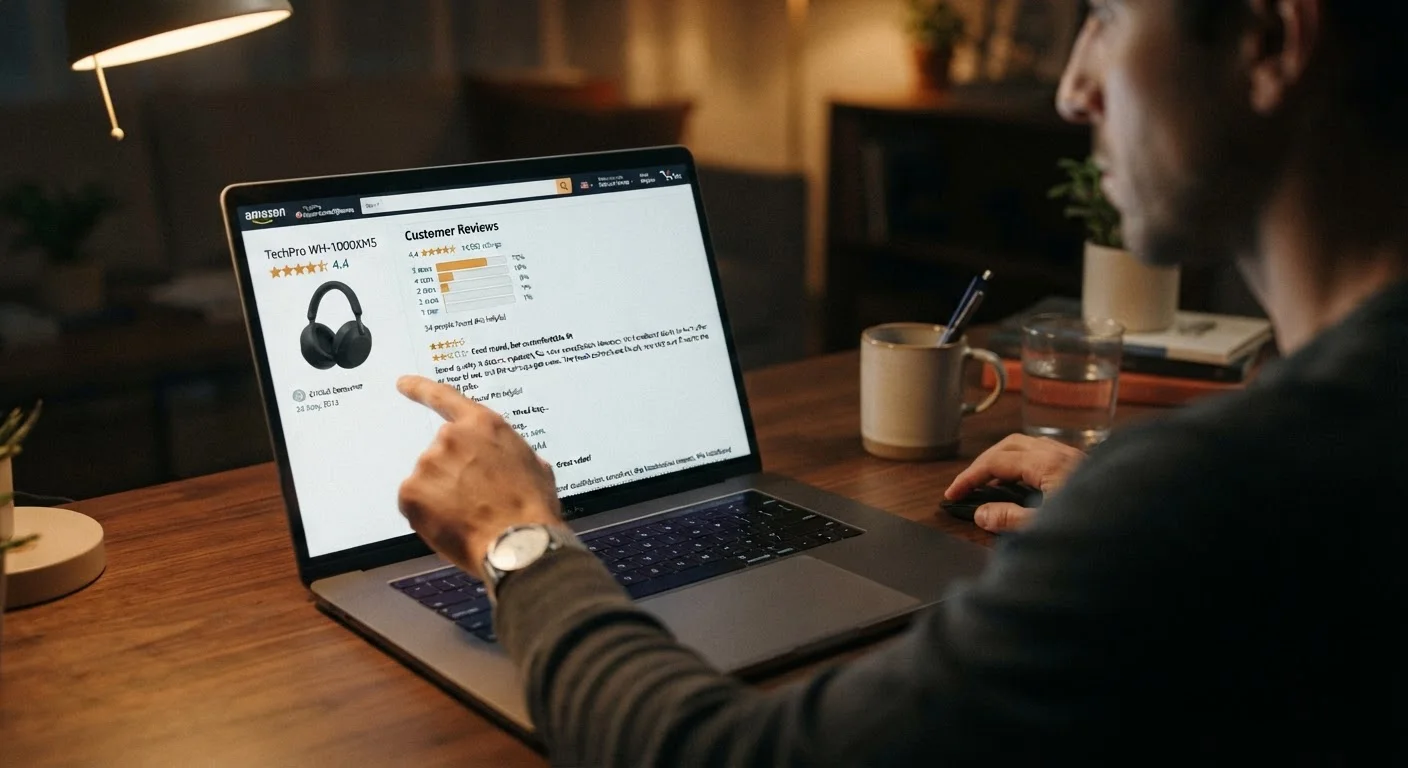
Most major marketplaces let you sort reviews by date, filter by star rating, and see verified-purchase status. Make it a habit to sort by most recent and by lowest rating before you read the top reviews. These filters surface the data points that manipulated review sections are designed to bury.
Cross-referencing reviews across multiple platforms - the retailer's own site, major marketplaces, and independent review aggregators - is one of the more reliable ways to pressure-test a seller's reputation. It also helps to check why highly rated products sometimes disappoint, since structural issues with rating systems compound the problem of fake reviews. And if you're evaluating an unfamiliar seller from scratch, a structured approach to vetting new stores can save you from common missteps.
Review manipulation is a platform-wide problem
Review fraud isn't limited to small or unknown sellers - it has been documented on major marketplaces across many product categories. Platform enforcement varies, and tactics evolve quickly. Treating reviews as one signal among several, rather than a definitive verdict, is a more durable approach to product research. Shoppers who also watch for the habits covered in overpaying online without realizing it tend to make better-informed purchases overall.