
Why Unfamiliar Stores Deserve a Structured Check
New online retailers launch constantly, and not every unfamiliar store is a risk. Small independent businesses, niche importers, and regional retailers all operate legitimately without the name recognition of large platforms. The problem is that fraudulent operations are designed to look exactly like legitimate ones - polished layouts, professional photography, and confident copy are no longer reliable signals of trustworthiness.
The gap between a real store and a convincing fake has narrowed. As explored in why familiar-looking websites can still be fraudulent, scammers routinely clone established retail aesthetics. This means your evaluation has to go beyond visual impressions and into verifiable facts about the business.
The steps below are designed to take 10-20 minutes and give you a structured picture of a store's legitimacy before you hand over payment information. If you're newer to online shopping research generally, our complete starting point for new shoppers covers the broader research process from search to checkout.
What you will need
Tools You'll Use During This Process
No specialized software is needed. The checks below rely on freely available tools and a methodical approach. Having these ready before you start makes the process faster.
WHOIS Lookup Tool
Checks when a domain was registered - very recently registered domains are a common trait of short-lived fraudulent stores.
Better Business Bureau (BBB) Search
Allows you to look up whether a business has complaints or a rating on record with the BBB.
Independent Review Platforms
Sites that aggregate verified buyer reviews give a picture of real customer experiences outside the retailer's own pages.
Credit Card or Payment Intermediary
Provides a dispute mechanism if goods are not delivered or are materially different from what was described.
How to Evaluate the Store
Work through these steps in order. Each one builds on the last, and a pattern of concerns across multiple steps is more significant than any single finding.
Search for the store name independently
Open a new browser tab and search for the store's name alongside terms like "reviews," "complaints," or "scam." Do not rely on links within the store's own site. Look at what surfaces in the first few pages of results - forum threads, consumer protection sites, and independent review platforms are more informative than the retailer's own testimonials page.
Check the domain's registration age
Use a free WHOIS lookup tool to find out when the domain was first registered. A store claiming years of operation but with a domain registered a few weeks ago is a significant inconsistency. Legitimate retailers that have been trading for several years typically have older domain registrations to match.
Look for verifiable contact information
Navigate to the store's contact or about page. A physical mailing address, a working phone number, and a customer service email address are baseline expectations for any legitimate retailer. Copy the mailing address and search it independently - fraudulent sites sometimes list addresses that belong to empty lots, residences, or entirely fictional locations.
Read the return and refund policy carefully
Locate the returns policy - not just the headline promise but the actual terms. Note the return window, who pays for return shipping, whether refunds are issued in full or as store credit, and what documentation is required. Vague, contradictory, or absent policies are a common pattern among stores that do not intend to honor them. A policy that makes returns procedurally difficult is also worth noting.
Verify the payment options offered
Legitimate retailers generally offer payment methods that include buyer protections - major credit cards and established payment intermediaries being the most common. Be cautious if the only accepted payment methods are wire transfers, prepaid gift cards, or cryptocurrency. These options have no dispute pathway and are strongly associated with fraudulent operations.
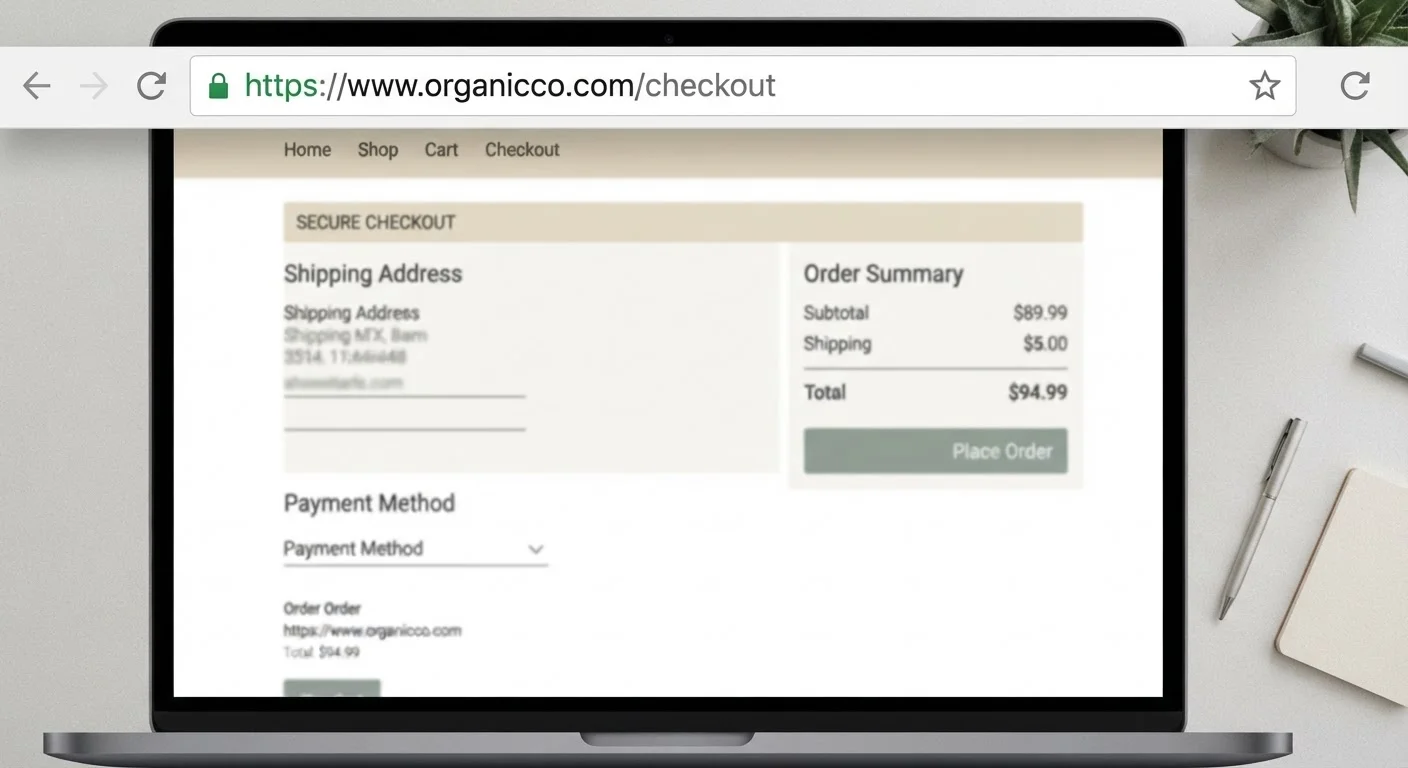
Confirm HTTPS - then look beyond it
Check that the site uses HTTPS (the padlock icon in your browser's address bar). This confirms the connection between your browser and the site is encrypted, which protects data in transit. However, as detailed in what HTTPS actually tells you about a site's safety, it does not confirm that the business itself is legitimate. Also look at the full URL carefully for character substitutions or misspellings that mimic known brands.
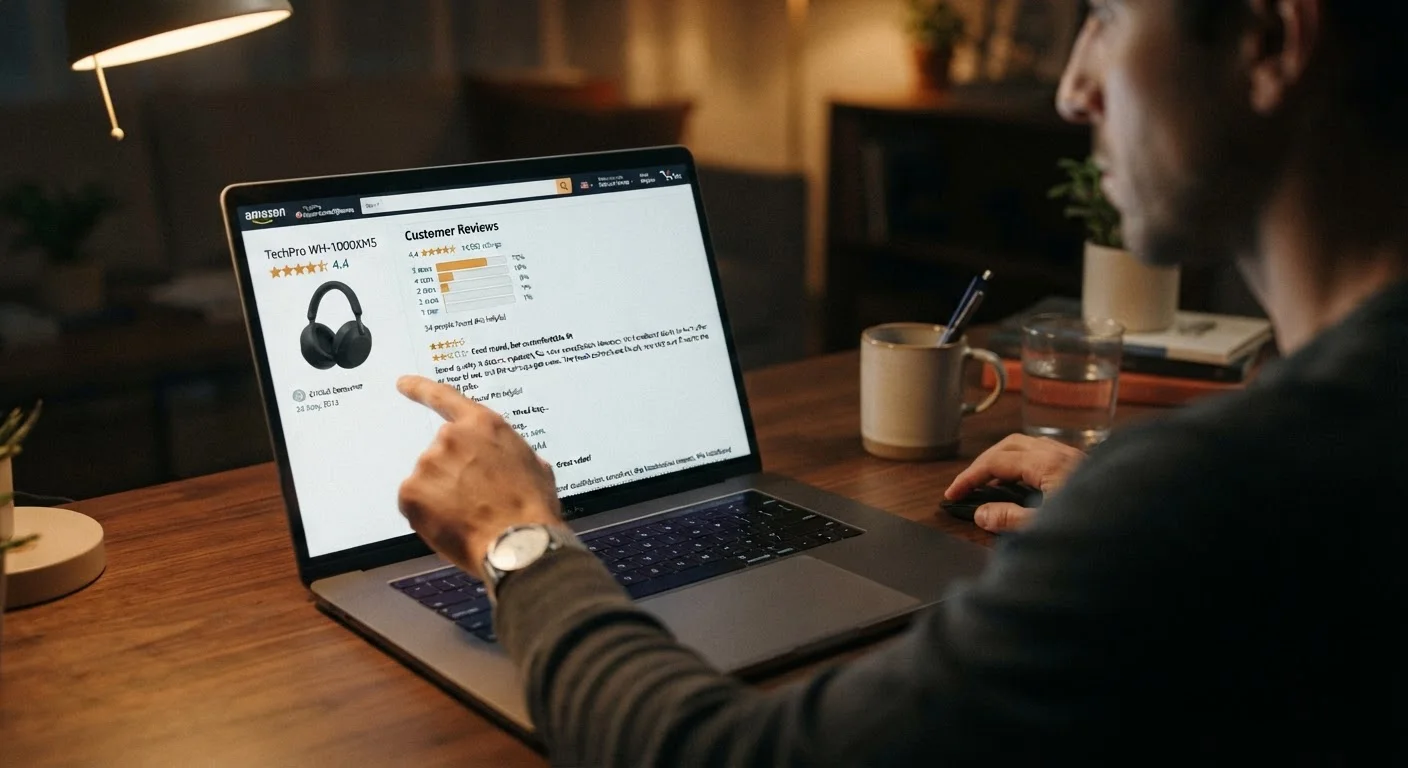
Cross-check reviews on independent platforms
Reviews displayed on a retailer's own product pages are entirely within their control. Seek out reviews on platforms the retailer does not own or manage. Look at patterns across multiple reviews rather than individual scores - consistent complaints about non-delivery, poor communication, or products differing from descriptions are more meaningful than a single negative post. For more on parsing review quality, see red flags in seller reviews that shoppers often miss.
Payment Method Matters If Things Go Wrong
Debit cards offer weaker dispute protections than credit cards for most U.S. consumers. If you decide to proceed with an unfamiliar store, using a credit card or a well-established payment intermediary gives you a documented path to dispute unauthorized or unfulfilled charges. Never pay an unknown retailer via wire transfer, gift cards, or cryptocurrency - these methods are effectively irreversible.
Prices That Seem Unrealistically Low
Steep discounts on name-brand or high-demand items are a consistent pattern among fraudulent stores. If a price is dramatically below every other retailer you can find, treat it as a signal to investigate further, not as a lucky find. Counterfeit goods, non-delivery, and bait-and-switch tactics are common in these situations.
After You've Made a Decision
If the store passes your checks and you decide to proceed, document everything before checkout: save a screenshot of the product listing, price, and stated shipping window. Forward your order confirmation email somewhere accessible. This record matters if you later need to dispute a charge or contact customer service.
If something still feels off after completing these steps, trust that instinct. There is no purchase that cannot be made elsewhere, and the pre-purchase research checklist can help you approach the product evaluation side with the same rigor you've applied to the seller.
Start With a Small Test Order
If the store passes your checks but you're still uncertain, consider placing a low-cost first order rather than a large one. This lets you evaluate shipping speed, packaging quality, and customer service responsiveness with limited financial exposure before committing to a bigger purchase.
For a related concern - verifying that product claims from any seller actually hold up - see questions worth asking before trusting any product claim.