
Why Online Shopping Security Matters
U.S. consumers lose billions of dollars each year to online shopping fraud, according to the Federal Trade Commission. The risk isn't limited to sketchy corners of the internet - fraudulent listings appear on major platforms, phishing emails mimic well-known retailers, and counterfeit goods routinely reach consumers who believed they were buying the real thing.
Understanding how these risks work - and what tools you already have - is the most effective form of protection. This reference covers the full cycle: evaluating sellers, choosing payment methods, spotting fraud, asserting your dispute rights, and locking down your accounts.
$10B+
Annual consumer fraud losses in the U.S.
The FTC reported that consumers lost more than $10 billion to fraud in 2023, with online shopping fraud among the most commonly reported categories.
60 days
Window to dispute a credit card charge under FCBA
The Fair Credit Billing Act gives cardholders 60 days from the statement date to formally dispute billing errors or fraudulent charges.
$50
Maximum credit card liability for unauthorized charges
Under the Fair Credit Billing Act, a cardholder's liability for unauthorized credit card charges is capped at $50; most issuers waive this entirely.
If you're newer to researching purchases online, see our complete product research starting point before diving into checkout decisions.
Evaluating a Seller Before You Buy
Whether you're buying from a marketplace listing or an independent website, a few minutes of due diligence can prevent significant headaches.
- Check the URL carefully. Fraudulent sites often use slight misspellings or added words (e.g., "officialbrands-store.com" vs. a brand's real domain). Look for HTTPS - the padlock icon - in the address bar, though note that HTTPS alone does not guarantee a site is legitimate.
- Look up the seller independently. Search the store name alongside terms like "reviews" or "complaints" outside the seller's own site. The Better Business Bureau and the FTC's complaint database are useful starting points.
- Read the policies. Legitimate sellers publish clear return, refund, and shipping policies. Vague language, missing contact information, or a policy that offers no refunds on all items warrants caution.
- Assess review patterns. A sudden cluster of five-star reviews with no detail, or reviews that all use similar phrasing, can indicate manipulation. Look for verified-purchase indicators where available.
Verify Seller Policies Before Checkout
Always locate and read the return and refund policy before entering payment details. If a site has no clearly published policy, no physical address, and no customer service contact, these are strong signals to shop elsewhere. Legitimate sellers make this information easy to find.
For payment method decisions at checkout, our plain-language payment options guide explains how each method's protections differ in practice.
Choosing Payment Methods That Protect You
Your choice of payment method determines what recourse you have if something goes wrong.
- Credit cards offer the strongest consumer protections under U.S. federal law. The Fair Credit Billing Act (FCBA) allows you to dispute charges for goods not received or significantly misrepresented, and limits your liability for unauthorized charges to $50 - most issuers waive this entirely.
- Debit cards draw directly from your bank account. The Electronic Fund Transfer Act provides some protections, but your liability window is narrower and disputing a charge can mean the funds are temporarily unavailable while the investigation runs.
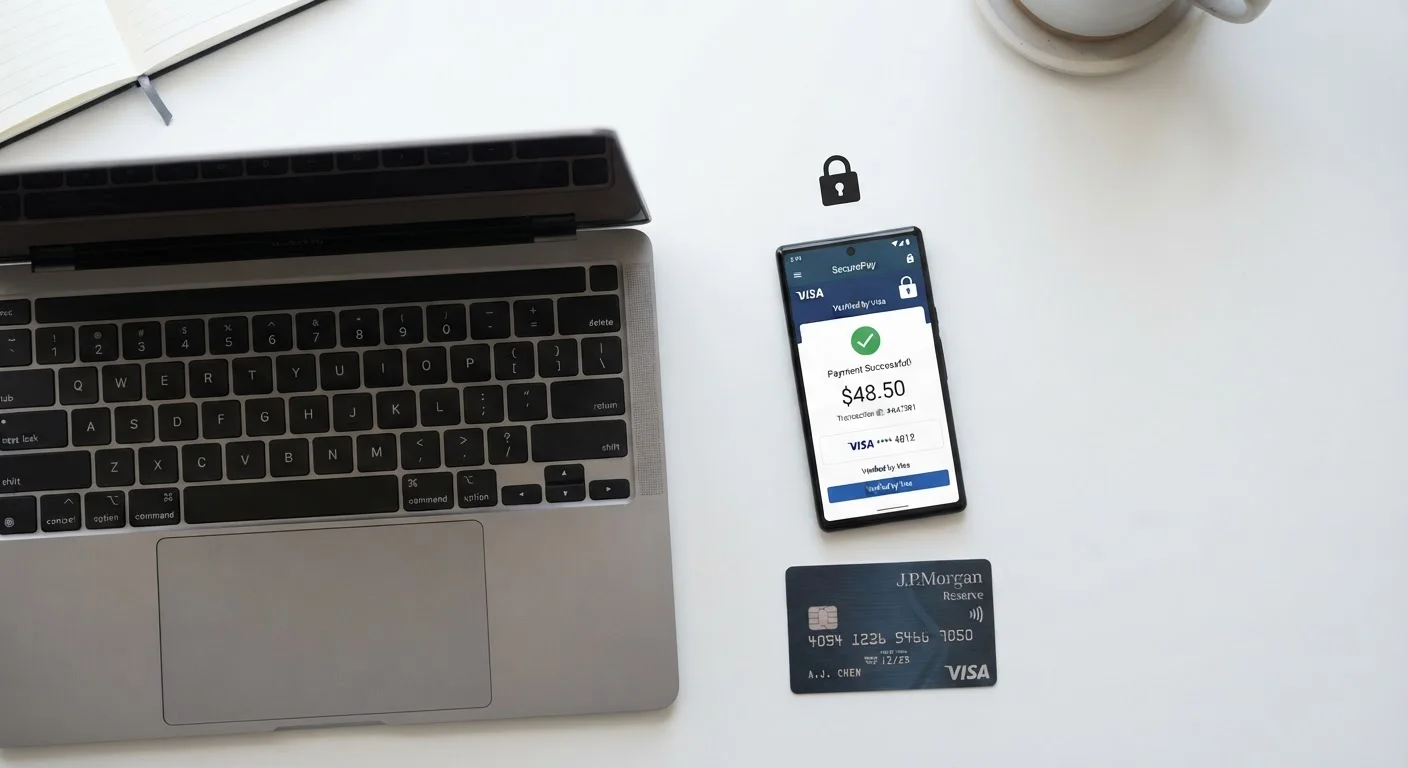
- Digital wallets (such as those that tokenize your card number) can add a layer of protection by keeping your actual card details away from the merchant. The underlying payment method still determines your core dispute rights.
- Wire transfers, gift cards, and cryptocurrency offer almost no recourse if something goes wrong. These are also the payment methods most commonly requested by scammers - treat any such request as a serious red flag.
Never Pay With Gift Cards or Wire Transfers
No legitimate online retailer will ask you to pay using gift card codes, wire transfer, or cryptocurrency for a standard purchase. These methods are irreversible and offer no consumer protection. If a seller insists on one of these methods - even through a seemingly normal platform message - treat it as a scam and do not proceed.
Recognizing Fraud Warning Signs
Fraudulent listings and fake storefronts share recognizable patterns. Knowing them can help you pause before a bad purchase.
- Prices far below market value for in-demand items - particularly electronics, luxury goods, or hard-to-find products - often signal counterfeit or nonexistent inventory.
- Urgency language like "only 2 left" or countdown timers on items that aren't genuinely scarce is a pressure tactic designed to prevent you from doing research.
- Requests for unusual payment, such as wire transfer or gift cards, even after you've initiated contact through a seemingly legitimate channel.
- Phishing emails that appear to be order confirmations or shipping notifications but link to credential-harvesting pages. Always navigate directly to a retailer's site rather than clicking email links when managing orders.
- Third-party marketplace sellers with no sales history, no feedback, and newly created accounts merit extra scrutiny for high-value purchases.
Before buying from an unfamiliar seller, search their exact store name in quotes alongside the word 'scam' or 'not received.' This surfaces consumer complaint threads that don't appear in standard search results.
Scam operations often have a trail of complaints on forums, Reddit, or the BBB that a plain name search buries beneath the seller's own marketing pages.
Screenshot the product listing, advertised price, and shipping estimate before you complete any purchase - this documentation is critical if you later need to file a dispute.
Listings can be edited or deleted after a sale. Having timestamped evidence of what was advertised strengthens your position with both the card issuer and any platform buyer protection program.
Your Dispute Rights and How to Use Them
When a purchase goes wrong, U.S. consumers have several formal channels for recourse.
Credit card chargebacks under the FCBA allow you to dispute a charge if goods weren't delivered, arrived significantly different from the description, or if the charge was unauthorized. You generally have 60 days from the statement date on which the charge appeared to file. Contact your card issuer directly - in writing, if possible - and keep records of all correspondence with the seller.
Marketplace buyer protection programs exist on most major platforms and may provide faster resolution for straightforward cases like non-delivery. Check the platform's policy for eligibility windows, which vary.
Filing a complaint with the FTC at ReportFraud.ftc.gov or with your state attorney general doesn't recover your money directly, but it creates a record that helps regulators identify patterns and take action against repeat offenders.
Chargeback Timelines Vary by Issuer
While the FCBA sets a 60-day federal floor for dispute filing, many card issuers allow longer windows. Check your cardholder agreement for the specific terms that apply to your account. Filing as soon as you identify a problem - rather than waiting - gives you the strongest position regardless of the exact deadline.
Protecting Your Accounts and Personal Data
Account security is the last line of defense - a compromised account can expose your saved payment methods, address, and order history to criminals.
- Use a unique password for every retail account. A password manager makes this practical. Reusing passwords means a breach at one site can cascade across all accounts where you used the same credentials.
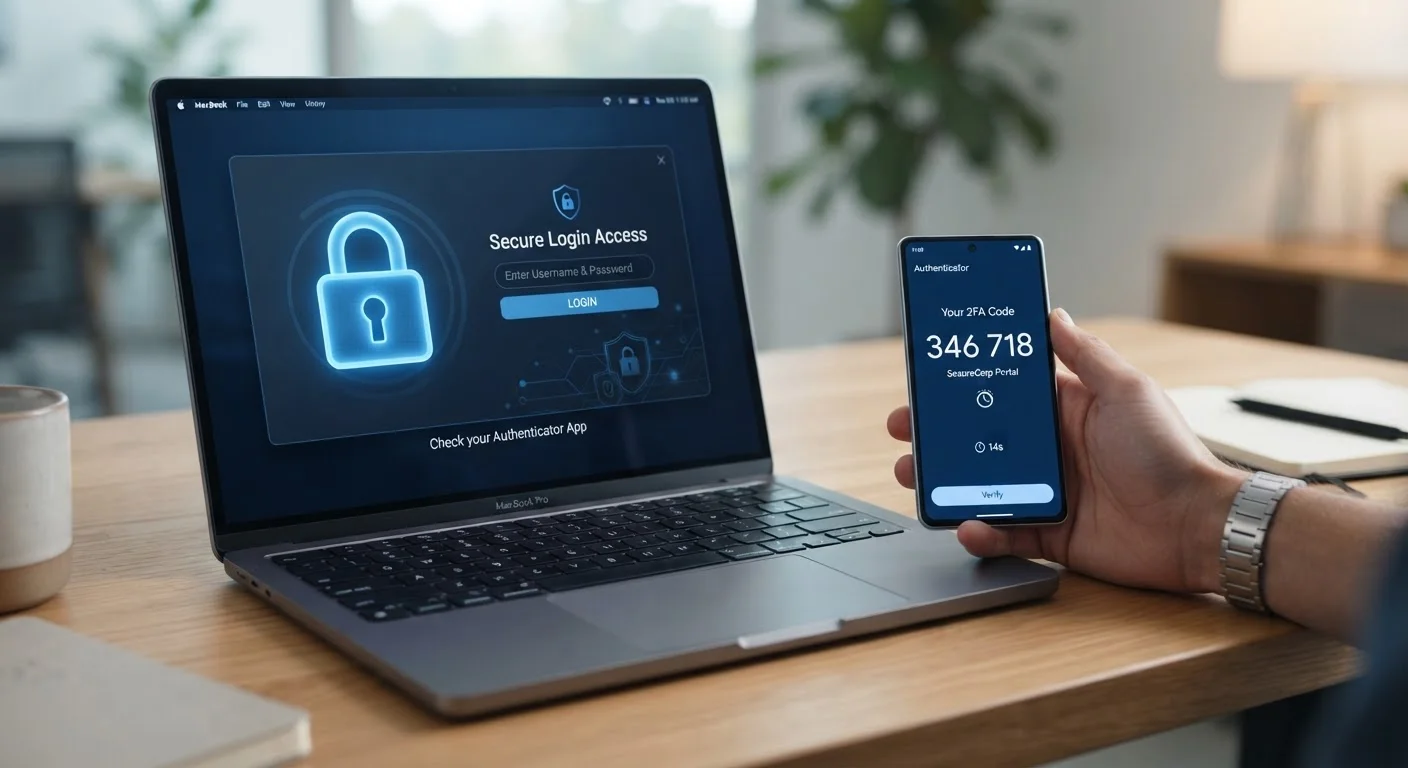
- Enable two-factor authentication (2FA) wherever it is offered. App-based authenticators are generally more secure than SMS-based codes, though either is far better than no 2FA at all.
- Monitor your statements regularly. Small, unfamiliar charges - sometimes called "micro-charges" - can be a signal that card details have been tested before a larger fraudulent purchase.
- Avoid shopping on public Wi-Fi without a VPN, as unencrypted networks can expose session data to anyone on the same network.
For a deeper look at keeping retail accounts secure, see our guide on protecting online shopping accounts from takeover.
“The best cybersecurity tool is a skeptical consumer. Slowing down before entering payment information - even for just 60 seconds - catches the majority of phishing and fraud attempts.”
— Cybersecurity and Infrastructure Security Agency (CISA), U.S. federal cybersecurity agency, consumer guidance publications