Why Your Payment Method Matters
When you click "Place Order," your payment method determines more than just how you pay - it shapes what happens if something goes wrong. A package that never arrives, a fraudulent charge, or a site that turns out to be a scam can each have very different outcomes depending on whether you used a credit card, debit card, digital wallet, or another option.
Understanding the protections attached to each method - before you need them - is one of the most practical steps any online shopper can take. For a broader look at how to avoid costly mistakes beyond payment choices, see how shoppers quietly overpay online.
Chargeback
A chargeback is when your card issuer reverses a charge on your behalf after you dispute it. It's a formal consumer protection process, not a guaranteed refund.
ACH Transfer
An ACH (Automated Clearing House) transfer moves money directly between bank accounts electronically. It's commonly used for online bill payments and some retail transactions.
Tokenization
Tokenization replaces your real card number with a temporary, unique code (a token) used to complete a transaction. This keeps your actual card details away from merchants.
BNPL (Buy Now, Pay Later)
A short-term financing option that splits a purchase into scheduled installments, sometimes interest-free if paid on time. Terms and consumer protections vary by provider.
Zero-Liability Policy
A policy offered by many card issuers that means you won't be held responsible for unauthorized charges, provided you report the fraud promptly. This is separate from federal law protections.
Digital Wallet
An app or service (on a phone or computer) that stores your payment information and lets you pay at checkout without entering card details each time.
Credit Cards: The Strongest Consumer Protections
Credit cards are widely considered the most protective payment method for online purchases in the United States. The key reason: when you dispute a charge, the money in question hasn't left your bank account yet. The Fair Credit Billing Act gives cardholders the right to dispute unauthorized or incorrect charges, and most major issuers back that up with zero-liability policies for fraud.
Chargebacks - the formal process of reversing a charge - are available when a merchant doesn't deliver what was promised. This doesn't guarantee a win in every case, but it gives you a structured path to recover funds that debit cards and bank transfers typically don't offer at the same level.
Use a dedicated card for online purchases
Keeping a single credit card reserved for online shopping makes it easier to spot unusual charges on your statement. If that card's number is ever compromised, only one account needs to be replaced, and your primary card stays unaffected.
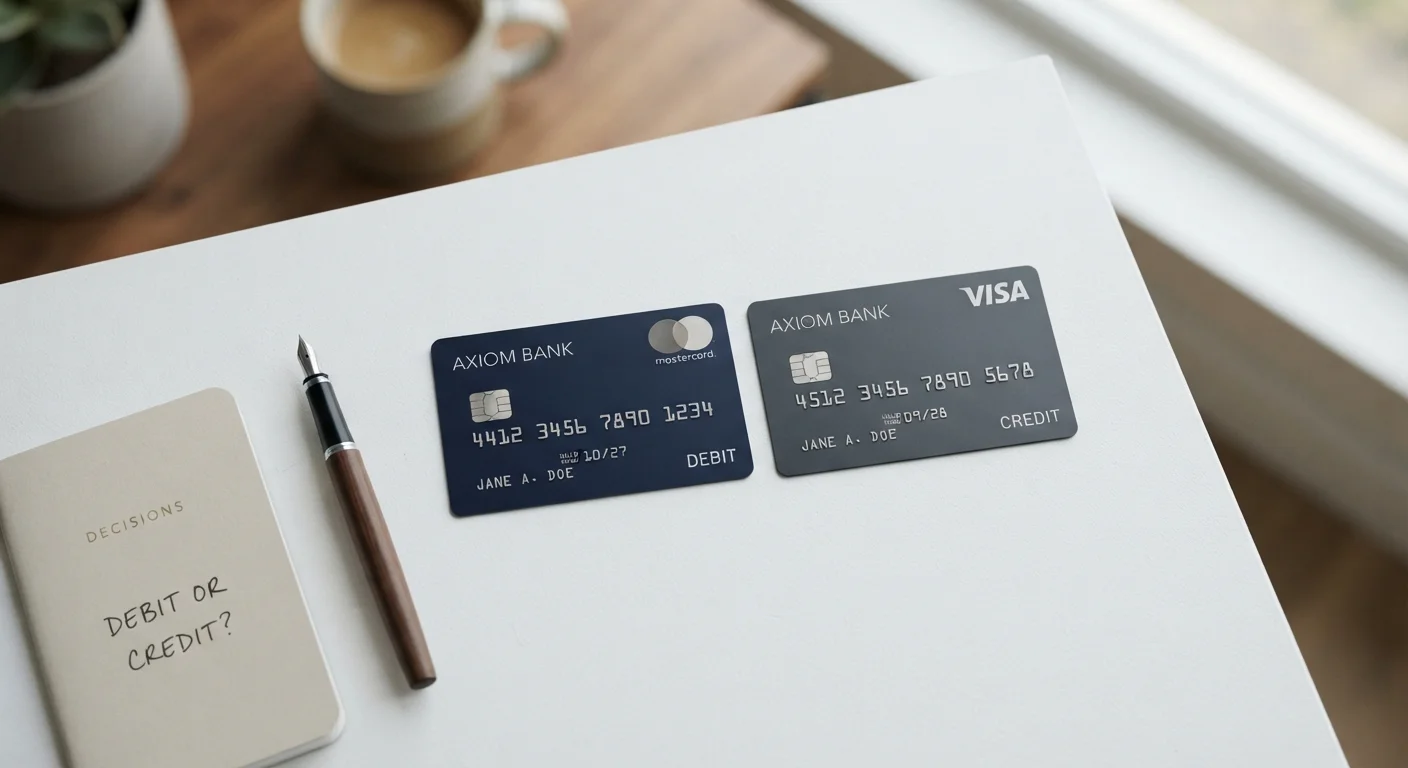
For a detailed side-by-side comparison, see how credit and debit cards differ for online purchases.
Debit Cards and Bank Transfers: Convenience With Caveats
Debit cards are widely accepted and feel familiar, but they work differently from credit cards in a critical way: they draw directly from your checking account. If fraud occurs, the money is already gone while you wait for the dispute to resolve.
Under the Electronic Fund Transfer Act, your liability for unauthorized debit card transactions depends on how fast you report the problem. Reporting within two business days limits liability to $50; waiting longer can increase exposure significantly. Direct bank transfers (ACH) have even fewer built-in consumer protections - once funds are sent, reversing them usually requires the recipient's cooperation.
Avoid debit cards on unfamiliar sites
If you're buying from a retailer you've never used before, using a debit card means any fraudulent charge hits your checking account directly. The recovery process takes time and there's no guarantee funds will be restored quickly. A credit card or digital wallet offers more breathing room in a dispute.
Digital Wallets: A Layer Between You and the Merchant
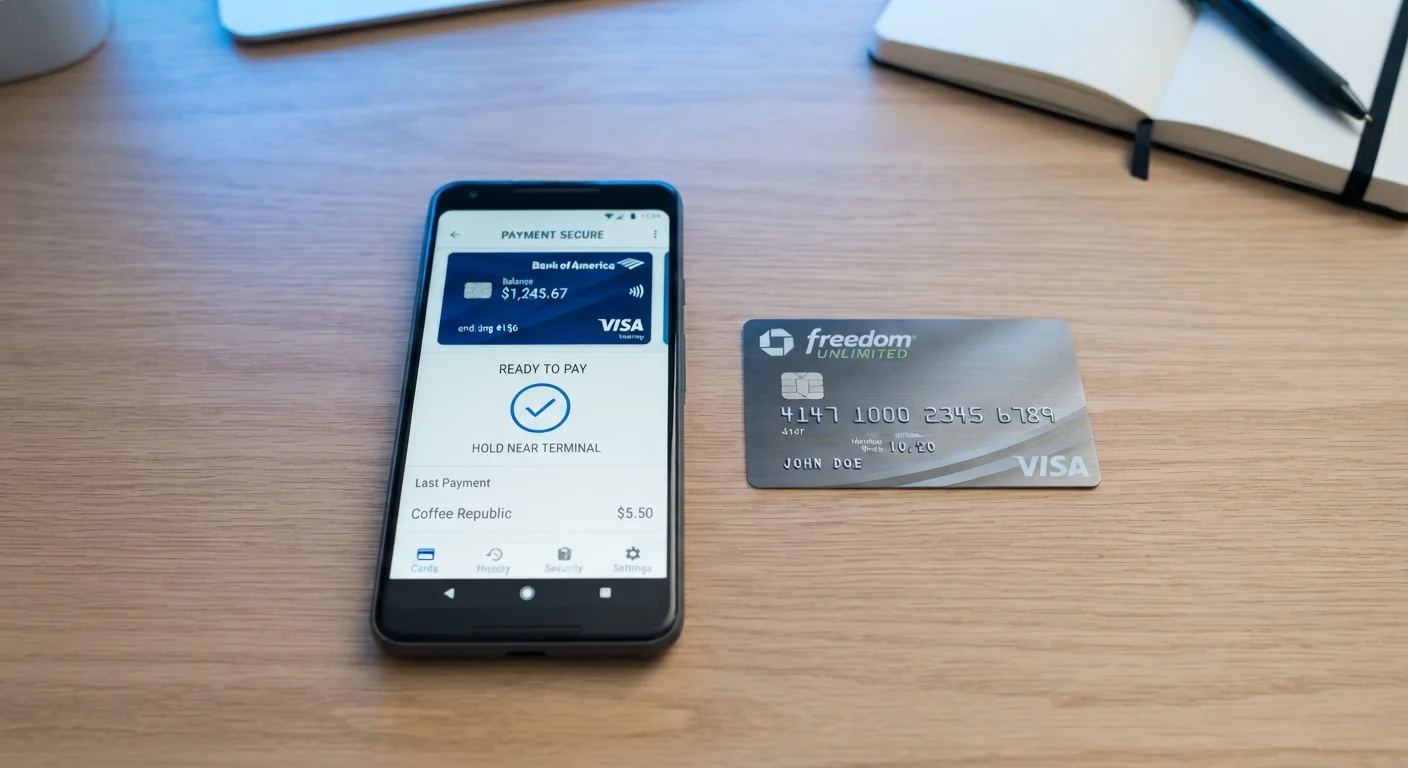
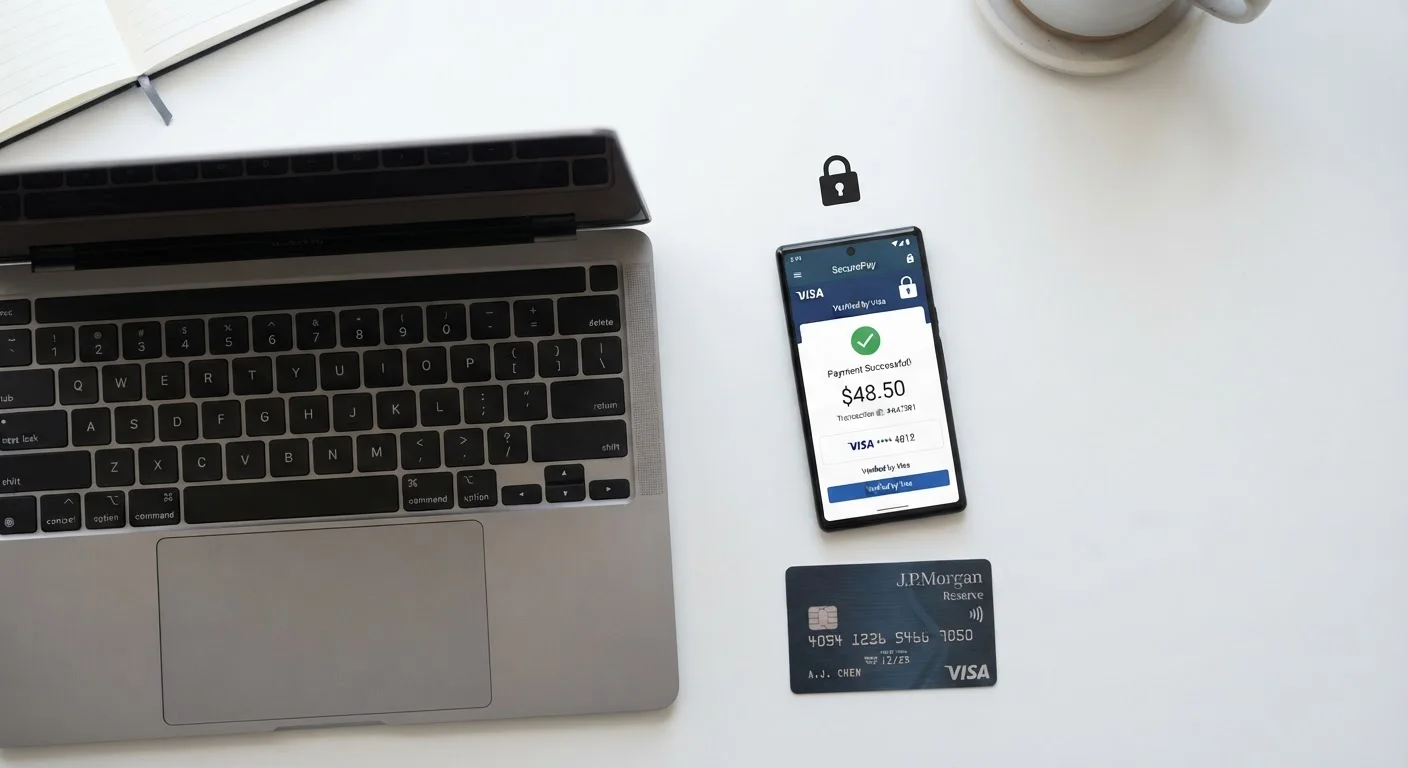
Digital wallets store your card or bank details and present a token or virtual number at checkout. The merchant never receives your actual card number, which reduces your risk if that retailer's data is ever compromised. The underlying payment method - the card linked to the wallet - still determines your dispute rights, so a credit card connected to a digital wallet carries credit card protections.
One practical benefit: you don't need to re-enter card details on every new site, which also means fewer places storing your raw information. To weigh the trade-offs in more depth, compare digital wallets against entering card details directly.
Buy Now, Pay Later: Know the Terms First
Buy now, pay later (BNPL) services let you split a purchase into installments, often with no interest if paid on time. They've grown popular for everyday purchases, but the consumer protections attached to them vary by provider and are generally not as established as those for credit cards.
Key things to verify before agreeing to a BNPL plan: whether missed payments trigger fees or deferred interest, whether the provider reports to credit bureaus (which could affect your credit), and what dispute process exists if an item never arrives or is misrepresented. The Consumer Financial Protection Bureau (CFPB) has published general guidance on BNPL products that can help you understand your rights.
Choosing the Right Method for Each Purchase
No single payment method is right for every situation. A useful general principle: the less familiar the seller, the more important it is to use a payment method with strong dispute rights. Credit cards or credit-card-backed digital wallets are reasonable defaults for unfamiliar retailers. Debit cards or bank transfers are lower-risk when used with established, trusted platforms where the purchase risk is minimal.
Before entering any payment details, verify the site is legitimate - look for HTTPS, a clear return policy, and verifiable contact information. Our pre-purchase security checklist walks through exactly what to confirm. For a comprehensive reference on safe online shopping from start to finish, see our end-to-end guide.
CFPB: Understanding Your Credit Card Rights
The Consumer Financial Protection Bureau publishes plain-language guides on billing disputes, unauthorized charges, and your rights under federal credit card law.
FTC: Online Shopping
The Federal Trade Commission's consumer guidance on online shopping covers recognizing scams, disputing charges, and what to do if an order doesn't arrive.