What's Actually Happening Inside Your Body
Your body runs on a roughly 24-hour internal schedule governed by the circadian rhythm. This biological clock controls when you feel sleepy, when your core temperature peaks, when digestive enzymes activate, and dozens of other processes. Light hitting your eyes is the primary signal that keeps this clock calibrated to local time.
When you board a transatlantic flight and land in Paris eight hours ahead of New York, your circadian clock is still operating on Eastern Time. Your body might be ready for a 2 a.m. slump at what's actually 10 a.m. in France. That internal-external mismatch is jet lag - and it's not just about feeling sleepy. Digestion, mood regulation, immune response, and cognitive performance all take a hit while your systems resynchronize.
Eastward flights compress your perceived day; westward flights extend it. Because the human circadian rhythm naturally runs slightly longer than 24 hours, most people find it easier to delay their clock (westward) than to advance it (eastward).
Why Some Flights Hit Harder Than Others
Direction and distance both matter. Flying from Los Angeles to Tokyo crosses roughly 17 time zones going west (or about 7 going east via the common eastward route) - a significant biological ask. A domestic hop from New York to Chicago, just one time zone apart, barely registers.
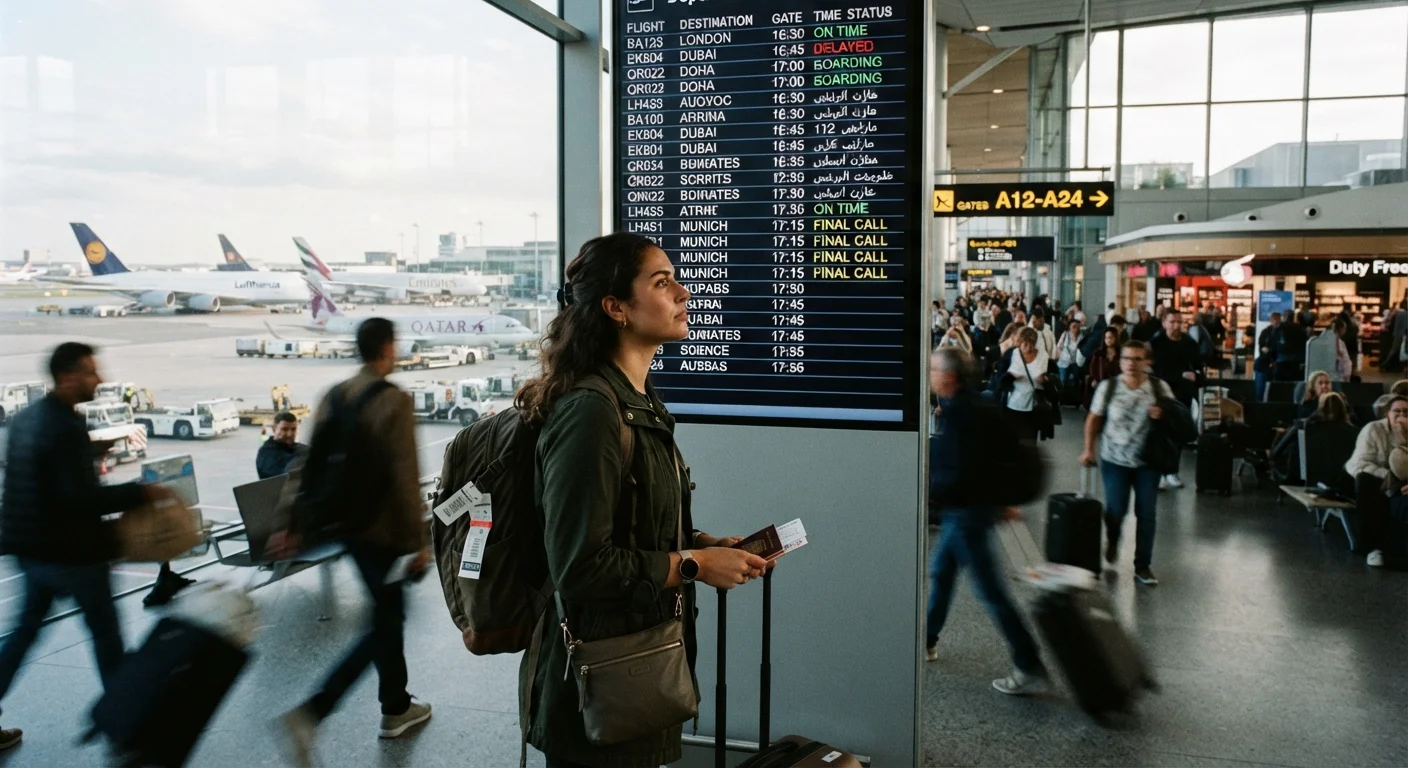
The number of consecutive nights of poor sleep also compounds the effect. Economy-class discomfort, dehydration from cabin air, alcohol, and irregular meal timing can all worsen the baseline. Travelers who arrive sleep-deprived before they even land tend to experience more pronounced symptoms. The logistical friction of international travel - long queues, transit connections, unfamiliar food - can stack on top of an already-taxed system.
Strategies Experienced Travelers Commonly Use
There's no single protocol that works for everyone, but experienced long-haul travelers tend to draw from a consistent toolkit.
Light Exposure
Since light is the primary synchronizer of the circadian clock, seeking or avoiding it strategically is the most evidence-supported approach. Arriving in a new time zone and getting outside during daylight hours - particularly morning light when traveling east - helps accelerate adjustment. Avoiding bright light in the hours you want your new body clock to treat as night is equally important.
Sleep Timing
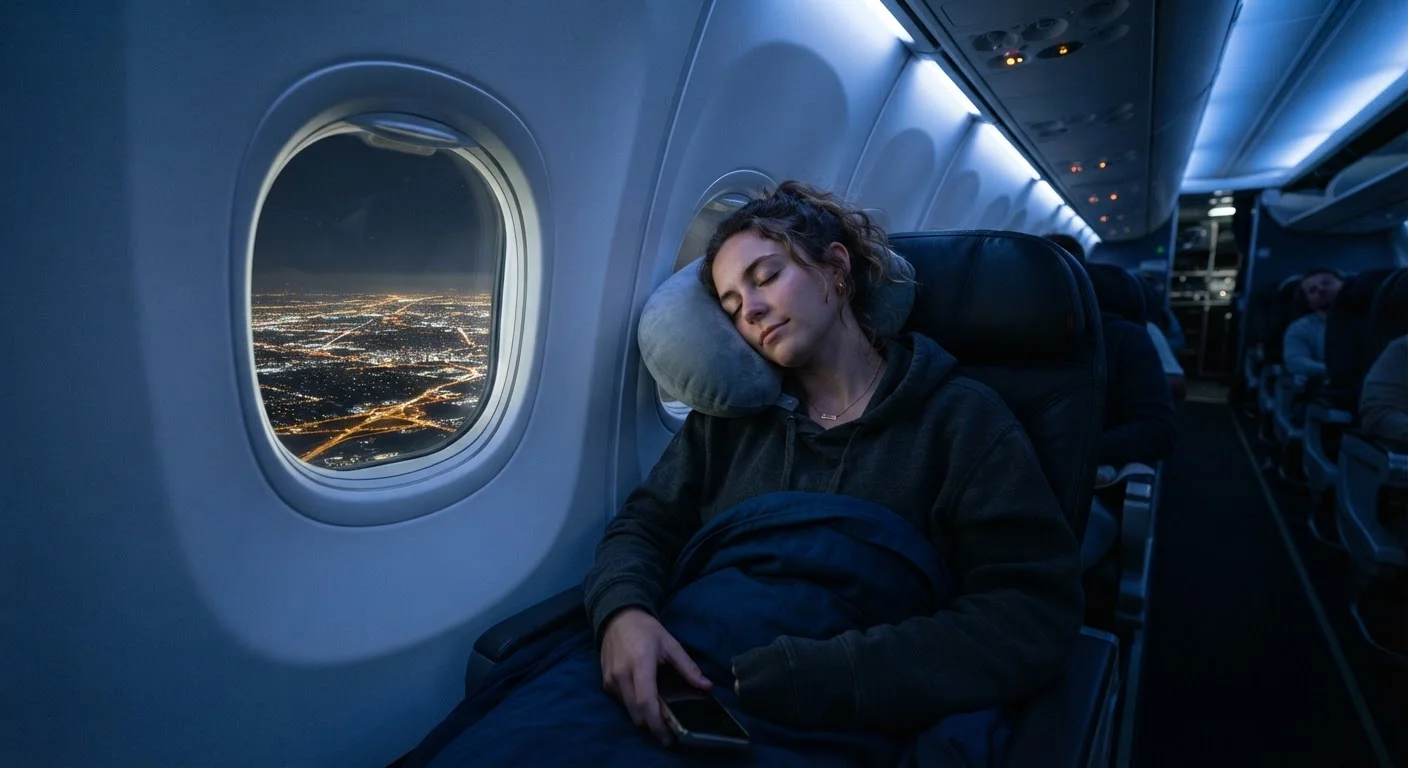
Shifting sleep and wake times by 30-60 minutes per day in the days before a major trip can give your clock a head start. On the plane, setting your watch to destination time and trying to sleep when it's nighttime there - rather than when exhaustion peaks - nudges the adjustment earlier. Good sleep has broader benefits too; the link between sleep and mental wellbeing means poor jet lag recovery can affect mood beyond just fatigue.
Hydration and Meals
Cabin humidity is extremely low, often under 20%, which accelerates dehydration. Drinking water consistently throughout the flight - rather than relying on service rounds - helps. Eating meals on destination time rather than departure time signals the body's peripheral clocks (particularly in the digestive system) to begin adjusting.
What Jet Lag Is Not
Jet lag is sometimes conflated with general travel fatigue - the soreness, stiffness, and exhaustion from long hours in transit. Those are real, but they're distinct. Travel fatigue typically resolves after a good night's sleep; jet lag persists because it's a systemic timing problem, not just accumulated tiredness.
It's also distinct from the stress response that international travel can sometimes trigger. Stress activates a separate physiological cascade involving cortisol and the nervous system, which can overlap with jet lag symptoms and make both feel worse. Recognizing which discomfort you're dealing with helps you respond more usefully.
This article is for general informational purposes only and is not medical advice. Consult a qualified healthcare professional before making decisions about supplements, medications, or managing a health condition related to sleep or travel.