Why Peak Season Isn't the Same Everywhere
Across the United States, "busy season" is a moving target. Yellowstone's peak falls in summer, the Florida Keys surge in winter, and New England fall foliage draws crowds in a narrow October window. Knowing which season works for which region - and what tradeoffs come with it - is the foundation of smarter domestic trip planning.
This reference guide breaks US destinations into seasonal patterns so you can weigh atmosphere, weather, and crowd levels before you commit. For a broader look at destination types, see our guide to matching destinations to your travel style.
| Hottest US domestic travel month | July (US Travel Association, annual domestic travel data) |
| National Park peak visitation season | Memorial Day through Labor Day (National Park Service visitor statistics) |
| Most visited US national park | Great Smoky Mountains National Park (National Park Service, recent annual reports) |
| Shoulder season advantage | Lighter crowds, often milder weather, greater lodging availability |
| Hurricane season (Gulf & Atlantic coasts) | June 1 - November 30 (NOAA National Hurricane Center) |
| New England foliage peak window | Late September to mid-October (varies by latitude) (USDA Forest Service foliage guidance) |
Region-by-Region Seasonal Snapshot
Use these regional patterns as a starting framework. Conditions vary year to year, so always verify current entry requirements, park hours, and weather forecasts with official sources before traveling.
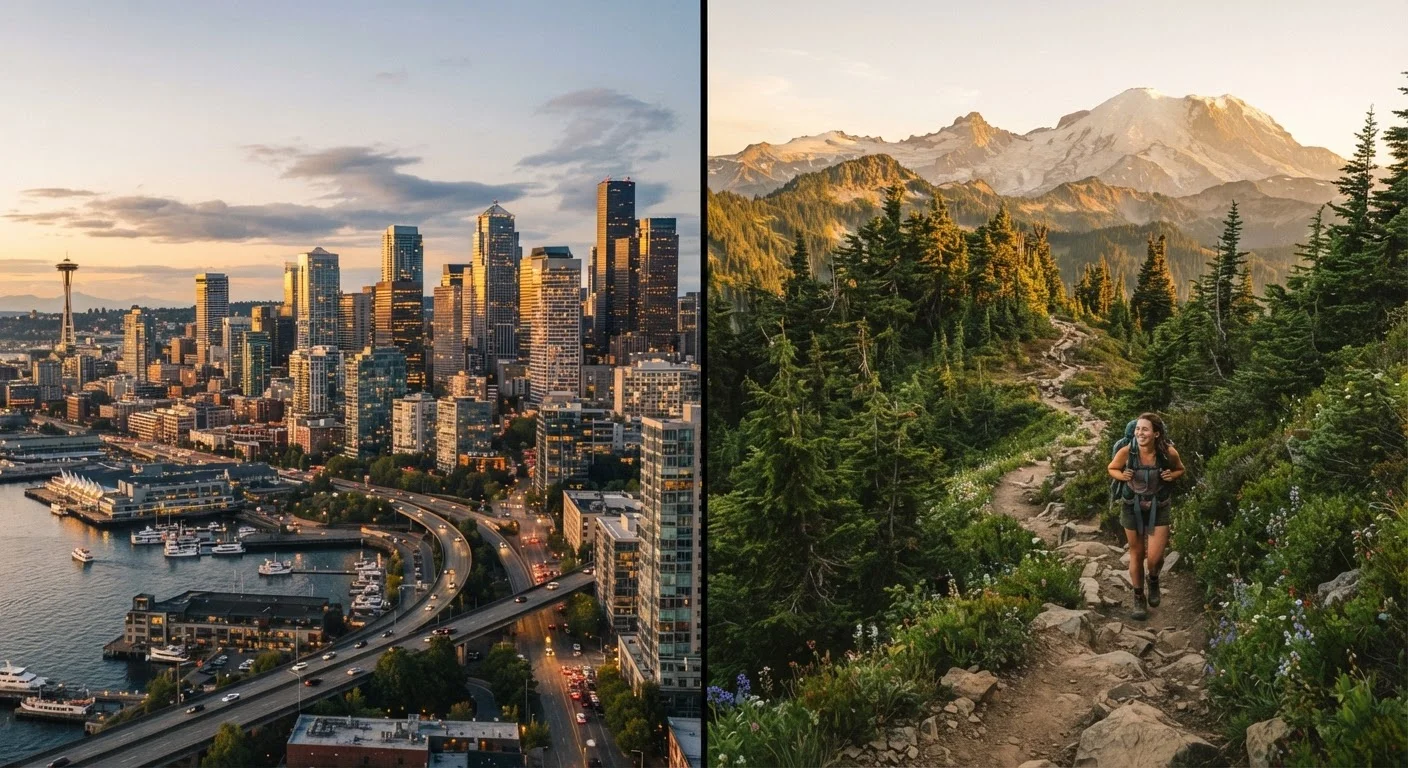
Pacific Coast & Pacific Northwest
- Peak (July-September): Warm, dry, and spectacular for coastal hiking and national parks like Olympic and Crater Lake. Expect full campgrounds and advance reservations required months ahead.
- Worth considering (April-June): Wildflower blooms, greener landscapes, and lighter crowds - though rain is common in the Northwest.
Mountain West & Rockies
- Peak (June-August): High-altitude trails fully accessible; Grand Teton and Rocky Mountain National Park see maximum visitation.
- Worth considering (September-October): Aspen gold, elk rut season, and noticeably thinner crowds at major trailheads.
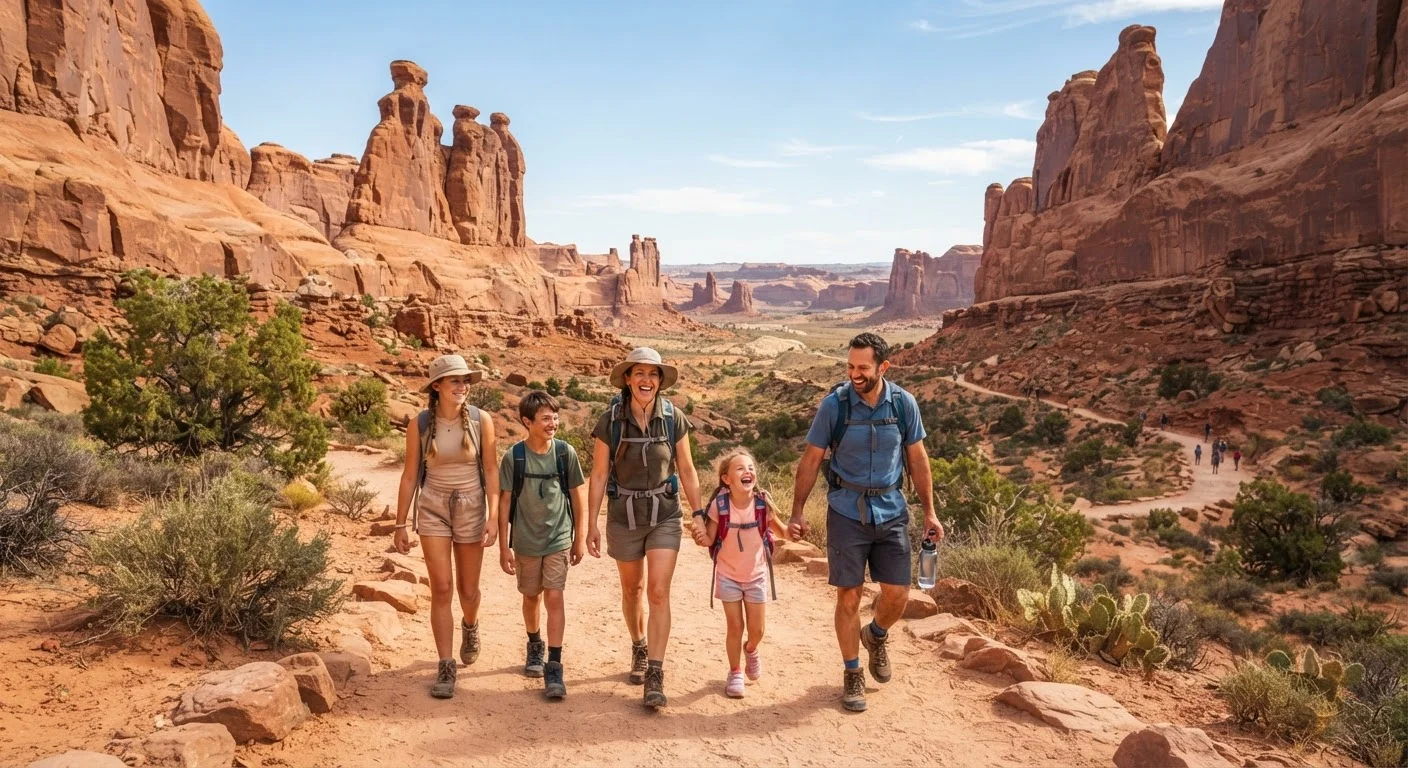
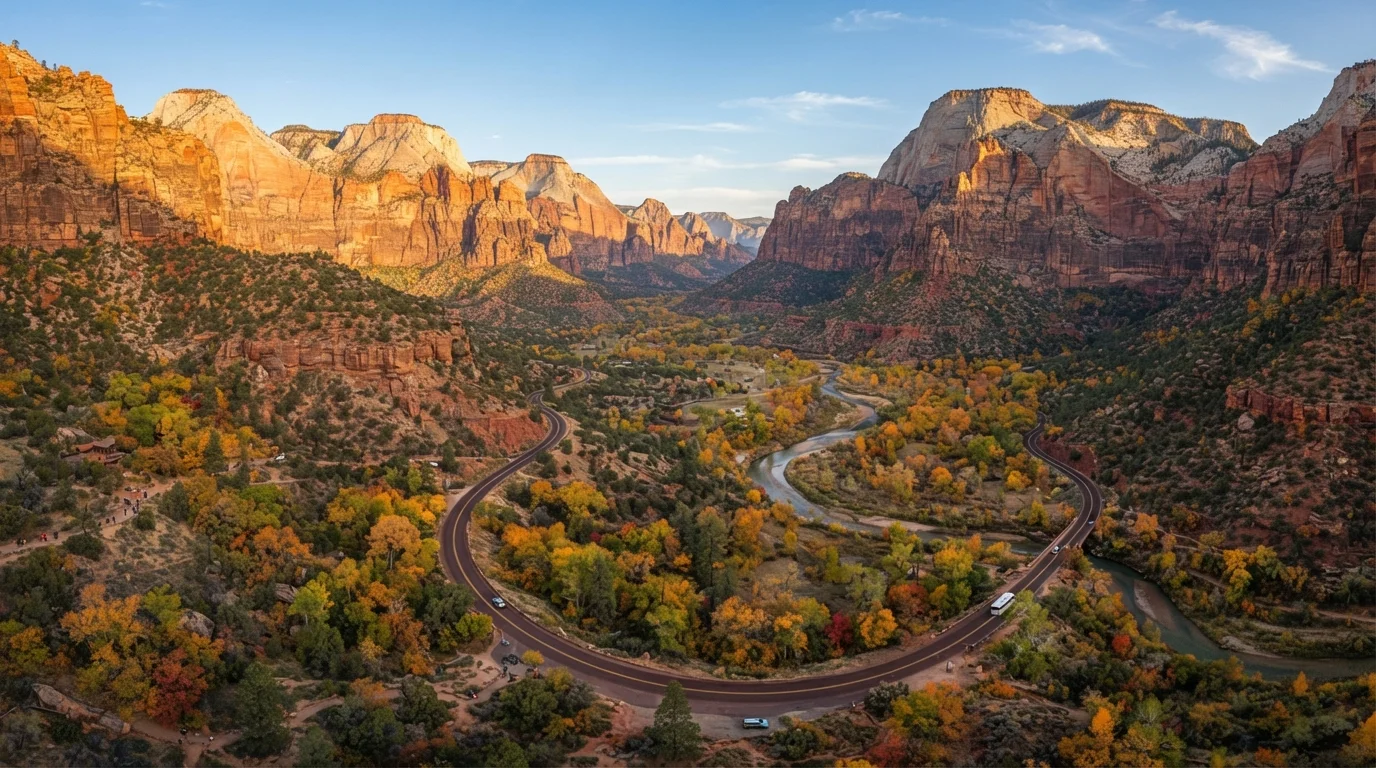
Southwest Desert (Arizona, Utah, New Mexico)
- Peak (March-May & September-November): Mild temperatures make these the clear sweet spots for Zion, Arches, and the Grand Canyon's South Rim.
- Trade-off (June-August): Extreme heat deters some hikers, which actually reduces crowds at lower elevations - but safety precautions are essential in high temperatures.
Southeast & Gulf Coast
- Peak (winter, December-March): Snowbirds and families flock to Florida, the Gulf Coast, and the Outer Banks to escape northern winters.
- Worth considering (May-June): Pre-hurricane-season shoulder window with warm water and manageable crowds before summer school-break surges.
New England
- Peak (late September-mid-October): Foliage season is genuinely transformative - but so are the traffic and lodging prices.
- Worth considering (June-early September): Cooler summers draw hikers and coastal visitors; the White Mountains and Maine coast shine without autumn congestion.
Peak Season
The period when a destination receives its highest visitor volume, typically driven by favorable weather, school holidays, or a signature annual event. Expect higher demand for lodging and popular attractions.
Shoulder Season
The transitional periods just before or after peak season. Crowds thin out and conditions are often still favorable, making this a practical window for many travelers.
Off-Season
The lowest-demand period for a destination. While lodging availability tends to improve, some services, attractions, or trails may be closed or reduced.
Timed-Entry Reservation
A system used by popular parks and sites requiring visitors to book a specific arrival window in advance, designed to manage crowd flow and protect natural resources.
When the Crowd Is Part of the Experience
Not every peak season is something to avoid. Some destinations deliver their most memorable atmosphere precisely because of the energy a full crowd brings - Mardi Gras in New Orleans, the National Mall in July, or ski towns during a powder-heavy February. The question isn't whether to go during peak season, but whether the experience you're after is amplified or diminished by that density.
Families traveling with children often find that peak season aligns with school breaks by necessity. Our guide to family travel across US destinations explores how age and destination type interact with seasonal timing. If you're weighing how far in advance to lock down accommodation and activities during busy windows, the tradeoffs are laid out clearly in our article on advance booking.
325M+
Annual visits to US National Parks
According to the National Park Service, annual recreational visits have consistently exceeded 300 million in recent years.
~30%
Visitor share concentrated in summer months
A significant share of national park visits occur between June and August, according to NPS visitation data summaries.
For those open to spontaneous travel, shoulder seasons often present the most flexibility - and the most genuine local atmosphere. See also our end-to-end US domestic travel planning resource for a comprehensive planning framework.