Why Hair Masks Aren't One-Size-Fits-All
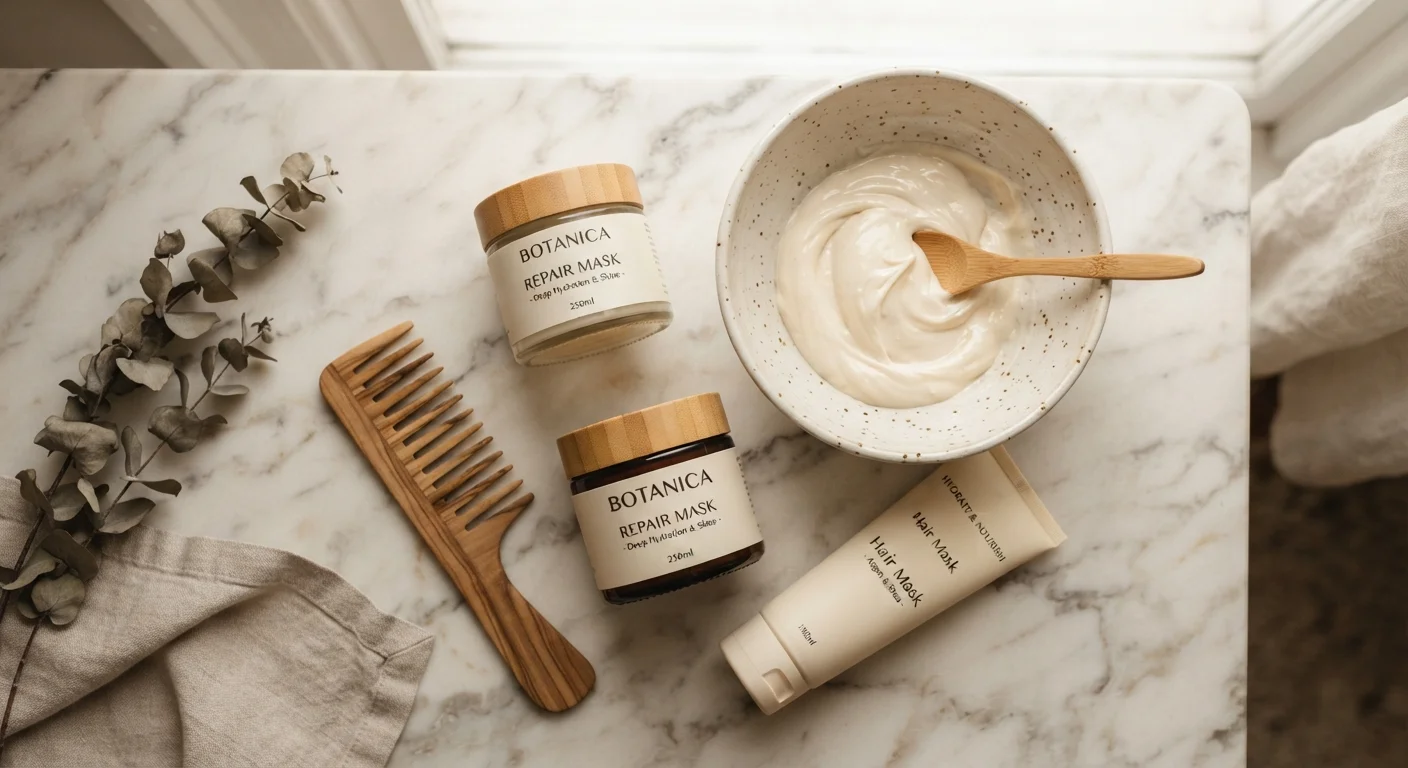
Walk down any beauty aisle and you'll find shelves of hair masks promising everything from silky softness to breakage repair. The catch? Using the wrong type can actually set your hair back rather than move it forward. Hair masks fall into three main categories - moisture, protein, and scalp-focused - and each one targets a completely different problem.
Think of it like skincare: just as a toner and a moisturizer aren't interchangeable (see our piece on what each skincare step is actually doing), hair treatments are formulated with specific goals. Knowing what your hair actually needs before you reach for a mask is the most underrated step in the whole process.
| Main mask categories | Moisture, Protein, Scalp |
| Primary moisture mask goal | Restore water content and softness |
| Primary protein mask goal | Rebuild structural strength and reduce breakage |
| Primary scalp mask goal | Treat the scalp skin, not the strands |
| Protein mask frequency | Every 4-6 weeks for most hair types |
| Moisture mask frequency | 1-2 times per week, adjusted to hair type |
Moisture Masks: When Dryness Is the Real Culprit
Moisture masks - sometimes called hydrating or conditioning masks - are designed to restore water content and flexibility to hair strands. They typically contain humectants like glycerin or aloe vera (which draw moisture in) and emollients like shea butter or oils (which seal it there).
Best for: Dry, dull, or frizzy hair; hair that feels rough or tangles easily; color-treated hair that's lost its shine.
How often: Most hair types benefit from a moisture mask once or twice a week, though very fine hair may need less frequency to avoid feeling weighed down.
What doesn't work here: If your hair feels limp, overly soft, or stretches like taffy before snapping, moisture is unlikely the root issue - that's a signal to look at protein instead.
Humectant
An ingredient that attracts and draws water molecules into the hair shaft from the surrounding environment. Common examples include glycerin, aloe vera, and panthenol.
Emollient
An ingredient that coats and smooths the hair's surface, locking in moisture and reducing friction. Oils and butters like shea and argan oil are classic emollients.
Hydrolyzed Protein
Proteins that have been broken down into smaller molecules so they can penetrate or bond to the hair shaft. Used in protein masks to temporarily reinforce weakened strands.
Protein Overload
A condition caused by using too many protein-rich products, resulting in hair that feels stiff, brittle, and prone to breakage - the opposite of the intended effect.
Keratin
The primary structural protein that makes up human hair. Damage to keratin bonds - from heat, bleach, or mechanical stress - weakens hair and reduces elasticity.
Elasticity
Hair's ability to stretch and return to its original length without breaking. Good elasticity generally indicates a healthy moisture-protein balance.
Protein Masks: Rebuilding Structural Strength
Hair is primarily made of a protein called keratin. Heat styling, chemical processing, and even over-washing can degrade the protein bonds in the hair shaft, leaving strands weak, prone to breakage, and elasticity-poor. Protein masks introduce hydrolyzed proteins - often keratin, silk, wheat, or rice - that temporarily reinforce the hair's structure.
Best for: Hair that breaks easily, feels gummy when wet, or has been recently bleached, permed, or relaxed. If you style with heat regularly, our article on heat styling and hair health explores exactly how structural damage accumulates over time.
How often: Less is genuinely more here. Overusing protein masks can cause the opposite problem - stiffness, brittleness, and breakage. Many people find every 4-6 weeks appropriate unless hair is severely compromised.
What doesn't work here: Protein overload is a real phenomenon. If hair already feels stiff or dry after a protein treatment, the balance has tipped too far - follow up with a moisture mask to recalibrate.
Scalp Treatments: Addressing the Root (Literally)
A scalp mask is aimed at the skin on your head, not your strands. Common concerns it addresses include excess oil, flakiness, product buildup, and dryness. Ingredients vary widely: salicylic acid and tea tree oil are common for oilier or flaky scalps, while ceramides and botanical oils suit drier conditions.
Best for: Itchy, flaky, or irritated scalp; persistent buildup even after washing (relevant if you use dry shampoo frequently); oily roots despite regular cleansing.
How often: Once every one to two weeks is a reasonable starting point for most people. If you suspect a scalp condition beyond general dryness or oiliness - such as seborrheic dermatitis - consult a dermatologist rather than relying solely on at-home treatments.
When to See a Professional Instead
At-home masks address general hair and scalp maintenance - they are not treatments for medical conditions. Persistent scalp flaking, significant hair loss, or severe breakage that doesn't respond to routine adjustments warrants a visit to a dermatologist or licensed trichologist. General informational content is not a substitute for personalized professional assessment.
Application note: Scalp masks are applied at the root and rinsed thoroughly before any strand-focused conditioning. Mixing them up can leave scalp skin overcoated or strands under-treated.
Reading Your Hair: A Quick Diagnostic Guide
Not sure which mask your hair is calling for? A simple stretch test offers one clue: take a wet strand and gently pull it. If it stretches a lot before breaking (or doesn't spring back), moisture is likely what's missing. If it snaps almost immediately with little stretch, protein may help. If it feels about right but the scalp is itchy or flaky, that's your focus area.
90%
Of hair fiber is made of keratin protein
Hair's keratin composition is well-established in trichology literature, underscoring why protein balance matters so much for strand integrity.
3 types
Distinct mask categories for targeted care
Moisture, protein, and scalp masks address separate biological needs and should not be used interchangeably.
Keep in mind that hair needs shift with seasons, lifestyle changes, and chemical treatments. The environmental and lifestyle factors that quietly affect your health - humidity, water quality, diet, stress - apply to your hair as much as your skin. Build your masking routine around observation, not habit alone.
This article is for general informational purposes only. If you have persistent scalp concerns or conditions, please consult a licensed dermatologist or trichologist for personalized guidance.