Why Heat Styling Myths Are So Hard to Shake
Heat styling is one of the most common - and most misunderstood - parts of many people's routines. Conflicting advice floods social media: some voices insist flat irons will destroy your hair forever; others claim a good spray can protect against anything. The reality sits somewhere more interesting in the middle.
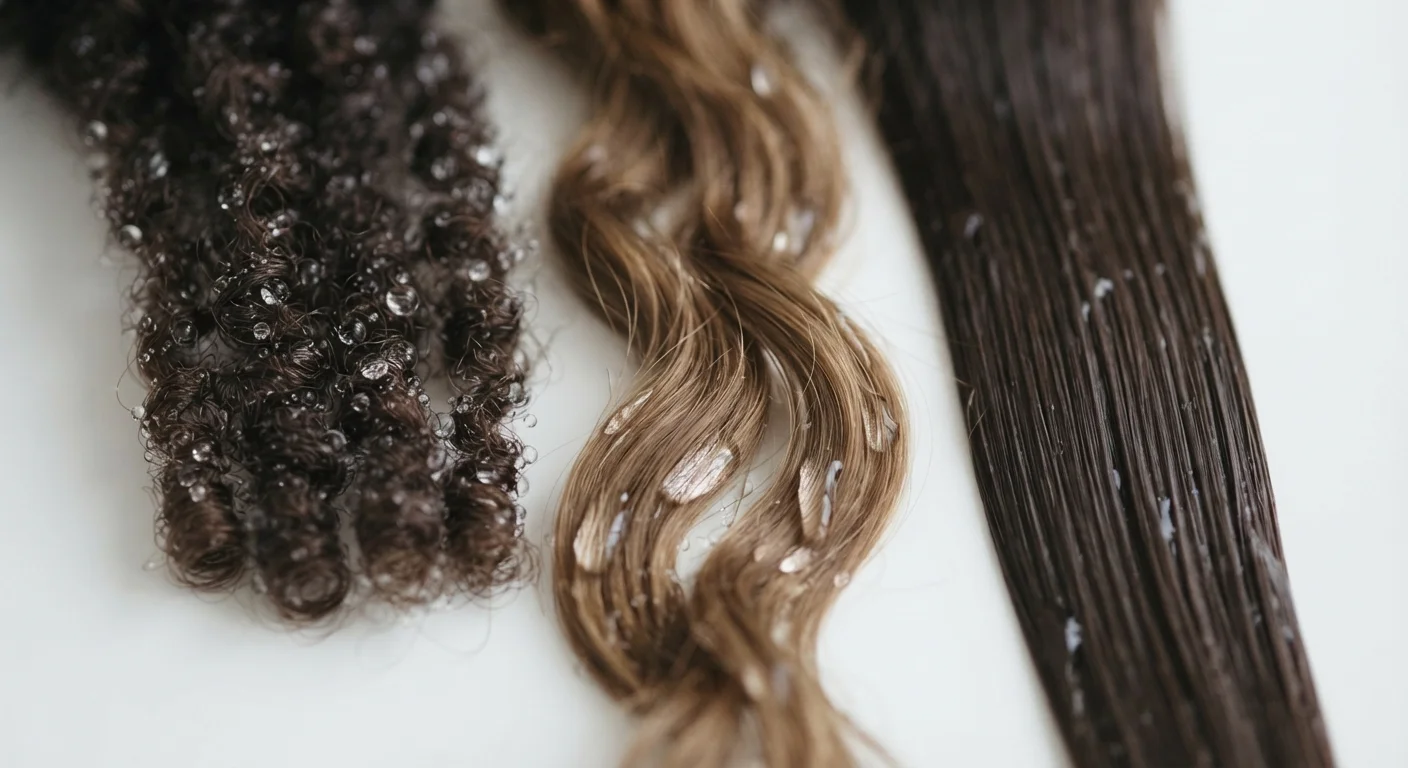
Understanding what heat actually does to hair structure helps you make smarter choices without giving up the styles you love. Hair is primarily made of a protein called keratin, and its outer layer - the cuticle - acts like shingles on a roof, overlapping to protect the inner cortex. When heat is applied, it affects how those cuticle scales lie flat, how much moisture the strand retains, and how the cortex behaves under stress.
For a deeper look at how your hair's unique structure affects all of this, see our guide on hair porosity and moisture absorption.
Myth
Heat styling permanently damages your hair follicles, meaning heat harm can never be undone.
Fact
Heat damages the hair shaft - the strand itself - not the follicle. Since the follicle lives beneath the scalp, it remains unaffected by surface heat tools.
The distinction between the hair follicle (the living root structure under your scalp) and the hair shaft (the visible strand above the scalp) is crucial. Heat tools only interact with the shaft. Damage to the shaft - like split ends, cuticle lifting, or protein breakdown - is real, but it affects the existing strand, not your ability to grow new, healthy hair. Damaged length can be trimmed away; the follicle itself continues functioning normally.
Myth
Heat protectant spray creates a complete barrier that makes heat damage impossible.
Fact
Heat protectants meaningfully reduce damage but cannot eliminate it entirely. They work by coating the strand and absorbing some thermal energy, not by blocking it completely.
Most heat protectants work through silicones, polymers, or natural oils that form a thin film over the cuticle. Studies on thermal protection products show they can reduce moisture loss and friction at moderate temperatures, but at very high temperatures - above roughly 450°F (232°C) - the protective effect diminishes considerably. Correct application matters too: applying sparingly to soaking-wet hair, for instance, can dilute efficacy. Even with protectant use, repeated high-heat exposure accumulates damage over time.
Myth
Air drying is always healthier than blow drying your hair.
Fact
Prolonged exposure to water can actually stress the hair shaft through a process called osmotic swelling, meaning controlled blow drying at a moderate heat may sometimes cause less total damage.
When hair is saturated with water for an extended period, the cortex swells repeatedly, which research suggests can weaken the strand's protein bonds over time - a phenomenon sometimes called hygral fatigue. A 2011 study published in the Annals of Dermatology found that hair dried with a blow dryer at a moderate distance and temperature showed less surface damage than hair left to air dry. The key variables are heat level, dryer distance, and movement - holding a dryer stationary and close dramatically increases risk.
Myth
If your hair feels soft after heat styling, it hasn't been damaged.
Fact
Softness after heat can actually indicate that the cuticle has been temporarily smoothed flat - a cosmetic effect that can mask underlying dryness or protein loss.
Heat temporarily flattens the cuticle scales, which makes hair feel silky and look shiny in the short term. However, this smoothing effect does not reflect the condition of the cortex underneath. Hair can feel soft while having significant internal moisture loss or weakened protein structure. Over time, this internal damage accumulates and eventually becomes visible through breakage, dullness, and increased porosity - even if it felt fine for months prior.
Myth
You only need to worry about heat damage if you use a flat iron - diffusers and blow dryers are safe.
Fact
Any heat tool applied incorrectly or at too high a temperature can damage hair; risk level depends on temperature, duration, and hair condition - not the tool type alone.
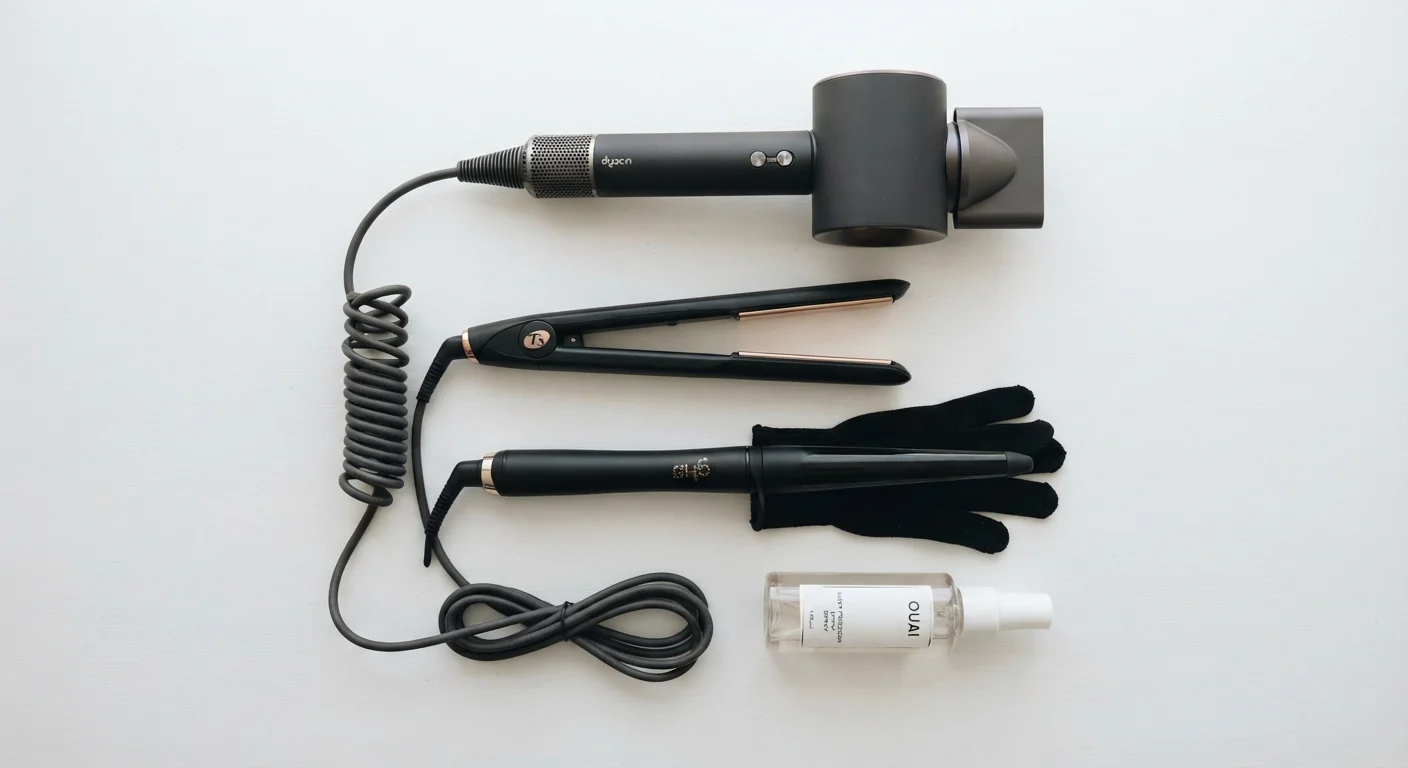
Blow dryers can reach temperatures well above 300°F (149°C), and when held too close to the hair or concentrated on one section for too long, they cause the same types of cuticle and cortex damage as flat irons. Diffusers distribute heat more broadly and gently, making them lower-risk for many hair types - but they are not damage-proof. The critical factors are: temperature setting, distance from the hair, duration of contact, and hair's starting condition. High-porosity or chemically treated hair is more vulnerable across all tool types.
What Science Actually Says About Protective Habits
Once you separate fact from fiction, practical protection becomes far less complicated. Research consistently points to a few habits that make a meaningful difference:
- Use the lowest effective temperature. Most hair types can be styled effectively at lower heat settings than people default to. Start lower and increase only if needed.
- Never skip heat protectant on wet or damp hair. Applying heat to hair that is even slightly damp accelerates internal steam damage significantly.
- Space out heat sessions. Giving hair recovery time between styling days, combined with a good conditioning routine, helps preserve structural integrity.
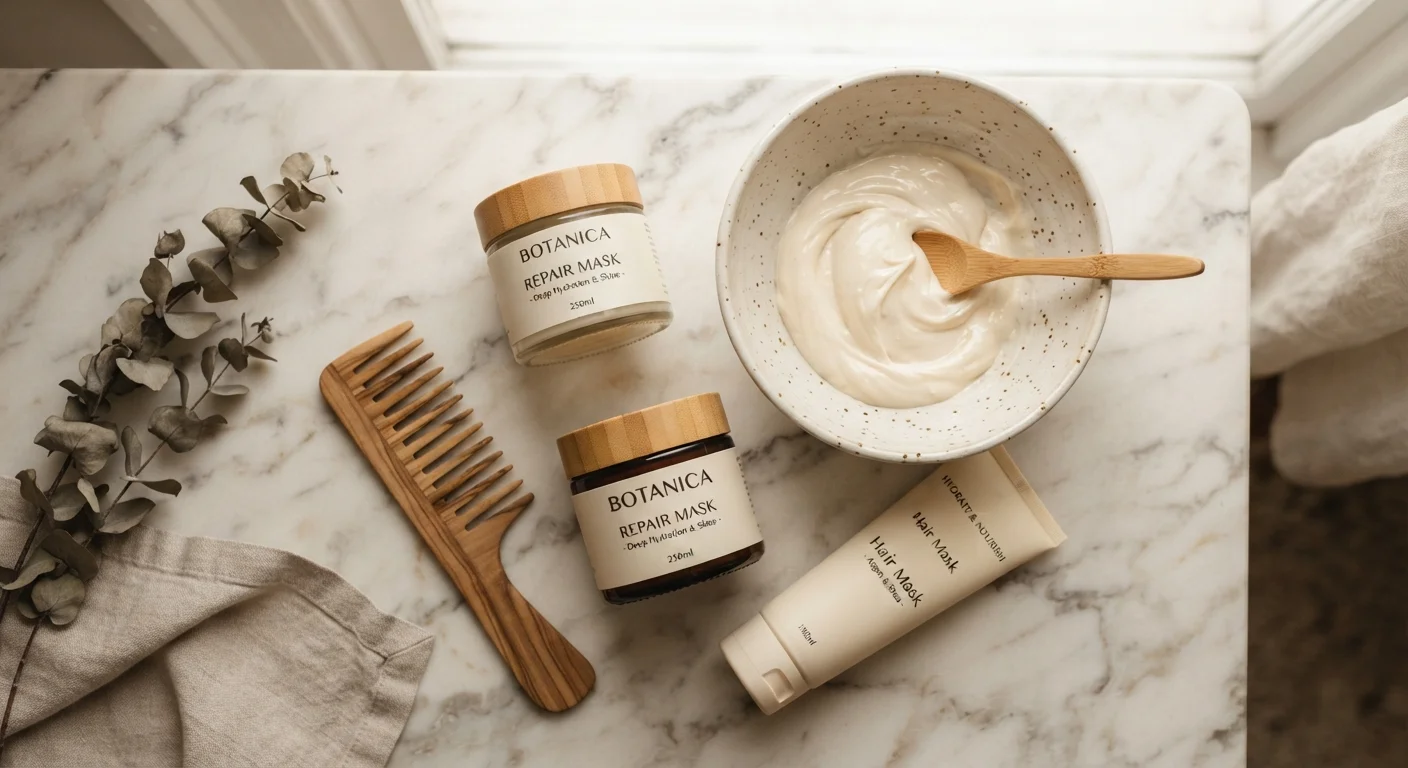
Pairing heat styling with regular deep conditioning pays real dividends. Our article on at-home hair masking breaks down which mask types address heat-related protein loss versus moisture depletion - two very different needs.
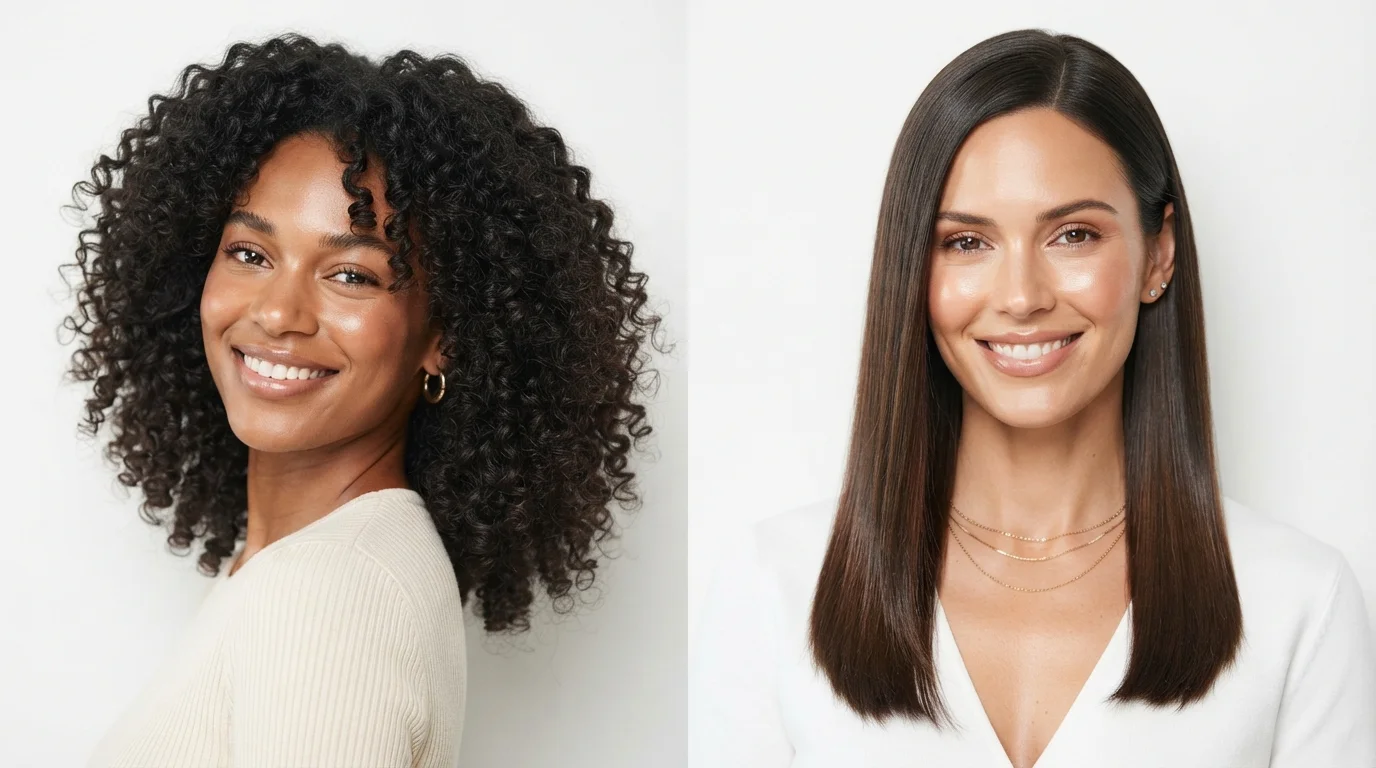
It's also worth noting that curly and coily hair textures have distinct vulnerabilities to heat. Those routines call for a tailored approach, which is explored in detail in our piece on curly vs. straight hair care differences.
450°F+
Temperature at which heat protectants lose significant efficacy
Hair care researchers note that most heat protectant formulations provide reduced protection above approximately 450°F (232°C), a temperature some flat irons and curling wands can reach on high settings.
~300°F
Temperature at which hair protein bonds begin to degrade
Trichological research indicates that keratin protein bonds in the hair shaft can begin to break down when sustained temperatures exceed approximately 300°F (149°C).
If you enjoy busting beauty myths, you may also find it useful to compare notes with our piece on skincare myths dermatologists want gone - many of the same evidence-versus-lore dynamics apply.
High Heat on Chemically Treated Hair Carries Extra Risk
Hair that has been chemically relaxed, permed, bleached, or heavily colored already has a compromised cuticle and reduced protein structure. Applying high heat to already-processed hair significantly accelerates breakage and dryness. If your hair has recent chemical treatments, use the lowest effective heat setting and prioritize intensive conditioning before heat styling sessions.
This article is for general informational and educational purposes only. It does not constitute medical or professional hair care advice. Consult a licensed cosmetologist or trichologist for concerns about significant hair loss or scalp health.