What Dry Shampoo Actually Does
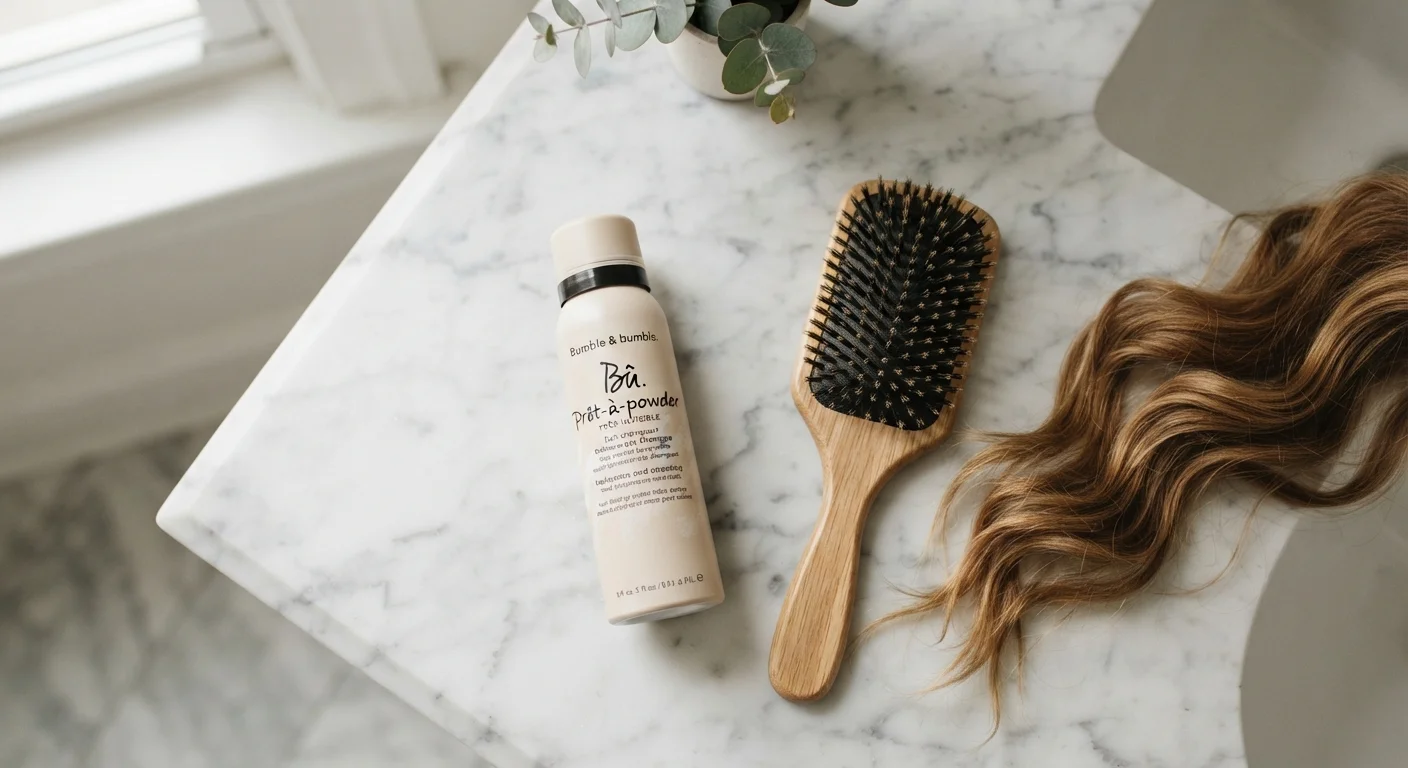
Despite its name, dry shampoo doesn't clean hair the way water and traditional shampoo do. Instead, it uses absorbent agents - commonly starch, clay, or silica - to soak up excess sebum (the scalp's natural oil) and reduce the greasy appearance at the roots. Most formulas also contain a propellant that helps distribute the powder or fine particles across the hair shaft.
The visual result can be impressive: roots look lifted, hair feels less flat, and styles hold better for an extra day or two. What's actually happening, though, is cosmetic concealment rather than removal. Sweat, dead skin cells, pollutants, and the product itself continue to accumulate on the scalp. Understanding that distinction is the starting point for using dry shampoo wisely.
Dry Shampoo Is Not a Scalp Treatment
Some dry shampoos are marketed with terms like 'scalp-refreshing' or 'clarifying,' but these descriptors refer to the cosmetic effect, not clinical cleansing. No dry shampoo formula replaces the mechanical and chemical action of water and surfactant-based shampoo in removing buildup. If you're dealing with scalp concerns - persistent itching, flaking, or tenderness - a dermatologist or trichologist is the right resource, not a styling product.
The Real Advantages of Using It
There's a reason dry shampoo has become a staple for many people - the convenience factor is legitimate.
Saves significant time on busy mornings
A quick application takes under two minutes and can extend a style by a full day, cutting down the time spent washing, drying, and re-styling.
Adds volume and texture to flat hair
The absorbent particles coat the hair shaft and create friction, giving fine or limp hair a lifted, fuller appearance that can be hard to achieve right after washing.
Reduces heat styling frequency
Fewer wash days mean fewer blow-dry and flat-iron sessions, which can lower cumulative thermal damage over time - particularly beneficial for color-treated or already-dry hair.
Helps color-treated hair stay vibrant longer
Each shampoo session gradually fades hair dye, so extending time between washes with dry shampoo is a practical way to preserve salon color between appointments.
Useful for gym days or travel
During workouts or when access to a shower is limited, dry shampoo offers a quick refresh that keeps hair looking presentable without requiring infrastructure.
Beyond speed, dry shampoo can actually be protective in specific situations. Frequent heat styling and washing strips moisture from hair over time, so cutting wash days can reduce thermal damage for those who blow-dry or iron regularly. If you color your hair, fewer wash cycles also means color lasts longer between salon visits. Some texturizing dry shampoos add grip and grit that help second-day hairstyles - braids, updos, and loose waves - hold their shape better than freshly washed, slippery strands would.
The Downsides Worth Knowing
The cons of dry shampoo are just as real as the conveniences, and they tend to surface when use becomes habitual rather than occasional.
Builds up on the scalp without real cleansing
Residue from repeated applications accumulates alongside sweat, sebum, and dead skin cells. This buildup is not removed by dry shampoo itself and requires a proper wash to clear.
Can clog hair follicles and irritate the scalp
Prolonged buildup around follicle openings may contribute to scalp discomfort, itchiness, or inflammation - particularly for people who already have a sensitive or flaky scalp.
May cause or worsen dandruff symptoms
Some dermatologists note that residue-heavy products can disrupt the scalp's microbiome balance, potentially feeding the yeast associated with dandruff-like flaking.
Dries out the hair shaft over time
Starch and clay-based formulas absorb moisture along with oil, which can leave strands drier and more prone to breakage with sustained, frequent use.
White residue is visible on darker hair
Many powder-based formulas leave a visible white or grey cast at the roots, which requires careful blending and may not be fully invisible on brunette or black hair.
Aerosol formulas raise inhalation concerns
Spray dry shampoos release fine particles into the air during application. Using them in a well-ventilated space and avoiding direct inhalation is generally advised.
The scalp is skin, and it benefits from the same principle that applies to the face: buildup interferes with its natural function. Interestingly, our guide on why skin gets oilier when you over-cleanse explains how disrupting the skin's balance - in either direction - can trigger overcompensation. The same logic can apply to the scalp when cleansing is skipped too often. Pores clogged with buildup may produce more oil to compensate, not less.
How to Use It Without the Downsides
The goal isn't to avoid dry shampoo - it's to use it in a way that doesn't quietly work against your hair's health.
- Apply it the night before, not the morning of. Spritzing it in before bed gives the product time to absorb fully and brushes out more cleanly, leaving less residue behind.
- Hold the can at least 6-8 inches from the scalp. Too close and product concentrates in one spot, creating visible white patches and harder-to-remove buildup.
- Never skip a clarifying wash. Once a week or every few wash cycles, use a clarifying or scalp-focused shampoo to remove buildup that regular shampoo might miss.
- Limit consecutive no-wash days. Most hair types tolerate one to two days between washes comfortably; beyond that, buildup risks climb.
Pairing dry shampoo use with a solid deep-conditioning or masking routine helps offset any drying effects the product may have on hair strands. Our overview of at-home hair masking covers how to pick the right treatment for your hair type.
~1 in 3
Americans who skip a wash day weekly
Survey data from hair care research has consistently found that a significant portion of American adults wash their hair fewer than five times per week, creating a natural market for between-wash products.
2-3 days
Typical safe interval between hair washes
General guidance from trichologists (hair and scalp specialists) suggests most scalp types tolerate washing every two to three days without adverse buildup or oil imbalance.