
The Biology Behind the Rebound
Your skin produces oil - sebum - through tiny glands attached to each hair follicle. These sebaceous glands don't operate on a fixed schedule; they respond to signals from the skin's surface. When cleansing removes too much of the natural lipid layer, the body interprets that loss as a threat and ramps up sebum production to compensate. The result is what dermatologists sometimes call reactive seborrhea: more oil, not less, as a direct consequence of over-washing.
This mechanism also explains why the tight, dry feeling after a harsh cleanse is often followed within hours by a shiny, oily complexion. The skin isn't misbehaving - it's doing exactly what it's designed to do. Understanding this loop is the first step toward breaking it.
Your Skin Has a Built-In Defense System
The skin's acid mantle - a thin, slightly acidic film formed by sebum and sweat - acts as a first line of defense against bacteria, irritants, and moisture loss. Aggressive cleansing raises the skin's pH and disrupts this barrier. Once disrupted, the skin doesn't just feel dry or tight; it actively works to compensate, often producing more oil than before.
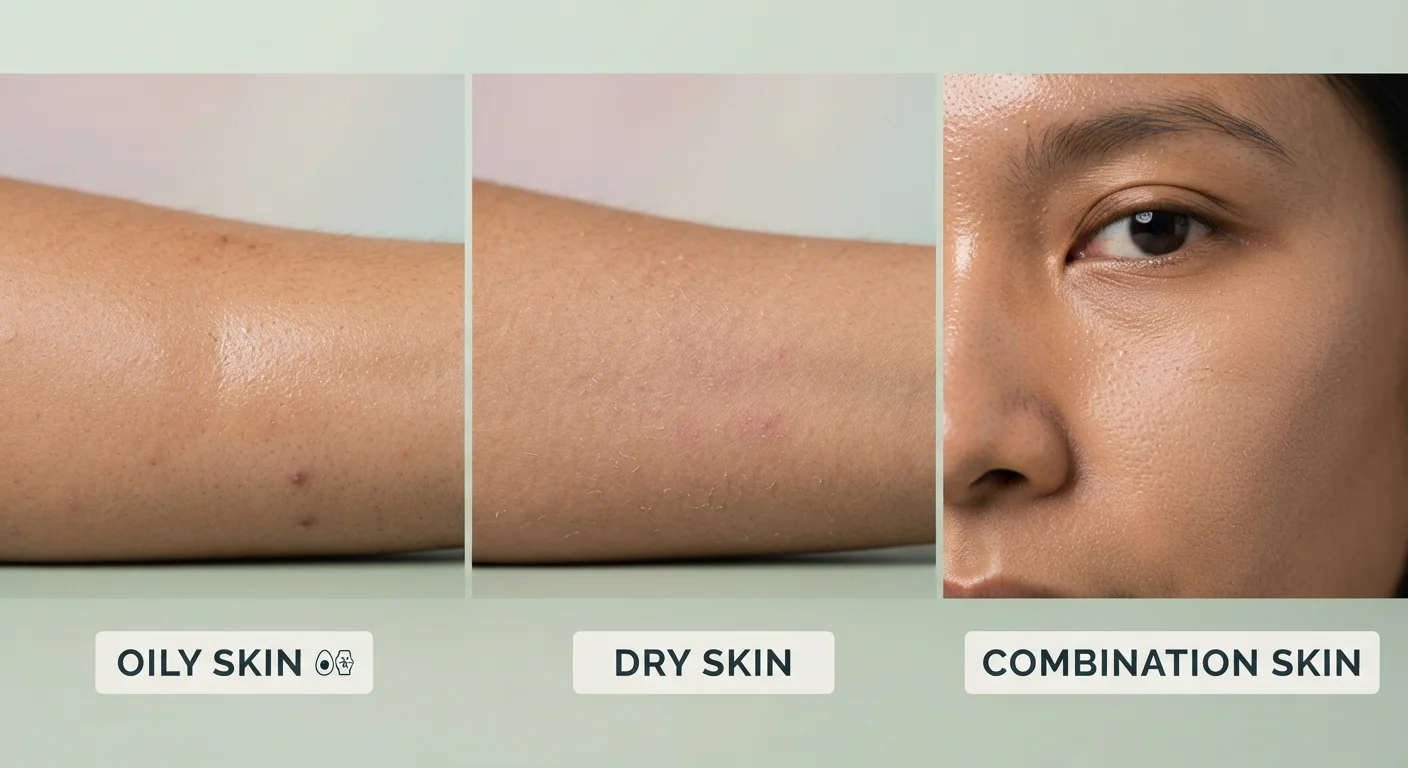
For context on how your individual skin type factors in - and why it may shift over time - see what your skin type actually means.
The Mistakes That Keep the Cycle Going
Most people caught in the over-cleansing loop are making a handful of very understandable errors. Recognizing them is straightforward once you understand the biology - and the fixes are simpler than most people expect.
Washing your face more than twice a day to combat shine.
Why it happens: It feels logical: if your skin is oily, washing more often should remove the oil. Most of us were never taught that the skin regulates its own sebum output in response to what's on its surface.
Using a foaming or 'deep-cleaning' cleanser that leaves skin feeling squeaky clean.
Why it happens: Marketing around words like 'purifying' and 'pore-clearing' has conditioned many people to equate that tight, stripped-clean sensation with effectiveness. In reality, that feeling signals barrier disruption.
Skipping moisturizer because skin already feels or looks oily.
Why it happens: Applying moisturizer to oily skin seems counterintuitive, but oiliness and hydration are not the same thing. Skin can overproduce oil precisely because it lacks adequate hydration.
Cleansing immediately after sweating or exercise with a strong cleanser.
Why it happens: Post-workout skin feels grimy, making an intensive cleanse feel warranted. But the skin barrier is already slightly stressed from heat and exertion, making it more vulnerable to stripping.
Assuming oily skin means you don't need to worry about barrier damage.
Why it happens: There's a widespread belief - examined in our skincare myths roundup - that oily skin is naturally tougher or more resilient. Oiliness is a sebum output issue; barrier integrity is a separate concern.
Hot Water Isn't Helping You
Washing with very hot water feels thorough, but it strips the lipid layer of the skin more aggressively than lukewarm water. Repeated hot-water cleansing can leave the barrier chronically weakened, leading to a cycle of oiliness, tightness, and irritation. Stick to lukewarm water and pat - don't rub - dry.
Lifestyle factors beyond your cleanser also play a role. Stress hormones, sleep deprivation, and even local water quality can affect sebum production and barrier function - something worth exploring in our article on factors that quietly affect your skin.
Rebuilding a Routine That Works With Your Skin
Resetting an over-cleansed skin routine requires patience. The sebaceous glands take time - often several weeks - to recalibrate once you reduce cleansing frequency and switch to a gentler formulation. Expect a transitional period where skin may still feel oily before it settles.
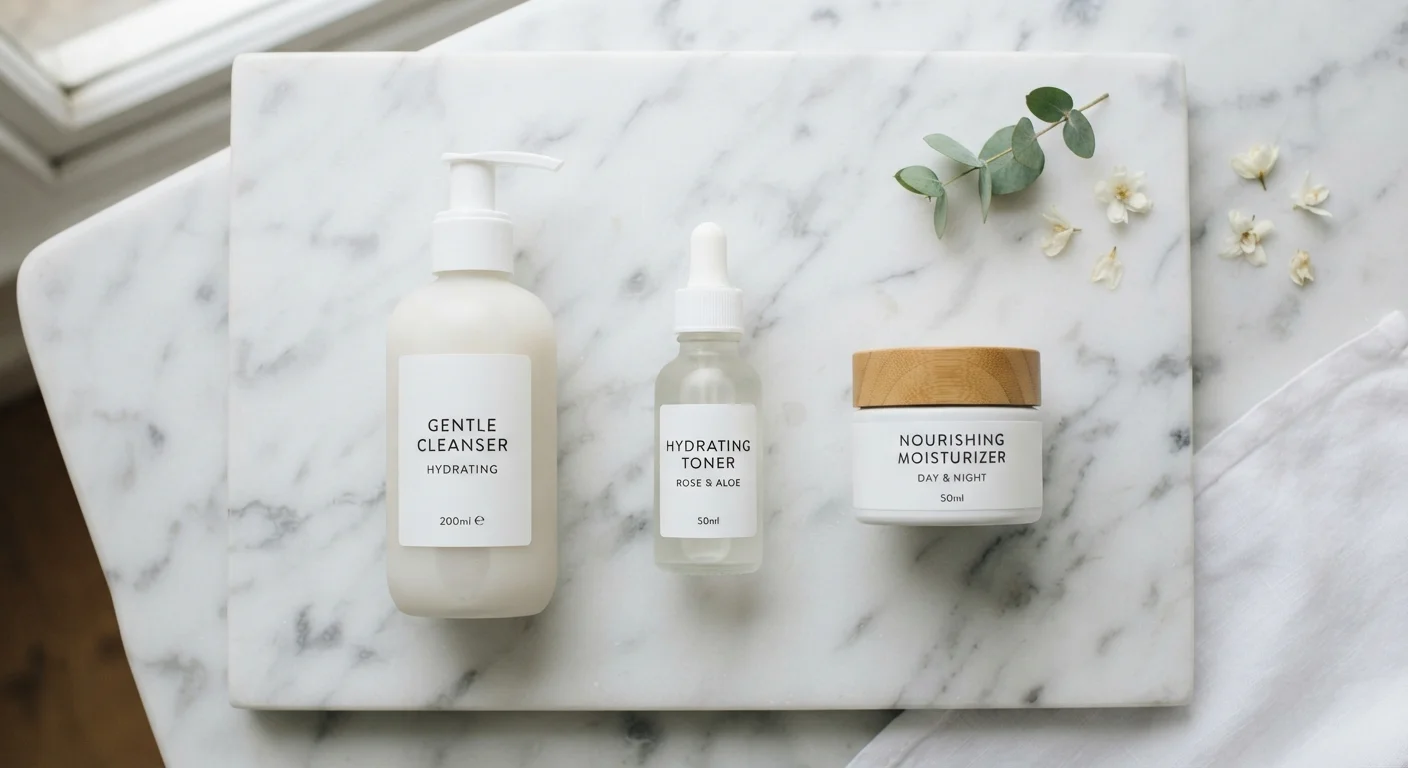
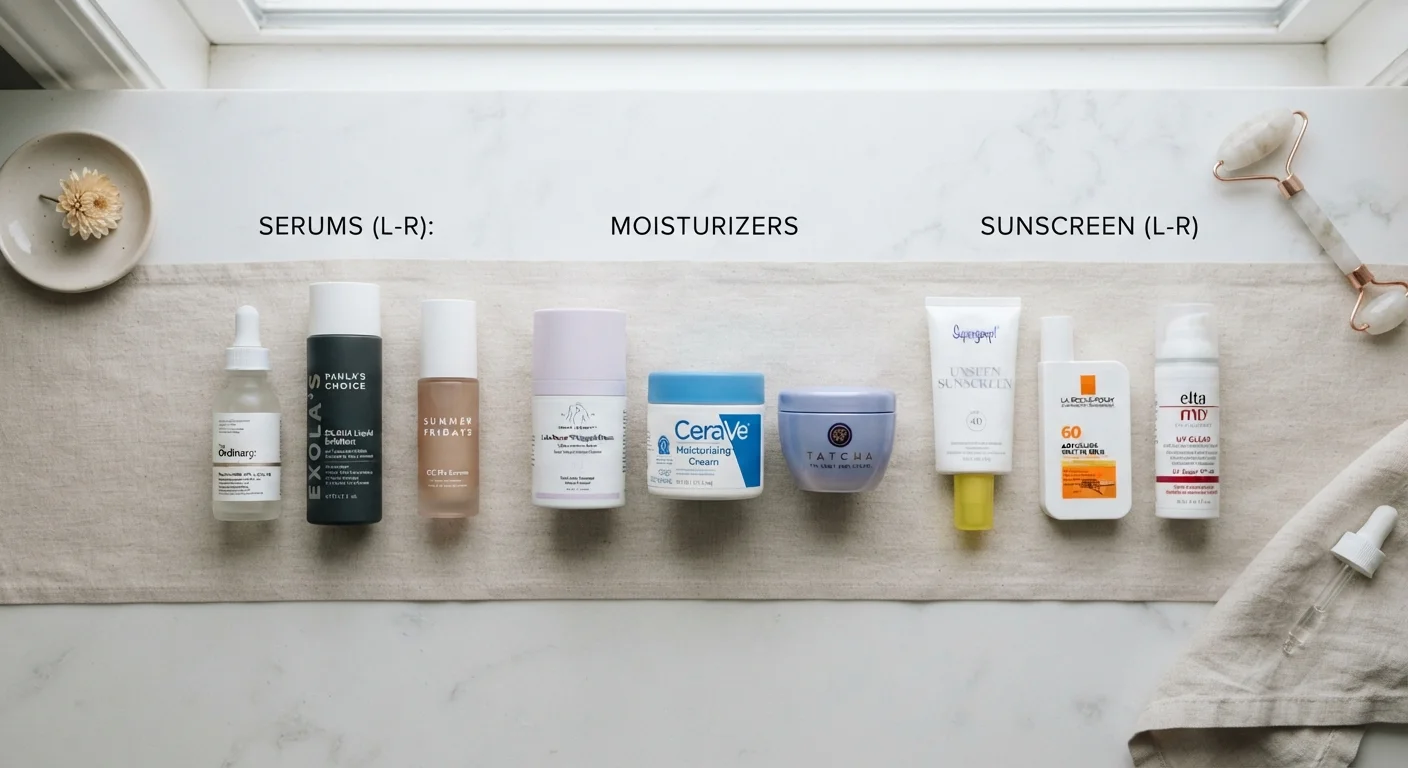
A simplified approach works well: one gentle cleanse in the evening to remove sunscreen, makeup, and the day's buildup; a water rinse or very mild cleanse in the morning; and a lightweight moisturizer applied while skin is still slightly damp. If you use serums or other actives, applying them in the right order ensures they absorb effectively without being undermined by a stripped barrier.
Give any routine change at least four weeks before evaluating results. Skin biology works on its own timeline - consistent, gentle care is what creates lasting change.
This article is for general informational purposes only and is not a substitute for advice from a qualified dermatologist or healthcare professional. If you have persistent skin concerns, consult a licensed provider.