Why the Distinction Actually Matters
Walk through any skincare aisle and you'll see the words hydrating and moisturizing used almost interchangeably. They're not the same thing - and using the wrong one for your skin's specific problem is one of the most common reasons routines fall flat.
Dehydration is a cellular condition: your skin cells don't have enough water. Dryness is a barrier condition: the outermost layer of your skin (the stratum corneum) is deficient in the lipids and oils it needs to hold water in. The fixes are genuinely different, and so are the ingredients that deliver them.
To understand how each product step plays into this, it helps to know what your routine is actually doing - see what each skincare step is actually doing for a fuller breakdown.
| Criterion | Hydration | Moisture |
|---|---|---|
| What it addresses | Water deficit inside skin cells | Lipid/oil deficit in outer barrier |
| Skin condition treated | Dehydrated skin | Dry skin |
| Key ingredient type | Humectants (e.g., hyaluronic acid, glycerin) | Emollients and occlusives (e.g., ceramides, shea) |
| How it works | Draws and binds water to skin cells | Seals barrier to prevent water escaping |
| Can oily skin have this problem? | Yes - very common | Less common, but possible |
| Typical product format | Serum, essence, toner | Cream, lotion, balm, facial oil |
| Routine placement | Applied first, on damp skin | Applied after humectants, as a sealant |
Hydration: Filling Skin Cells with Water
When dermatologists talk about hydration, they're referring to water content within the skin cells. Dehydrated skin can look dull, feel tight after cleansing, and even develop a faint, crepey texture - yet the same skin can still produce plenty of oil. That's why oily skin and dehydrated skin are not mutually exclusive.
The ingredients that address dehydration are called humectants. They work by attracting water molecules - either drawing moisture up from deeper skin layers or pulling it from the surrounding environment - and binding it in the upper layers of skin. Hyaluronic acid is probably the most recognized humectant in mainstream skincare; glycerin and sodium PCA are two others you'll frequently see on ingredient lists.
64%
Adults who misidentify their skin type
Research published in dermatology literature suggests a majority of people inaccurately self-diagnose their skin type, often confusing dehydration with dryness.
30-40%
Increase in TEWL in low-humidity environments
Studies on skin barrier function indicate that indoor heating and air conditioning can raise transepidermal water loss by roughly this range compared to normal conditions.
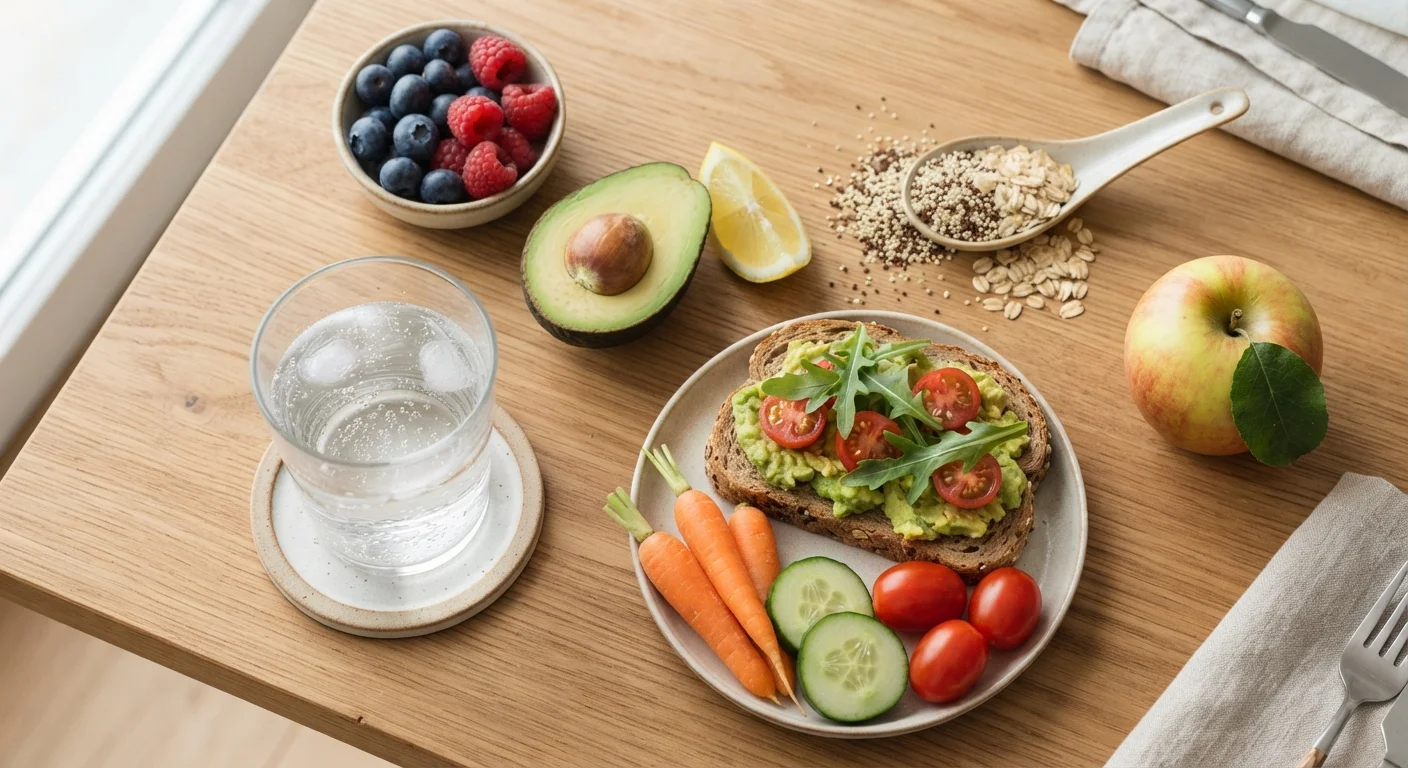
A useful reminder: what you eat and drink also shapes skin hydration from the inside. How hydration and nutrition are connected is worth understanding alongside your topical routine.
Moisture: Sealing the Barrier Shut
Moisture, in skincare terms, is about preventing water loss rather than adding water. The skin's outer barrier - made up of cells and a matrix of lipids including ceramides, cholesterol, and fatty acids - acts like a brick-and-mortar wall. When that wall is intact, water stays in. When it's compromised, water escapes continuously, leaving skin feeling rough, tight, and eventually flaky.
The ingredients that restore moisture fall into two categories. Emollients (like squalane, shea butter, and fatty acids) fill the gaps in the barrier and soften skin texture. Occlusives (like petrolatum, dimethicone, and waxes) sit on top of the skin and create a physical seal that dramatically slows water evaporation - a process called transepidermal water loss, or TEWL.
Environmental variables amplify barrier damage significantly. Cold air, indoor heating, low humidity, and even hard tap water can all disrupt the barrier over time. Lifestyle and environmental factors that affect skin health explores many of these in depth.
Ceramides and the Barrier Repair Conversation
Ceramides are lipids naturally found in the skin barrier and are frequently highlighted in moisturizer formulations aimed at barrier repair. While research supports ceramide-containing products as beneficial for barrier function, the science distinguishes between supplementing existing ceramides and fully restoring a damaged barrier. Results vary based on formulation, concentration, and individual skin. Anyone dealing with chronic dryness, eczema, or persistent barrier disruption should seek guidance from a dermatologist rather than relying solely on over-the-counter products.
How to Layer Both in One Routine
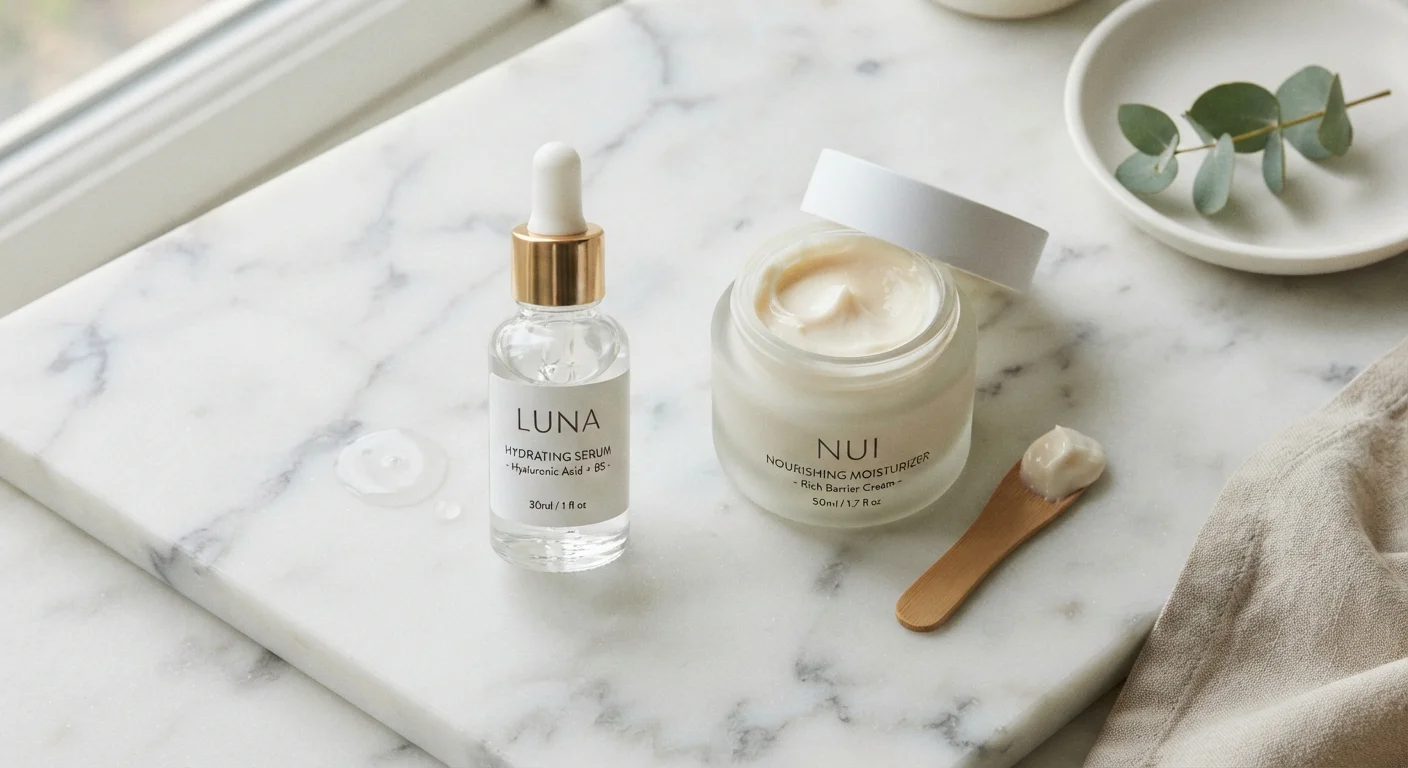
Here's the practical upshot: most people benefit from addressing both. The generally recommended sequence is to apply humectants first - on slightly damp skin if possible, so the humectant has ambient moisture to draw from - then follow with a moisturizer to seal everything in.
If your skin skews oily or acne-prone, a lightweight gel moisturizer with ceramides typically provides barrier support without a heavy feel. If your skin is genuinely dry, a richer cream with occlusive ingredients will do more work. And if you're unsure where you fall, it's worth experimenting one variable at a time rather than overhauling your entire routine at once.
The same concept of matching a product's function to a specific hair need applies in hair care too - understanding hair porosity illustrates how water absorption works similarly at the strand level.
This article is for general informational and educational purposes only and is not a substitute for professional dermatological advice. If you have persistent skin concerns, consult a qualified dermatologist or healthcare provider.