What Hair Porosity Actually Means
Think of each hair strand as a roof made of overlapping shingles - those are your cuticle cells. When the shingles lie smooth and flat, water and products have a harder time getting in (or getting out). When the shingles are lifted or damaged, moisture flows in and out freely - sometimes too freely.
This simple structural difference explains why two people can use the same conditioner and get completely different results. Understanding porosity is one of the most practical things you can do for your hair routine, because it shifts the question from "why isn't this working?" to "what does my hair actually need?"
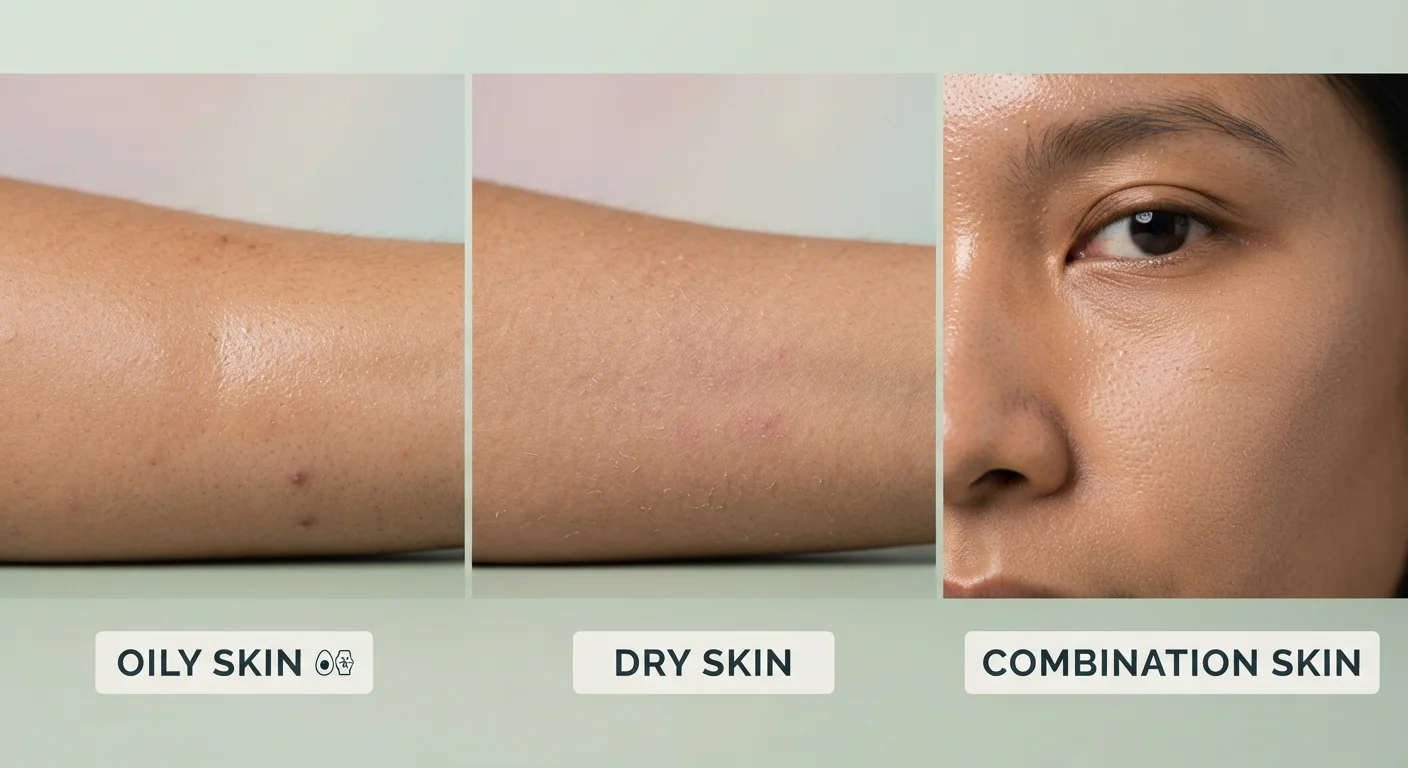
Porosity is shaped by genetics first - some people are born with naturally compact cuticles. But it can shift significantly with repeated heat styling, bleaching, coloring, or chemical relaxing. If you want to dig deeper into how a similar concept applies to skin, what your skin type actually means follows a parallel logic about your body's built-in characteristics.
The Three Porosity Levels Explained
Low Porosity
Low-porosity hair has tightly packed cuticle scales that resist moisture entry. Products tend to sit on the surface rather than penetrate the strand, leading to buildup. The good news: once moisture is inside the shaft, it stays there well. Lightweight, water-based products and gentle heat (like a warm steam treatment or a hooded dryer) help products absorb more effectively.
Medium (Normal) Porosity
Medium porosity is often described as the sweet spot. The cuticle allows moisture in at a reasonable rate and holds it well. Hair tends to be easier to style, color, and manage. Maintenance is simpler, though this level can shift toward high porosity with repeated chemical or heat exposure.
High Porosity
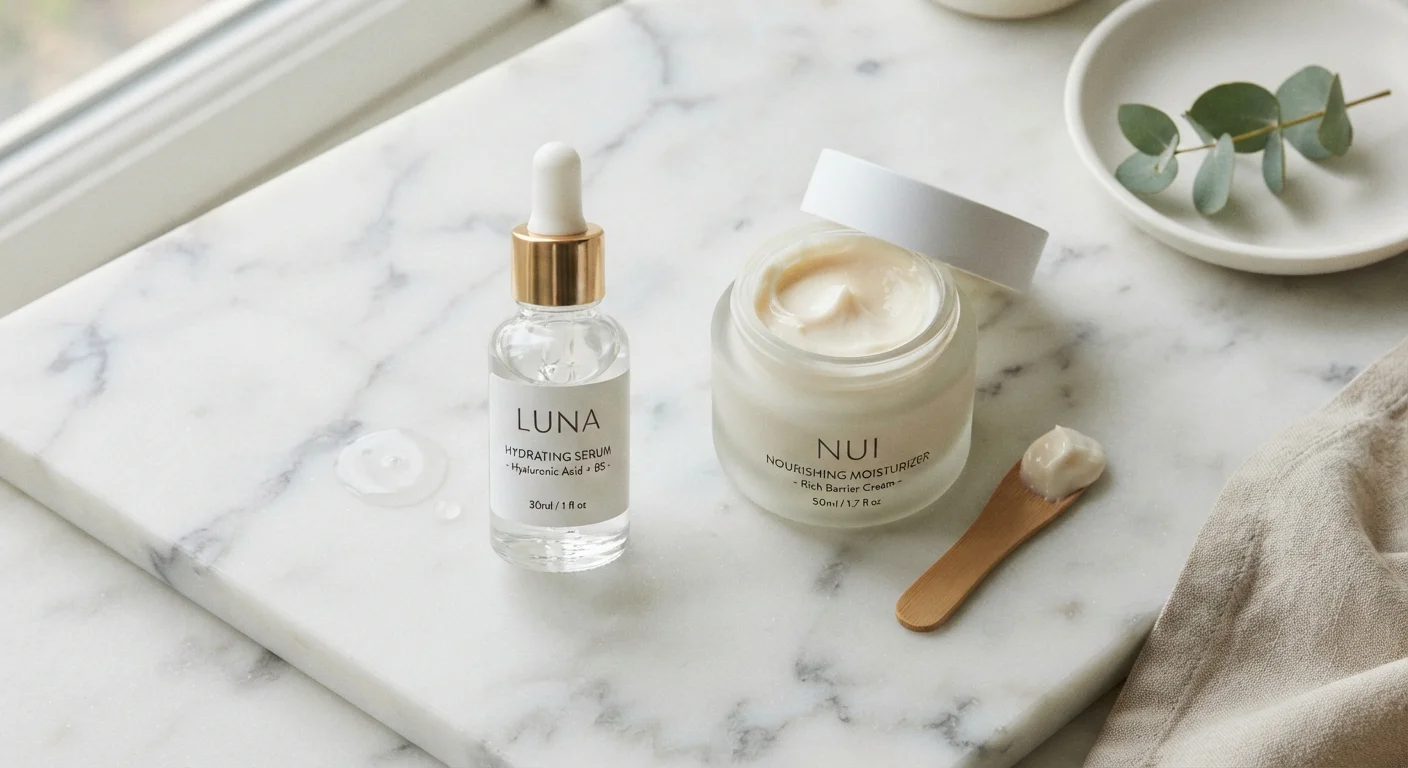
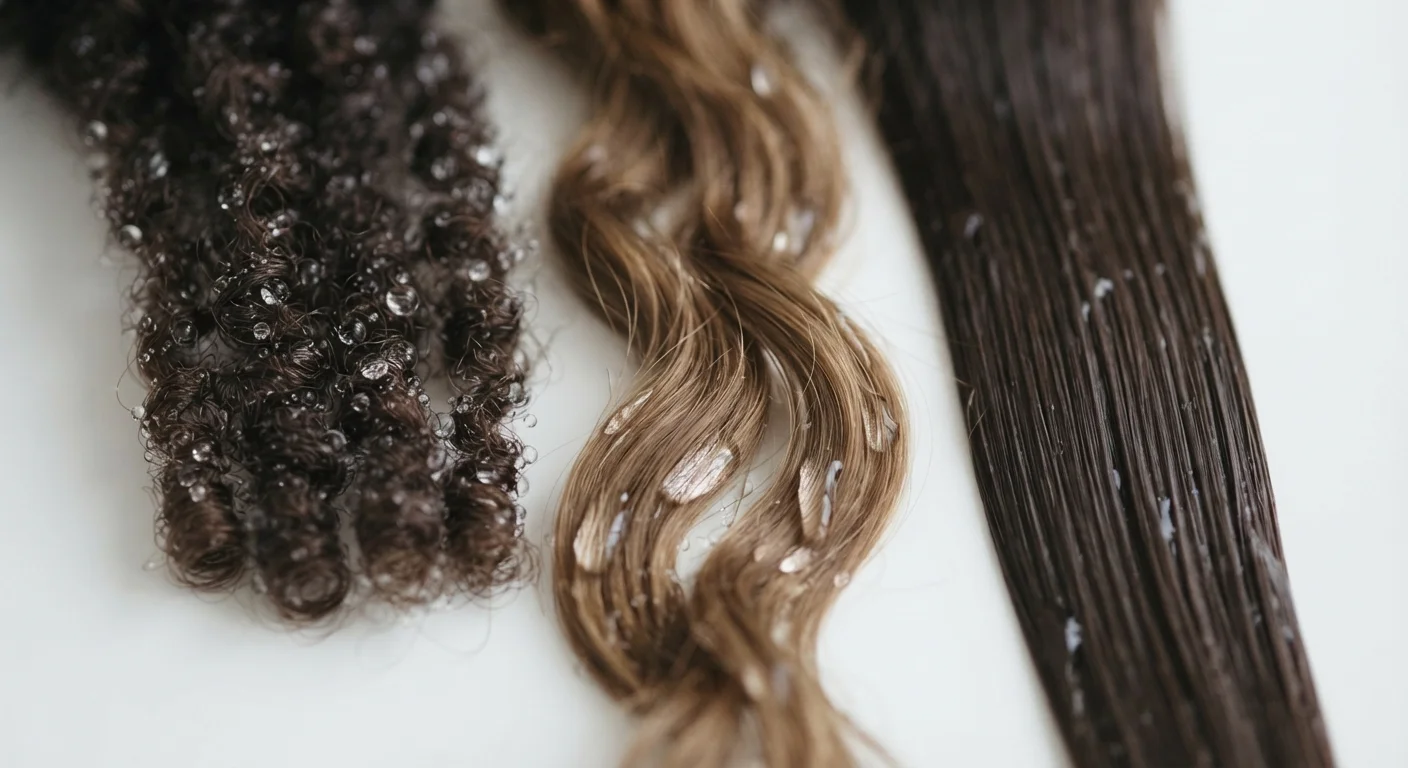
High-porosity hair - whether from genetics or damage - has cuticle gaps that welcome moisture quickly but can't hold onto it. Hair may feel dry soon after washing, frizz easily in humidity, and tangle more readily. Heavier products like butters, oils, and protein treatments help fill those gaps and seal the cuticle. Finishing a wash with cool water is a simple technique that encourages cuticle closure. For more on how moisture works at a product level, see hydration vs. moisture.
3 Types
Recognized hair porosity levels
Hair care professionals and trichologists broadly categorize porosity as low, medium, or high based on cuticle behavior.
~50%
Of hair's weight that can be water
Hair fiber can absorb a significant amount of water relative to its dry weight, with the amount varying by porosity and hair condition.
Up to 30%
Increase in porosity after bleaching
Research on hair fiber damage shows that chemical lightening can measurably raise the porosity of the hair shaft by disrupting cuticle integrity.
How Porosity Shapes Your Entire Hair Routine
Porosity touches nearly every step of hair care - from how you wash, to what treatments you use, to how heat behaves on your strands.
- Washing: Low-porosity hair benefits from clarifying shampoos to remove buildup. High-porosity hair does better with moisturizing, sulfate-free formulas that don't strip further.
- Conditioning: Low porosity needs lightweight, liquid-rich conditioners applied with warmth. High porosity thrives with rich, creamy, or protein-infused conditioners.
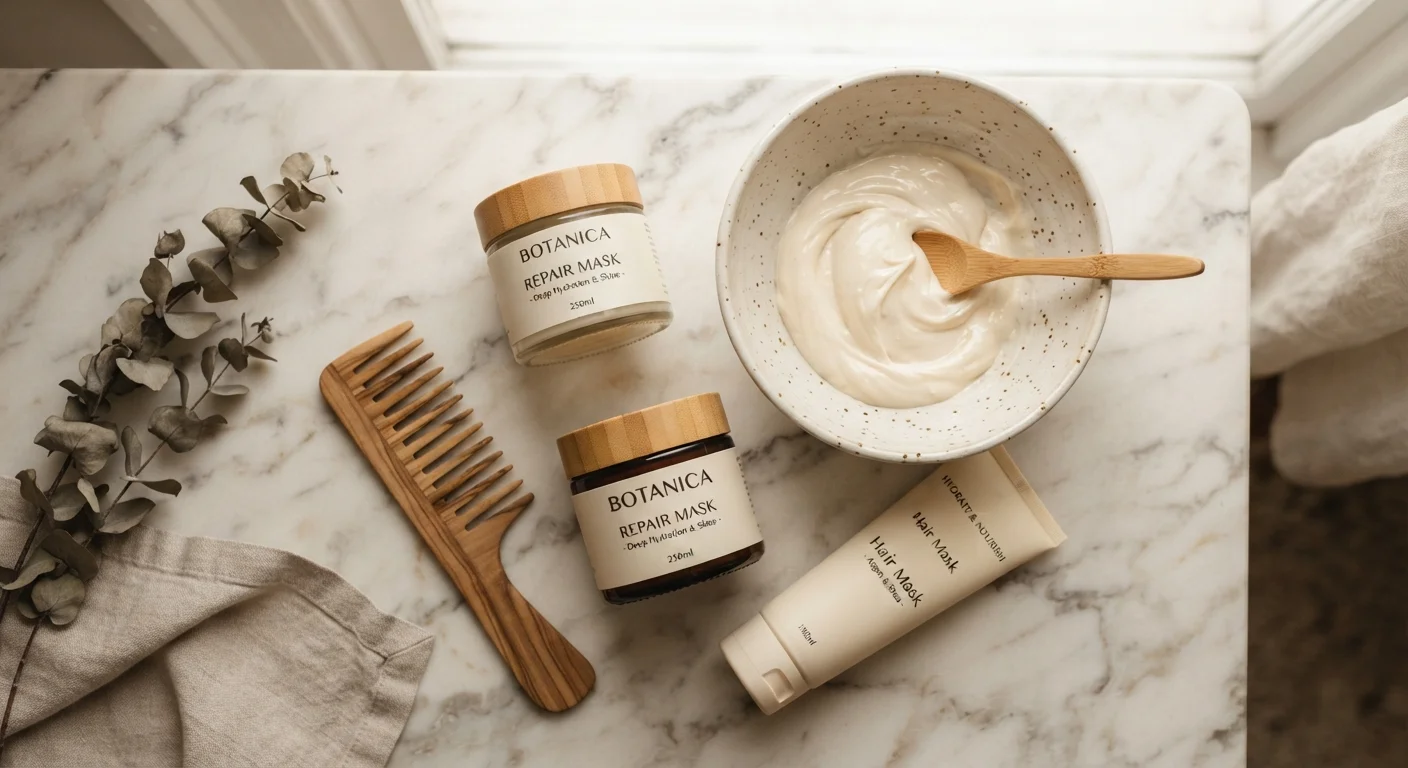
- Treatments: Knowing your porosity helps you choose the right hair mask. At-home hair masking is most effective when matched to porosity - protein masks suit high-porosity hair, while moisture masks work broadly across types.
- Heat styling: High-porosity hair is more vulnerable to additional heat damage. Heat styling and hair health explores exactly why heat affects the cuticle structure in ways that matter long-term.
Seal in Moisture After Every Wash
For high-porosity hair especially, finishing your rinse with cool or cold water encourages the cuticle to close, helping seal in the conditioner you just applied. It takes only a few seconds and can make a noticeable difference in how long your hair stays hydrated.
Porosity also intersects with curl pattern. Curly vs. straight hair routines outlines how curl type and porosity together shape what hydration approaches work best for each hair type.
Testing Your Hair Porosity at Home
There are two accessible methods for getting a rough read on your porosity:
- The Float Test: Take a clean, shed strand of hair and place it in a glass of room-temperature water. Watch it for 2-4 minutes. Hair that sinks quickly suggests high porosity; hair that floats near the top suggests low porosity; hair that slowly sinks to the middle suggests medium porosity. This is a general indicator, not a lab result.
- The Slip-and-Slide Test: Run your fingers from the tip toward the root along a single strand. If it feels bumpy or rough, cuticles may be raised (higher porosity). If it feels smooth with slight resistance, cuticles are likely flat (lower porosity).
Neither test is perfectly precise, but combining both gives you a reasonable starting point. How your hair behaves day-to-day - how long it takes to dry, whether products absorb or bead up, how quickly it frizzes - is often the most reliable ongoing data you have.
This article is for general informational and educational purposes only. For personalized hair or scalp concerns, consult a licensed cosmetologist or dermatologist.