Why Low-Impact Doesn't Mean Low Results
The word "low-impact" is often misread as "easy" or "not worth the effort." In practice, it simply means your exercise keeps at least one foot on the ground - or eliminates the repeated landing forces that characterize running or jumping. That distinction matters enormously for joints, tendons, and anyone returning to exercise after time off or managing a chronic condition.
What low-impact training preserves in joint stress, it more than compensates for in accessibility and sustainability. Research consistently shows that the most effective exercise is the kind a person will actually continue doing. For millions of Americans, high-impact workouts create enough discomfort or injury risk to become a barrier rather than a solution. Low-impact options remove that barrier without sacrificing meaningful fitness outcomes.
If you're returning to exercise after a long break, or you're simply looking for an approach that fits into a busy, real-world schedule, the options below represent some of the most evidence-supported, accessible movement choices available. See how each one builds fitness over time - and what makes it worth your effort.
Start Where You Are, Not Where You Think You Should Be
A common mistake when beginning any exercise program is choosing an intensity or duration that feels appropriately challenging on day one - then struggling to maintain it. With low-impact exercise, the goal is sustainable repetition, not impressive single sessions. Begin at a comfortable level and increase duration or resistance gradually, typically no more than 10% per week, to allow your body to adapt without overloading it.
Six Low-Impact Exercises Worth Building Into Your Routine
Swimming and water-based exercise
Water provides natural resistance in all directions while buoyancy offloads the majority of body weight - typically around 90% when submerged to the neck. This combination makes swimming and water aerobics among the most joint-friendly vigorous workouts available. Both cardiovascular endurance and muscular strength improve with regular aquatic exercise.
Swimming engages nearly every major muscle group simultaneously, making it particularly time-efficient. Lap swimming, water walking, and aqua aerobics classes all count, so entry points exist regardless of swimming ability. People managing arthritis, back pain, or lower-body injuries often find water-based exercise one of the few options they can perform without pain.
Buoyancy removes most body weight, making swimming accessible even for people with significant joint pain.
Cycling - stationary or outdoor
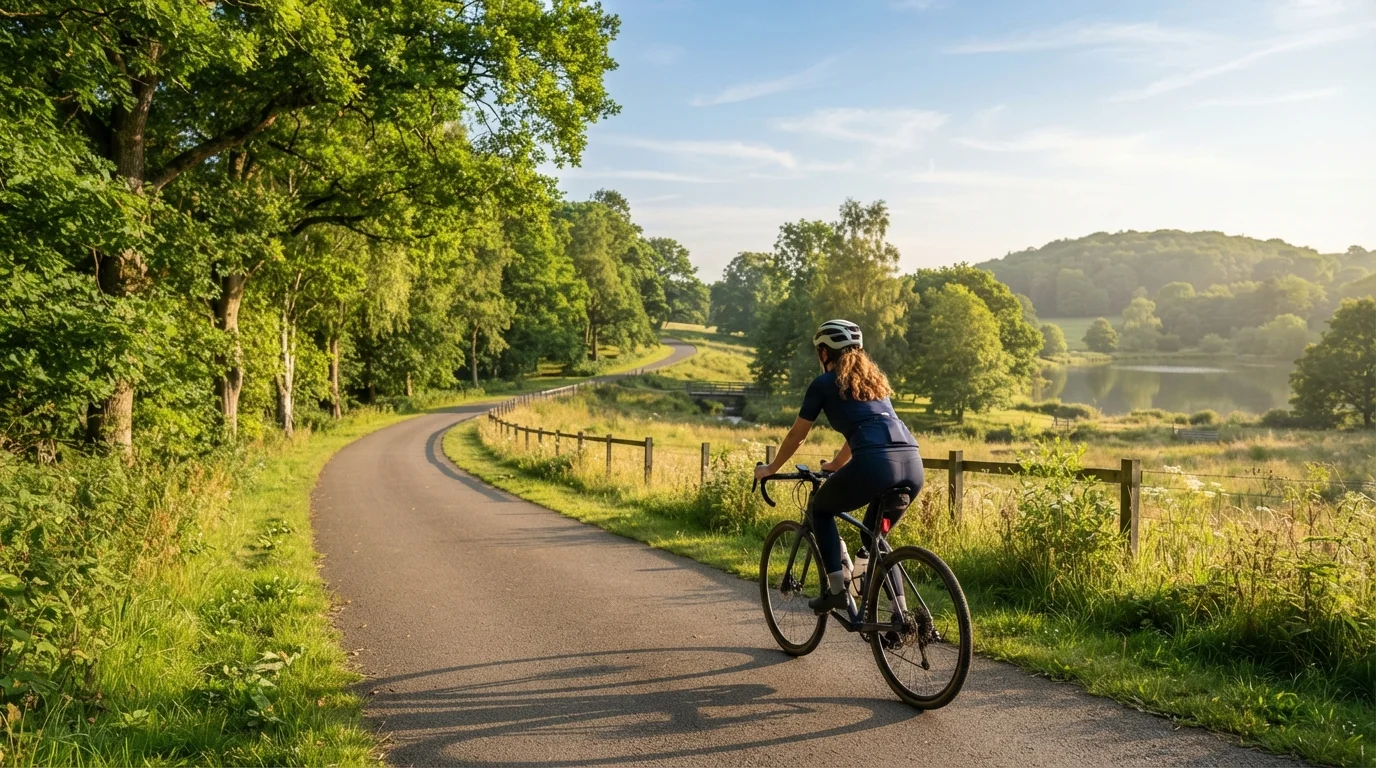
Cycling produces minimal impact on knees, hips, and ankles compared to running, while still delivering substantial cardiovascular and muscular training stimulus. Both stationary bikes and road or trail cycling build leg strength, improve aerobic capacity, and - at sustained moderate intensities - support the kind of steady-state effort associated with Zone 2 cardio training.
A stationary bike offers the additional benefit of weather independence and easier intensity control, which is useful for those managing specific conditions. Proper seat height matters: a saddle set too low increases knee stress, so a few minutes of bike fitting before you ride consistently is worthwhile.
Cycling builds cardiovascular fitness and leg strength without the repetitive joint impact of running.
Walking with intention
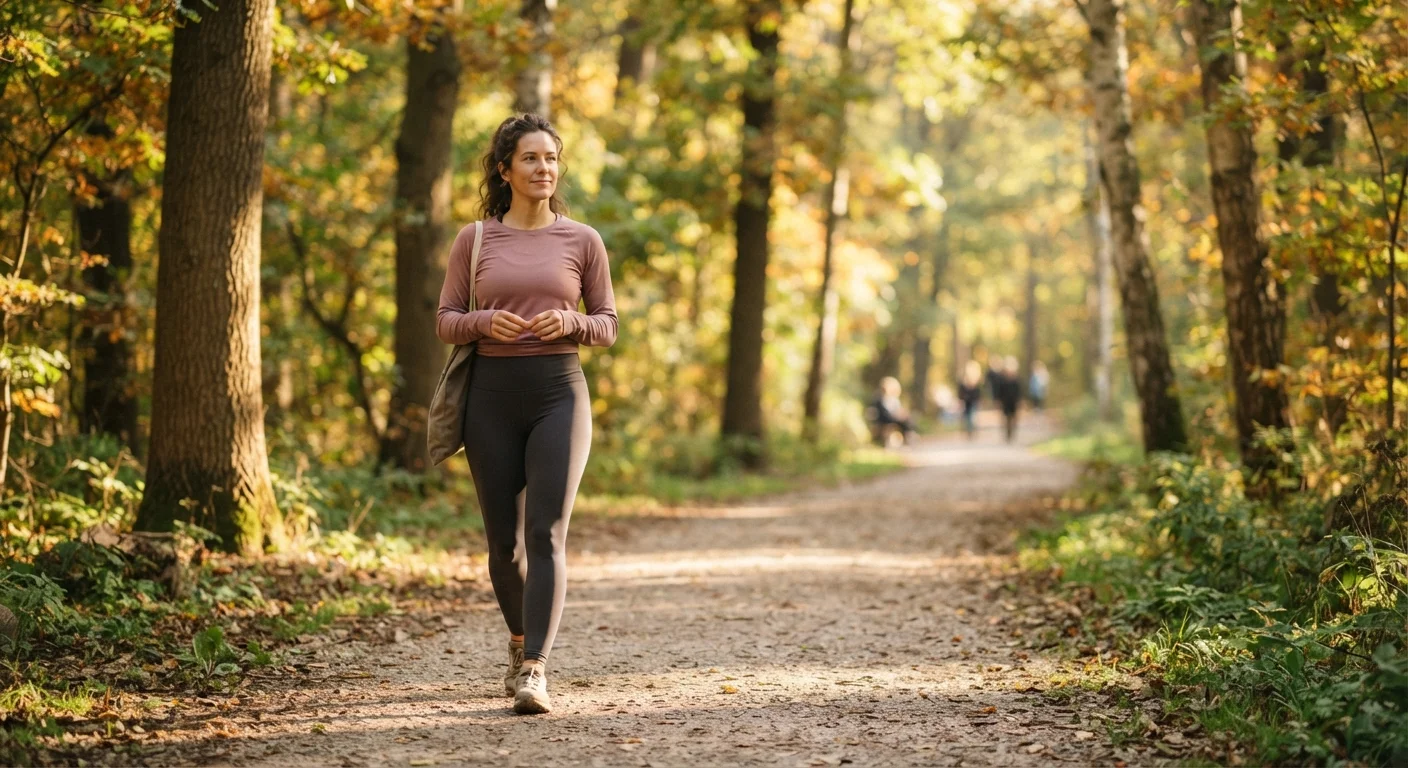
Walking is underestimated precisely because it feels ordinary. Yet a growing body of evidence supports brisk walking as an effective way to improve cardiovascular health, manage weight, support bone density, and reduce all-cause mortality risk. The key word is brisk - a pace that elevates your heart rate and breathing noticeably above resting levels.
For desk-bound workers especially, intentional walking throughout the day addresses the health risks of prolonged sitting that even structured exercise can't fully offset. Our guide to movement strategies for desk workers covers practical ways to integrate walking into an office-bound schedule. Terrain variation - inclines, stairs, or trails - adds challenge without adding impact.
Brisk walking, done consistently, delivers meaningful cardiovascular and metabolic benefits for most people.
Yoga and Pilates
Yoga and Pilates both develop strength, flexibility, and body awareness with zero impact and minimal equipment. Yoga encompasses a wide spectrum - from restorative and yin practices that emphasize deep stretching and breathwork, to more physically demanding styles like vinyasa or power yoga that build functional strength.
Pilates focuses primarily on core stability and controlled movement through a full range of motion, which makes it especially valuable for improving posture and reducing lower-back discomfort. Both practices also complement work on flexibility and mobility, and both have documented effects on stress reduction - bridging physical and mental health goals simultaneously.
Yoga and Pilates build functional strength and core stability while simultaneously supporting stress management.
Elliptical training
The elliptical machine replicates the motion pattern of running - and the cardiovascular demands - while eliminating the ground-strike force that makes running hard on joints. For people who want a running-like workout intensity without the impact, the elliptical is one of the most practical gym-based alternatives.
Resistance and incline settings allow for significant progression over time, so the elliptical doesn't plateau quickly. Using the moving handlebars also engages the upper body, increasing overall caloric expenditure and making the workout more balanced. Because it closely mirrors running mechanics, it's also commonly used as a recovery-day option between higher-intensity training sessions.
The elliptical delivers near-running cardiovascular intensity while virtually eliminating joint impact forces.
Tai chi and low-impact dance
Tai chi is a slow, deliberate movement practice rooted in Chinese martial arts tradition. Its controlled, flowing sequences build balance, coordination, and leg strength - qualities that matter greatly as people age. Studies in older adults have associated regular tai chi practice with meaningful reductions in fall risk, making it notable beyond simple fitness metrics.
Low-impact dance styles - including ballroom, line dancing, and gentle aerobic dance - offer similar benefits with the added dimension of social engagement and enjoyment, two factors that strongly predict whether exercise habits stick. Both tai chi and dance can be adapted across a wide age and ability range, and both support the kind of exercise continuity discussed in our guide to fitness across every decade.
Tai chi and dance build balance and coordination while adding a social dimension that supports long-term adherence.
Intensity Still Matters in Low-Impact Training
"Low-impact" describes force on the body - not effort level. Many low-impact workouts can and should be performed at moderate to vigorous intensities to generate meaningful fitness adaptations. Swimming hard laps, cycling uphill, or performing a challenging yoga flow all qualify as low-impact but can still elevate your heart rate substantially. Tracking perceived effort or using a heart rate guide can help ensure your sessions are productive, not just comfortable.
Building a Routine That Lasts
The value of low-impact exercise compounds over time. Unlike high-intensity approaches that often push people to burnout or injury, these modalities are designed to be repeated consistently - week after week, month after month. That regularity is where real fitness adaptations happen: improved cardiovascular efficiency, stronger muscles, better balance, and enhanced mood.
Consider pairing two or three of these options across your week rather than committing to just one. Cross-training with different low-impact activities reduces repetitive strain and keeps motivation higher. You might also explore how cardio and strength training serve different purposes so you can fill in gaps strategically.
Recovery also plays a central role. Rest days are not optional - even with low-impact work, your body needs time to adapt and repair between sessions. And because exercise has well-documented benefits for stress and emotional health, connecting your physical routine with broader mental wellbeing strategies can reinforce both.
This article is for general informational and educational purposes only and is not a substitute for professional medical advice. Speak with a qualified healthcare provider before beginning any new exercise program, particularly if you have existing health conditions, injuries, or concerns.