
The Fiber Gap: What the Numbers Tell Us
Dietary guidelines consistently set the recommended daily fiber intake between 25 and 38 grams for most adults, depending on age and sex. Yet national nutrition surveys show the average American consumes closer to 15 grams per day - roughly half the target. This isn't a minor shortfall. It represents a persistent, population-wide gap that has real consequences for digestive health, metabolic function, and chronic disease risk.
~15g
Average daily fiber intake among U.S. adults
According to data from national dietary surveys, most American adults consume roughly 15 grams of fiber per day - well below the recommended 25-38 grams.
95%
Americans not meeting fiber recommendations
Research published in nutrition epidemiology literature estimates that approximately 95% of the U.S. population falls short of recommended daily fiber intake.
25-38g
Recommended daily fiber intake for adults
The Dietary Guidelines for Americans recommend 25 grams per day for women and 38 grams per day for men, with slightly lower targets after age 50.
The gap is largely explained by the structure of the modern American diet, which skews heavily toward refined grains, processed snacks, and animal products - all of which contain little to no fiber. When white bread replaces whole wheat, or potato chips replace an apple, fiber is among the first casualties.
What Fiber Actually Does in Your Body
Fiber's reputation for supporting digestion is well deserved, but that's only the beginning of what it does. Understanding its full range of roles makes it easier to appreciate why closing the gap matters.
Gut Health and the Microbiome
Soluble fiber - found in foods like oats, beans, and apples - is fermented by beneficial bacteria in the large intestine. This fermentation process produces short-chain fatty acids, compounds that nourish the gut lining, support immune function, and help regulate inflammation. A diet consistently low in fiber effectively starves these bacteria, reducing microbial diversity over time.
Blood Sugar Regulation
Soluble fiber slows the absorption of glucose into the bloodstream, which helps prevent sharp blood sugar spikes after meals. This is particularly meaningful for people managing prediabetes or type 2 diabetes, though the benefit applies broadly. Steadier blood sugar also tends to mean more stable energy levels throughout the day.
Satiety and Appetite
High-fiber foods take longer to chew and digest, and they expand in the stomach, prolonging the feeling of fullness. This natural appetite-regulating effect can reduce the likelihood of overeating without requiring deliberate calorie tracking.
Start With One Fiber Swap Per Meal
Rather than tracking grams obsessively, try replacing one low-fiber item at each meal with a higher-fiber alternative - white rice to brown rice, a refined snack to a piece of fruit, or a regular wrap to a whole grain version. These individual swaps accumulate meaningfully across a day and are far easier to sustain than a full dietary overhaul.
Cholesterol and Heart Health
Soluble fiber binds to bile acids in the digestive tract, which prompts the liver to pull cholesterol from the bloodstream to produce more bile. Over time, this mechanism is associated with modest reductions in LDL (low-density lipoprotein) cholesterol levels, according to established nutritional research.
Where to Find Fiber in Everyday Foods
Fiber is not scarce - it's present in a wide range of affordable, accessible foods. The challenge for most people is consistency rather than availability.
- Legumes: Lentils, black beans, chickpeas, and kidney beans are among the most fiber-dense foods per serving, typically providing 12-15 grams per cooked cup.
- Whole grains: Oats, barley, quinoa, brown rice, and whole wheat products contribute meaningful fiber, especially when they replace refined grain equivalents.
- Vegetables: Broccoli, Brussels sprouts, carrots, artichokes, and peas are strong vegetable sources. Cooking does not significantly reduce fiber content.
- Fruits: Pears, apples (with skin), raspberries, and blackberries deliver both soluble and insoluble fiber. Whole fruit is preferable to juice, which loses most of its fiber during processing.
- Nuts and seeds: Chia seeds, flaxseeds, and almonds contribute fiber alongside healthy fats, making them useful additions to meals or snacks.
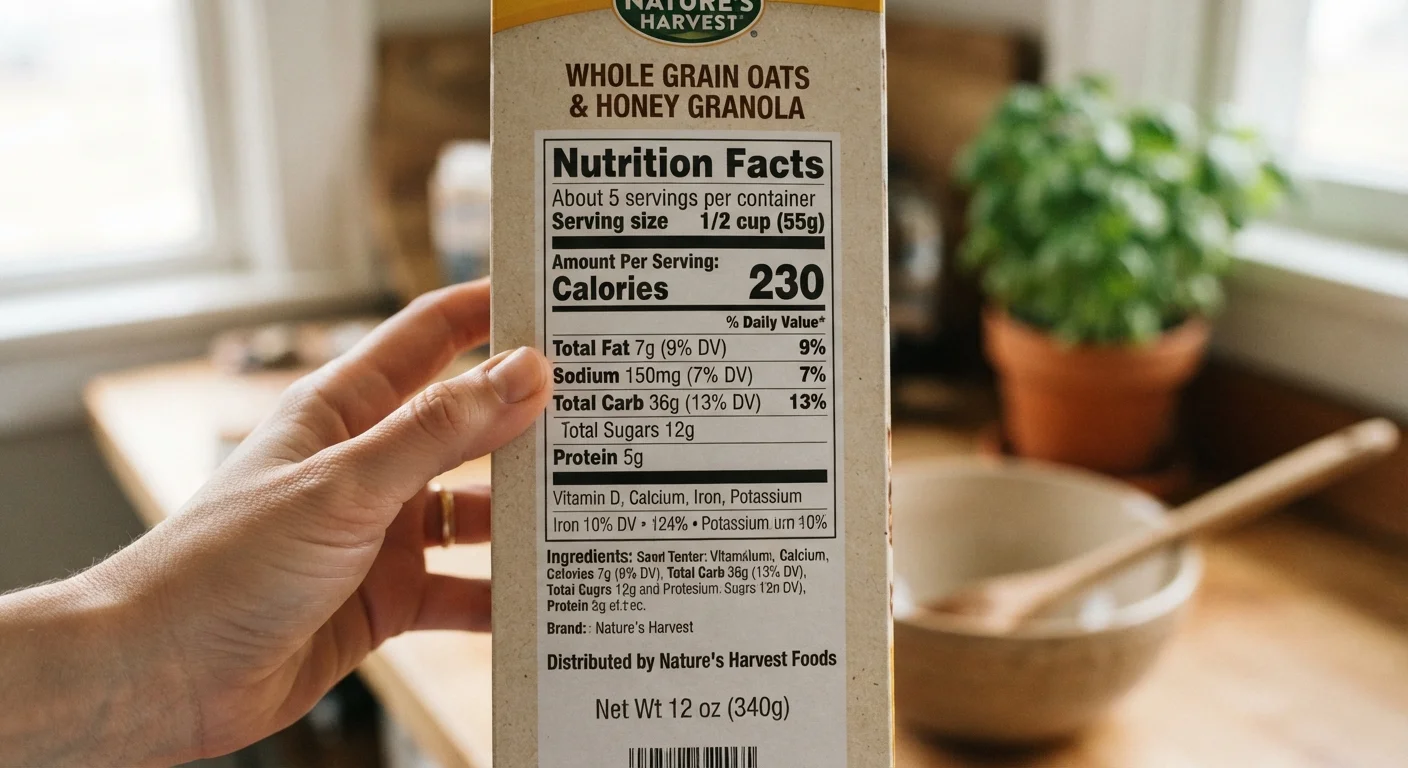
To get a clearer picture of how fiber content appears on packaged foods, the Nutrition Facts label guide walks through exactly what to look for on the panel. And if you're auditing your overall eating patterns for nutritional gaps, the weekly eating habits audit offers a practical starting framework.
Building Fiber Intake Without Disrupting Your Digestive System
One of the most common reasons people abandon high-fiber eating is digestive discomfort - bloating, gas, and cramping that arrive when fiber intake increases too quickly. The gut's microbial population needs time to adapt, and insoluble fiber adds bulk that the bowel must process.
The practical approach is gradual escalation: add one high-fiber food at a time over the course of several weeks rather than overhauling your diet at once. Equally important is hydration - insoluble fiber absorbs water, and without sufficient fluid intake, it can contribute to constipation rather than relieving it. The connection between hydration and nutrition is worth understanding, particularly when increasing plant foods significantly.
Special Populations: Check With a Provider
People with irritable bowel syndrome (IBS), Crohn's disease, diverticulitis, or other gastrointestinal conditions may need to approach fiber intake differently, as certain fiber types can aggravate symptoms. If you have a diagnosed digestive condition, consult a registered dietitian or gastroenterologist before significantly increasing fiber in your diet.
If high-fiber eating is part of a broader effort to improve your diet, understanding why nutrition changes stall can help you build habits that last past the first week.
This article is for general informational and educational purposes only and is not a substitute for professional medical or dietary advice. Consult a qualified healthcare provider for guidance specific to your health situation.