
What Cardio Actually Does Inside Your Body
Cardiovascular exercise - any sustained activity that elevates your heart rate for an extended period - triggers a cascade of adaptations in your heart, lungs, and blood vessels. Over weeks and months of regular aerobic effort, your heart becomes more efficient at pumping blood, your capillary networks expand, and your muscles get better at extracting and using oxygen.
The result is a lower resting heart rate, improved blood pressure, and greater endurance capacity. These adaptations also reduce the risk of cardiovascular disease, type 2 diabetes, and metabolic syndrome - which is why major health organizations consistently include aerobic activity in their physical activity recommendations.
Cardio also has well-documented effects on mental health. Sustained aerobic movement influences neurotransmitters like serotonin and dopamine, and supports the release of endorphins. Research consistently shows that regular aerobic exercise is associated with reduced symptoms of anxiety and depression, though it is not a replacement for professional mental health care.
For a closer look at how intensity levels within cardio work, see our guide on Zone 2 cardio and heart rate zones.
| Criterion | Cardiovascular Training | Strength Training |
|---|---|---|
| Primary system targeted | Heart, lungs, circulatory system | Muscles, bones, connective tissue |
| Key long-term adaptation | Improved aerobic efficiency | Increased muscle mass and strength |
| Bone density benefit | Moderate (weight-bearing types only) | Strong and well-documented |
| Metabolic impact | Burns energy during activity | Raises resting metabolic rate over time |
| Mood and mental health support | Strong evidence for aerobic exercise | Growing evidence, especially for depression |
| Recommended weekly minimum | 150 min moderate or 75 min vigorous | 2 or more sessions per week |
| Equipment needed | Minimal (walking, running, cycling) | Bodyweight to free weights or machines |
What Strength Training Actually Does Inside Your Body
Resistance training - using bodyweight, free weights, machines, or resistance bands - creates mechanical stress on muscle fibers. That stress triggers a repair and growth process called muscle protein synthesis, which gradually increases both the size and functional capacity of your muscles.
Beyond visible muscle, strength training applies load to bones, which stimulates bone-forming cells and helps maintain or improve bone mineral density. This matters especially as we age: adults begin losing muscle mass (a process called sarcopenia) and bone density in their 30s, and strength training is one of the most effective tools for slowing that decline.
Strength training also influences metabolism. Because muscle tissue is metabolically active, building and maintaining more of it can modestly increase the number of calories your body uses at rest. It also improves insulin sensitivity, which supports healthy blood sugar regulation.
~1-2%
Annual muscle mass lost after age 30 without resistance training
Research published in journals of gerontology and sports medicine consistently estimates age-related muscle loss begins in the 30s and accelerates without intervention.
150 min
Weekly moderate aerobic activity recommended for adults
This target comes from the U.S. Department of Health and Human Services' Physical Activity Guidelines for Americans.
2x/week
Minimum strength training sessions recommended for adults
The same federal guidelines call for muscle-strengthening activities on at least two days per week for comprehensive health benefits.
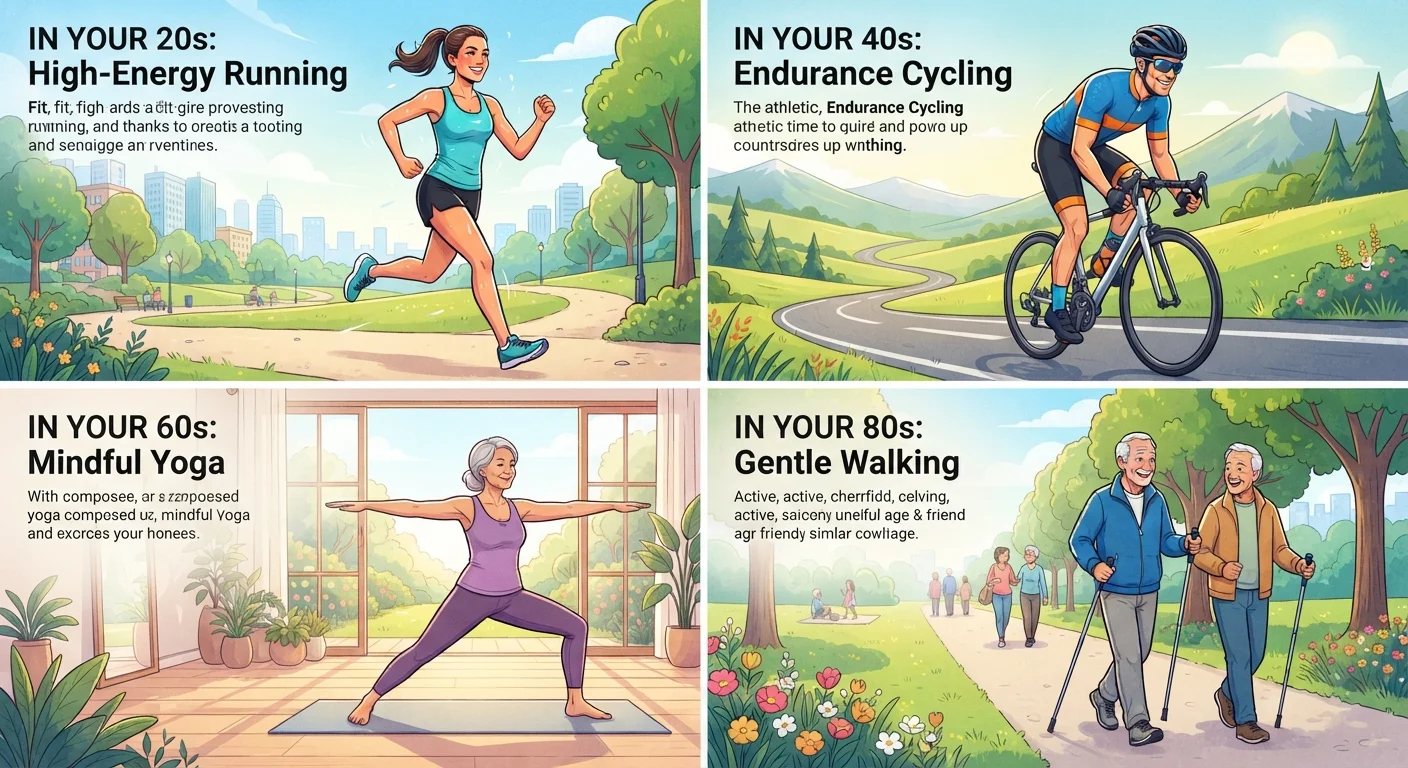
How your strength training needs evolve over the decades is worth understanding - our article on how exercise needs shift as you age breaks this down clearly.
Head-to-Head: Key Differences and Overlaps
The honest answer is that cardio and strength training are not rivals - they address overlapping but distinct aspects of health. Understanding where they diverge helps you make smarter decisions about how to allocate your time.
One of the most persistent myths is that cardio is the only way to manage body weight, or that strength training is only for people who want to look muscular. Neither is accurate. Our article on common fitness myths addresses this and other misconceptions head-on.
Both forms of exercise reduce inflammation, improve sleep quality, and support cognitive function. The difference lies in the primary systems each targets and the adaptations each drives over time.
You Don't Have to Choose One or the Other
Framing cardio and strength training as an either/or decision is one of the most common barriers to building a sustainable routine. Most fitness professionals and health guidelines recommend a blend of both throughout the week. Even modest amounts of each - two strength sessions plus three moderate cardio efforts - can produce meaningful health improvements over time. Start where you are and build gradually.
If high-impact movement isn't feasible for you right now, it's worth knowing that low-impact exercise options can deliver genuine fitness benefits through both aerobic and strength-focused formats.
How to Combine Both in a Realistic Weekly Routine
The U.S. Department of Health and Human Services' Physical Activity Guidelines recommend that adults get at least 150 minutes of moderate-intensity aerobic activity per week, plus muscle-strengthening activities on two or more days. This isn't a rigid prescription - it's a general framework that can be adapted to almost any schedule or fitness level.
In practice, this might look like three 30-minute walks or bike rides paired with two full-body strength sessions per week. It doesn't require a gym membership or expensive equipment to achieve meaningful results from either modality.
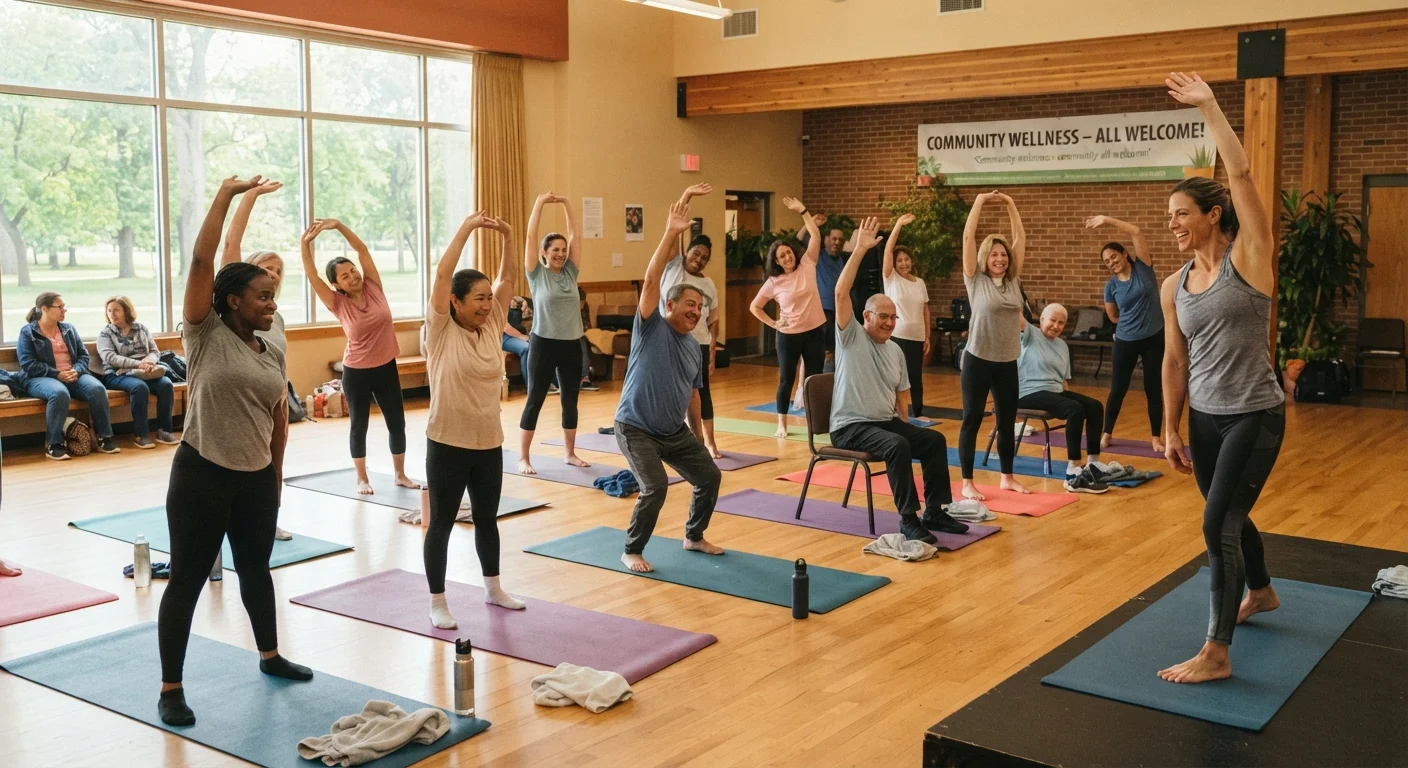
If you're deciding how to structure your sessions - solo or with others - our comparison of group fitness classes vs. solo training can help you find the approach that actually sticks long term. And for guidance on how nutrition supports both types of training, see our overview of macronutrients and what they do.
This article is for general informational purposes only and is not a substitute for personalized medical or fitness advice. Consult a qualified healthcare provider or certified fitness professional before beginning a new exercise program, especially if you have a chronic condition, injury, or health concern.