
Why Macronutrients Matter
Nutrition conversations are often dominated by what to cut out - carbs, fat, sugar. But understanding what each macronutrient actually does in your body shifts that conversation in a more useful direction. Rather than viewing food groups as threats, you start to see them as tools. Each macronutrient has a job, and your body runs best when all three show up consistently.
This is general health information, not medical advice. If you have specific dietary needs or a health condition, a registered dietitian or physician is your best resource for personalized guidance.
Macros vs. Calories: What's the Difference?
Calories are a measure of total energy, while macronutrients describe where that energy comes from. Two meals can have identical calorie counts but very different macronutrient compositions - and very different effects on hunger, blood sugar, and nutrient intake. Tracking only calories without considering macronutrient quality can give an incomplete picture of dietary health.
Carbohydrates: Your Body's Preferred Fuel
Carbohydrates are broken down into glucose, which your cells - particularly your brain and muscles - use as their primary energy source. During digestion, starches and sugars convert to glucose that enters the bloodstream; fiber, a type of carbohydrate, resists digestion and feeds beneficial gut bacteria instead.
Not all carbohydrates behave the same way. Refined carbohydrates (white bread, sugary drinks, many packaged snacks) digest rapidly, causing quick rises in blood sugar. Complex carbohydrates (whole grains, legumes, vegetables) digest more slowly, providing steadier energy and more fiber. Choosing minimally processed carbohydrate sources most of the time is one of the more consistently supported principles in nutrition research.
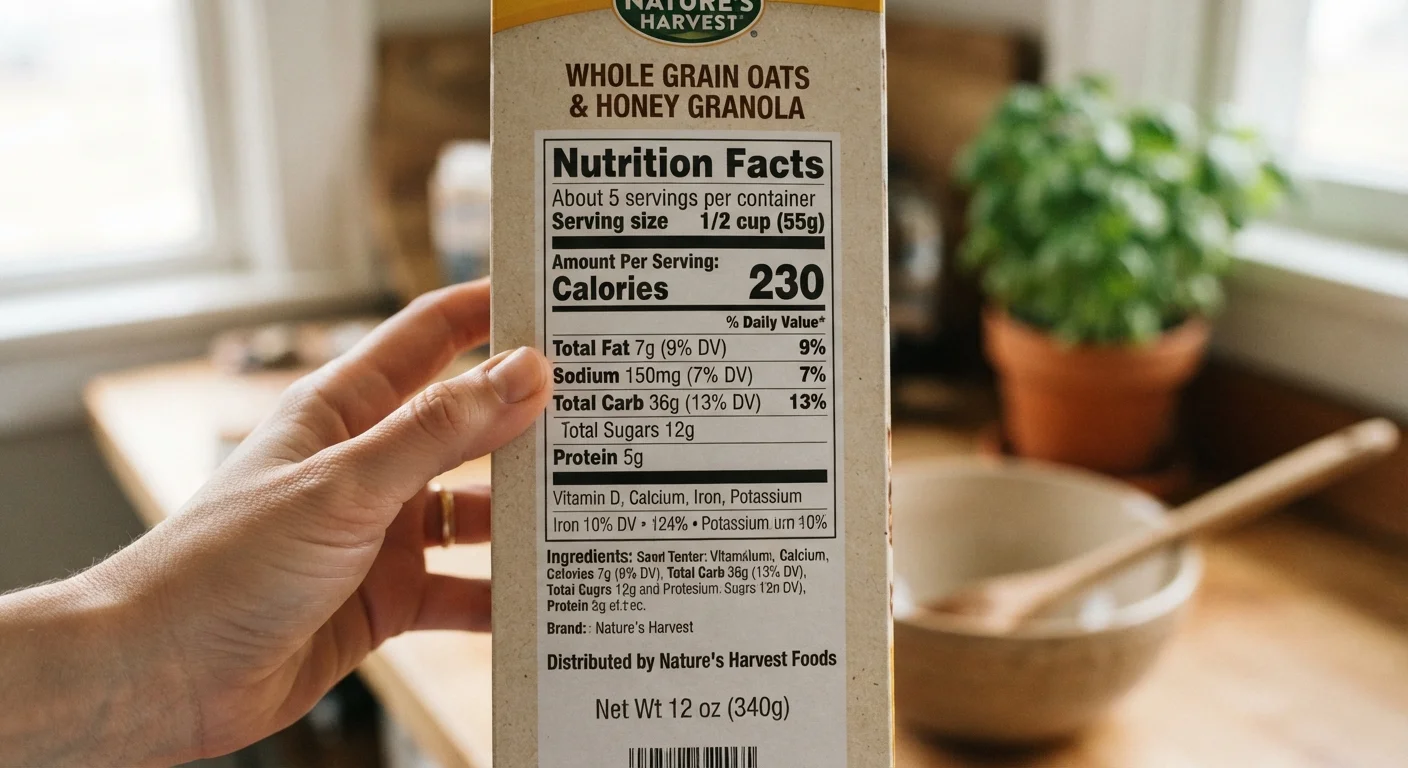
When you read a nutrition label, you'll see total carbohydrates broken down into fiber, total sugars, and added sugars - each telling a different part of the story.
Protein: Building, Repairing, and Regulating
Protein is made up of amino acids - the structural units your body uses to build and repair virtually every tissue: muscle, skin, hair, enzymes, hormones, and immune cells. Of the 20 amino acids involved in human biology, nine are considered essential, meaning your body cannot make them and you must get them from food.
Animal proteins (meat, fish, eggs, dairy) contain all nine essential amino acids and are called complete proteins. Most individual plant proteins are incomplete, but eating a variety of plant foods throughout the day - beans with rice, hummus with whole-grain pita - generally meets essential amino acid needs for healthy adults.
Protein also contributes to satiety. Meals with adequate protein tend to keep hunger at bay longer than carbohydrate- or fat-heavy meals alone, which is one reason higher-protein diets are studied in the context of appetite management. Pair this understanding with an exercise routine that challenges your muscles, and protein's role in recovery becomes even more apparent.
A Simple Way to Boost Protein Quality
When building a meal, think about pairing a plant protein (beans, lentils, tofu) with a whole grain (brown rice, quinoa, whole-wheat bread). This combination naturally broadens the range of amino acids you get without requiring any supplement. It also adds fiber and complex carbohydrates in the same step.
Fat: More Than Just Stored Energy
Dietary fat has a complicated reputation, but it is indispensable. Fat supports the absorption of fat-soluble vitamins (A, D, E, and K), cushions vital organs, insulates the body, and provides the raw material for hormone production and cell membrane integrity. The brain is roughly 60% fat by dry weight - a fact that underscores how essential dietary fat is to neurological health.
The type of fat consumed is where distinctions matter most:
- Unsaturated fats (olive oil, avocados, nuts, fatty fish) are associated with cardiovascular and anti-inflammatory benefits in most research.
- Saturated fats (found in red meat, butter, full-fat dairy) have a more complex relationship with health; current guidance generally suggests moderate consumption rather than elimination.
- Trans fats (artificially produced, now largely banned from the US food supply) are widely considered harmful and should be minimized.
Fat is calorie-dense at 9 calories per gram, but that does not make it inherently fattening. Quality and context - what you eat alongside fat, and in what overall quantities - matter far more than the macronutrient alone.
Putting It Together: Balance Over Elimination
No single macronutrient ratio works universally for every person. Factors like age, activity level, metabolic health, and personal preference all shape what a sustainable eating pattern looks like. What nutrition research does consistently show is that food quality within each category matters - whole grains over refined, lean and plant proteins over heavily processed meats, unsaturated over trans fats.
45-65%
Recommended daily calories from carbohydrates
According to the Dietary Guidelines for Americans, this range applies to most healthy adults as a general reference point.
10-35%
Recommended daily calories from protein
The Acceptable Macronutrient Distribution Range (AMDR) set by the National Academies of Medicine covers a wide band to account for individual variation.
20-35%
Recommended daily calories from fat
The National Academies AMDR for fat reflects that both too little and too much dietary fat can impair health outcomes.
A useful starting framework is to build meals around a mix of all three: a quality carbohydrate source, a lean or plant-based protein, and a source of healthy fat. Our balanced plate guide walks through how to apply this across different eating styles.
If you're curious about how macronutrient claims appear on packaged foods, reading a Nutrition Facts label is a practical next step. And if you've heard that carbs cause weight gain or that fat should be avoided, our nutrition myths article addresses the science directly.
This article is for general informational and educational purposes only and is not a substitute for professional medical or nutritional advice. Consult a qualified healthcare provider or registered dietitian before making significant changes to your diet.