Why Utilization Carries So Much Weight
Of all the variables that shape a credit score, utilization is one of the most directly within your control - and one of the fastest to change. Under the FICO scoring model, the "amounts owed" category, which is largely driven by utilization, accounts for approximately 30% of your score. Only payment history weighs more.
The logic behind this weighting is straightforward from a lender's perspective: someone consistently using a large portion of their available credit may be relying heavily on debt, which is seen as a higher-risk signal. Conversely, someone with low utilization signals they're not stretched thin - even if they carry some balance from time to time.
It's worth noting that utilization only applies to revolving credit - things like credit cards and lines of credit. Installment loans such as mortgages, auto loans, and student loans are handled separately in scoring models and don't factor into this ratio.
Utilization Is Not Permanent
Unlike a missed payment, which can remain on your credit report for up to seven years, a high utilization ratio doesn't leave a long-term mark. Because it's based on current balances, it resets with each reporting cycle. This makes it one of the more responsive elements of your credit profile - changes in spending or payments can show up relatively quickly in your score.
How the Math Actually Works
The formula itself is simple: divide your current balance by your credit limit, then multiply by 100 to get a percentage. But there are two levels at which scoring models apply this calculation.
- Overall utilization: Your combined balances across all revolving accounts divided by your combined credit limits.
- Per-card utilization: The balance on each individual card divided by that card's specific limit.
This means a single maxed-out card can create a drag on your score even when your overall ratio looks healthy. If you have four cards with a combined limit of $20,000 and only one card is at 90% capacity, that card's individual utilization still signals risk to scoring models.
For a broader look at what else appears in your credit file, see how lenders read your credit report.
Common Misunderstandings Worth Clearing Up
A persistent myth holds that carrying a small balance - rather than paying in full - helps your score. This is not accurate. As explored in more detail in our piece on myths about carrying a credit card balance, paying your statement balance in full does not penalize your utilization. Your issuer reports whatever balance exists at statement close, regardless of whether you pay it off by the due date.
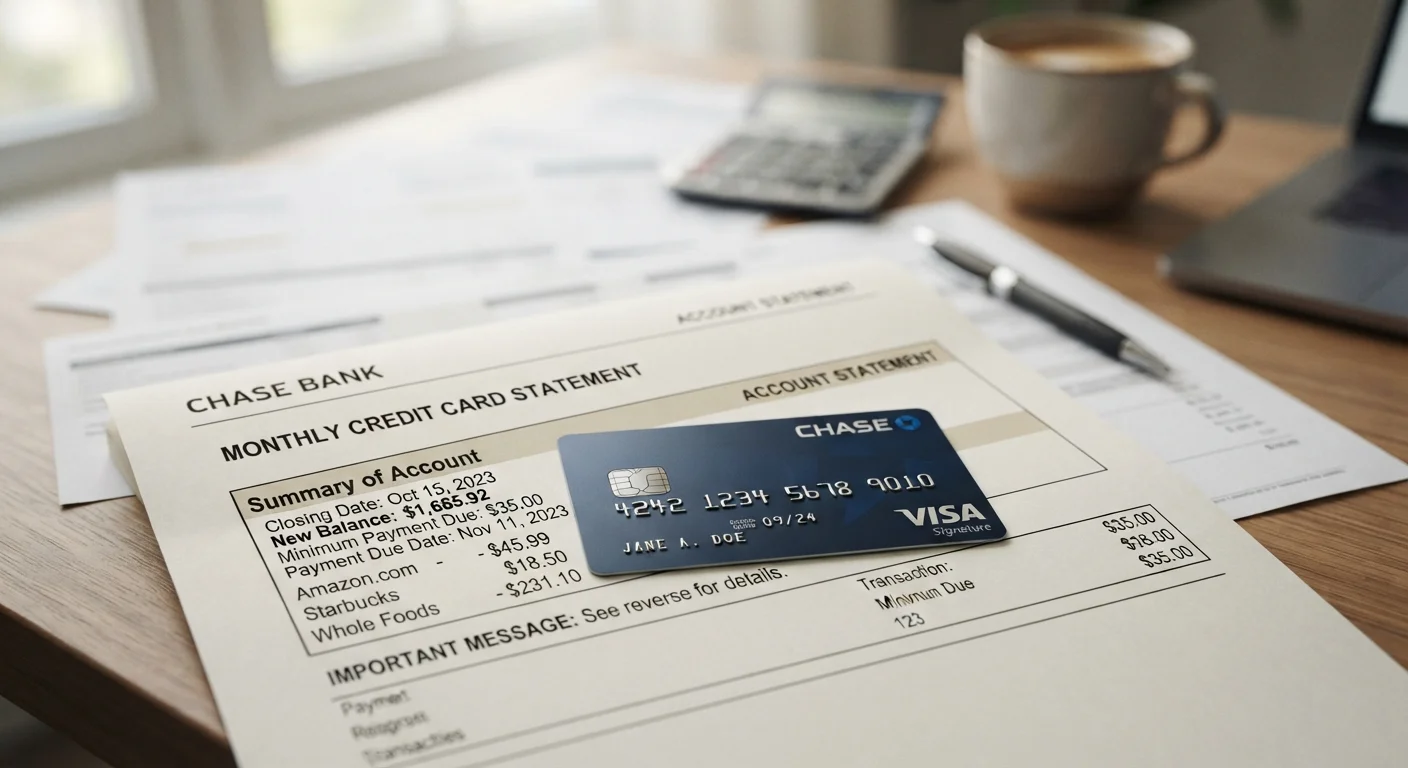
Another common misconception: many people assume their utilization is measured in real time. In practice, most issuers report to credit bureaus once per billing cycle - typically at statement close. This creates an important practical implication: if you want a lower balance to be reflected in your score, you generally need to pay it down before the statement closes, not just before the due date.
Time Your Payments Strategically
If you want a lower balance reflected on your credit report, try paying down your card a few days before your statement closing date - not just before the payment due date. The balance your issuer reports at statement close is typically what gets sent to the credit bureaus and used in score calculations. Checking your card's billing cycle dates can help you plan accordingly.
Understanding how utilization fits into your broader credit picture is easier once you're clear on the difference between the score and the underlying report - our article on credit reports vs. credit scores breaks that down plainly.
What Happens When You Reduce Your Balances
Because utilization reflects a current snapshot rather than a long history, it responds to changes more quickly than factors like payment history or credit age. Paying down a significant balance can improve your ratio within one or two billing cycles once the issuer reports the new balance to the bureaus.
This also works in reverse. A large purchase - even one you plan to pay off immediately - can temporarily spike your utilization if it gets reported before you pay it down. This is worth keeping in mind if you're planning to apply for new credit in the near term.
For consumers who are just beginning to build their credit file, tools like secured cards and credit-builder loans can help establish a base, though utilization management still applies. Our overview of tools for thin credit files walks through how those options work.
~30%
Portion of FICO score tied to amounts owed
According to FICO's published scoring factor breakdown, "amounts owed" - heavily influenced by utilization - is the second-largest scoring category after payment history.
<10%
Utilization rate common among highest scorers
FICO data on consumers with scores above 800 has consistently shown average utilization rates in the single digits, though utilization is just one factor in their profiles.
This article is for general informational purposes only and does not constitute financial or credit advice. For guidance tailored to your situation, consider consulting a qualified financial professional.