What a Thin Credit File Actually Means
If a lender or scoring model labels you as having a thin file, it means your credit report contains too few accounts - or accounts too new - for an algorithm to confidently assess how you handle debt. The Consumer Financial Protection Bureau has estimated that tens of millions of Americans are either credit invisible (no file at all) or have a file too thin to score reliably.
A thin file isn't a judgment of your financial behavior. It simply reflects limited data. The good news is that specific financial products exist precisely to help people generate that data in a controlled, low-risk way. Before exploring each tool, it helps to understand the core concepts behind credit scoring, since that context shapes how each product below actually moves the needle.
Check Whether the Account Reports to Bureaus
Before opening any credit-building product, confirm that the issuer or servicer reports to at least one of the three major credit bureaus - Equifax, Experian, or TransUnion. An account that doesn't report won't help your file, regardless of how responsibly you manage it. Most legitimate products will state this clearly in their terms.
Tools That Can Help Build a Credit File
Secured Credit Cards
A secured credit card requires a cash deposit - typically between $200 and $500 - that serves as collateral and usually equals your credit limit. The card functions like a standard credit card for everyday purchases, and the issuer reports your payment activity to the credit bureaus each month.
The deposit protects the issuer, which is why approval requirements are generally much lower than for unsecured cards. The critical practice: pay the statement balance in full each month to avoid interest charges, and keep your balance well below the credit limit. High utilization relative to your limit can work against your score even on a card designed to help you. Carrying a balance does not help your score - a common misconception worth dispelling early.
Your deposit protects the issuer, but disciplined usage is what builds your score.
Credit-Builder Loans
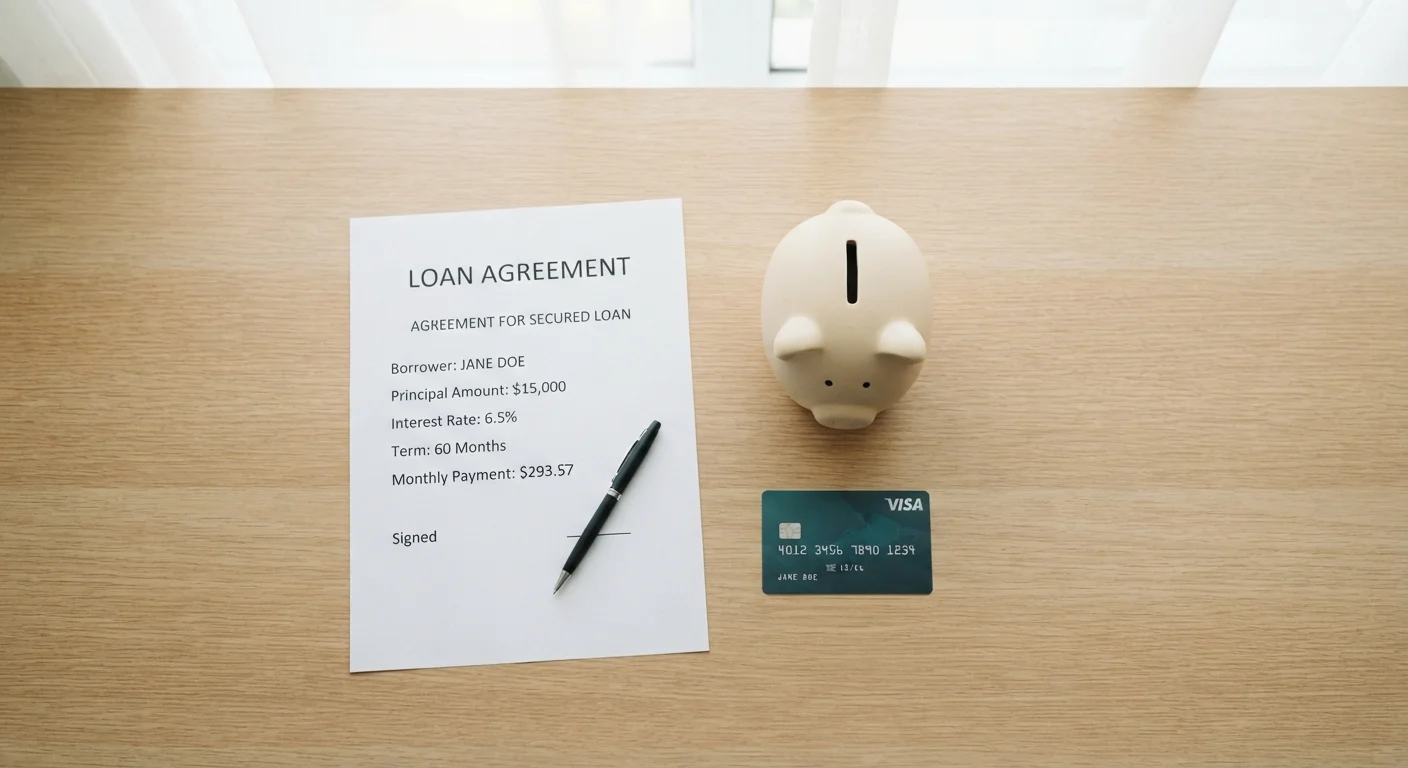
A credit-builder loan works in reverse compared to a traditional loan. Instead of receiving money upfront, you make fixed monthly payments into a secured savings account. Once the loan term ends - typically 12 to 24 months - you receive the accumulated funds, minus any fees or interest.
The value is in the reporting: each on-time payment is recorded with the bureaus, creating a payment history where none existed. These products are commonly offered by credit unions, community banks, and some online financial services. Because no money changes hands at the start, the risk to the borrower is relatively contained - the main cost is the interest or fees paid over the loan term.
Every on-time payment gets reported, turning a savings habit into a credit history.
Becoming an Authorized User
When someone with an established credit card account adds you as an authorized user, that account's history - including its age, credit limit, and payment record - often appears on your credit report. You receive a card linked to their account but carry no legal obligation for the debt.
The arrangement depends entirely on the primary cardholder's behavior. If they carry high balances or miss payments, those negatives can appear on your report too. This option requires trust on both sides and a clear conversation about expectations. It's worth noting that not all card issuers report authorized user accounts to all three bureaus, so it's worth confirming before counting on it.
An authorized user arrangement borrows someone else's credit history - for better or worse.
Rent and Utility Reporting Services
Rent is typically one of a person's largest recurring expenses, yet it has historically gone unrecorded by credit bureaus. Rent reporting services act as intermediaries, verifying and submitting your monthly rent payments to one or more bureaus so the payments count toward your file.
Some services charge a monthly fee; others are offered free through certain property management platforms. Utility and phone payments can sometimes be reported through similar programs. The key limitation is that not all scoring models factor in rent and utility data equally - it's more impactful with newer scoring frameworks than with older ones that many lenders still use.
Rent reporting can add a payment history to your file without taking on any new debt.
Student and Starter Credit Cards
Student credit cards are unsecured cards specifically designed for people with limited credit history - typically marketed to college students. They generally carry lower credit limits and may have fewer rewards features than standard cards, but they don't require a deposit and they report to the bureaus like any other card.
Some financial institutions also offer starter cards aimed at young adults or recent immigrants who are new to the U.S. credit system. Approval criteria tend to account for limited credit history, though income and other factors still apply. As with any credit card, the benefit comes from responsible use - paying on time and keeping balances low. Also keep in mind that applying for new credit generates a hard inquiry on your report, which has a small, temporary effect on scores.
Student and starter cards offer bureau reporting without requiring a security deposit upfront.
Opening New Accounts and Your Credit Age
Each new account you open lowers the average age of your credit history, which is one factor in most scoring models. This effect is typically modest for someone just starting out - since there's little existing history to dilute - but it's worth being aware of as your file grows. For context on how account age plays into the broader picture, see why closing older cards can sometimes backfire.
Choosing a Starting Point That Fits Your Situation
No single tool is universally the right first step. Someone with access to a trustworthy family member may find authorized user status the fastest path. Someone without that network might prioritize a secured card or credit-builder loan available through a local credit union. The underlying principle is the same across all of them: the account must report to at least one major credit bureau - Equifax, Experian, or TransUnion - or it won't contribute to a scorable file.
Once you have an open account, payment history becomes the dominant factor. As you build your file, understanding how credit utilization affects your score will help you manage card balances strategically. And when you're ready to review what lenders actually see, a field-by-field look at your credit report explains every section in plain terms.
This article is for general informational and educational purposes only and does not constitute personalized financial or legal advice. Consult a qualified financial professional for guidance specific to your circumstances.