
Why Debt Can Feel Hard to Control
Most people don't lose control of debt all at once. It tends to happen gradually - a missed payment here, a new balance there - until the total feels overwhelming. The core challenge isn't always a lack of income; it's often a lack of visibility. When you don't have a clear picture of what you owe, to whom, and at what interest rate, it's difficult to make intentional decisions.
Debt comes in many forms: credit cards, student loans, auto loans, personal loans, and medical bills, among others. Each carries different terms, interest rates, and repayment structures. Before you can manage debt effectively, it helps to understand what you're actually dealing with. Our Credit and Debt Glossary explains key terms like APR, amortization, and minimum payment in plain language - a useful starting point if any of those concepts feel unfamiliar.
Core Practices for Staying on Top of Debt
Managing debt well doesn't require a complex system. A few consistent habits, applied regularly, go a long way toward keeping balances from spiraling. The practices below reflect widely accepted personal finance principles - not personalized advice, but useful frameworks for thinking about your approach.
Quick Actions You Can Take Right Now
Understanding the principles is one thing; taking a first step is another. The actions below are low-effort ways to build momentum - each one moves you toward clearer visibility and better habits.
Building a Long-Term Mindset Around Debt
Keeping debt manageable over time is less about dramatic payoff moments and more about the steady, unremarkable habits you build into your routine. Reviewing your balances monthly, avoiding unnecessary new debt, and understanding how interest compounds are all habits that pay off quietly over years.
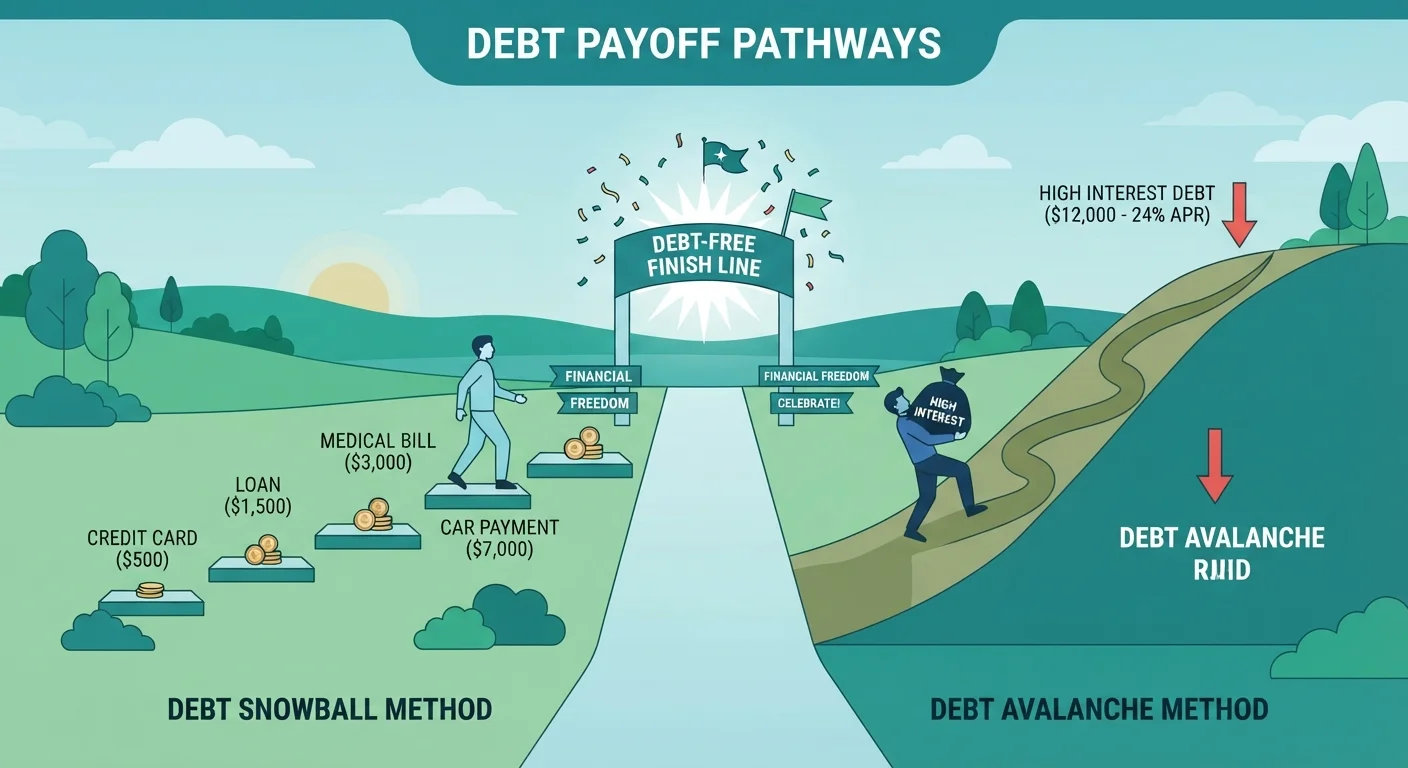
If you're weighing ways to simplify multiple balances, our guide on debt consolidation covers how that approach works, what it costs, and when it may or may not be helpful. For readers working through a structured payoff plan, the debt snowball and debt avalanche methods offer two well-established frameworks worth understanding.
As your debt situation shifts, so should your broader financial habits. The Budgeting Basics hub offers frameworks for tracking income and expenses, and once debt is under control, Saving & Goals covers how to redirect that freed-up cash toward building financial resilience.
This article is for general informational and educational purposes only and does not constitute personalized financial, legal, or tax advice. Consult a qualified financial professional for guidance specific to your circumstances.