What an Emergency Fund Actually Is
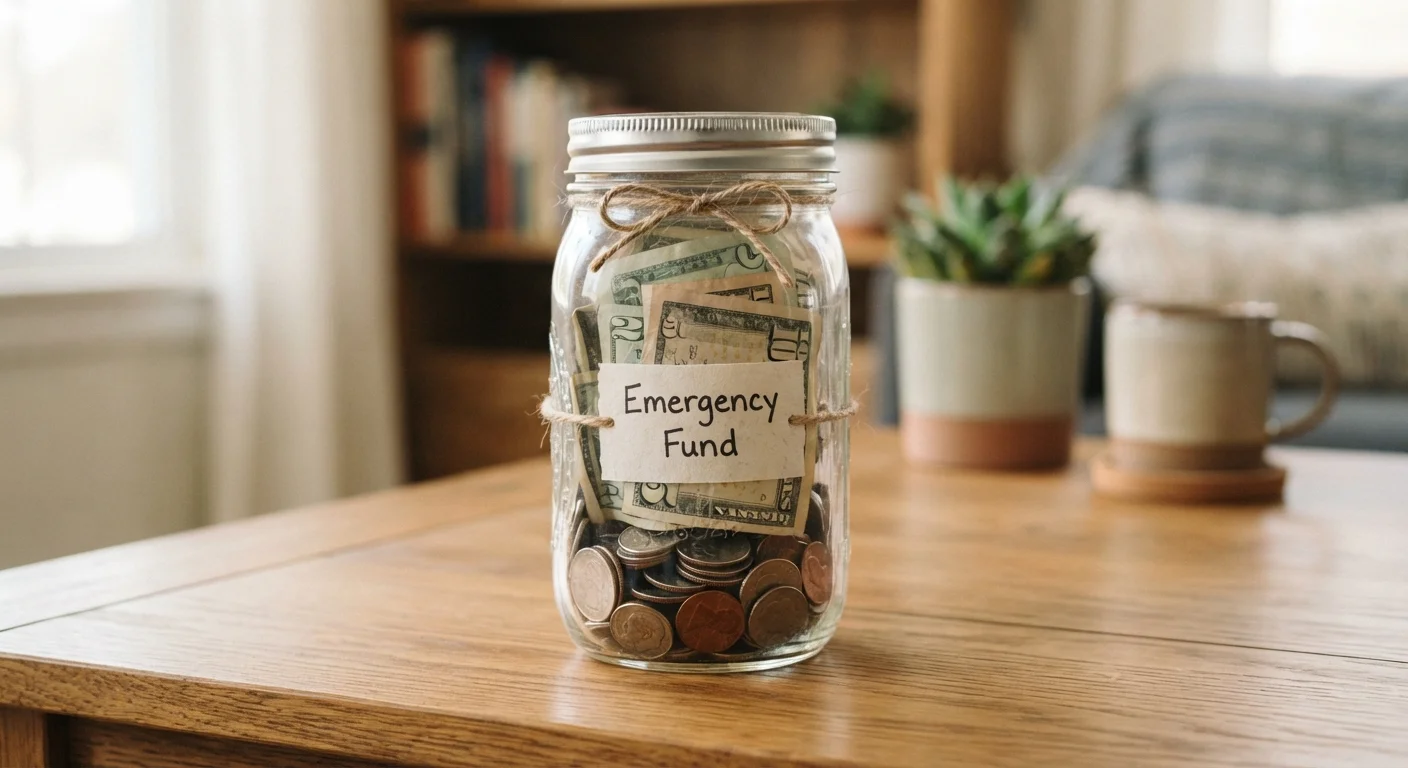
An emergency fund is money you've intentionally set aside for one specific purpose: to cover genuine, unexpected financial needs without going into debt or disrupting the rest of your financial life. It is not a general savings account, a vacation fund, or a place to park money for planned purchases - it exists as a dedicated buffer against the unpredictable.
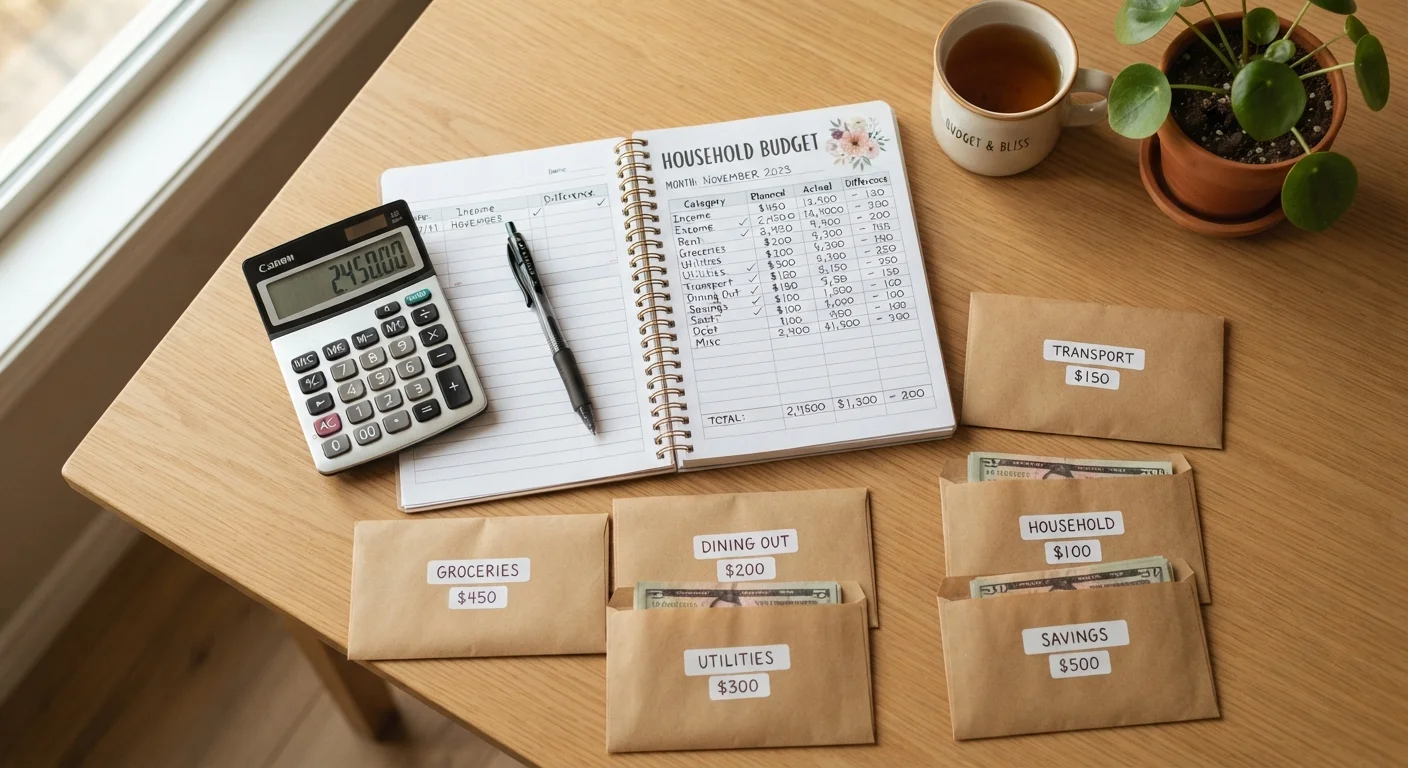
The expenses it's designed to handle share a few common characteristics: they're unplanned, unavoidable, and time-sensitive. A sudden roof leak, a medical copay for an unscheduled urgent visit, or the financial fallout of an unexpected job loss are the kinds of events an emergency fund is built for. Understanding which of your monthly costs are fixed versus variable can help you identify exactly what your emergency fund needs to cover.
Emergency Fund vs. Checking Account Buffer
Keeping a buffer in your checking account to avoid overdrafts is a different practice from an emergency fund. A checking buffer handles day-to-day cash flow irregularities; an emergency fund is a separate, larger reserve held in a distinct account specifically for significant, unplanned financial events. Conflating the two can leave you without protection when you actually need it.
Why Financial Educators Consider It a Foundation
Emergency funds are consistently described by financial educators as one of the first building blocks of personal financial stability - and for good reason. Without one, a single unexpected event can trigger a chain reaction: a depleted checking account, reliance on a high-interest credit card, and a debt balance that takes months or years to clear.
The psychological dimension matters too. Research on financial stress consistently links the absence of a savings buffer to heightened anxiety about money. Knowing you have a reserve changes how you navigate financial decisions - it's harder to make clear-headed choices when you feel one unexpected bill away from crisis.
“The emergency fund is a bedrock concept in personal finance - it's not about being pessimistic about the future, it's about being realistic that the unexpected is inevitable.”
— Certified Financial Planner Board of Standards, U.S. professional body for financial planning certification
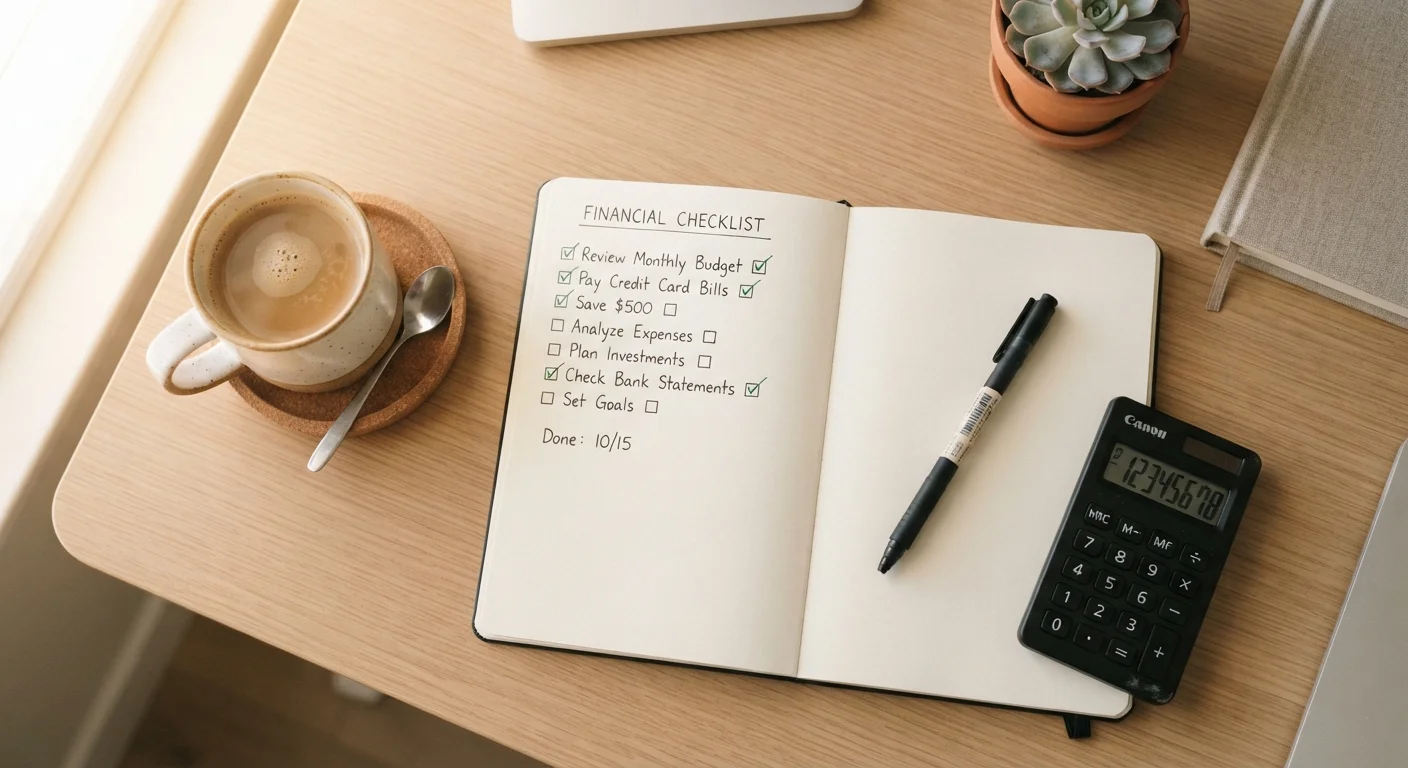
For readers thinking about where an emergency fund fits among their broader financial goals, see our personal finance readiness checklist for a structured way to assess your starting point.
How Much Is Enough?
The guideline most commonly cited in personal finance education is three to six months of essential living expenses. "Essential" is the operative word - this means the costs you could not skip even in a worst-case scenario: housing, utilities, groceries, transportation, insurance, and minimum debt payments.
~37%
Americans who couldn't cover a $400 emergency with cash
According to the Federal Reserve's Report on the Economic Well-Being of U.S. Households, a substantial share of Americans would need to borrow or sell something to cover an unexpected $400 expense.
3-6 months
Recommended essential expenses to have in reserve
This range is the most widely cited benchmark among financial educators and nonprofit financial counseling organizations as a target for a fully funded emergency fund.
1 in 4
U.S. adults with no emergency savings at all
Surveys conducted by Bankrate have consistently found that a significant portion of American adults report having no dedicated emergency savings, underscoring how common the gap is.
The right target is genuinely personal. Someone with a stable government job, no dependents, and low fixed expenses might feel secure at the lower end of that range. A freelancer with variable income, a family with young children, or someone managing a chronic health condition might reasonably aim higher. There's no single correct number - the goal is an amount that would meaningfully protect you during your most realistic worst-case scenario.
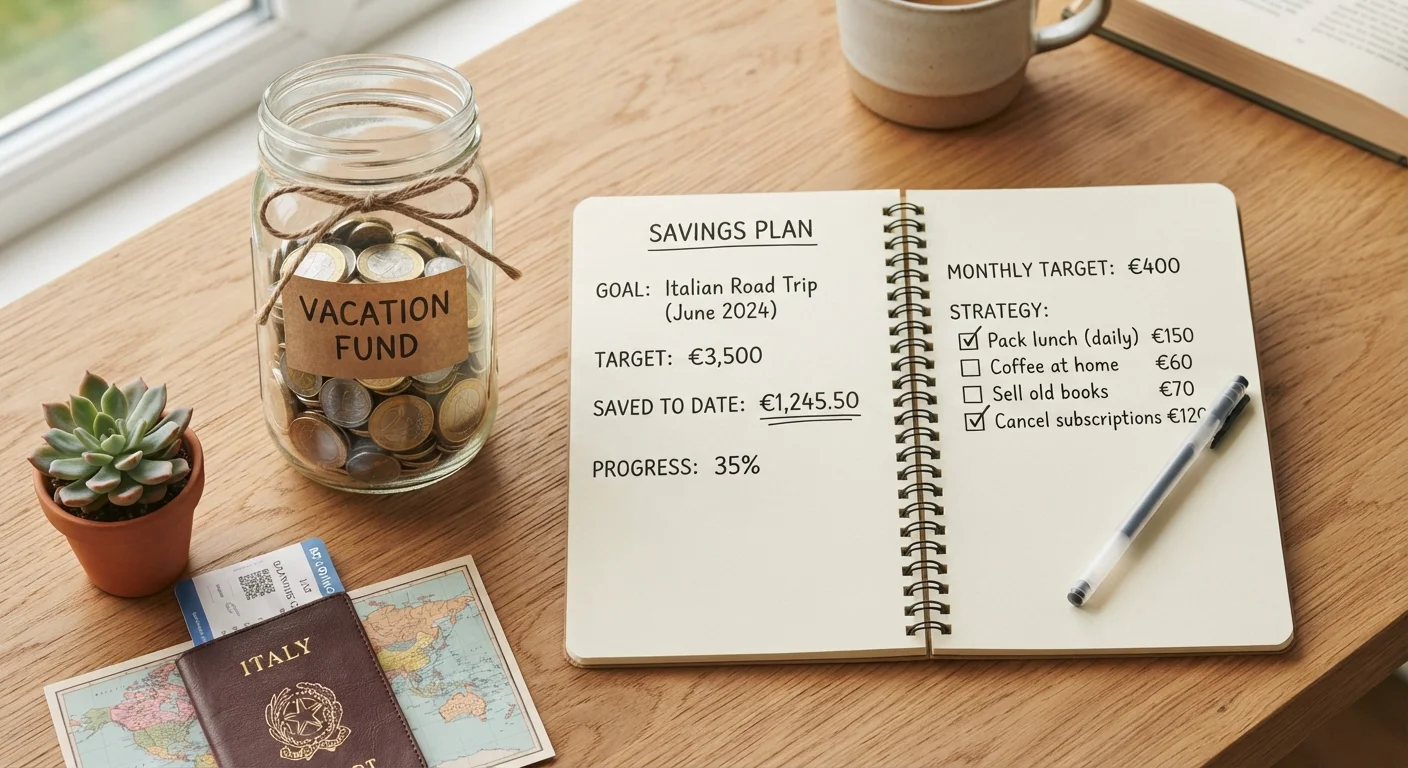
It's also worth distinguishing an emergency fund from other savings goals. Sinking funds are a separate tool for anticipated costs like car maintenance or annual subscriptions - predictable expenses that don't belong in an emergency fund.
Building One: Where to Start
For many people, the idea of saving three to six months of expenses feels overwhelming - especially if cash flow is already tight. The widely recommended approach is to start with a smaller, achievable milestone rather than waiting until you can fund the full amount at once.
A starter goal of $500 to $1,000 gives you a meaningful buffer against minor emergencies while you work toward a larger cushion. The pay-yourself-first principle - automatically directing a portion of each paycheck to savings before spending - is a widely recognized method for building this kind of fund consistently over time.
Automate to Build Consistency
Setting up an automatic transfer from your checking account to a dedicated savings account - even a modest amount each pay period - removes the need to make an active decision every month. Consistency matters more than the size of each transfer when you're building from zero. Many people find that once automated, they quickly adjust to spending only what remains.
Once you've established your emergency fund, other savings goals - like a home down payment - can be built alongside it without competing for the same dollars. Keeping goals clearly separated, both mentally and in distinct accounts, helps prevent the emergency fund from being quietly drained for non-emergencies.
This article is for general informational and educational purposes only and does not constitute personalized financial advice. For guidance tailored to your specific circumstances, consider consulting a qualified financial professional.