What a Sinking Fund Actually Does
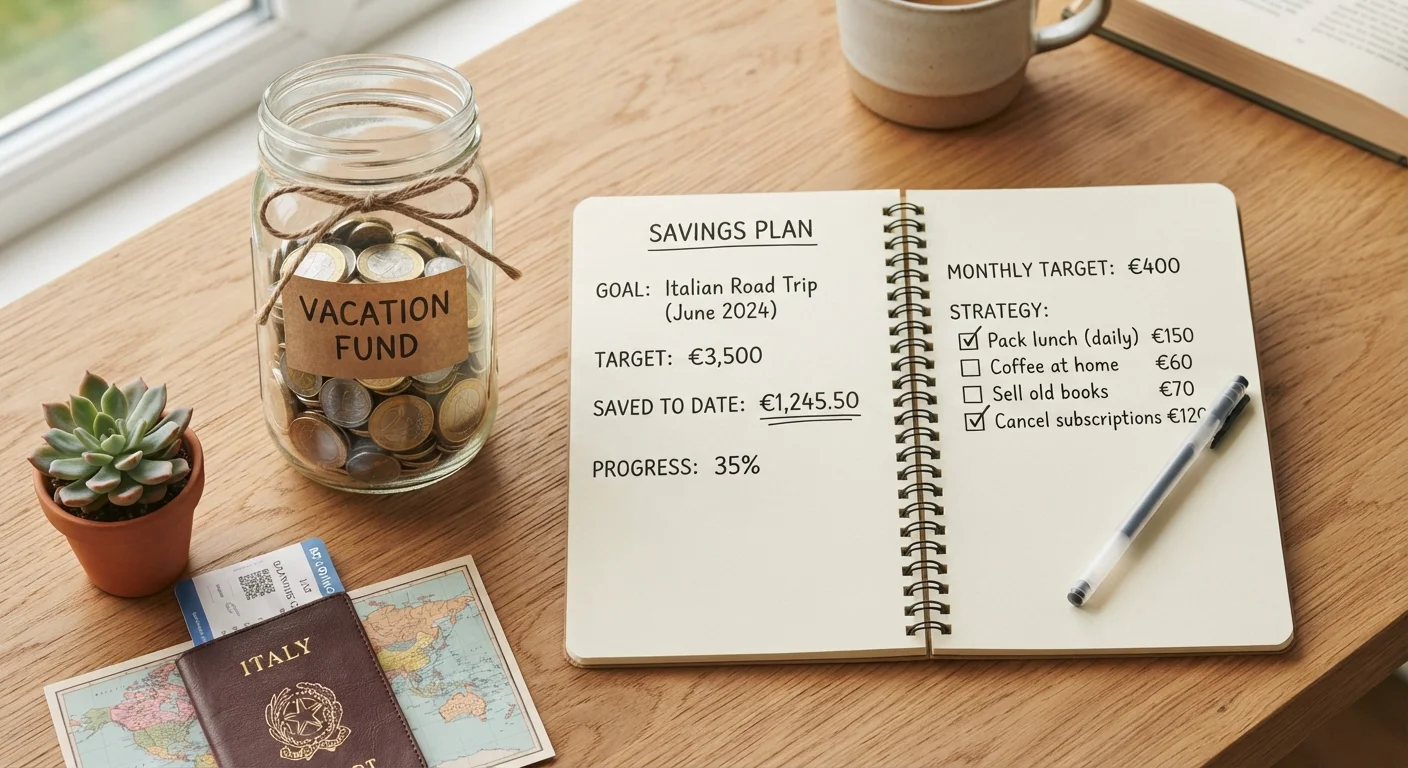
A sinking fund turns a future lump-sum expense into a series of smaller, manageable deposits. The logic is straightforward: if you know a bill is coming - say, your car registration renewal in six months or a family vacation next summer - you can calculate roughly what it will cost, divide that amount by the months you have, and save that slice each month.
The result is that when the expense arrives, you already have the money. You're not borrowing, not raiding your checking account, and not stressed. The expense that once felt disruptive becomes a planned, non-event.
This approach is especially useful for costs that recur annually but tend to catch people off guard - property taxes, vehicle registration, back-to-school shopping, holiday spending. Because these costs come around every year on roughly the same schedule, they're ideal candidates for a sinking fund strategy.
Label Each Fund Clearly
Whether you use separate sub-accounts or a spreadsheet, giving each sinking fund a specific name ('Holiday 2025' or 'Tire Replacement') reinforces its purpose and makes it easier to track progress. Clarity reduces the temptation to redirect the money toward unrelated spending.
Sinking Funds vs. Emergency Funds: An Important Distinction
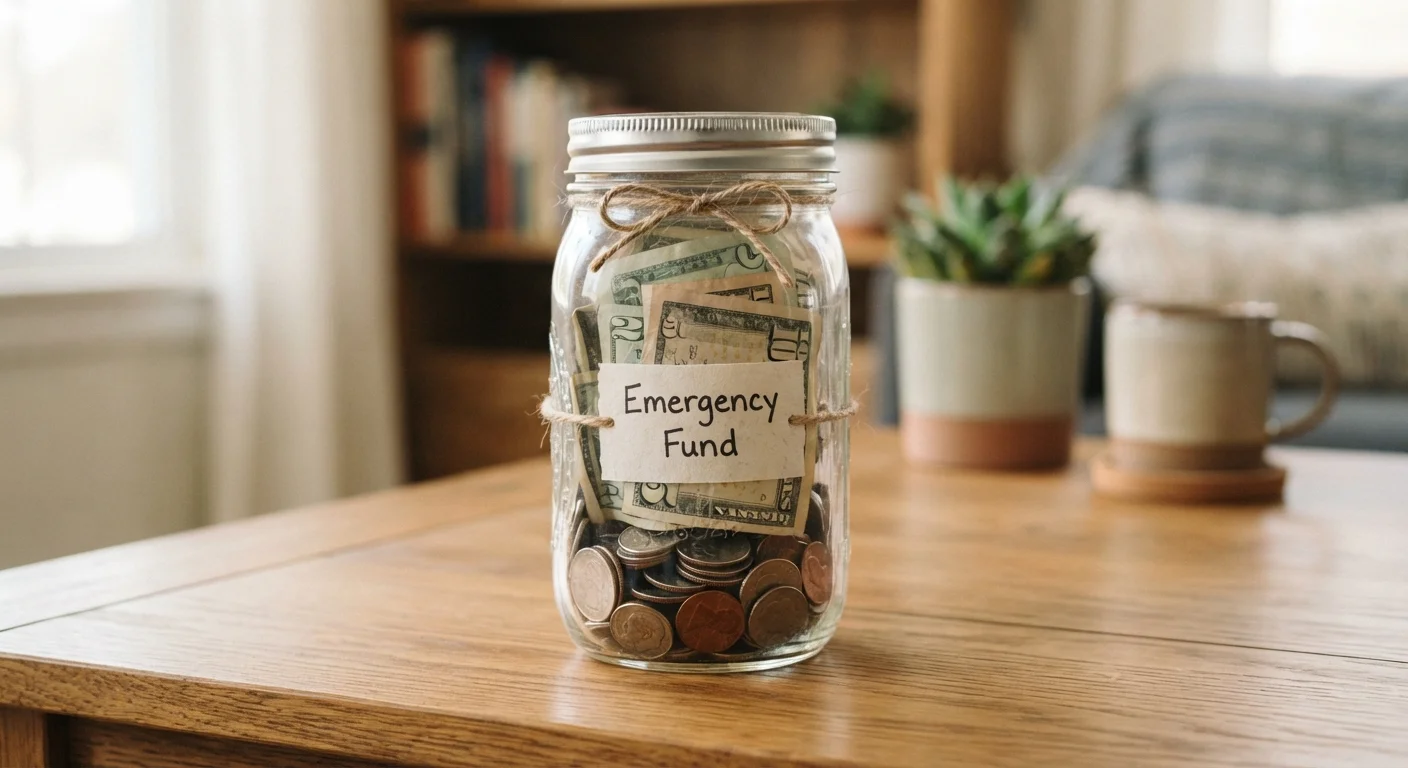
It's easy to confuse sinking funds with emergency funds, but they solve different problems. An emergency fund is designed for the unexpected - a sudden job loss, an ER visit, or a furnace that quits in January without warning. Its purpose is to protect you from financial shocks you couldn't have anticipated.
A sinking fund, by contrast, is for expenses you can anticipate. You know your car will eventually need new tires. You know the holidays come in December. You know your lease ends in eighteen months and you'll need first and last month's rent on a new place. These aren't surprises - they're predictable costs that benefit from advance planning.
Because the two serve different functions, most financial educators recommend having both running simultaneously rather than treating one as a substitute for the other.
~$2,000
Average unexpected car repair cost
According to industry estimates, a single major unplanned vehicle repair can cost between $1,500 and $2,500, illustrating why planned vehicle funds matter.
40%
Adults who struggle to cover a $400 emergency
Federal Reserve research has found that a significant share of U.S. adults report difficulty covering a modest unexpected expense without borrowing, underscoring the value of advance savings strategies.
1-2%
Home value recommended for annual maintenance savings
A commonly cited rule of thumb among personal finance educators suggests setting aside 1-2% of a home's value each year for upkeep, though actual costs vary by age, size, and location.
How to Set Up and Manage a Sinking Fund
Getting started requires three decisions: what you're saving for, how much you'll need, and when you'll need it.
- Define the goal. Be specific. 'Car maintenance' is better than 'miscellaneous expenses.' A clear goal makes it easier to set a realistic target and resist dipping into the fund for unrelated costs.
- Estimate the total. Research what the expense is likely to cost. For irregular costs like home repairs, many households aim for 1-2% of their home's value annually as a rough planning figure - though actual needs vary widely.
- Calculate your monthly contribution. Divide the total by the number of months until you need it. If the timeline is open-ended (like a general home repair fund), pick a monthly amount that feels sustainable and adjust over time.
- Open a dedicated account or sub-account. Keeping funds physically separate from your everyday money reinforces the boundary. Many online banks offer multiple savings accounts or labeled envelopes at no cost.
Once set up, sinking funds work best when contributions are automated on a recurring schedule. Removing the manual step reduces the chance you'll skip a month.
For readers building their first complete savings approach, starting from scratch with a broader plan can help sinking funds fit into a larger financial picture.
Common Uses and Practical Examples
Sinking funds are flexible enough to fit almost any planned expense. Some of the most common categories households use include:
- Vehicle costs: Registration, insurance renewals, tires, and routine maintenance
- Home upkeep: Seasonal repairs, appliance replacement, landscaping
- Travel: Flights, accommodations, and spending money for a planned trip - a natural fit for trip planning
- Annual or irregular bills: Property taxes, subscriptions paid annually, professional memberships
- Large purchases: Furniture, electronics, or a down payment contribution
The concept also applies to longer-horizon goals. If you're saving toward a home down payment, a dedicated sinking fund keeps that money earmarked and growing without getting blended into general savings.
Understanding how sinking funds relate to your broader goals is easier when you also think through short-term versus long-term savings goals - and how each requires a different approach to timing and account structure.
Fitting Sinking Funds Into Your Budget
A sinking fund contribution is simply a budget line item - no different from rent or groceries except that the money isn't spent immediately. If you're new to building a structured budget, the budgeting basics framework can help you identify where sinking fund contributions fit alongside your other monthly expenses.
One practical approach: after listing your fixed monthly obligations and variable spending, total up all your annual planned expenses, divide by 12, and treat that number as a recurring monthly cost. This flattens the spikes in your cash flow and makes budgeting feel more predictable.
It's worth noting that sinking funds don't require a large starting amount. Even small, consistent contributions build meaningful reserves over time. The key is to start with the expenses that feel most disruptive when they arrive unexpectedly, and add more funds gradually as your budget allows.
This article is for general informational and educational purposes only. It does not constitute personalized financial advice. Consult a qualified financial professional for guidance tailored to your specific circumstances.