What a Down Payment Actually Is
A down payment is the portion of a home's purchase price that a buyer pays upfront, out of pocket, rather than financing through a mortgage. It is expressed as a percentage of the total price: on a $300,000 home, a 10% down payment equals $30,000. The remaining amount - $270,000 in this case - is what the buyer would seek to borrow from a lender.
The down payment serves two purposes. For the lender, it reduces the loan amount and signals the borrower's financial commitment. For the buyer, it represents immediate equity - the share of the home's value owned outright from day one. Larger down payments generally translate into lower monthly mortgage payments and, in many cases, more favorable loan terms, though the specifics depend on the loan type and lender.
Down Payments Affect More Than the Loan Amount
A smaller down payment doesn't just mean a larger loan - it can trigger additional costs like private mortgage insurance (PMI), affect your interest rate, and change the overall affordability of the purchase. Understanding the full cost picture before committing to a target helps you avoid surprises later. Always consult a licensed mortgage professional to understand how different down payment amounts affect your specific loan options.
How Down Payment Targets Are Typically Set
The oft-cited benchmark of 20% down carries real weight: borrowers who meet it typically avoid private mortgage insurance (PMI), a monthly premium lenders require when the down payment falls below that threshold. PMI protects the lender - not the buyer - against default risk, and it adds to the overall cost of homeownership.
That said, 20% is not a universal requirement. Several loan programs - including those backed by the Federal Housing Administration (FHA) - allow down payments as low as 3.5% for qualified borrowers. Veterans Affairs (VA) loans and USDA rural development loans may require no down payment at all for eligible applicants. Each program comes with its own eligibility criteria, fees, and trade-offs, so understanding what applies to your situation matters.
3.5%
Minimum FHA loan down payment
The Federal Housing Administration allows qualified borrowers to put as little as 3.5% down, though eligibility and fees apply.
2%-5%
Typical closing cost range
Closing costs are generally estimated at 2% to 5% of the loan amount and are due at settlement, separate from the down payment.
20%
Threshold to avoid PMI
Borrowers who put down at least 20% on a conventional loan typically avoid private mortgage insurance (PMI) requirements.
When setting a savings target, consider the full picture. Closing costs - which typically range from 2% to 5% of the loan amount - are separate from the down payment and are due at the time of purchase. Moving expenses, initial repairs, and setting up utilities all add to the upfront financial picture as well.
Building the Savings Foundation First
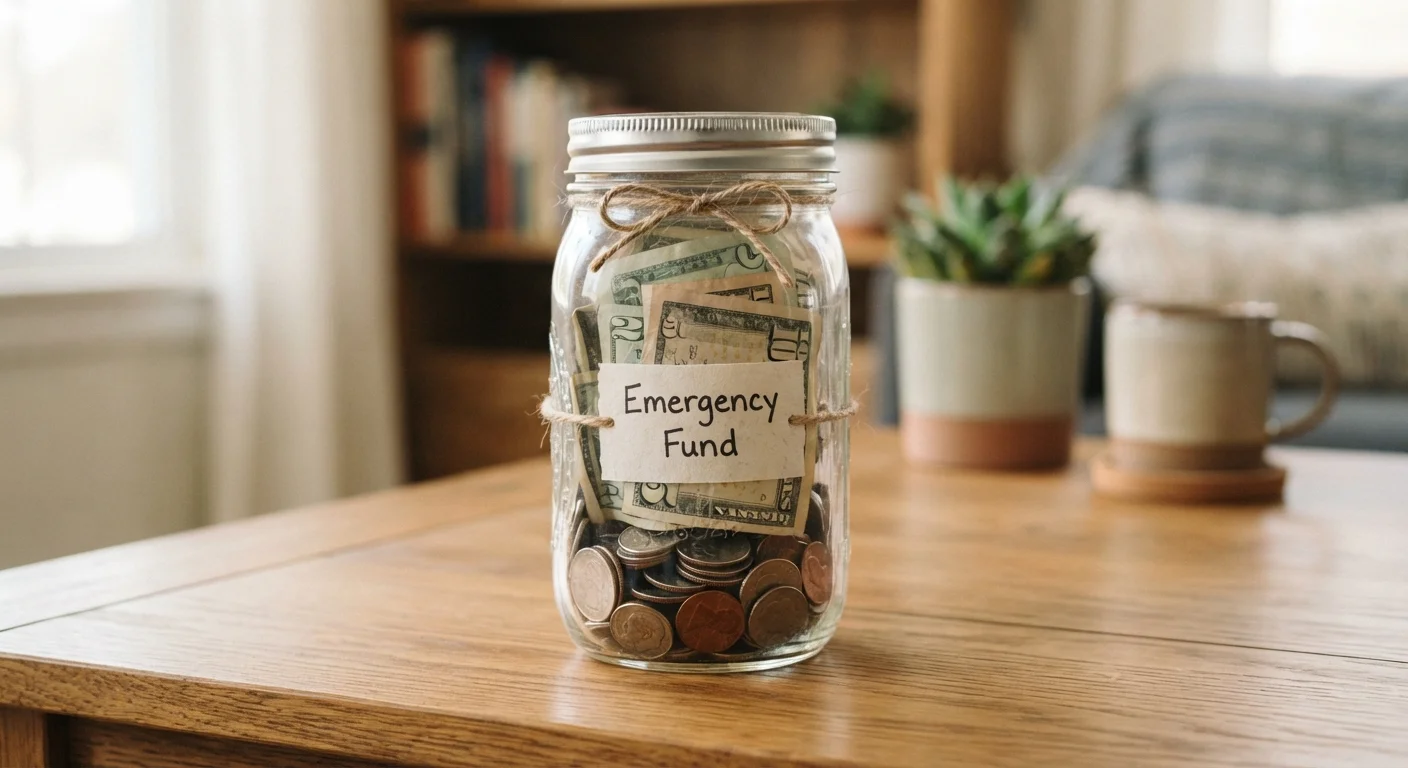
Before accelerating down payment contributions, it helps to have a stable financial base in place. That typically means having a funded emergency reserve and a clear picture of monthly cash flow. An emergency fund serves a distinct purpose from your down payment - it covers unexpected expenses without forcing you to raid long-term savings.
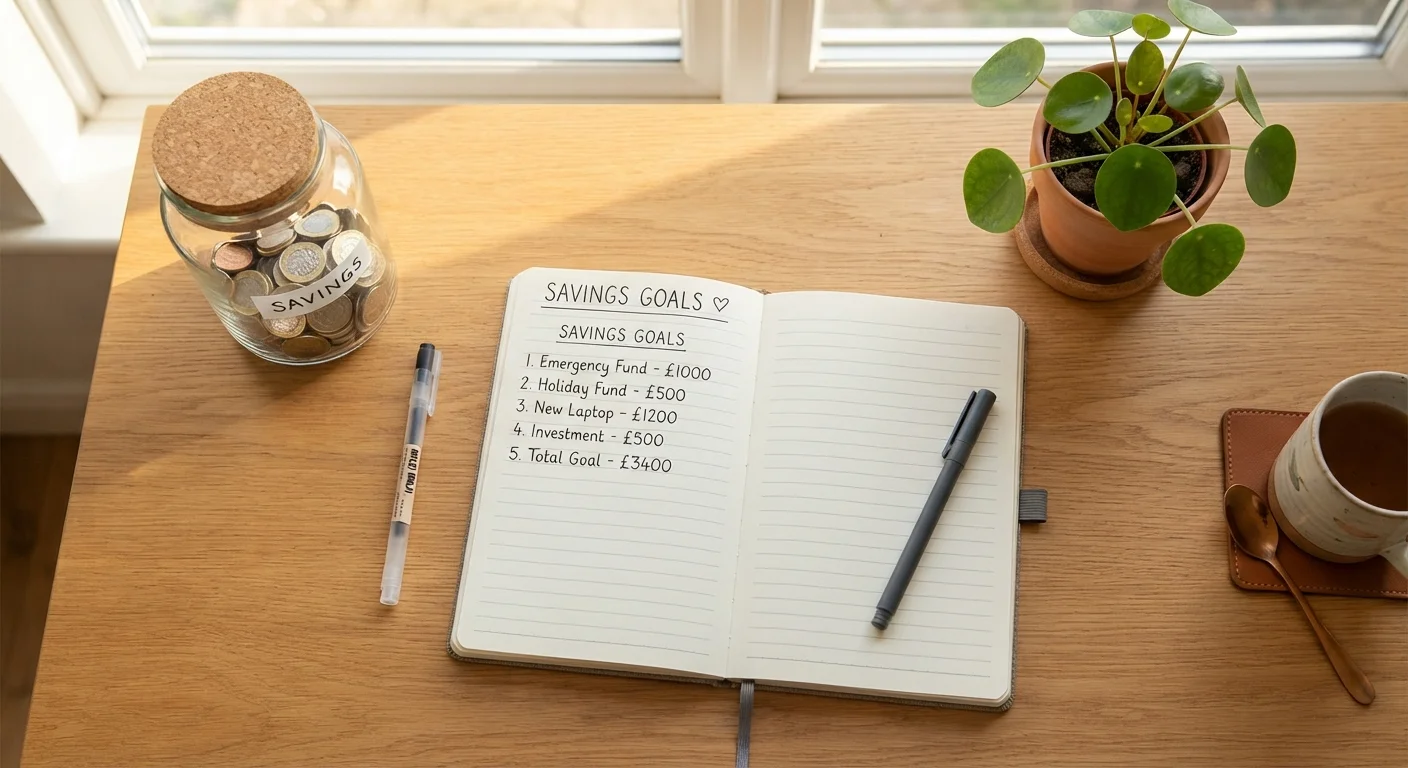
If you are starting from scratch, working through the basics of building a first savings plan can clarify how to prioritize competing goals. Similarly, a solid grasp of budgeting basics helps you identify how much is genuinely available to set aside each month without creating shortfalls elsewhere.
Open a dedicated savings account with a label like 'Home Down Payment' rather than lumping it into a general savings bucket. Named accounts make the goal tangible and reduce the temptation to redirect funds.
Behavioral finance research consistently shows that mental accounting - treating money in separate buckets as having specific purposes - helps people follow through on savings goals.
When you receive a windfall such as a tax refund or bonus, deposit at least a defined portion directly into your down payment account before it hits your checking account.
Windfall income is statistically more likely to be spent than saved when it flows through an everyday account first; direct deposit sidesteps that friction entirely.
Where People Commonly Keep Down Payment Savings
The right account type for a down payment depends partly on your timeline. For savings you expect to use within one to three years, the priority is typically capital preservation and liquidity - being able to access funds without penalty when you are ready to buy.
High-yield savings accounts and money market accounts are commonly used because they offer better interest rates than standard savings accounts while keeping funds accessible. Certificates of deposit (CDs) can offer higher rates still, but they lock funds for a fixed term; withdrawing early usually incurs a penalty, so the timeline needs to match.
For longer horizons, some savers consider investment accounts, but this introduces market risk - the balance could decrease in value at the moment you need it. That tradeoff deserves careful thought. This is a situation where a qualified financial adviser can help evaluate what structure fits your personal circumstances.
Keep Your Down Payment Funds Separate
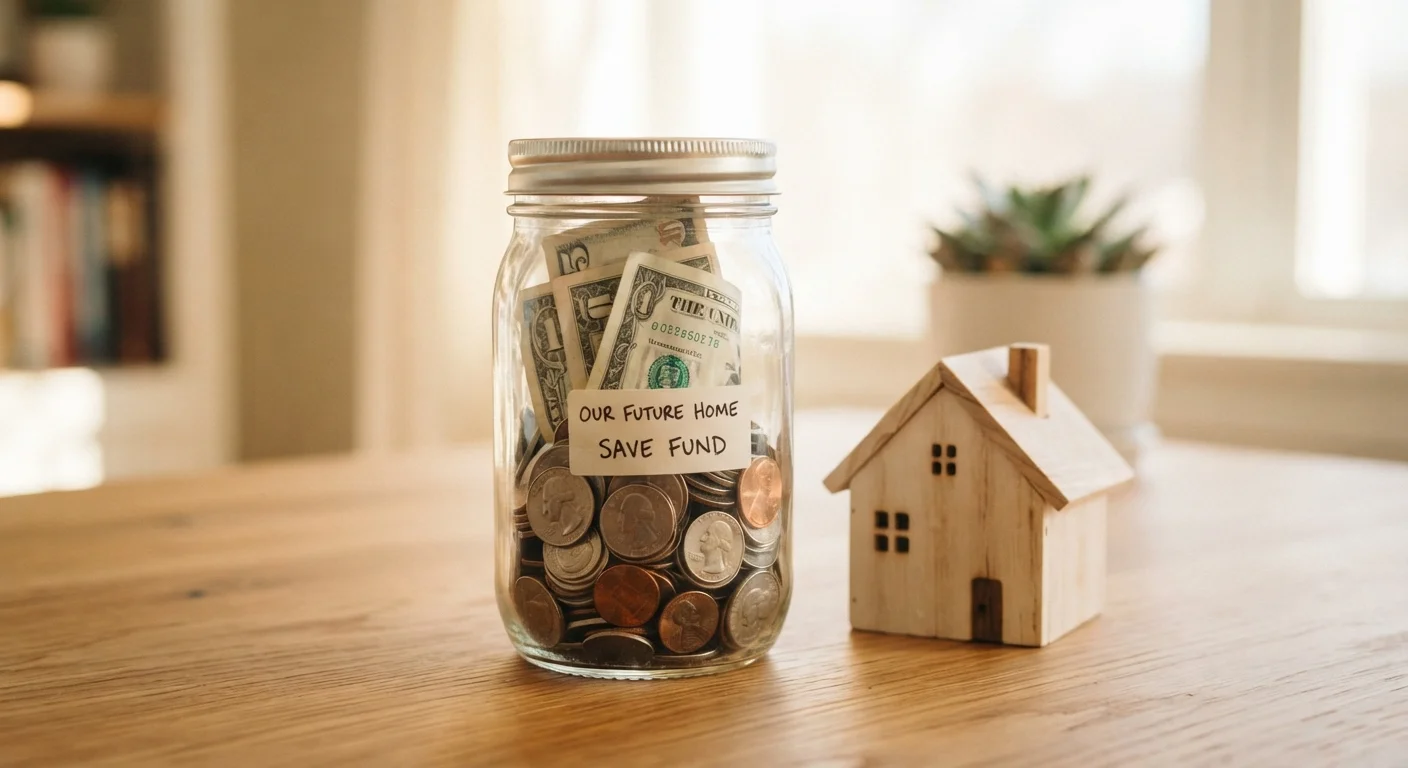
Open a dedicated savings account specifically for your down payment and avoid using it for any other purpose. Giving the account a clear label - even just 'House Fund' - reinforces its purpose every time you check the balance. Many banks and credit unions allow you to nickname accounts at no cost.
Practical Strategies for Reaching Your Target
Consistency tends to outperform size when it comes to building savings over time. Automating a fixed transfer to a dedicated savings account on each payday removes the decision from the equation - you save before you can spend. Our overview of habits and structures that support consistent saving explores how behavioral and logistical approaches work together.
The question of whether to save in one large push or steady increments is worth thinking through as well. Lump-sum versus incremental saving each have advantages depending on income patterns and windfalls. A bonus or tax refund deposited directly into your down payment account can accelerate progress significantly without disrupting a monthly routine.
Treating your down payment savings like a sinking fund - a dedicated pool for a specific planned expense - is a practical mental model. It keeps the goal concrete, prevents the funds from blurring into general savings, and makes progress measurable.
Common Pitfalls to Avoid
Several patterns tend to derail down payment saving, even when intention is strong.
- Underestimating the total needed: Forgetting closing costs, inspection fees, and moving expenses leaves buyers short at a critical moment. Build these into your target from the start.
- Keeping savings where they are easy to spend: When down payment funds share an account with daily expenses, they tend to get absorbed. A separate, clearly labeled account creates a useful psychological and logistical barrier.
- Pausing contributions after setbacks: A month where contributions aren't possible shouldn't signal the end of the plan. A fixed automatic transfer resumes as soon as circumstances allow.
- Assuming the timeline is fixed: Home prices, personal income, and family circumstances shift. Revisiting the savings target and timeline annually - or after major life changes - keeps the plan grounded in reality.
Don't Drain Your Emergency Fund for a Down Payment
It can be tempting to redirect all available savings toward a down payment target, but leaving yourself without an emergency reserve can backfire quickly. A home purchase often comes with unexpected costs immediately after closing - from appliance failures to plumbing surprises. Entering homeownership without a financial cushion can put you in a vulnerable position from day one.
This article is for informational and educational purposes only and does not constitute financial, investment, or legal advice. Readers should consult a qualified, licensed financial professional before making decisions about their own savings strategies, mortgage products, or home purchases.