The Pricing Vocabulary Every Shopper Should Know
Online retailers use a set of pricing strategies that are specifically designed to shape how you perceive value. Understanding the terminology is the first step to evaluating any discount on its actual merits rather than on how it feels.
These definitions apply broadly across e-commerce, travel booking, subscription services, and in-store retail. The same tactic may appear with different labels depending on industry context, but the underlying mechanics are consistent.
Reference Pricing: When the 'Was' Price Is Questionable
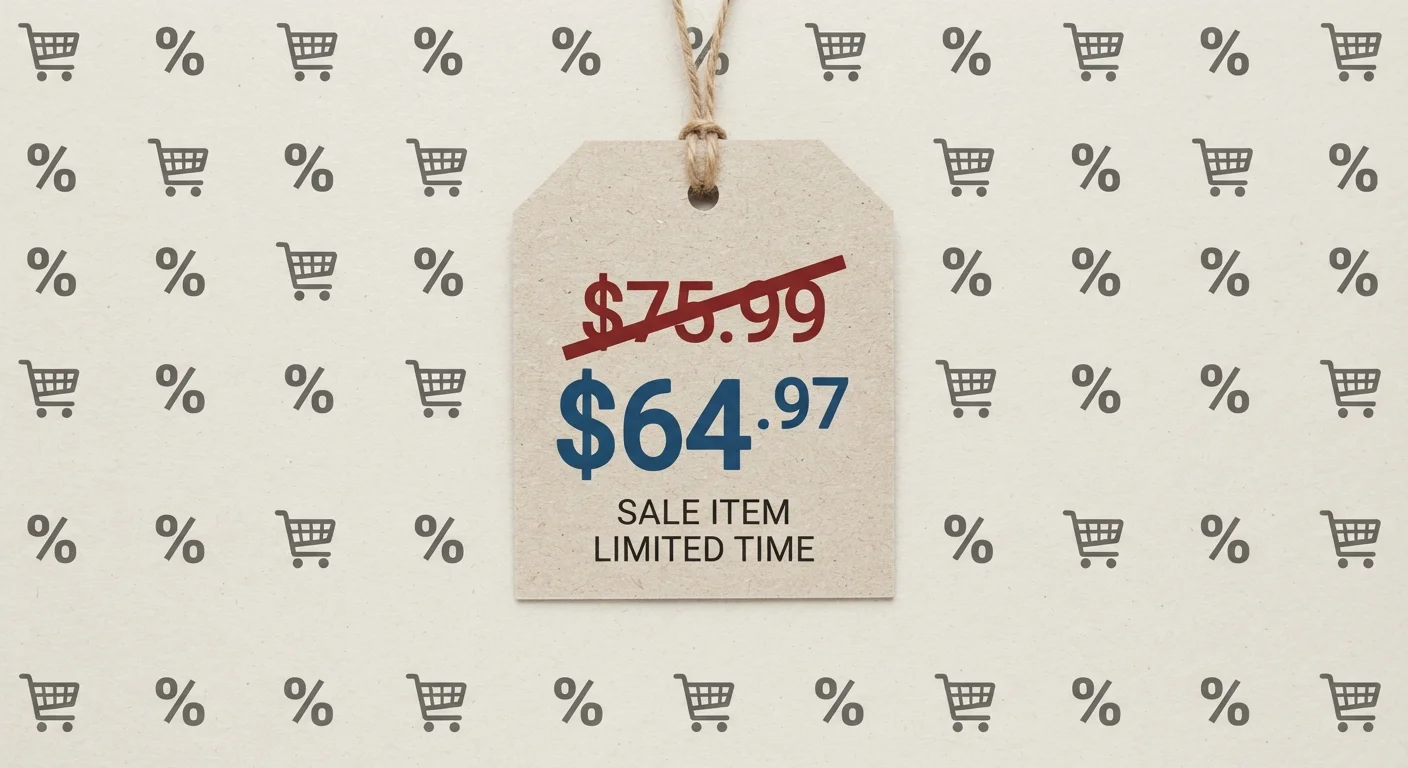
The crossed-out price next to a sale figure - often labeled 'Was,' 'Compare At,' or 'MSRP' - is the most common discount signal in online retail. It works through price anchoring: your brain uses the higher number as a benchmark, making the lower price feel like a win.
The problem is that reference prices are not always grounded in reality. A product may have been listed at the higher price for only a brief window, or the reference figure may be a manufacturer's suggested price that no retailer actually charges consistently. The U.S. Federal Trade Commission's guidelines on deceptive pricing address this directly, but enforcement gaps mean questionable reference prices remain common.
Pricing Tactics Are Not Always Illegal
Many of the tactics described here operate in a legal gray zone. Reference pricing, urgency nudges, and bundle framing are widely used by mainstream retailers. The FTC addresses only cases where pricing claims are demonstrably deceptive. Knowing how these tactics work is your best consumer protection tool - not assuming they are prohibited.
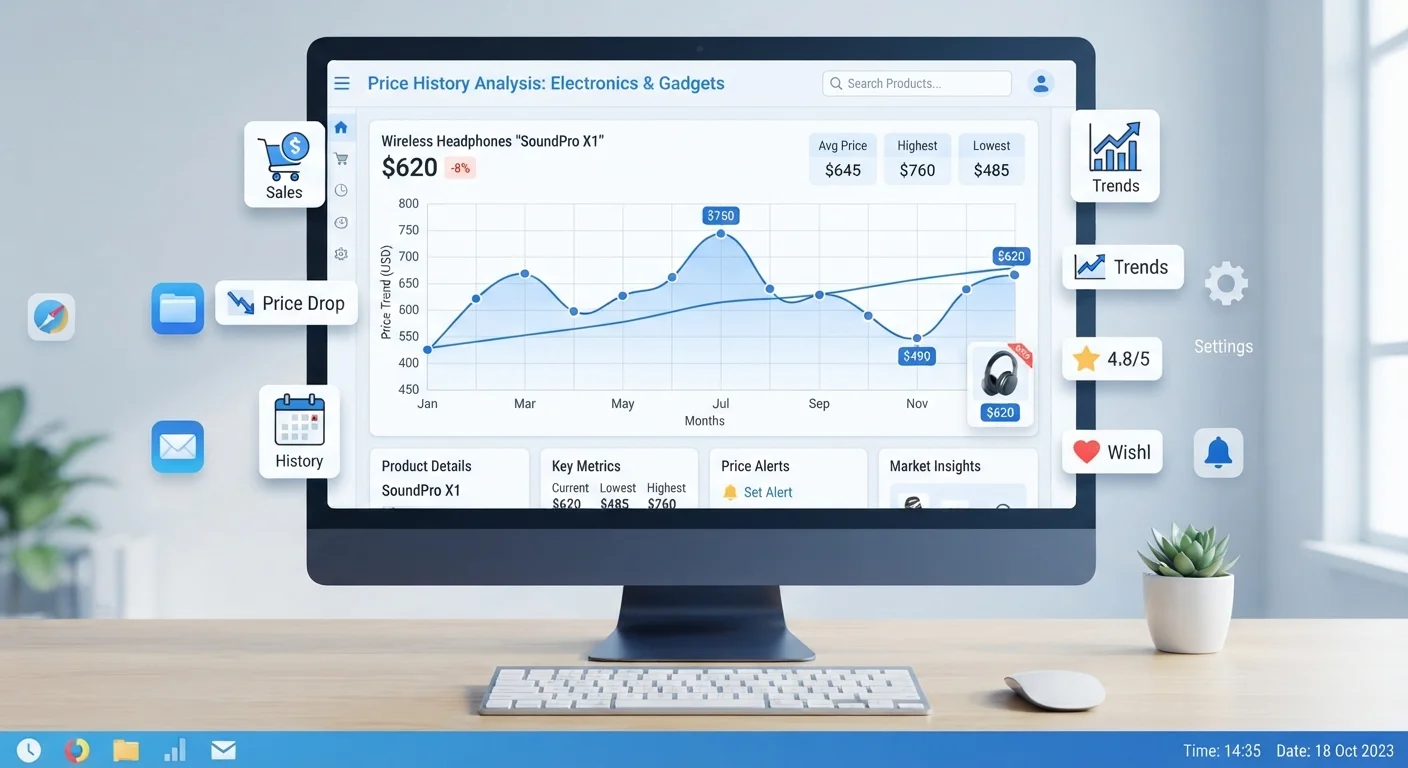
To verify whether a reference price is meaningful, use a price history tool before purchasing. Price history charts show what a product actually sold for over time, not just what a retailer claims it used to cost.
| Common name for fake original prices | Phantom pricing or fictitious pricing (FTC Guides Against Deceptive Pricing) |
| Regulatory body covering deceptive pricing in the U.S. | Federal Trade Commission (FTC) |
| Where drip pricing most commonly appears | Travel, ticketing, and subscription checkout flows |
| Most reliable check against inflated reference prices | Price history tools and cross-retailer comparison |
| Unit price label requirement | Required in many U.S. grocery and drugstore contexts (Fair Packaging and Labeling Act) |
Drip Pricing, Urgency Nudges, and Other Checkout Tactics
Drip pricing works by separating mandatory fees from the displayed product price. You add an item to your cart at one price and arrive at checkout to find service fees, processing charges, or mandatory add-ons have inflated the total. This is especially prevalent in ticketing and travel. Hidden costs in product listings follow a similar logic - the advertised number rarely reflects what you will actually pay.
Urgency nudges - countdown timers, low-stock alerts, 'limited time' banners - are behavioral design tools intended to shorten your decision window. Research in consumer psychology consistently finds that artificial time pressure increases purchasing errors. If a deal disappears the moment you navigate away but reappears the next day, the urgency was manufactured, not real.
~76%
Shoppers who trust sale badges without verifying the original price
Consumer research consistently shows most buyers do not independently confirm a reference price before purchasing.
3-5x
Potential price variation for the same item due to dynamic pricing
Economists and consumer advocates have documented wide intra-day swings in e-commerce pricing on high-demand products.
Dynamic pricing means the price you see is personalized to signals about you: your location, browsing history, device, or even the time of day. Checking prices in a private browser window or across different devices can reveal whether you are being shown a personalized figure. For a broader picture of how these and related habits quietly add up, see where shoppers commonly overpay online.
Understanding these tactics does not require cynicism - it requires a habit of verification. Cross-checking prices across retailers, reading checkout totals before confirming, and treating urgency signals as prompts to pause rather than act are practical, low-effort defenses. For foundational deal-evaluation skills, a beginner's roadmap to smart savings covers the full picture.