
Why Overpaying Online Is So Easy to Miss
Online shopping is designed to feel frictionless - and that frictionlessness is exactly what costs shoppers money. When a purchase takes under two minutes from product page to confirmation email, there's little opportunity to pause and ask whether the price is actually fair. Most overpayment isn't the result of being careless; it's the result of shopping inside systems deliberately engineered to reduce comparison and accelerate buying.
The good news is that the same habits responsible for overspending are largely correctable once you know what to look for. For a structured way to address this, see Smart Savings for Online Shoppers: A Beginner's Roadmap, which covers price comparison and discount evaluation from the ground up.
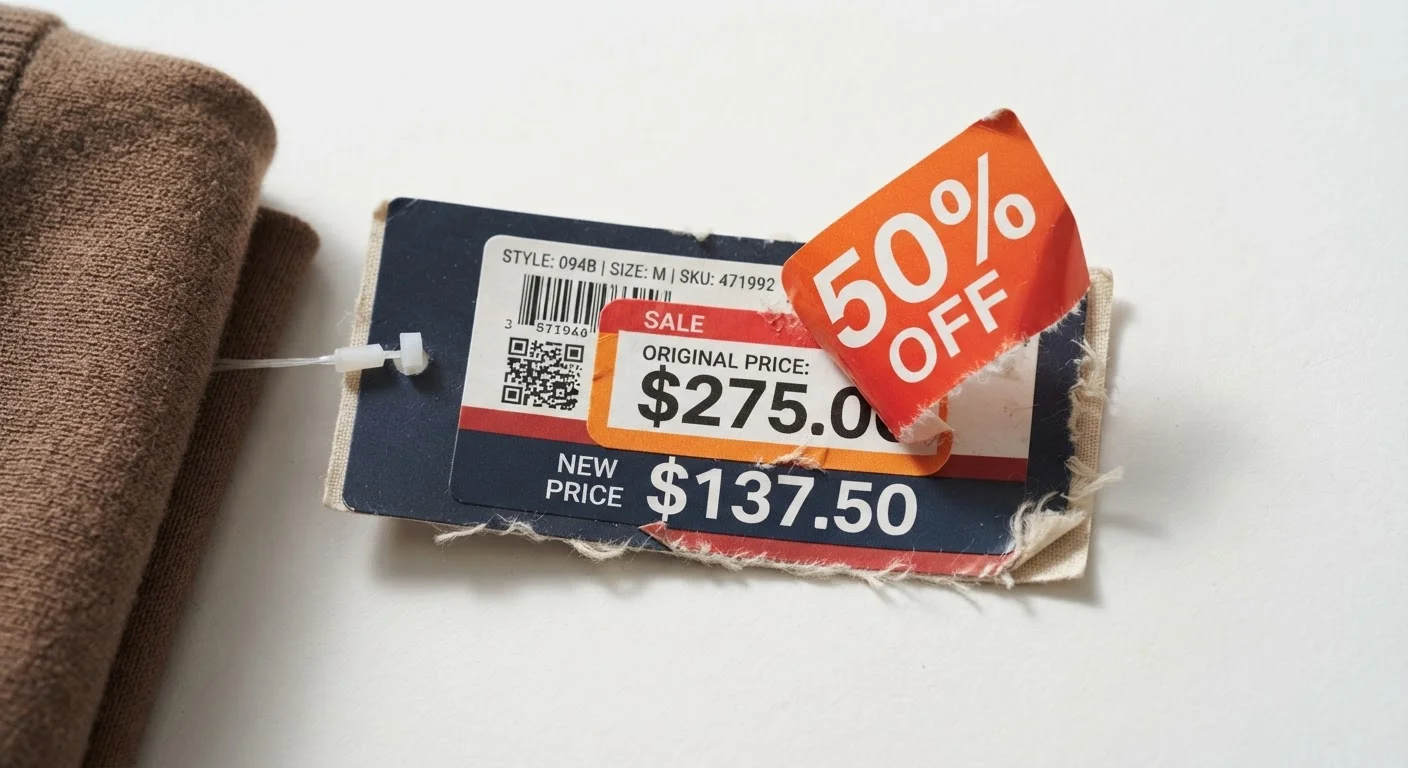
Reference Prices Are Often Inflated
Many retailers set an artificially high "original" price before applying a discount, making the markdown look more impressive than it is. Price-tracking tools that log historical data can help you verify whether the "sale" price is genuinely lower than what the item has typically sold for. Never treat a crossed-out price as proof of real savings without independent verification.
The Mistakes That Quietly Drain Your Budget
Most pricing errors aren't dramatic. They accumulate through small, repeated decisions - a shipping fee overlooked here, a fake discount accepted there. Understanding the specific patterns is the first step toward breaking them.
Trusting sale badges and percentage-off labels at face value.
Why it happens: Bright discount labels trigger a quick sense of urgency and value, and most shoppers don't stop to question how the original price was set.
Comparing prices only on the platform where you first found the item.
Why it happens: Once a shopper finds something they want, there's a natural pull toward buying right then and there - switching tabs feels like extra work.
Ignoring shipping, taxes, and handling fees until the final checkout screen.
Why it happens: Product listings are designed to lead with the sticker price; additional costs are disclosed only at the end of the checkout flow, where abandoning the cart feels wasteful.
Acting on countdown timers and "only X left in stock" alerts without verifying scarcity.
Why it happens: These tactics exploit loss aversion, a well-documented cognitive bias where fear of missing out outweighs rational evaluation.
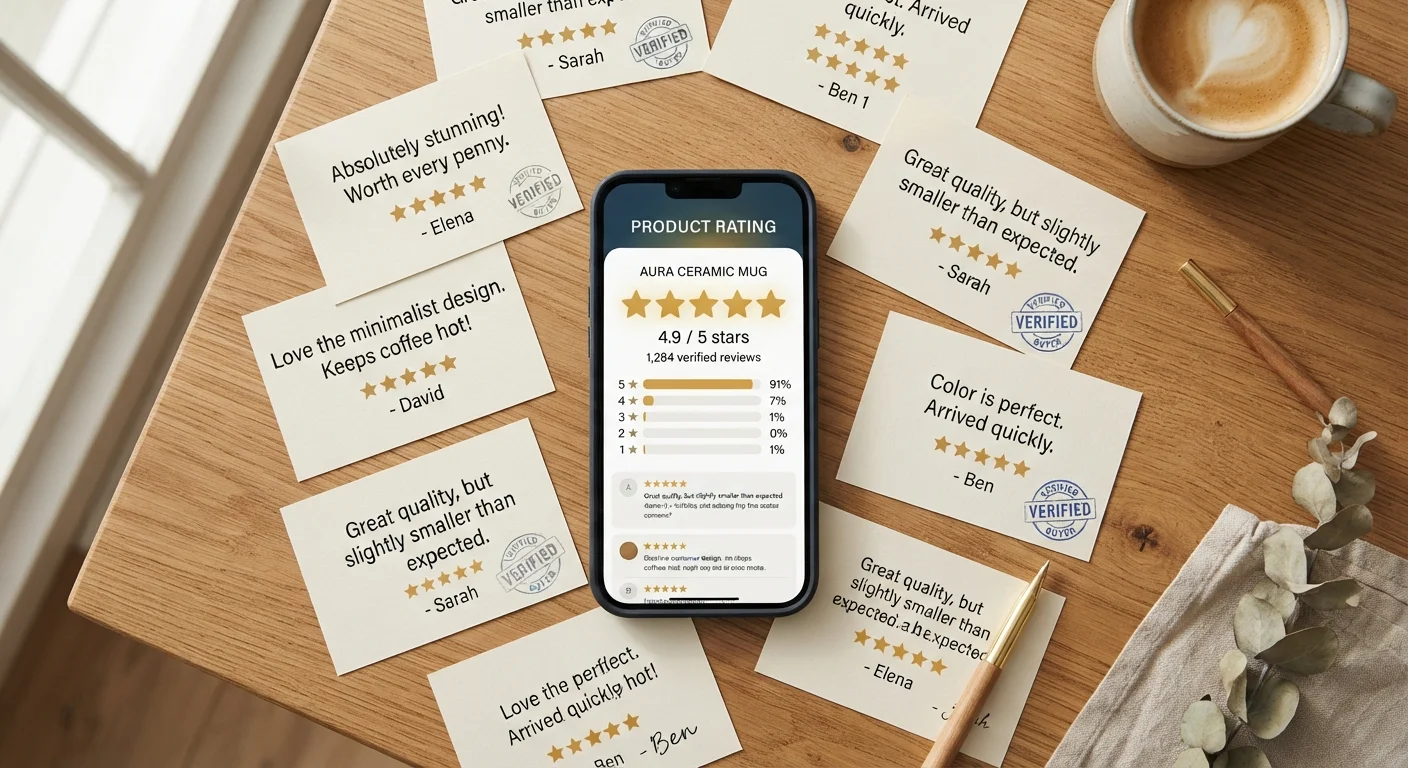
Relying on star ratings alone to judge product quality and value.
Why it happens: High aggregate scores feel like social proof, and most shoppers don't have time to read dozens of individual reviews.
Skipping a final pre-purchase check for available coupon codes or cashback offers.
Why it happens: Shoppers assume discounts are already applied, or they don't know where to look for additional savings at checkout.
Before your next purchase, consider running through the checklist in Before You Click "Buy": A Pre-Purchase Savings Checklist to catch these errors in real time.
~60%
Shoppers who don't check prices across multiple retailers
Research from consumer behavior studies consistently finds that a majority of online shoppers purchase from the first retailer they visit without comparing prices elsewhere.
30%+
Reviews estimated to be fake or incentivized on major platforms
Independent analyses of large retail marketplaces have found that a significant share of product reviews show markers of manipulation, including review clustering and unverified purchase patterns.
Building Habits That Close the Gap
Correcting these patterns doesn't require becoming a deal-hunting expert or spending extra time on every purchase. A few consistent behaviors - checking price history, calculating the full checkout cost, and pausing before responding to urgency prompts - are enough to meaningfully reduce what you pay over time.
Shoppers who want to understand the broader landscape of misleading discount tactics can find more in Shopping Myths That Cost Consumers Real Money and The Anatomy of a Genuine Online Deal. For safety-related concerns beyond pricing - including how to evaluate unfamiliar retailers - Safe Online Buying is a useful starting point.
Urgency Tactics Are Designed to Bypass Rational Decisions
Countdown timers, low-stock alerts, and flash-sale windows are standard merchandising tools - not neutral information. They are specifically designed to compress the time you spend evaluating a purchase. When you feel a sudden pressure to buy immediately, that feeling is the tactic working as intended. Taking a short pause - even just stepping away for a few minutes - can neutralize its effect and give you space to verify whether the deal is real.