Why These Tactics Work on Almost Everyone
Urgency messaging isn't a modern invention - retail has used time pressure and scarcity for generations. What changed is the precision. Online platforms can display personalized countdown timers, dynamically updated stock counts, and purchase-activity notifications ("12 people are viewing this right now") at scale, with near-zero cost. The result is a shopping environment engineered to feel perpetually urgent.
The psychological mechanism behind these cues is well-documented: people tend to assign higher value to things they believe are scarce or about to become unavailable. This is sometimes called the scarcity heuristic. Combined with loss aversion - the tendency to feel losses more acutely than equivalent gains - urgency cues can trigger spending decisions that bypassed the shopper's normal evaluation process.
Importantly, this isn't a character flaw. These responses are deeply ingrained cognitive tendencies that affect nearly all consumers. Recognizing the mechanism is the first step to working around it.
“The sense of urgency that scarcity creates is one of the most powerful forces in consumer decision-making - and one of the easiest to manufacture artificially.”
— Robert Cialdini, Social psychologist and author of 'Influence: The Psychology of Persuasion'
Countdown Timers: What They Actually Measure
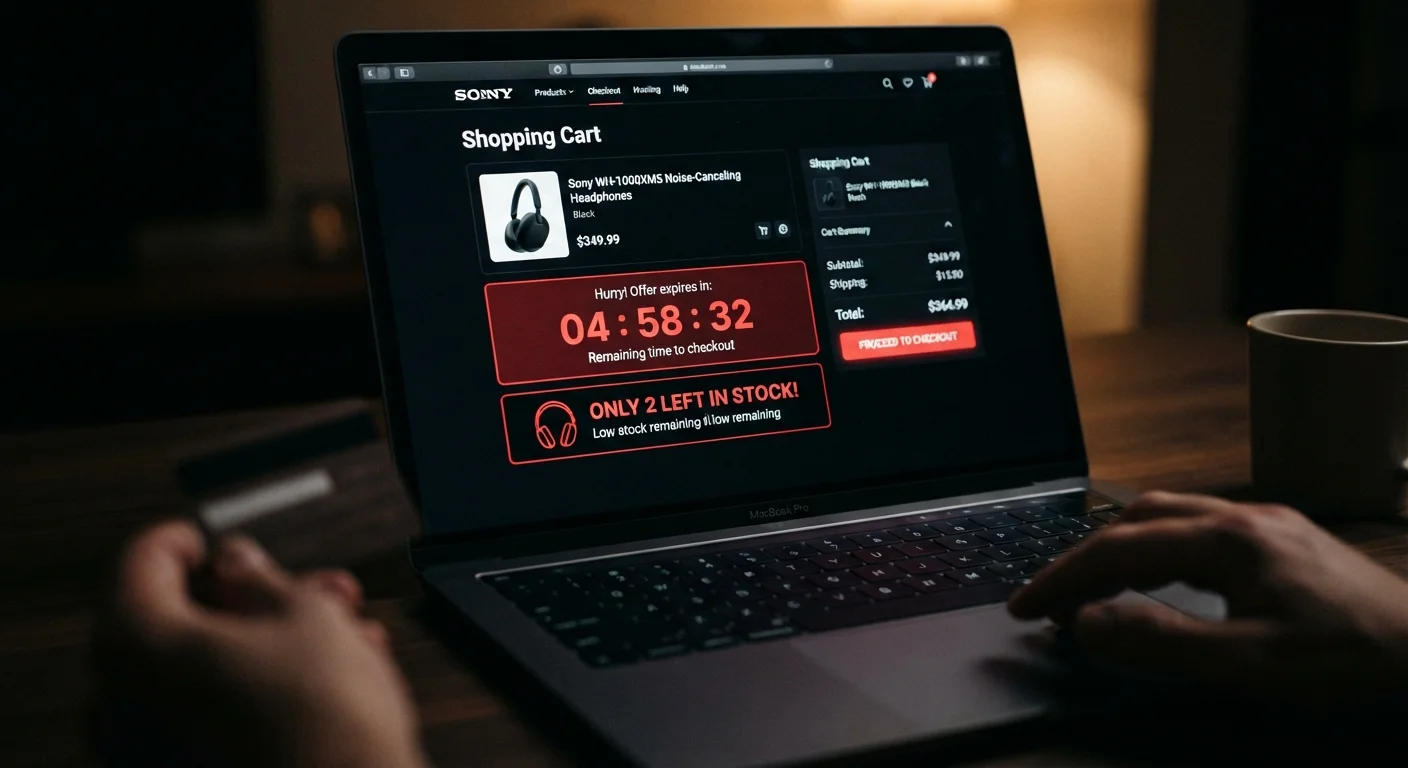
A countdown timer on a product page typically signals one of three things: a real promotional deadline tied to a specific sale event, an arbitrary time window that resets automatically, or a personalized timer triggered by your browsing session. Only the first type reflects a genuine constraint on the offer.
To distinguish them, check the same product in a private browser window or on a different device. If the timer shows a different number - or has reset - it is almost certainly session-based and not tied to a real inventory or pricing deadline. You can also revisit the page after the timer hits zero. If the price holds, the countdown was cosmetic.
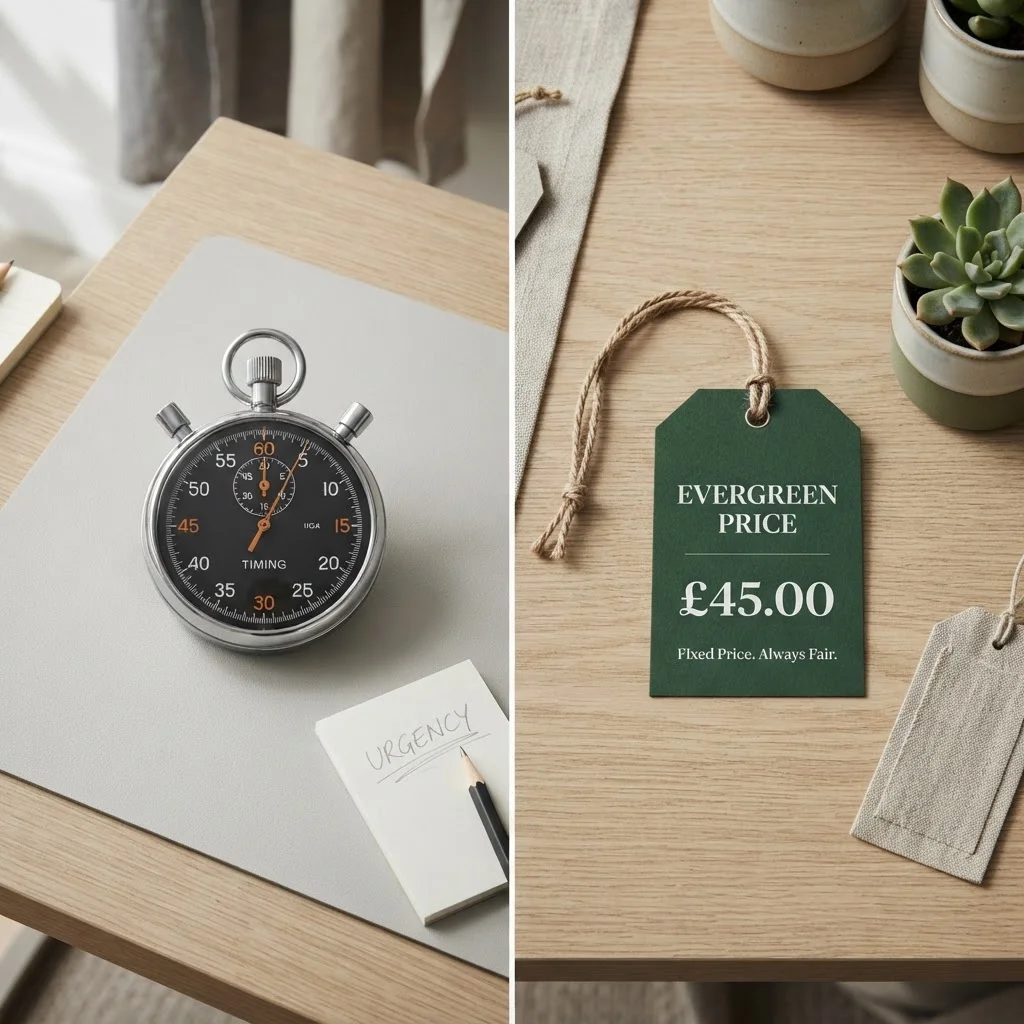
Flash sales and evergreen discounts work differently from each other, and knowing which type of promotion you're looking at helps you assess whether the timer is meaningful. Many standing discounts have no expiration at all.
Test Any Timer Before You Trust It
Open the product page in a private or incognito browser window while the timer is running. If the countdown shows a different number from what you saw in your main browser, the timer is session-based and not a real deadline. You can also simply wait for the timer to expire and reload the page - if the price is unchanged, the urgency was cosmetic.
Low-Stock Alerts and the Manufactured Scarcity Problem
"Only 2 left in stock" is among the most common urgency signals in e-commerce. When accurate, it's genuinely useful information. When inaccurate or automated, it's a nudge designed to accelerate checkout before you've finished evaluating the purchase.
Some retailers set these alerts to trigger at a fixed threshold (say, under 10 units remaining) regardless of how quickly the item is actually selling. Others display them permanently for products that are continuously restocked. A small subset of platforms have been found to show low-stock notices even when inventory is ample - a practice that regulators in several countries have flagged as potentially deceptive.
~60%
Online shoppers influenced by scarcity messaging
Research in consumer psychology consistently finds that a majority of shoppers report scarcity cues make them more likely to complete a purchase, even when they cannot verify the claim.
24 hours
Delay that significantly reduces impulse purchases
Consumer behavior studies suggest that introducing even a short waiting period between browsing and purchase substantially reduces unplanned spending driven by pressure tactics.
Up to 400%
Inflated "original" price markup observed in audits
Investigations by consumer advocacy groups have documented cases where reference prices used to calculate discount percentages were artificially high, making ordinary prices appear as significant sales.
A practical check: search for the same product on another platform. If it's widely available elsewhere with no scarcity notice, the alert on the original site is less likely to reflect a genuine supply situation. The habits that lead to overpaying online often include trusting these signals without cross-referencing.
FTC Guidance on Deceptive Pricing
The Federal Trade Commission has issued guidance stating that promotional claims - including scarcity and urgency statements - must be truthful and substantiated. Retailers are not permitted to display fictitious original prices or fabricate stock shortages to drive sales. If you encounter what appears to be a systematically false urgency claim, the FTC's online complaint portal accepts consumer reports. This is general information; for specific legal questions, consult a qualified attorney.
Building a Habit That Resists Pressure
The most durable defense against urgency traps isn't skepticism alone - it's a consistent pre-purchase routine. Before completing a checkout driven by a timer or stock alert, it's worth asking three questions: Do I actually need this item now? Have I checked the price history to confirm this is a genuine low? Is this available elsewhere at a similar or lower price?
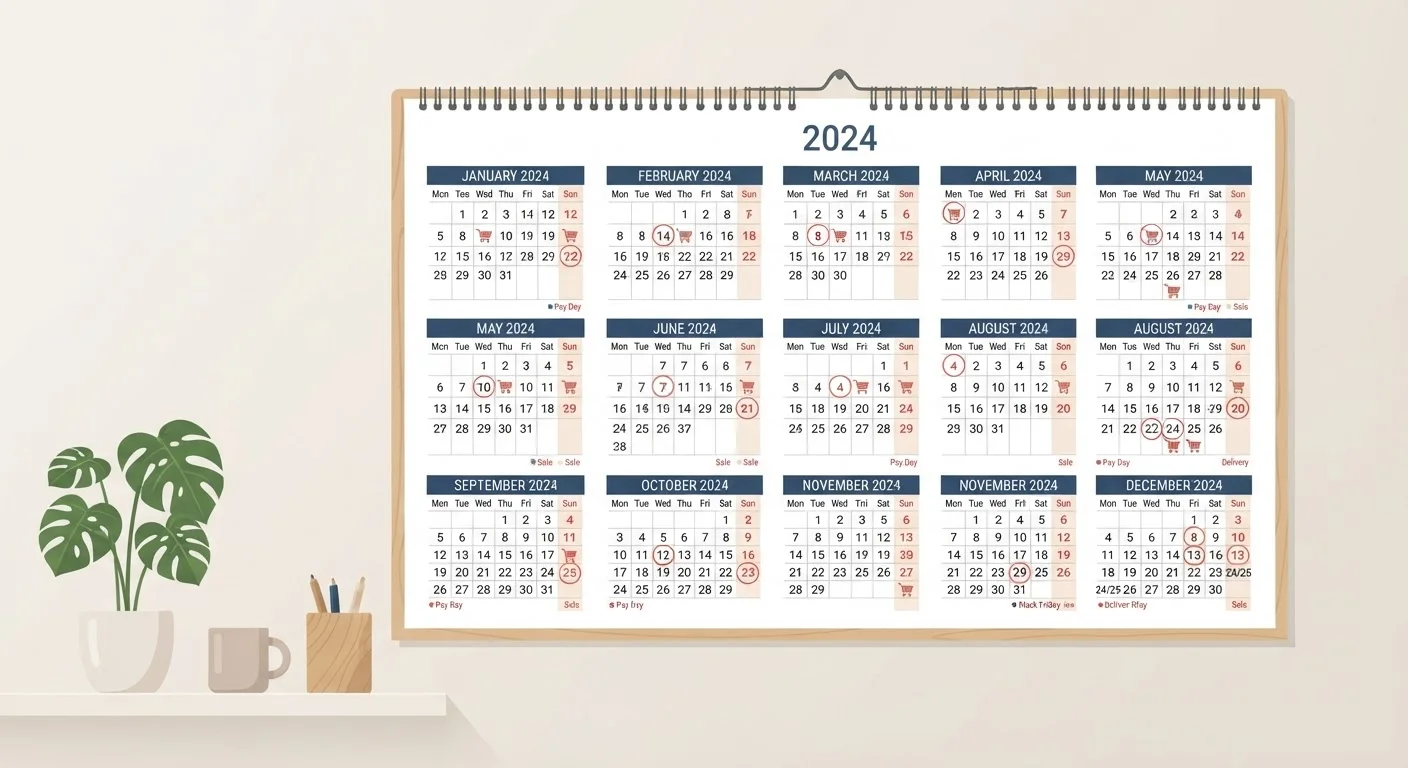
These checks take two to five minutes and can be done with free, widely available tools. Price history browser extensions log past prices on major retail sites, so you can see at a glance whether a "sale" price is actually lower than what was available last month. Seasonal price cycles also provide useful context - many product categories follow predictable discount patterns that make urgency cues easier to evaluate.
Over time, treating urgency signals as prompts to pause rather than act produces better purchasing outcomes. It shifts the dynamic from reactive to deliberate. For readers building longer-term money habits, the principles discussed here connect directly to broader savings and goal-setting strategies that reward consistent, low-pressure decision-making over impulse spending.