What Each Discount Structure Actually Is
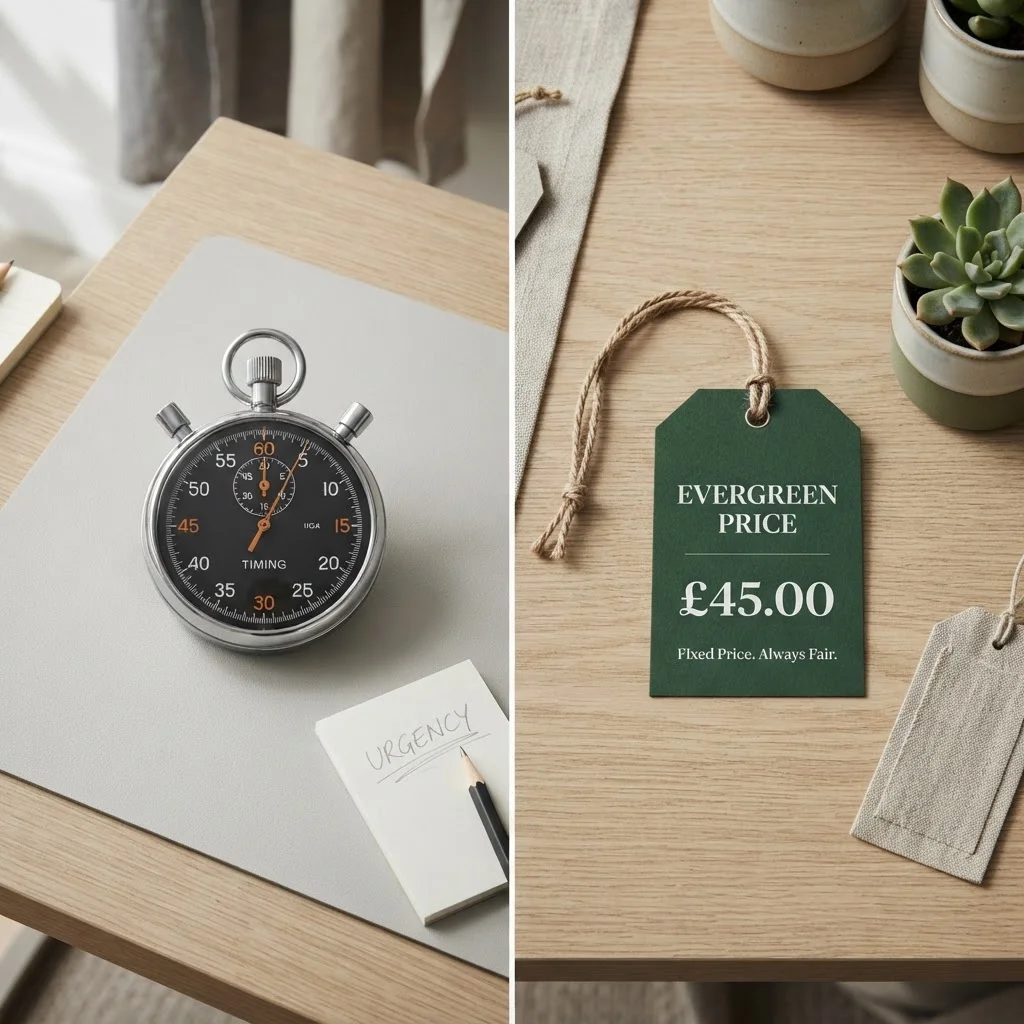
A flash sale is a time-bounded price reduction - often lasting anywhere from a few hours to 48 hours - designed to trigger quick purchase decisions. Retailers use them to clear inventory, boost traffic, or create event-style excitement around a shopping moment. The defining characteristic is the deadline, which is meant to make waiting feel costly.
An evergreen discount is a standing price reduction that doesn't expire on a posted schedule. Examples include member pricing, everyday low-price commitments, permanent sale sections, and subscription discounts. The savings are always there when you're ready to buy.
Understanding this structural difference is the first step toward evaluating which type of discount is actually working in your favor. For a broader foundation, see this beginner's roadmap to smart savings.
| Criterion | Flash Sales | Evergreen Discounts |
|---|---|---|
| Time pressure | High - hours to 48 hours | None - available indefinitely |
| Discount depth | Variable; often inflated baseline | Moderate but consistently real |
| Stackability with coupons | Usually restricted | Often permitted |
| Ease of price verification | Harder under time pressure | Easy - shop at your own pace |
| Impulse purchase risk | High | Low |
| Predictability for budgeting | Low - sporadic and unannounced | High - consistent and plannable |
The Psychology Behind Flash Sale Urgency
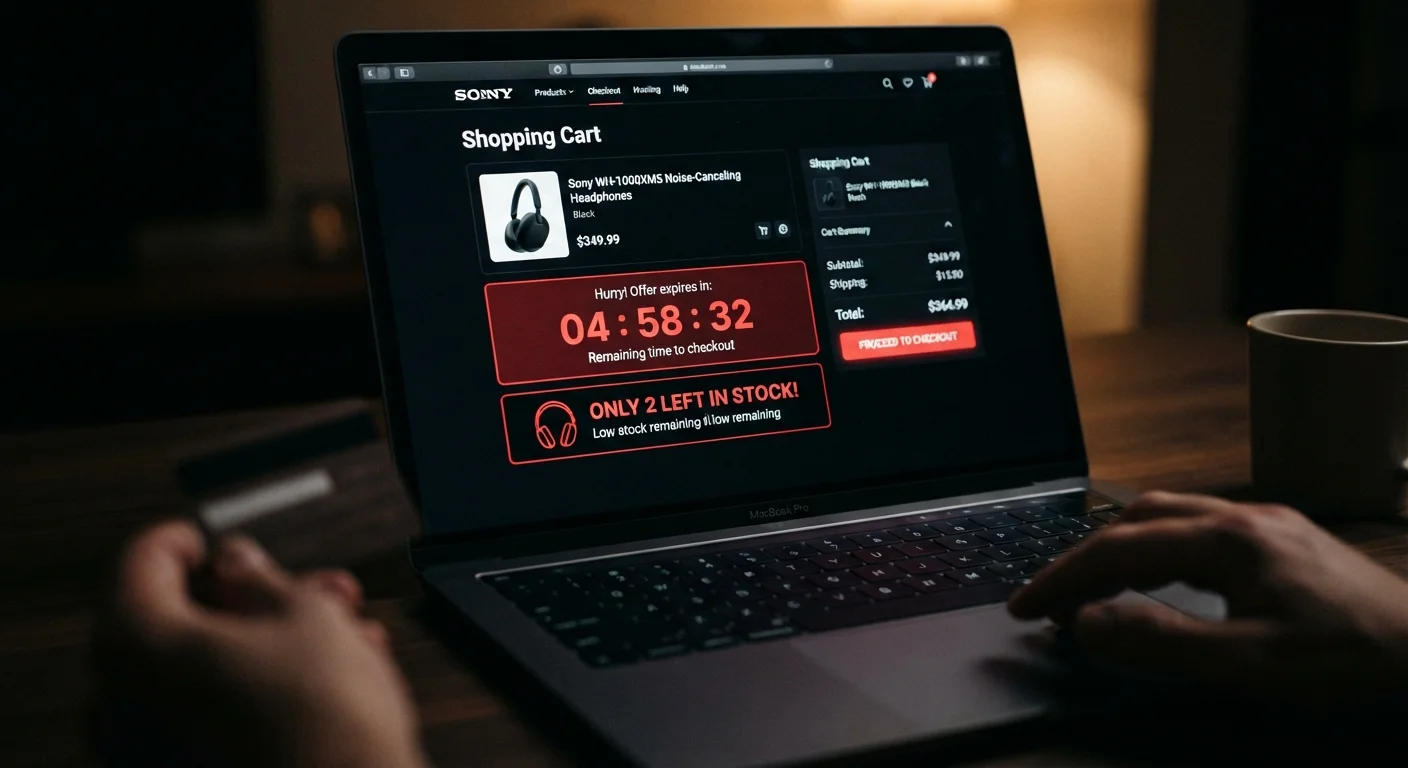
Flash sales borrow heavily from scarcity psychology. Countdown timers, "only X left" notices, and limited-quantity framing all activate a fear of missing out that can override careful deliberation. Retailers are well aware that urgency compresses decision-making - and that's precisely the intent.
This doesn't make flash sales inherently deceptive, but it does mean the conditions favor the retailer, not the shopper. When you feel pressed to decide in minutes, you're less likely to check price history, compare alternatives, or ask whether you actually need the item. Understanding how countdown timers and low-stock alerts influence spending can help you separate pressure tactics from genuine price opportunities.
The practical risk: you may "save" 30% on something you wouldn't have bought at full price, which isn't savings - it's a differently priced impulse purchase.
~59%
Shoppers who regret impulse purchases
A survey by CreditCards.com found roughly 59% of Americans have made an impulse purchase they later regretted, with sales and limited-time offers among the top triggers.
Up to 40%
Flash "discounts" that aren't true price drops
Consumer research and price-tracking analyses have found a significant share of flash sale prices match or exceed a product's average selling price in the months prior.
How to Verify Whether Either Discount Is Real
The single most reliable tool for evaluating any discount - flash or evergreen - is price history data. Browser extensions and dedicated price-tracking sites record historical prices for many major retailers, letting you see whether a "sale" price is actually lower than the item's typical selling price.
Common patterns worth watching for:
- Inflated reference prices: A product listed as "was $100, now $60" may have spent most of its life at $60. The "original" price becomes a benchmark that was never really in play.
- Cyclical flash events: Some retailers run the same flash sale repeatedly at the same discount, undermining the urgency framing entirely.
- Evergreen discounts on marked-up baselines: A standing 20% member discount can still be pricier than a competitor's standard rate.
What separates a true price drop from a marketing illusion is a question worth asking before any purchase, regardless of how the discount is framed. Price verification takes two minutes and is the most effective consumer habit you can build.
Price History Tools Are Freely Available
Several browser extensions and web-based tools archive pricing data for products listed on major retail platforms, making it straightforward to check whether a listed sale price is actually lower than the historical norm. Using these tools before purchasing - whether during a flash event or a standing sale - takes little time and removes much of the guesswork from discount evaluation. No account or subscription is typically required for basic price history lookups.
Stacking and Combining Discount Types
One practical advantage evergreen discounts hold over flash sales is combinability. Standing price reductions are more likely to stack with coupon codes, cashback portals, and loyalty rewards because they don't come with the exclusionary fine print that many flash promotions carry.
Flash sales often explicitly prohibit stacking: "discount code cannot be applied to sale items" is a common restriction. This means the headline percentage may represent your ceiling, not a starting point for further savings.
Evergreen pricing, by contrast, can sometimes be layered with coupon codes, cashback, and price tracking used together to produce a more meaningful total reduction. That layering approach rewards patient, methodical shoppers rather than fast-clicking ones.
It's also worth comparing both discount types against loyalty programs that genuinely pay off, since some standing-member pricing is bundled with point systems that may or may not suit your shopping habits.
When Flash Sales Genuinely Deliver
Flash events aren't universally misleading. Under specific conditions, they can represent real value:
- You've tracked the item's price for several weeks and confirmed the flash price is the lowest recorded.
- The product is something you intended to buy regardless - the sale moved up your timeline, not your decision.
- The retailer has a transparent, verifiable pricing history and doesn't routinely inflate reference prices.
Certain product categories - consumer electronics after a model refresh, seasonal apparel at end-of-season - do follow predictable discount cycles where flash events align with genuine price floors. Timing purchases around predictable price cycles can help you anticipate when flash events are likely to offer real markdowns versus theatrical ones.
For a complete framework covering both verification and stacking strategies, this full walkthrough on identifying and capturing real online discounts covers the subject in depth.