The Core Difference: Whose Money Is at Risk?
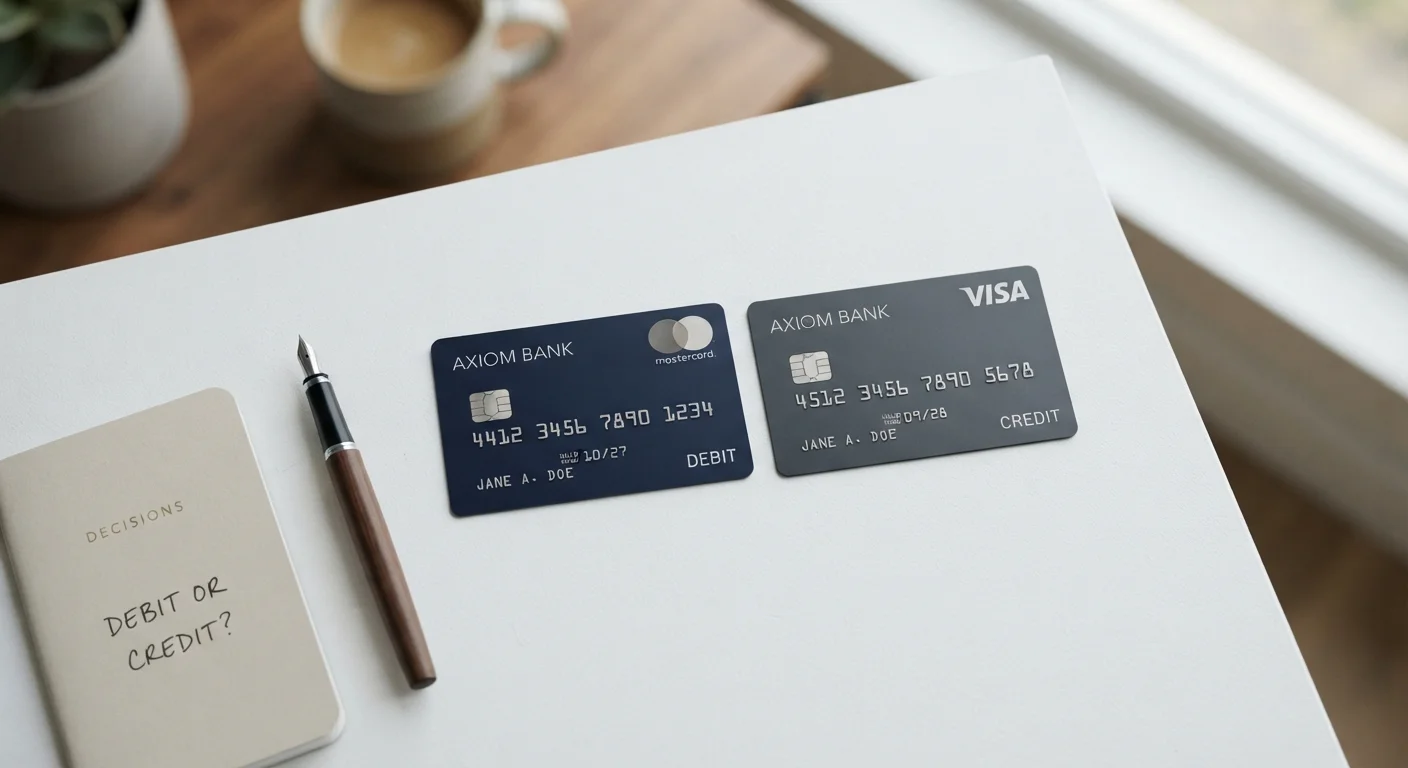
Both cards swipe the same way and display similar logos, but their fundamental mechanics differ in a way that matters most when something goes wrong. A debit card pulls money directly from your checking account the moment a transaction is approved. A credit card charges a line of credit - your bank's money, temporarily - and you pay the balance later.
That separation is not just an accounting detail. When fraud occurs on a credit card, your actual cash stays untouched while the dispute is handled. With a debit card, the money is already gone from your account, and you may be left short on rent or groceries while waiting for a bank investigation to conclude.
For a broader look at how these and other payment methods compare, see our guide to paying online.
Federal Protections: What the Law Actually Says
Two separate federal laws govern card fraud liability, and they treat debit and credit cards differently.
The Fair Credit Billing Act (FCBA) covers credit cards. It caps your liability for unauthorized charges at $50, and most major card networks go further by offering $0 liability policies voluntarily. Crucially, you can dispute charges for goods that were not delivered, misrepresented, or defective - giving you meaningful leverage with merchants.
The Electronic Fund Transfer Act (EFTA) governs debit cards. Your liability depends on how quickly you report the problem. Report before any unauthorized charges occur and you owe nothing. Report within two business days and liability is capped at $50. Wait between two and 60 days and that cap jumps to $500. After 60 days, you may bear unlimited liability for losses that occurred after that window.
| Criterion | Debit Card | Credit Card |
|---|---|---|
| Money at risk during fraud | Your actual bank funds | Issuer's credit line |
| Governing federal law | Electronic Fund Transfer Act | Fair Credit Billing Act |
| Max fraud liability (if reported promptly) | $0-$50 (within 2 days) | $50 (often $0 by policy) |
| Liability if reported late (60+ days) | Potentially unlimited | Still capped at $50 |
| Merchant dispute / chargeback rights | Narrower, varies by bank | Broader under FCBA |
| Impact on cash flow during dispute | Funds may be unavailable | No impact on cash |
These timelines make prompt reporting critical with debit cards - a habit worth building regardless of which card you use. Before entering any card number online, it also pays to verify you're on a legitimate site. Our pre-purchase security checklist walks through the key checks.
Chargeback Rights and Dispute Leverage
A chargeback is a forced reversal of a transaction, initiated through your card issuer rather than the merchant. Credit card holders generally have broader chargeback rights - including disputes over items not received, significantly not as described, or services never rendered. The FCBA explicitly backs these rights.
Debit card chargebacks exist, but they operate under different rules and tend to be narrower in practice. Most debit disputes center on unauthorized transactions rather than merchant disputes (e.g., a seller who ships the wrong item). The outcome also varies by bank policy, not just federal law.
Debit Cards with Visa/Mastercard Logos
Debit cards bearing a Visa or Mastercard logo often include some network-level fraud protections beyond the EFTA baseline, such as voluntary $0 liability programs. However, these are network policies - not federal law - and may have conditions or exceptions. Always verify the specific terms with your card issuer rather than assuming full coverage applies.
One practical layer of protection worth considering: using a digital wallet instead of entering card details directly can limit the number of merchants who ever see your actual card number, reducing exposure for either card type.
Practical Tips for Safer Online Card Use
Understanding the rules is useful, but a few habits reduce your chances of needing them in the first place.
73%
Of U.S. adults who shop online regularly
According to Pew Research Center surveys, a substantial majority of U.S. adults report making online purchases, underscoring how broadly card security matters.
2 days
Debit reporting window for lowest liability
Under the Electronic Fund Transfer Act, reporting unauthorized debit card use within two business days limits your liability to $50.
- Monitor statements regularly. Catching unauthorized charges early is especially important for debit cards, given the time-sensitive liability windows.
- Use virtual card numbers when available. Some banks and credit card issuers offer single-use or merchant-locked card numbers for online purchases.
- Avoid debit cards on unfamiliar sites. Reserve debit for merchants you trust and in-person transactions where risks are lower.
- Keep contact information current with your bank. Faster fraud alerts require the bank to be able to reach you.
Your credit standing is a separate but related consideration when using credit regularly. If you'd like to understand how credit card activity feeds into your financial profile, our explainer on credit reports vs. credit scores covers the distinction clearly.
This article provides general financial information for educational purposes only and is not personalized financial or legal advice. Consult a qualified financial professional for guidance specific to your situation.