Why This Checklist Exists
Online fraud doesn't always look obviously suspicious. Fraudulent storefronts increasingly mimic legitimate retailers with professional-looking layouts, reasonable prices, and familiar logos. By the time most shoppers realize something is wrong, their card details have already been captured.
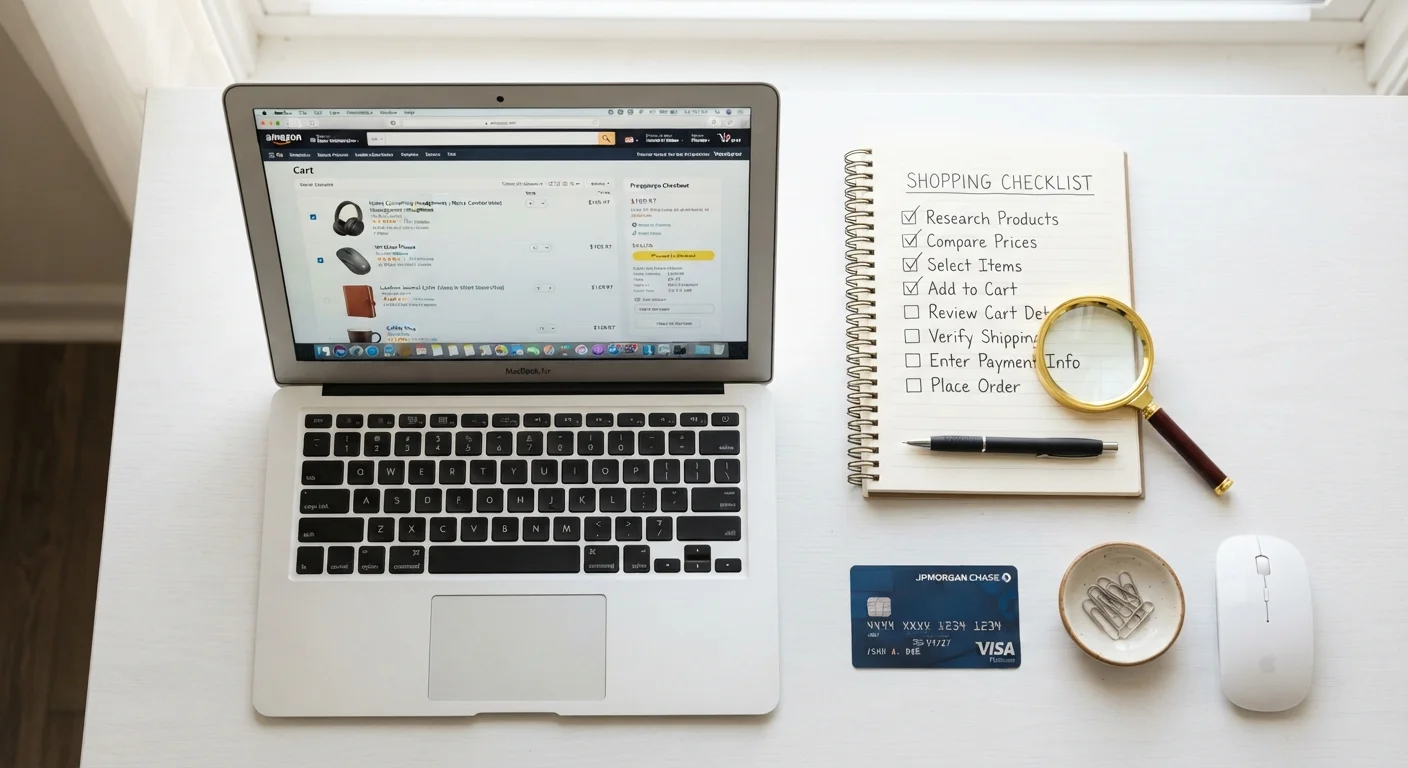
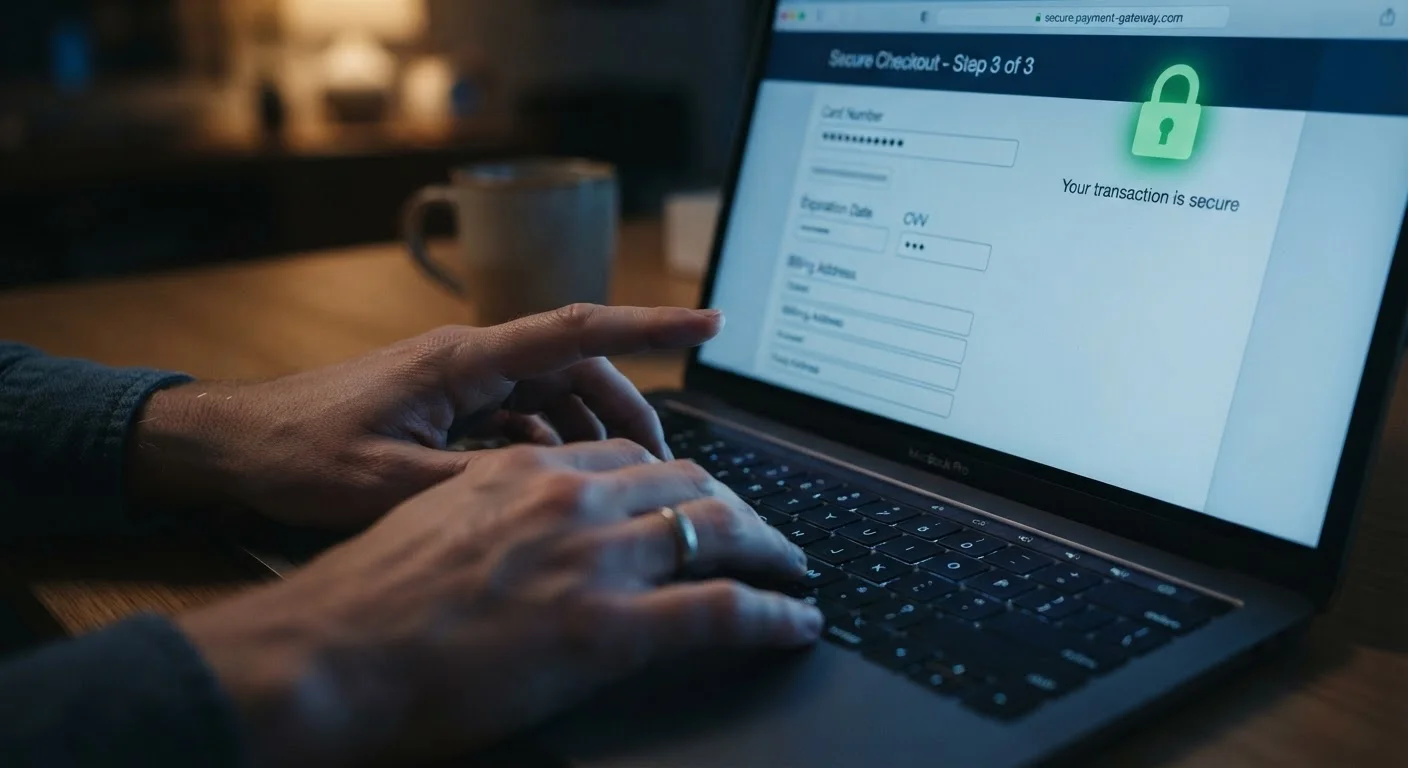
This checklist is designed to slow you down for just a few minutes at the point where risk is highest: the moment before you enter your payment information. It works alongside broader purchase research - if you haven't yet evaluated the product or seller, the pre-purchase research checklist is a good starting point. For a complete picture of safe online shopping, the end-to-end safe shopping reference covers the full process from browsing to dispute resolution.
Site Legitimacy Checks
Policy and Trust Signals
Payment Setup
Post-Purchase Preparation
Tools That Make This Easier
You don't need specialized software to run these checks. Most of the tools below are built into your browser or freely available through established public services.
Browser address bar and padlock inspector
Quickly verify HTTPS status and view SSL certificate details without installing anything.
WHOIS domain lookup (e.g., ICANN Lookup)
Check the registration date and registrant information for any domain you're unfamiliar with.
Your card issuer's mobile app
Enable real-time fraud alerts, view pending charges, and initiate disputes directly.
Virtual card number feature (if offered by your issuer)
Generate a single-use or merchant-locked card number that limits exposure on unfamiliar sites.
VPN (Virtual Private Network)
Encrypt your connection when shopping on networks you don't control, such as public Wi-Fi.
Payment Method: Your Last Line of Defense
Even if you complete every check above, things can still go wrong - packages don't arrive, merchants misrepresent products, or data gets compromised in a breach unrelated to your own caution. How you pay determines how much recourse you have.
Debit Cards Offer Fewer Protections
When you pay by debit card, disputed funds may be withdrawn from your bank account immediately and can take days or weeks to be returned during an investigation - if they are returned at all. Credit cards and many digital wallets place the disputed amount on hold rather than removing it from your available balance. For purchases on unfamiliar sites, this distinction can matter significantly.
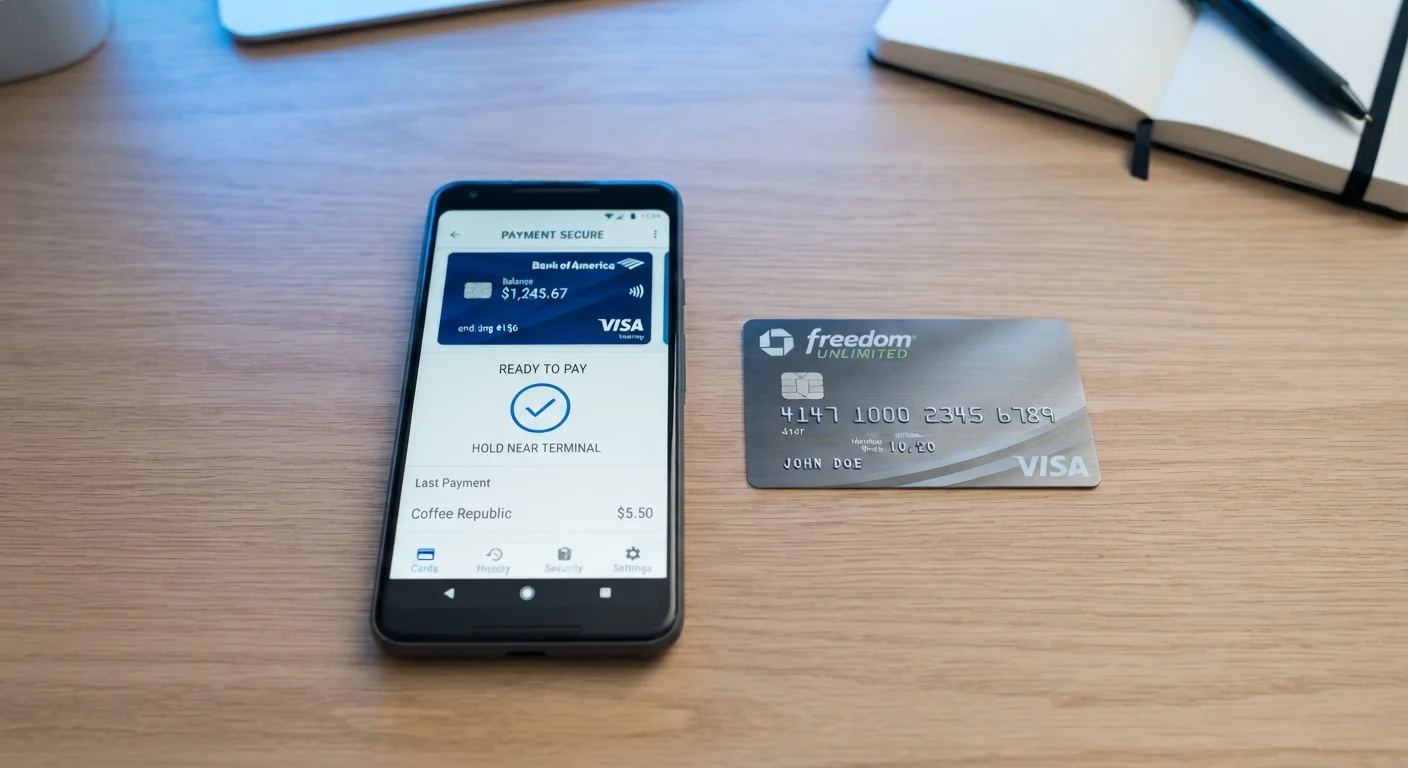
Credit cards generally offer the strongest consumer protections under U.S. law, including the right to dispute unauthorized charges. Digital wallets add a layer by keeping your actual card number away from individual merchants - the comparison of digital wallets versus entering card details directly explains the security trade-offs in plain terms. For a broader overview of how different payment methods compare, see the guide to online payment options.
Your shopping account security matters too. A fraudster who gains access to a saved-card account bypasses the checkout security checks entirely. Passwords alone aren't sufficient protection - two-factor authentication on every retail account is a meaningful safeguard, and account takeover prevention practices are worth building into your routine.
Never Enter Card Details on a Site You Can't Verify
If a site fails multiple checks in the legitimacy section above - especially a missing HTTPS connection or a checkout page that redirects to a different domain - stop the transaction entirely. No discount or urgency justifies handing payment details to an unverified destination. You can always find the same or a similar product through a seller you can properly verify.