How Each Method Actually Works
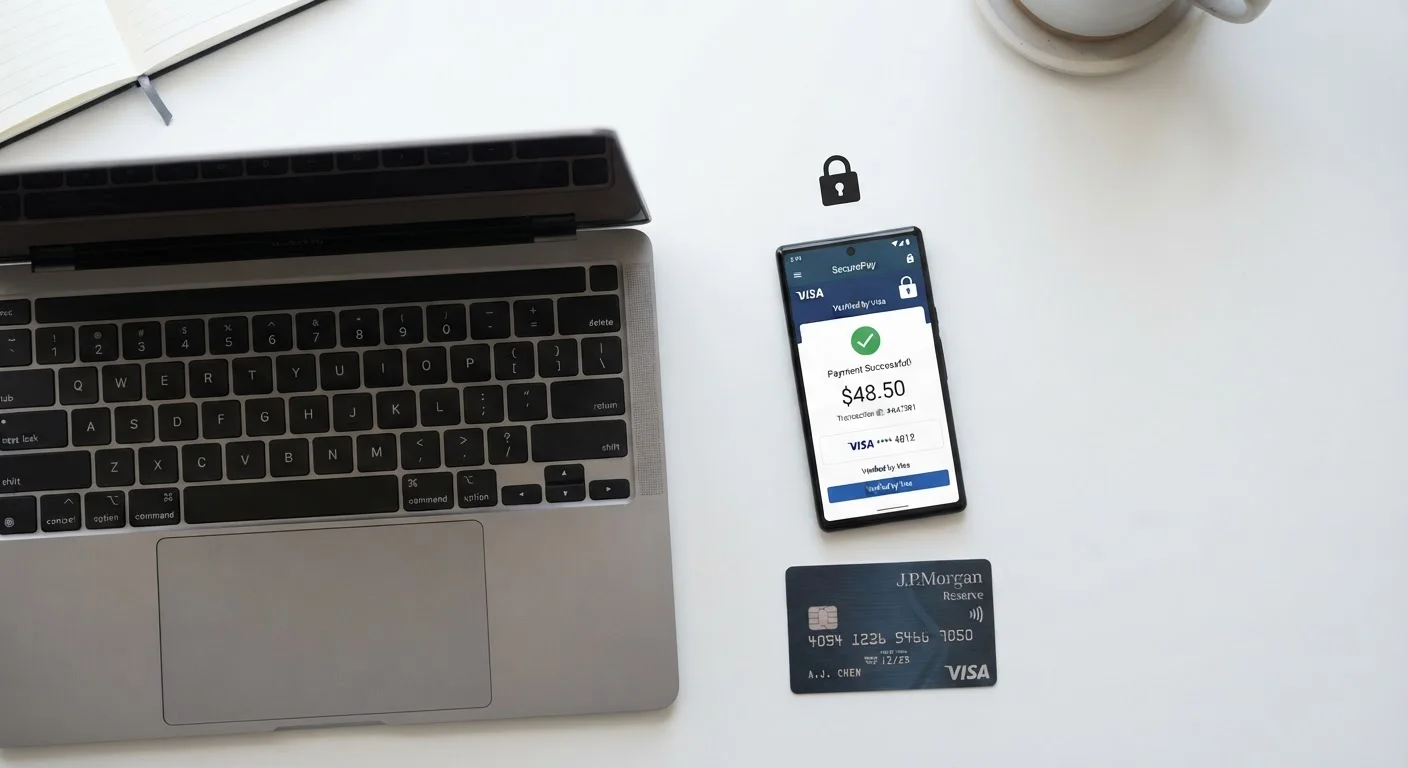
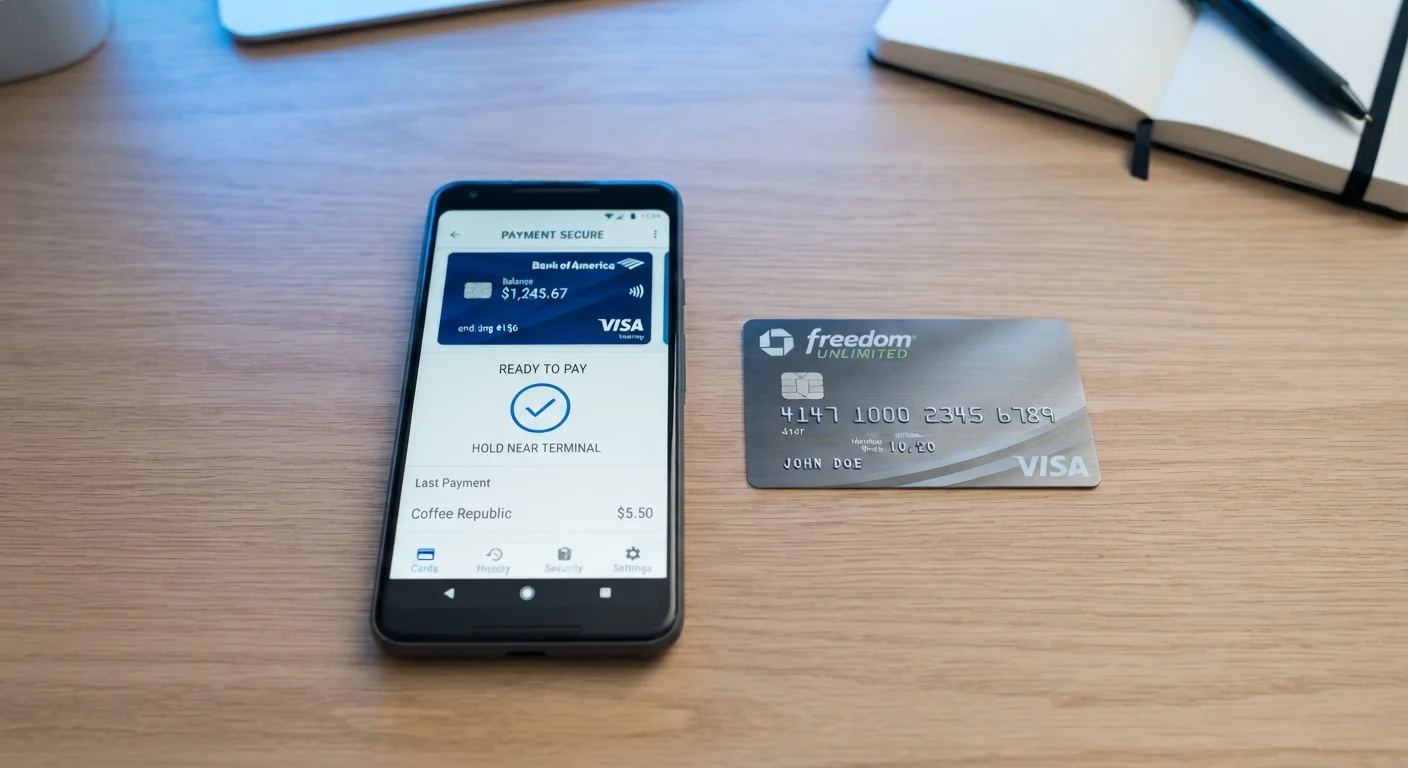
When you pay through a digital wallet - such as those built into mobile operating systems or browser payment APIs - your actual card number is never transmitted to the merchant. Instead, the wallet generates a one-time or limited-use token: a surrogate number that can only be used by that specific merchant in that transaction. Your real card details stay with the wallet provider and the card issuer.
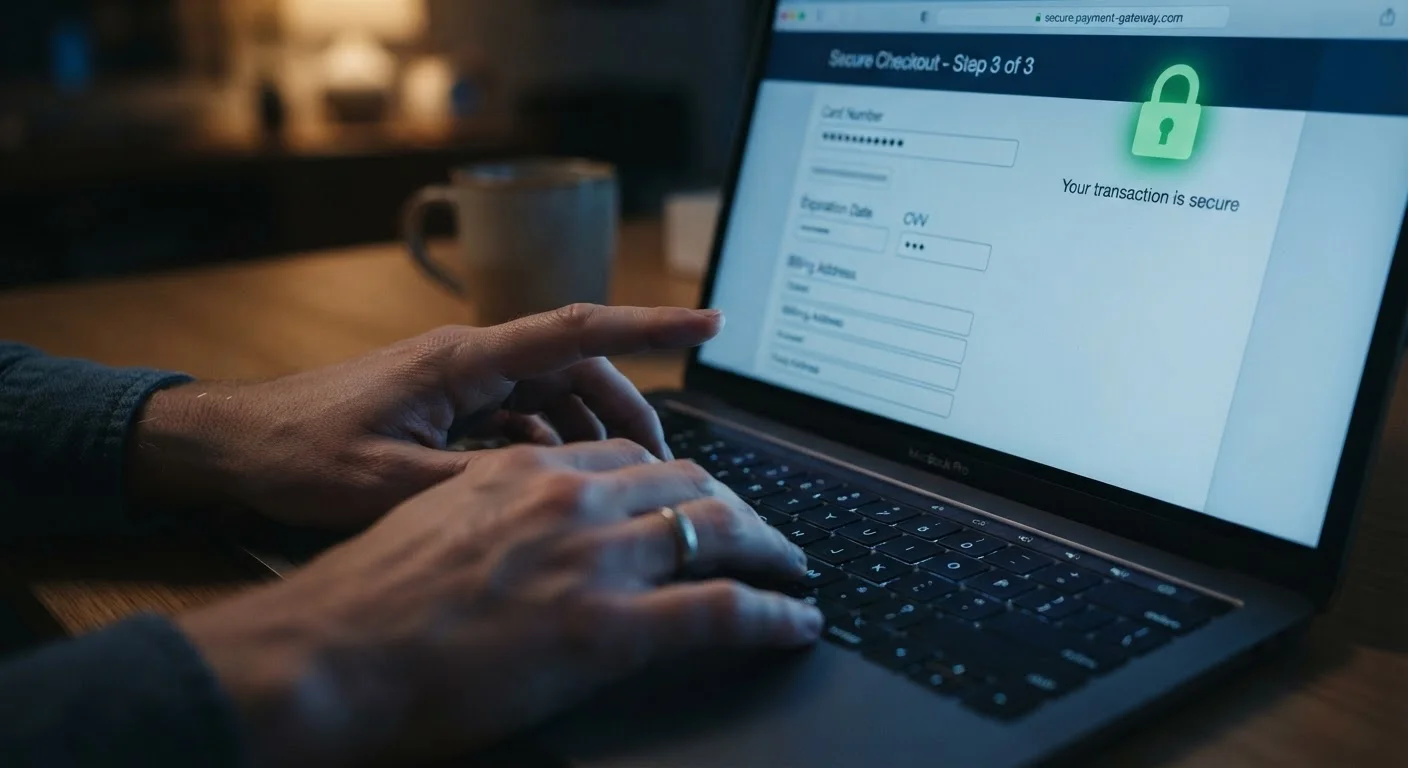
When you enter card details directly, the merchant's checkout page collects your card number, expiration date, and security code. That data passes through a payment processor to the card network and issuer. Whether or not that data is stored after the transaction depends entirely on the merchant's own policies and their payment processor's setup - something most shoppers have no visibility into.
See our plain-language guide to online payment options for a broader look at how different payment methods compare on risk and protections.
| Criterion | Digital Wallets | Entering Card Details Directly |
|---|---|---|
| Data shared with merchant | Token only (not real card number) | Full card details |
| Merchant breach exposure | Lower - token has limited reuse value | Higher - real card number at risk |
| Merchant acceptance | Varies - not universally supported | Universal |
| Setup required | Yes - account and device configuration | None |
| Authentication method | Biometric or PIN at time of payment | Card details + optional 3D Secure step |
| Transaction record clarity | May show wallet provider, not merchant | Merchant name appears directly |
| Fraud dispute process | Through card issuer (wallet adds a layer) | Directly with card issuer |
The Security Trade-Offs in Plain Language
The central security advantage of a digital wallet is data minimization - fewer places hold your real card number, so a breach at a retailer exposes a token that has limited or no reuse value, not a card number that can be used to make fraudulent purchases elsewhere.
Direct card entry isn't inherently insecure. Reputable merchants use PCI DSS-compliant payment processors and encrypt data in transit via TLS. The risk rises when merchants store card data themselves, use outdated systems, or when a breach exposes their customer database. You generally can't assess these variables as a shopper.
Tokenization Is Not a Guarantee
Even when a digital wallet uses tokenization, fraud can still occur through account takeover - if someone gains access to your wallet account itself, they can initiate transactions on your behalf. Strong, unique passwords and enabling multi-factor authentication on your wallet account are essential safeguards. The token system protects your card data from merchants; it does not protect you from a compromised wallet account.
Neither method protects you if you are the weak link - reusing passwords, falling for phishing pages, or shopping on unsecured public Wi-Fi are risks that apply regardless of how you pay. Before completing any purchase, run through a pre-purchase security checklist to verify a site's legitimacy.
It's also worth noting that the underlying card type matters. Credit and debit cards carry very different fraud protections under federal law - a relevant consideration whichever payment method you use.
36%
Of US data breaches involving payment card data
Payment card data consistently appears among the most commonly compromised categories in annual breach reports published by cybersecurity research organizations.
~80%
Of large US merchants accepting digital wallet payments
Acceptance has grown substantially at major retailers, though smaller and specialty merchants often still require direct card entry.
Practical Considerations Beyond Security
Security isn't the only factor worth weighing. Digital wallets require setup, are not accepted at every merchant, and add a dependency on a third-party platform whose policies can change. If you lose access to your wallet account, resolving disputes or recovering transaction records can become more complicated.
Entering card details directly is universally accepted, gives you a clear paper trail with the merchant, and doesn't require trusting an intermediary platform. For shoppers who track spending carefully - such as those using a structured budgeting approach like the one described in envelope budgeting adapted for digital spending - seeing exact merchant names on statements without wallet intermediaries can simplify reconciliation.
Whichever method you choose, monitoring your card statements regularly for unrecognized charges remains the most reliable fraud detection tool available to you. Report suspicious transactions to your card issuer promptly - delays can affect your dispute rights.
This article is for general informational purposes only and does not constitute financial or legal advice. For questions about your specific account protections or fraud liability, contact your card issuer or a qualified financial professional.