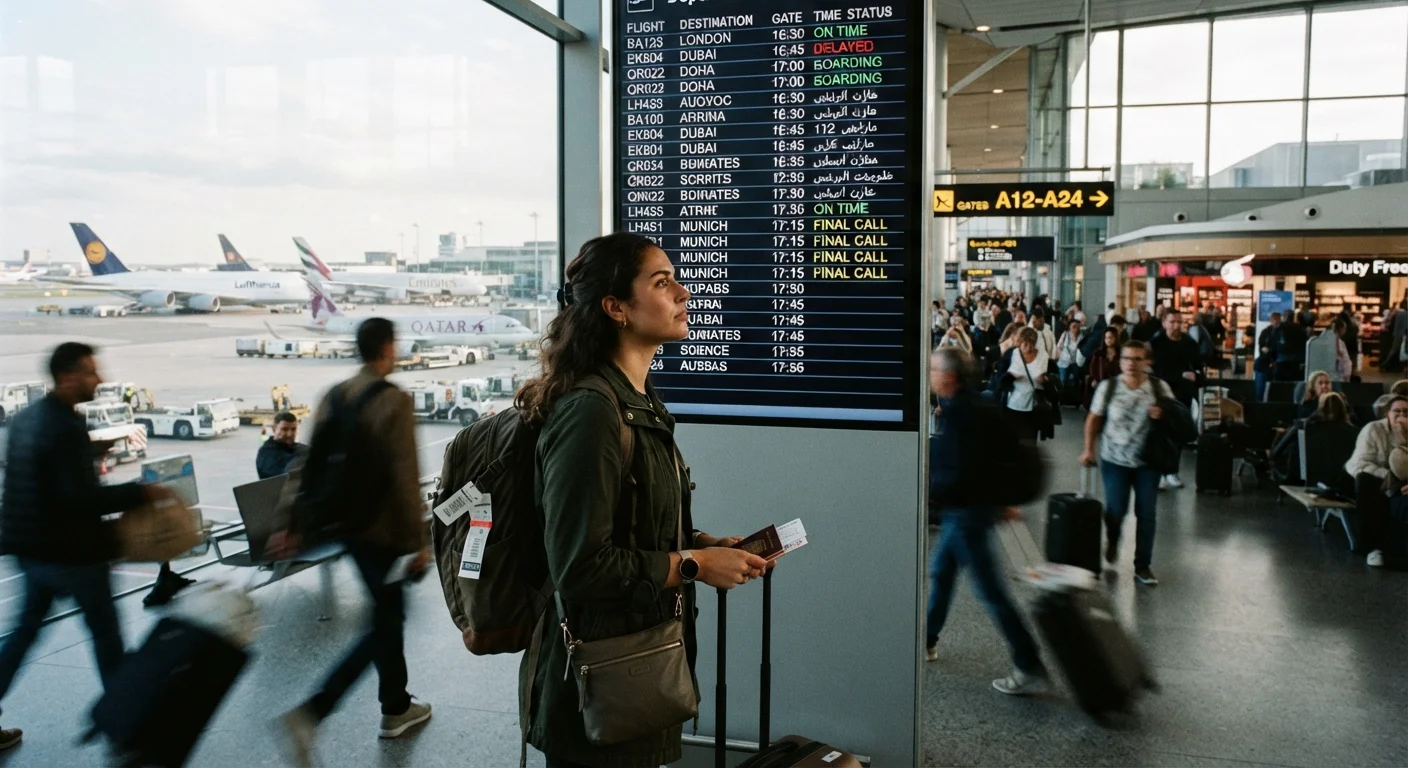

The Illusion of a Fully Planned Trip
There's a comfortable feeling that comes from a color-coded itinerary, confirmed hotel bookings, and a folder of printouts. It feels like readiness. But thorough research and genuine preparedness aren't always the same thing - and the gap between them is where most trips unravel.
The issue usually isn't laziness or ignorance. It's a set of common, easy-to-miss planning oversights that even experienced travelers fall into. Understanding what those oversights are - and why they happen - is the fastest way to actually reduce risk before you leave home. If you want to examine some of the assumptions baked into your planning habits, travel myths that shape bad decisions is a useful companion read.
Treating the itinerary as a fixed schedule rather than a flexible guide.
Why it happens: Detailed planning feels like control, so travelers pack each day tightly and assume everything will run on time.
Relying on travel blogs or third-party review sites for entry requirements, visa rules, or health documentation.
Why it happens: These sources are often the most accessible and detailed, which makes them feel authoritative even when they're outdated.
Assuming attractions, restaurants, and services will be open as advertised.
Why it happens: Online listings often lag behind reality - seasonal closures, renovation shutdowns, and changed hours may not be reflected in popular directories.
Under-budgeting for unplanned costs and financial disruptions.
Why it happens: Pre-trip budgets naturally focus on known line items - flights, hotels, tours - and overlook the variable costs that accumulate during travel.
Skipping travel insurance or underestimating what coverage is actually needed.
Why it happens: Insurance feels abstract during planning and its cost is visible, while its benefit only materializes in a worst-case scenario.
Failing to share critical trip details with someone at home.
Why it happens: Travelers focus outward on the destination and forget the basic safety net of keeping a trusted contact informed.
Where Planning Actually Breaks Down
Most trip disruptions trace back to one of a few structural problems: over-reliance on outdated or informal sources, underestimating logistical complexity, and failing to account for how much things can change between the research phase and travel day.
~40%
Travelers affected by at least one significant trip disruption
Industry surveys consistently suggest a substantial share of travelers experience at least one meaningful disruption per trip, ranging from flight delays to booking errors.
2 weeks
Minimum recommended lead time to re-verify entry requirements
Travel advisors and government agencies generally recommend confirming visa and entry conditions within two weeks of departure, as rules can shift with little public notice.
For international trips especially, the margin for error shrinks fast. Entry requirements, transit rules, and local regulations change more frequently than most travelers realize, and a travel blog post from 18 months ago may reflect a reality that no longer exists. Always verify visa, health documentation, and border requirements directly through official government sources - both the US State Department and the destination country's consulate. For a deeper look at what catches travelers off guard abroad, see our guide on hidden friction points of international travel.
Don't Trust Stale Sources for Entry Rules
Visa policies, health documentation requirements, and border procedures can change with minimal advance notice. A requirement that didn't exist when you booked your trip may be mandatory by the time you fly. Always verify entry conditions through official government channels close to your departure date - not from a travel forum post or blog article, regardless of how detailed it appears.
Budget assumptions are another consistent weak point. Travelers who've planned down to the last activity often haven't accounted for the costs that emerge in motion - airport meals, surge-priced rides, unexpected entry fees, or a single disrupted flight that cascades into a hotel night. Keeping a trip on budget once you've left home covers practical approaches for managing these real-time financial pressures. And when you're traveling with others, logistical gaps multiply quickly - planning a trip with a mixed group can help you align expectations before friction sets in.
Medical and Legal Emergencies Abroad Are Costly
Many American travelers discover too late that their domestic health insurance provides little or no coverage outside the US. A medical evacuation from a remote destination can cost tens of thousands of dollars out of pocket. Before any international trip, verify exactly what your existing coverage includes and consider what gaps remain - then consult a licensed insurance professional for guidance appropriate to your situation.