A Landscape Written in Rock
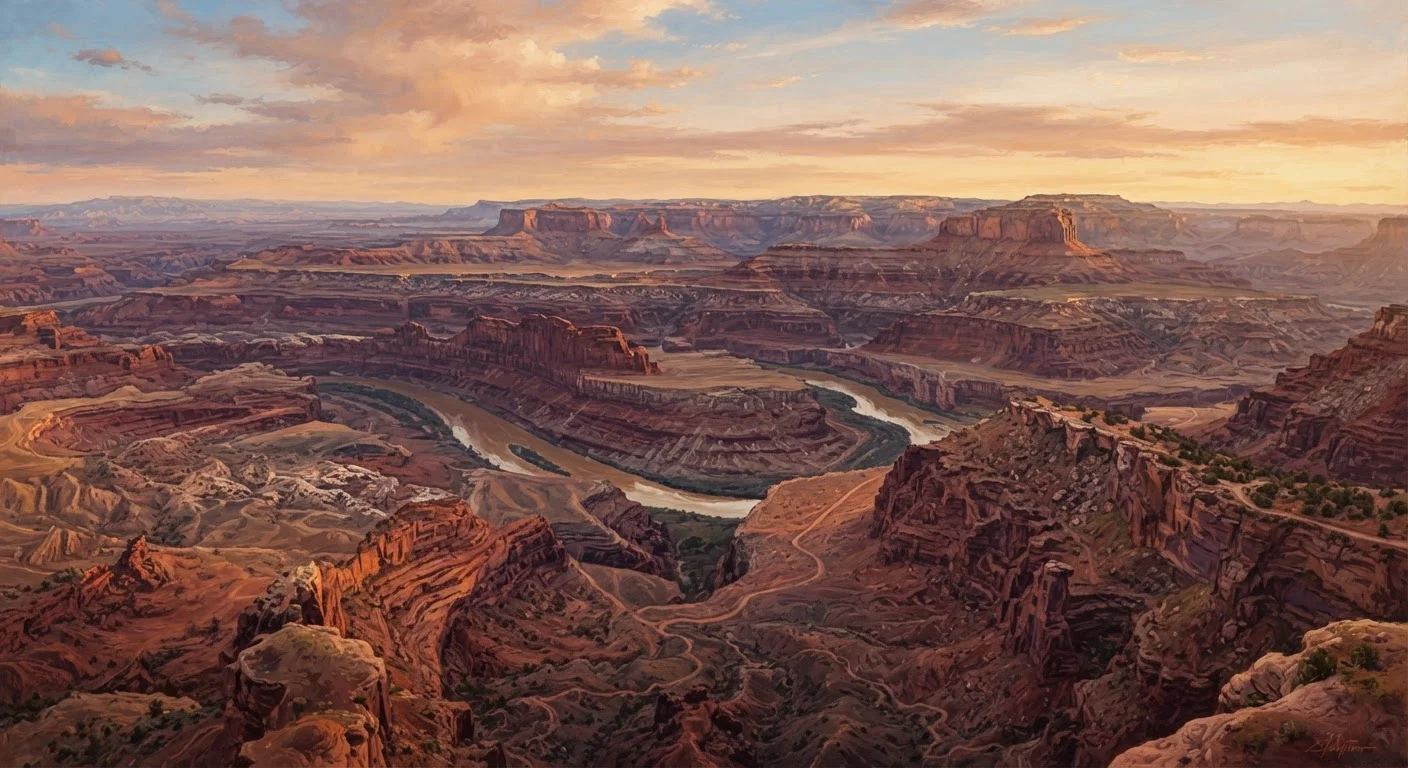
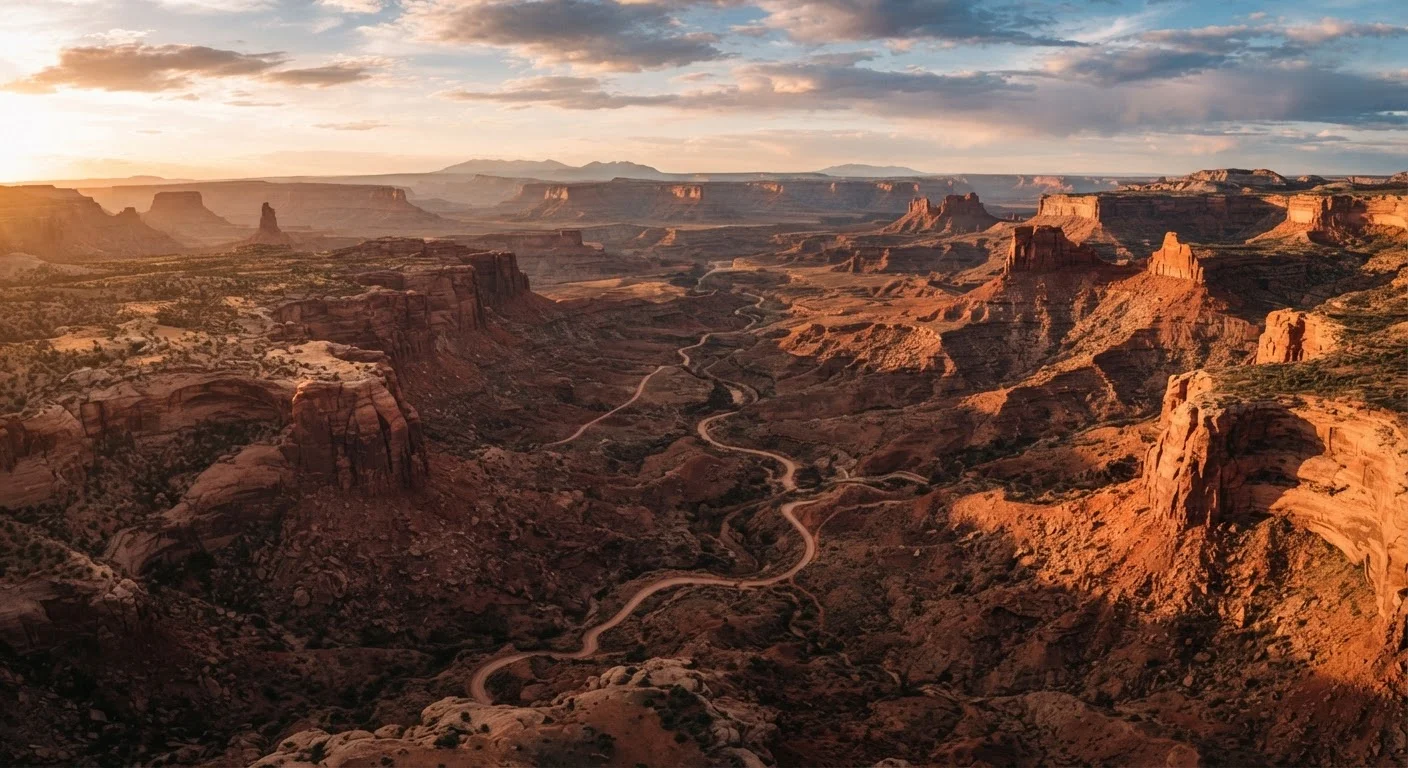
Few places on Earth expose geological time as nakedly as the American Southwest. The Colorado Plateau - a massive elevated tableland spanning parts of Utah, Arizona, Colorado, and New Mexico - has been slowly uplifted over tens of millions of years, while rivers, wind, and freeze-thaw cycles stripped away billions of tons of rock to reveal layer upon layer of ancient sediment. The result is what you see at places like the Grand Canyon, Canyonlands, and Bryce Canyon: a color-coded archive of Earth's past, painted in reds, whites, purples, and golds.
What makes this geology feel so arresting isn't just scale - it's legibility. Visitors can see the strata. The vivid banding in canyon walls represents different geological epochs, each distinct in color and texture. Iron-oxide minerals produce the signature reds and oranges. Manganese adds purples. Calcium carbonate layers appear as pale cream. The Southwest is essentially an open-air geology textbook, and you don't need a science background to be floored by it.
277 miles
Length of the Grand Canyon
The Grand Canyon stretches 277 river miles and reaches depths of over a mile, exposing nearly two billion years of Earth's geological history according to the National Park Service.
~17M
Annual visitors to Southwest national parks
The Grand Canyon, Zion, Arches, and Bryce Canyon together draw tens of millions of visitors annually, making the Southwest one of the most-visited park clusters in the US, per National Park Service data.
574+
Federally recognized tribal nations in the US
Many of these nations have ancestral and current ties to the Southwest, according to the Bureau of Indian Affairs, underscoring the region's extraordinary Indigenous cultural depth.
For travelers curious about how the Southwest compares to other park regions, America's national parks regional guide breaks down what each corner of the country actually delivers.
Thousands of Years of Living Culture
The Southwest is not a blank landscape waiting to be discovered - it has been home to Indigenous peoples for at least 13,000 years, and in some areas considerably longer. The Ancestral Puebloans built multi-story cliff dwellings in places like Mesa Verde and Chaco Canyon. The Navajo Nation, the largest tribal nation in the United States by land area, maintains a sovereign territory larger than West Virginia. The Hopi, Zuni, Apache, and dozens of other nations have shaped the region's languages, architecture, agriculture, and artistic traditions in ways that remain visible and vital today.
This isn't ancient history in a museum-case sense - it's a living, continuing presence. Pueblo communities in New Mexico still perform ceremonial dances that have been practiced for generations. Navajo weavers produce textiles that are studied globally as fine art. Many place names across the region derive directly from Indigenous languages.
“The Southwest is not a landscape you observe - it's one you inhabit, however briefly. The scale and stillness have a way of recalibrating your sense of time.”
— Travel & Trips Editorial Team, Editorial observation based on documented traveler accounts and regional travel writing
Travelers who engage with this heritage respectfully - by visiting tribally operated cultural centers, purchasing directly from Indigenous artists, and following community protocols - experience a dimension of the Southwest that no canyon view alone can provide.
Light, Elevation, and the Desert's Sensory Power
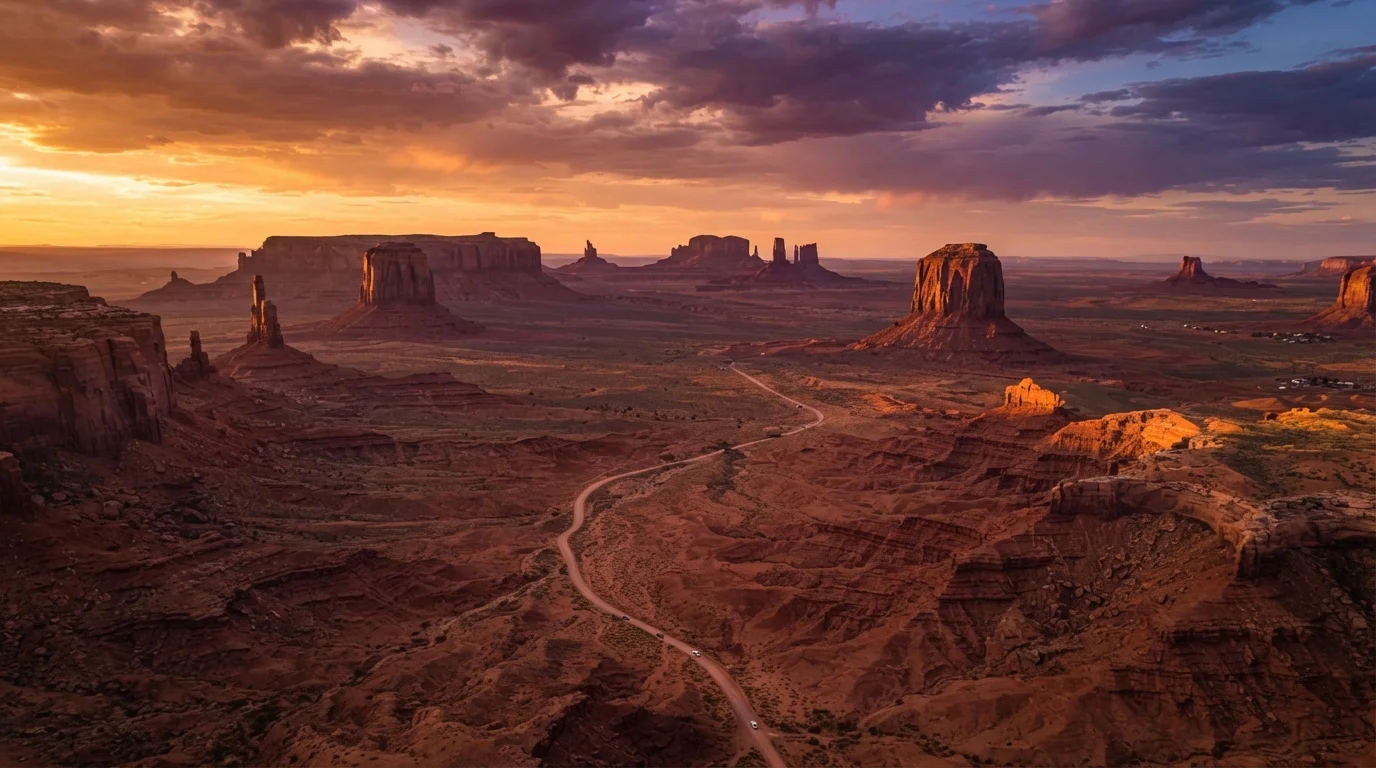
Photographers and painters have chased Southwestern light for over a century, and the obsession is grounded in physics as much as aesthetics. At high desert elevations - often 4,000 to 7,000 feet above sea level - the atmosphere is thinner and drier, filtering out less sunlight and producing colors of unusual saturation and clarity. During the golden hours before sunset and after sunrise, the low-angle light rakes across rock formations and throws shadows that seem almost architectural.
Then there's the monsoon. Each summer, a shift in atmospheric circulation draws moisture up from the Gulf of Mexico and the Gulf of California into the Southwest, producing dramatic afternoon thunderstorms. These storms cool the scorched land rapidly, release the scent of creosote and wet earth, and often produce cloud formations that look almost deliberately theatrical against the red rock backdrop.
Plan for Elevation Changes Before You Go
If you're visiting multiple Southwest destinations in one trip, check the elevation of each stop in advance. Altitude can affect physical exertion and hydration needs significantly. Drink more water than you think you need, especially if you're coming from a low-elevation city, and allow a day to acclimatize before strenuous hikes.
Elevation also means the Southwest is not uniformly hot. While the Sonoran Desert around Phoenix regularly exceeds 110°F in summer, Flagstaff - just two hours north - sits at 7,000 feet and sees snowfall in winter. This range of climate zones within driving distance of each other gives the region unusual ecological diversity, from saguaro cactus forests to ponderosa pine stands.
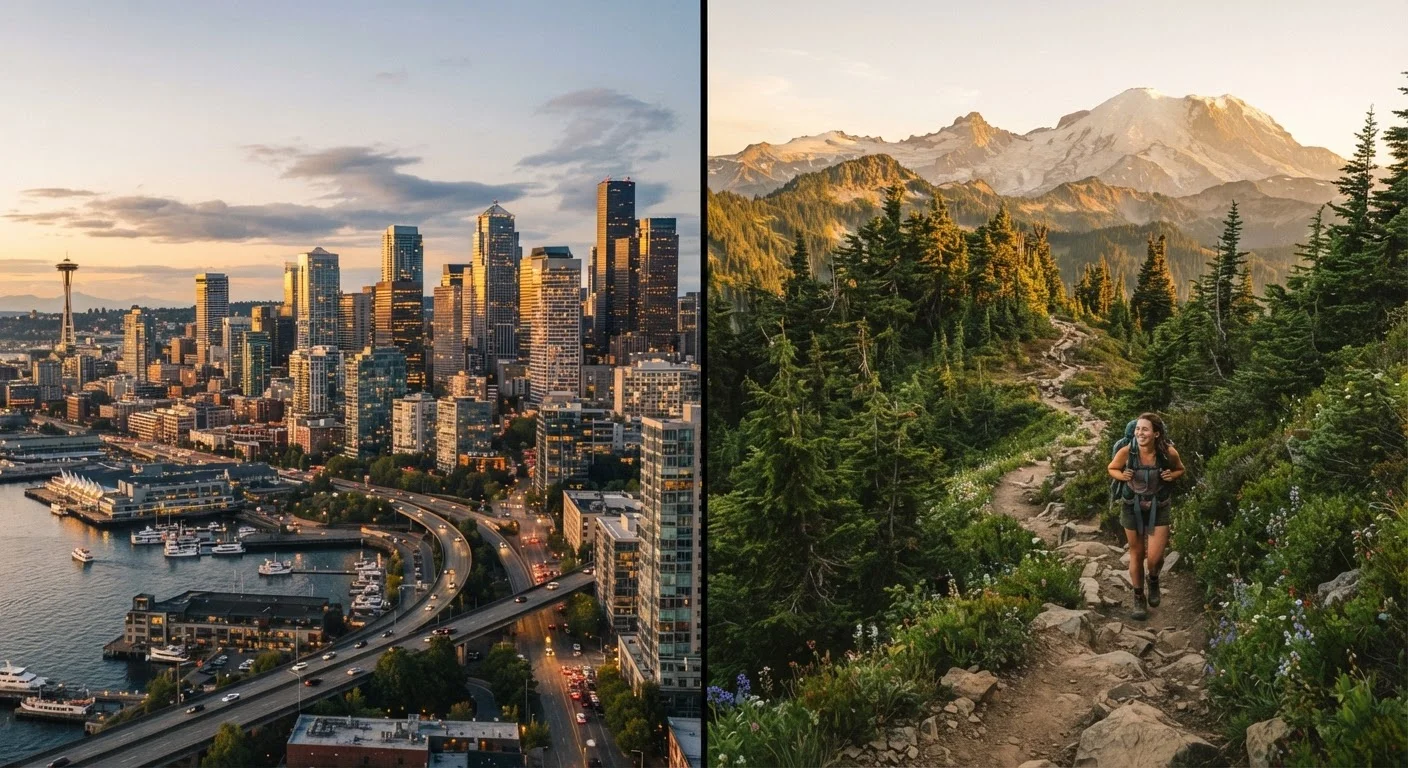
If you're weighing whether this kind of landscape is your travel style, this guide to city breaks versus nature escapes can help you think through your priorities. And first-time visitors to the West will want to understand how distances and conditions can catch newcomers off guard.
A Region That Rewards Curiosity
The Southwest's distinctiveness isn't only about landmarks. It lives in smaller details: the adobe architecture of Santa Fe, the roadside chile farms of the Rio Grande Valley, the neon signage of old Route 66 towns, the particular silence of a canyon at dawn. These accumulate into a sensory experience that feels genuinely unlike other American regions - not just different in scenery, but different in atmosphere, pace, and cultural texture.
Travelers who explore beyond the headline parks often find that the region's depth multiplies. Lesser-known towns across the Southwest carry histories just as layered as the canyon walls - mining boomtowns, Spanish mission settlements, railroad junction communities each with their own distinct character.
The American Southwest rewards slow travel and genuine curiosity. It asks visitors to look closely - at the rock, at the culture, at the sky - and the return on that attention is difficult to find anywhere else.