What Each Product Actually Does
At a glance, tinted moisturizers and foundations seem interchangeable - both add color to the skin and help even out tone. But their formulas are built around different priorities, and that changes how they look and feel on your face.
Tinted moisturizer is essentially a lightweight lotion with a small amount of pigment blended in. Its primary job is still to hydrate, and the color payoff is intentionally sheer. The finish tends to look dewy and skin-like. Because the formula is fluid and moisturizing, it blends easily with minimal tools and melds naturally into the skin.
Foundation, by contrast, is primarily a color cosmetic. Its formula is engineered to deposit pigment evenly across the skin and to stay put. Coverage ranges widely - from buildable light-coverage options to full-coverage formulas designed to mask discoloration - and finishes span matte, satin, and luminous. Foundation also comes in a significantly wider range of shades to accommodate the full spectrum of skin tones.
Understanding what your skin actually needs on a given day, or for a given occasion, is the first step to making a smart choice. For a deeper look at how your skincare base affects product performance, the guide to what each skincare step is actually doing is a useful starting point.
| Criterion | Tinted Moisturizer | Foundation |
|---|---|---|
| Primary purpose | Hydrate + add sheer color | Even skin tone, provide coverage |
| Coverage level | Sheer to light | Light to full (formula-dependent) |
| Typical finish | Dewy, natural, skin-like | Matte, satin, or luminous |
| Shade range | Often limited | Generally wide |
| Wear time | Moderate | Moderate to long-lasting |
| Best skin type | Dry to normal | All types (formula-specific) |
| Application ease | Very forgiving | Requires a little more technique |
| Routine simplicity | Can replace moisturizer | Applied after moisturizer |
How Skin Type and Tone Affect Your Choice
Your skin type is one of the most practical guides when choosing between these two products.
Dry or dehydrated skin often looks and feels better under a tinted moisturizer. The added hydration keeps skin comfortable, and the dewy finish can make dry patches less visible. Foundation - especially matte formulas - can settle into dry areas and look cakey if the skin isn't thoroughly moisturized first. If you're curious whether your skin is truly dry or just dehydrated, the article on hydration vs. moisture explains the difference clearly.
Oily or combination skin may find that a tinted moisturizer adds too much slip and doesn't wear as long through the day. A foundation - particularly a matte or long-wear formula - can help control shine and stay in place better.
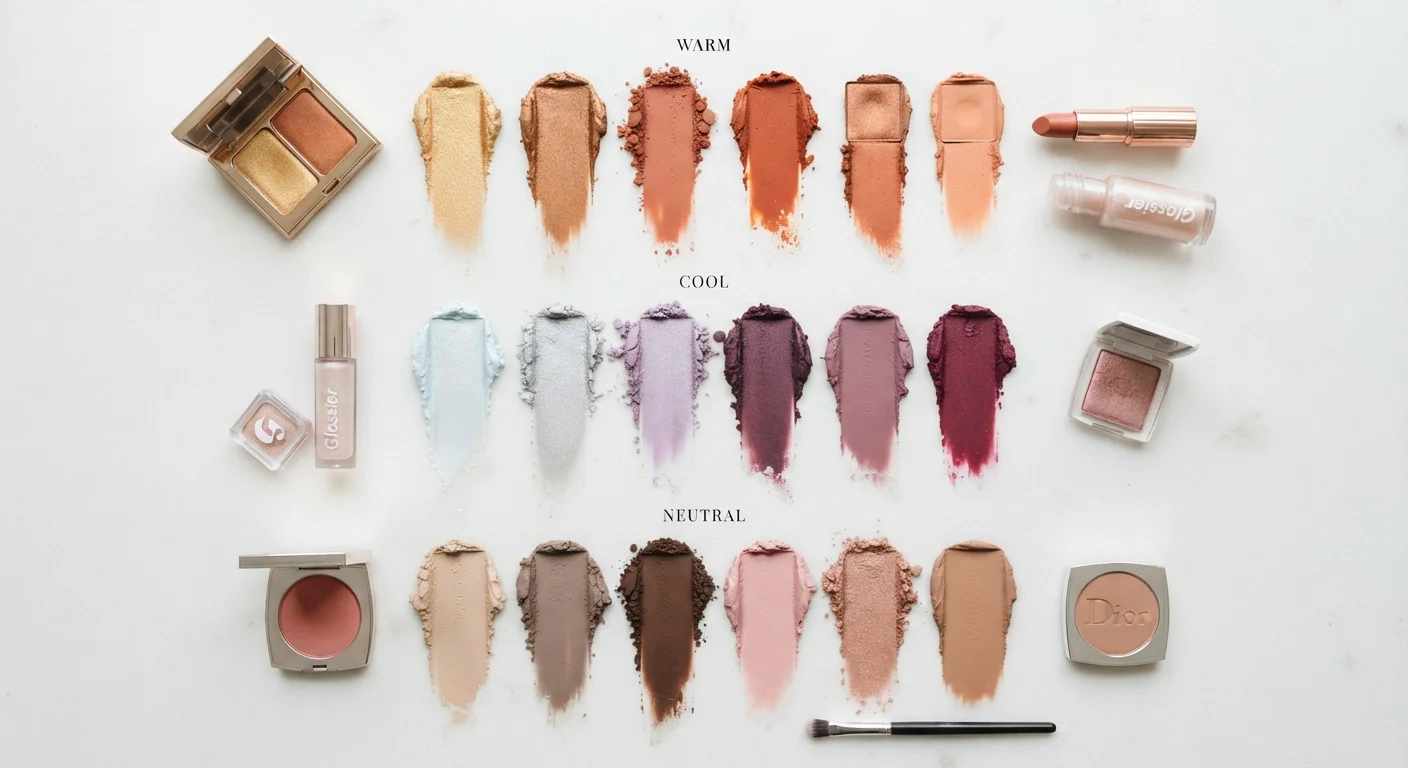
Shade range is another real consideration. Tinted moisturizers have historically been produced in a narrower range of shades, which can make it harder for medium to deep skin tones to find a match. Foundation lines tend to offer more extensive shade selections. Matching your formula to your undertone is equally important - the guide to skin undertones explains how warm, cool, and neutral undertones affect which shades actually flatter you.
~40%
U.S. consumers who wear light or no coverage daily
Consumer surveys consistently find a significant share of makeup wearers prefer minimal or natural-finish coverage for everyday routines.
40+
Average shades in a modern foundation range
Many mainstream foundation lines now launch with 40 or more shades, reflecting growing demand for inclusive shade diversity.
2-in-1
Steps combined by tinted moisturizer
By merging hydration and color in one product, tinted moisturizer can reduce the total number of steps in a morning routine.
Application, Layering, and Finish
Both products apply best over a clean, moisturized base. Tinted moisturizer is forgiving - fingers, a damp sponge, or a brush all work well, and blending is nearly effortless. Foundation rewards a little more technique: a damp sponge or brush helps achieve a smooth, streak-free finish, and application order matters more when you're building coverage.
One key advantage of tinted moisturizer is that it doubles as your moisturizer, simplifying your routine. Foundation, however, should generally be applied after your moisturizer has had a moment to absorb into the skin. Layering skincare products correctly beneath your makeup isn't just a technicality - it affects how evenly your base sits and how long it lasts. The guide to layering skincare in the right order walks through the general sequence.
If you want coverage in specific areas but a lighter feel overall, many people use both: a tinted moisturizer as an all-over base and a small amount of foundation or concealer only where more coverage is needed. This hybrid approach gives you a natural, skin-like result without committing to full-face foundation.
SPF in Tinted Moisturizers and Foundations
Many tinted moisturizers and some foundations include SPF. While any sun protection is worth having, dermatologists generally note that the amount of product applied as makeup is usually less than the amount needed to achieve the labeled SPF. If sun protection is a priority, applying a dedicated sunscreen beneath your base is the more reliable approach. Always check individual product labels for specific SPF information.