Undertone vs. Skin Tone: Understanding the Difference
Many people use "skin tone" and "undertone" interchangeably, but they describe two entirely different things. Your skin tone - sometimes called surface tone or depth - is simply how light or deep your complexion looks. It sits on a spectrum from fair to light, medium, tan, and deep. Undertone, by contrast, lives just beneath that surface layer and casts a subtle warmth, coolness, or neutrality that doesn't change when you get a summer tan or go through a pale winter.
Think of it this way: your skin tone is the canvas, and your undertone is the primer color beneath it. Two people with identical medium skin tones might have completely different undertones - one warm, one cool - and the same foundation shade can look gorgeous on one while looking muddy or ashy on the other. This is why understanding undertone is the key that unlocks flattering makeup, not just shade matching by depth alone.
It's also worth knowing that undertone is separate from skin health factors. Lifestyle and environmental variables like sleep, stress, and humidity shape how your skin looks day to day - but they don't shift your core undertone.
The Three Undertone Categories - and How to Identify Yours
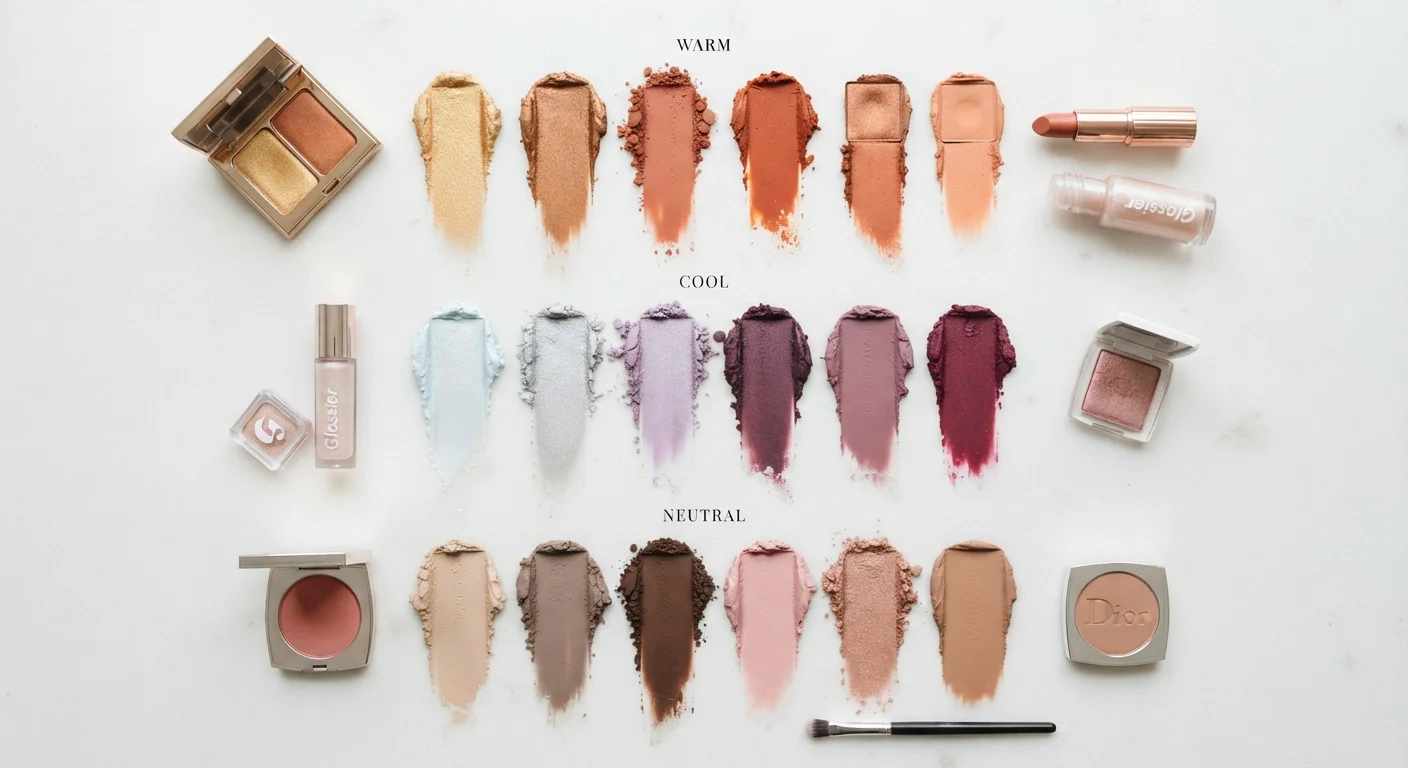
Warm undertones carry hints of yellow, golden, peach, or amber beneath the surface. Cool undertones lean toward pink, rosy, red, or bluish hues. Neutral undertones are a balanced blend of warm and cool with no one hue dominating.
Several reliable at-home tests can point you in the right direction:
- The vein test: Look at the inside of your wrist in natural daylight. Greenish veins tend to indicate a warm undertone; bluish or purple veins suggest cool; a mix of both points to neutral.
- The jewelry test: Hold a gold piece of jewelry next to your face, then a silver piece. If gold makes your complexion look more radiant, you likely lean warm. If silver flatters you more, you probably have a cool undertone. Both looking equally good? Hello, neutral.
- The white paper test: Hold a plain white piece of paper beside your bare face in natural light. Does your skin look yellowish or peachy against it? Warm. Does it appear pinkish or rosy? Cool. Does it look grayish or a mix? Neutral.
- Sun reaction: People with warm undertones often tan easily and rarely burn, while those with cool undertones may burn more readily and then fade back.
Combine Multiple Tests for Best Results
No single undertone test is foolproof on its own - lighting conditions, recent sun exposure, and skin conditions can all influence what you observe. Try at least two or three tests and look for where the results agree. That overlap is usually your most accurate answer.
Don't stress if you land somewhere between categories - most people aren't a textbook example of one type. Trust a combination of tests rather than relying on just one method.
How Undertone Changes Your Makeup Choices
Once you know your undertone, applying it to makeup becomes genuinely exciting. Here's how it plays out across the key product categories:
Foundation
Foundations are typically labeled with letters: N for neutral, W for warm, and C for cool. Choosing the right suffix matters as much as picking the right shade number. A warm-undertoned person in a cool-labeled foundation can end up looking flat or grayish. For guidance on which type of base product fits your routine, see tinted moisturizer vs. foundation.
Blush
Warm undertones tend to shine with peachy, coral, or terracotta blushes. Cool undertones often look most vibrant with rosy pink or berry shades. Neutral undertones have the flexibility to try both.
Lip Color
Warm undertones are typically flattered by nudes with peach or brown bases, warm reds, and terracotta. Cool undertones often glow with berry, mauve, true red, and cool-based nudes. Lip color selection is a whole world of its own - lip color and skin tone takes a deeper look at finding shades across complexions.
Beyond Makeup: Undertones in Your Overall Style
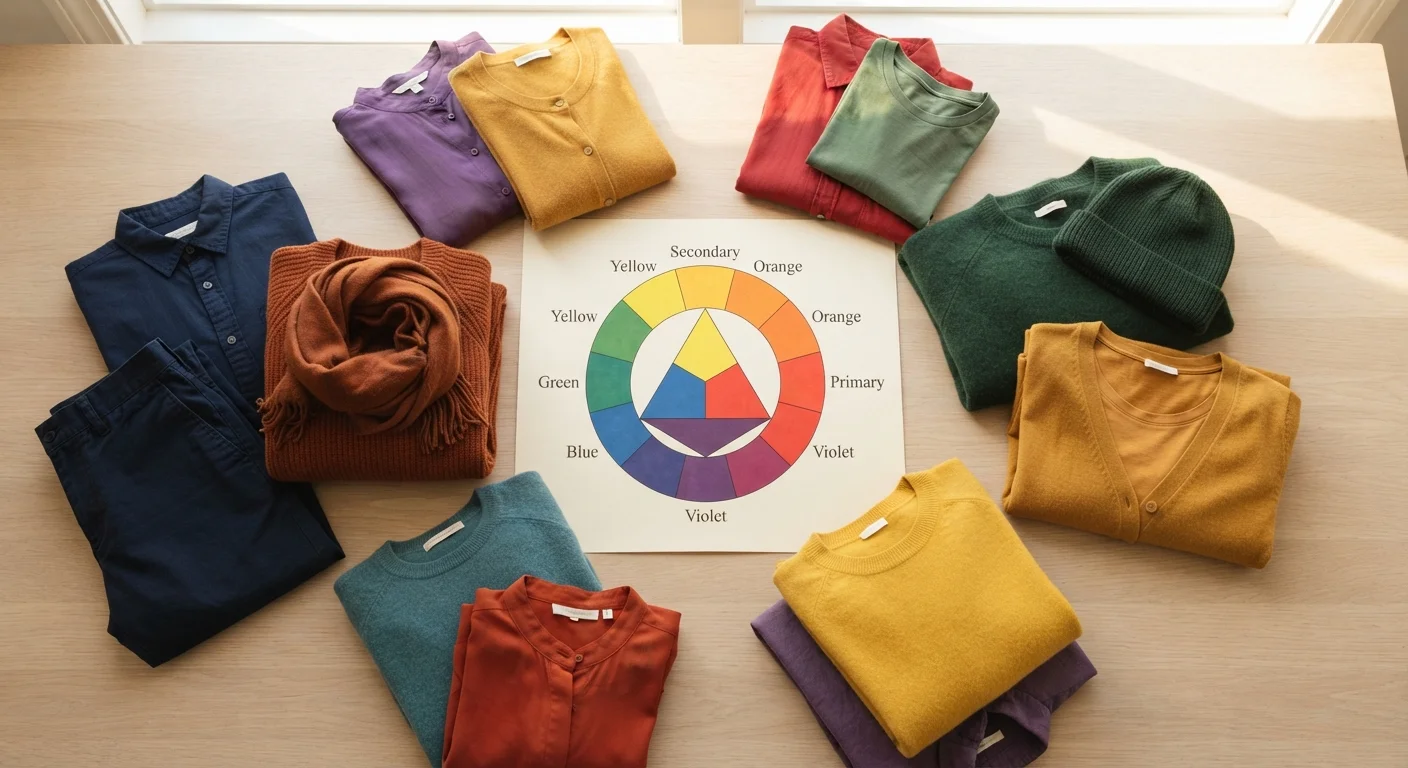
Undertone awareness extends well beyond the makeup aisle. The same warm-vs-cool dynamic applies to clothing color selection, hair color, and jewelry. Understanding the interplay of hues helps you build a wardrobe that works together effortlessly - which is exactly what color theory for casual dressers explores in depth.
It's also worth noting that undertone is just one variable among many in a complete beauty picture. Your skin type - whether oily, dry, combination, or sensitive - influences how makeup applies and wears, which is a separate but equally important dimension to understand.
The goal of knowing your undertone isn't to create rigid rules but to give you a confident starting point. Think of it as your built-in compass rather than a constraint. Once you find colors that genuinely harmonize with your undertone, getting dressed and doing your makeup can feel far less like guesswork and far more like second nature.
Undertone Rules Are Guidelines, Not Laws
Beauty guidelines around undertones are tools, not restrictions. Plenty of people with warm undertones love cool-toned lip colors and make them work brilliantly. Think of your undertone as useful context rather than a set of hard limits - experiment freely and trust what you see in natural light.